
Most people eat chicken—specifically hens or young males—because they’re tender, mild-tasting, and efficient to raise. Roosters, while edible, are tougher, gamier, and less practical for mass production, which explains their absence from dinner plates.
Key Takeaways
- Chickens (hens) are preferred for meat due to tenderness and mild flavor: Hens have softer, more palatable meat compared to mature roosters.
- Roosters are tougher and stronger-flavored: Their muscle development and testosterone levels make their meat chewier and more gamey.
- Egg production drives hen farming: Hens lay eggs regularly, making them economically valuable beyond meat.
- Roosters are less efficient for commercial farming: They grow slower, eat more, and can be aggressive, reducing profitability.
- Cultural and historical norms shape consumption habits: Centuries of tradition have cemented chicken as the go-to poultry.
- Young male chickens (cockerels) are sometimes eaten: Before maturity, males are tender and often labeled simply as “chicken.”
- Sustainability and ethics influence modern choices: Dual-purpose breeds and backyard farming are reviving interest in rooster meat.
Quick Answers to Common Questions
Is rooster meat safe to eat?
Yes, rooster meat is safe to eat. It’s just tougher and stronger-flavored than chicken, so it requires slow cooking methods like braising or stewing.
Why don’t supermarkets sell rooster meat?
Supermarkets focus on consumer demand, and most people expect tender, mild chicken. Rooster meat doesn’t meet those expectations, so it’s rarely sold commercially.
Can you eat a rooster like a chicken?
Yes, but it’s best cooked slowly. Rooster meat is leaner and tougher, so methods like braising or pressure cooking work best.
Do roosters taste like chicken?
Roosters taste similar to chicken but with a stronger, gamier flavor. The texture is also chewier, especially in older birds.
Are male chickens ever eaten?
Yes! Young male chickens (cockerels) are often processed for meat and sold as “chicken.” It’s only mature roosters that are rarely eaten.
📑 Table of Contents
- Why Do We Eat Chicken and Not Rooster? The Surprising Truth
- The Biology Behind the Plate: Hens vs. Roosters
- The Economics of Poultry Farming
- Cultural and Historical Influences
- Culinary Differences: Taste, Texture, and Cooking
- Modern Trends: Are We Starting to Eat More Roosters?
- Conclusion: The Truth Behind the Plate
Why Do We Eat Chicken and Not Rooster? The Surprising Truth
When you think of poultry on your dinner plate, what comes to mind? A juicy roasted chicken breast, a bowl of creamy chicken soup, or perhaps crispy fried chicken wings? Chances are, you’re not picturing a rooster. But have you ever stopped to wonder why we eat chicken—and not rooster—despite both coming from the same species, Gallus gallus domesticus?
It’s a question that sounds simple, but the answer is layered with biology, economics, culture, and even a bit of culinary science. The truth is, we do eat roosters—just not as often, and usually not under that name. Most of the “chicken” we consume comes from young males (called cockerels) or female hens, especially those past their egg-laying prime. Mature roosters, on the other hand, are rarely found in supermarkets or on restaurant menus. Why? Because they’re tougher, stronger-flavored, and far less practical for large-scale farming.
In this article, we’ll dive deep into the reasons behind this culinary preference. From the biological differences between hens and roosters to the economics of poultry farming, and even the role of tradition and taste, we’ll uncover the surprising truth behind why chicken dominates our plates—and why roosters are often left out of the meal.
The Biology Behind the Plate: Hens vs. Roosters
Visual guide about Why do we eat chicken and not rooster the surprising truth
Image source: chirperbirds.com
To understand why we eat chicken and not rooster, we need to start with the basics: what’s the real difference between a hen and a rooster?
At first glance, they look similar—same feathers, same beak, same clucking (well, roosters crow). But under the surface, there are key biological distinctions that affect everything from taste to texture.
Sexual Dimorphism in Chickens
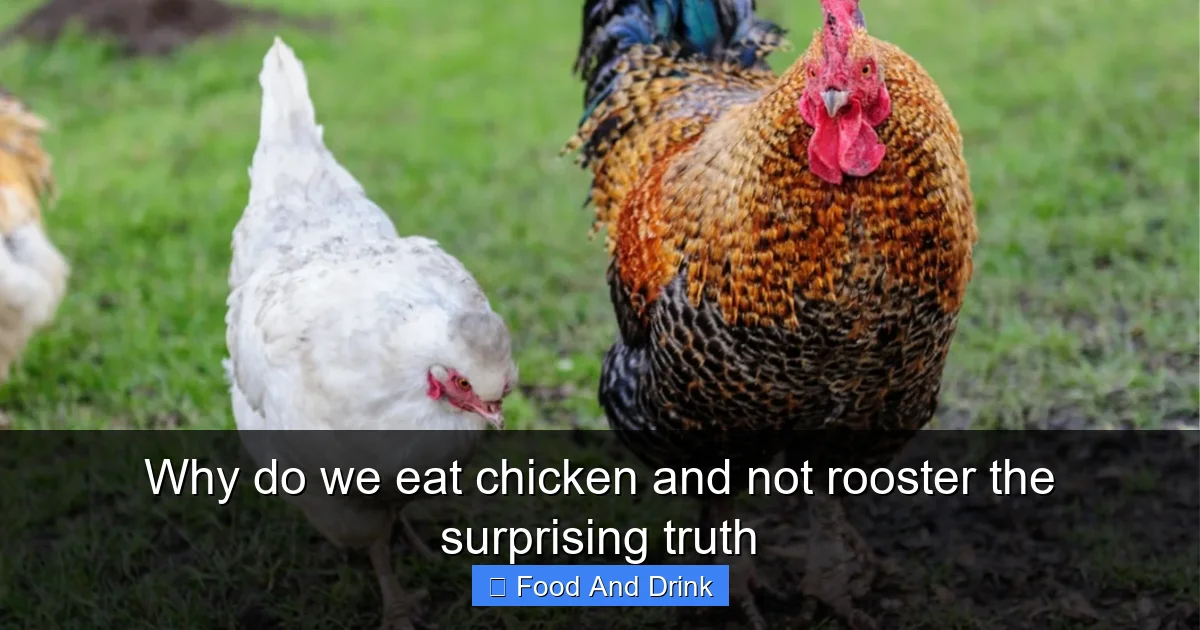
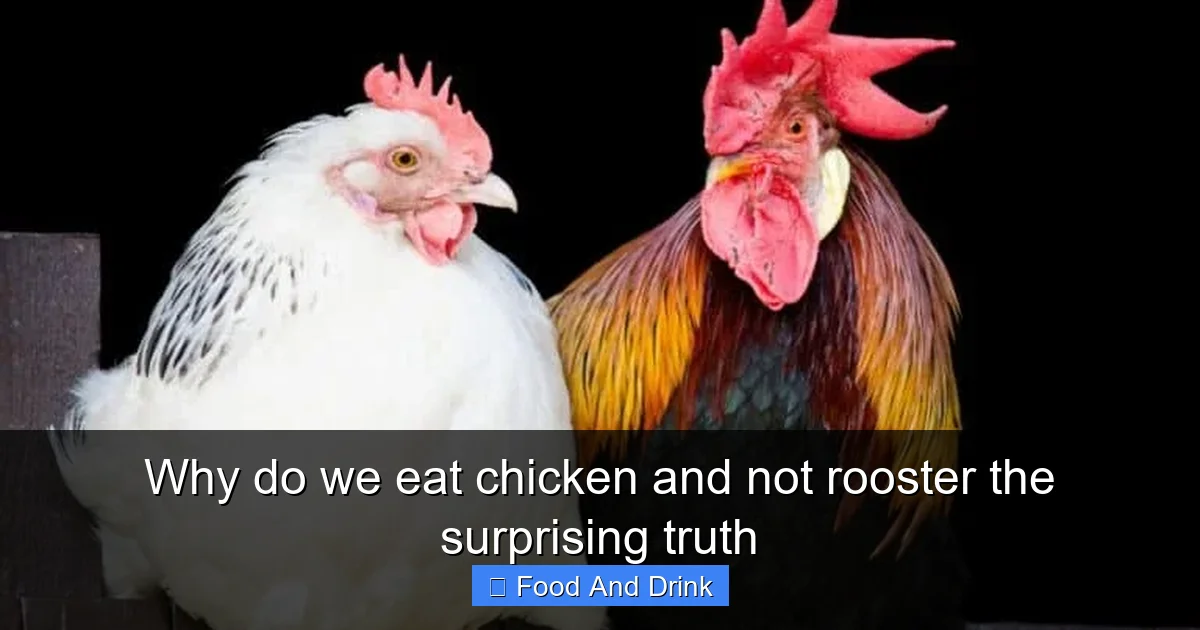
Chickens exhibit what scientists call sexual dimorphism—meaning males and females have noticeable physical differences. Roosters are typically larger, with brighter plumage, larger combs, and long, pointed tail feathers. They also have spurs on their legs, which they use for defense and dominance.
Hens, by contrast, are smaller, with duller feathers and a more rounded body shape. These differences aren’t just for show—they’re tied to the birds’ roles in reproduction and survival. Roosters are built for protection and mating, which means more muscle mass and higher testosterone levels. Hens, on the other hand, are optimized for egg production, which requires a different metabolic focus.
Muscle Development and Meat Quality
One of the biggest reasons roosters aren’t ideal for eating is their muscle development. Roosters are naturally more muscular, especially in the legs and thighs, because they’re constantly on the move—guarding the flock, fighting off rivals, and chasing hens. This constant activity builds dense, fibrous muscle tissue.
While that might sound good for a workout, it’s not great for dinner. The result? Tougher, chewier meat that requires long, slow cooking to become palatable. Think of it like comparing a well-marbled steak to a piece of well-exercised beef from a working ox—both are beef, but one is far more tender.
Hens, especially younger ones, have less muscle mass and more fat distribution, which makes their meat softer and more flavorful. Even older hens, while slightly tougher than young birds, are still more tender than mature roosters.
Hormonal Influences on Flavor
Testosterone plays a big role in how rooster meat tastes. As roosters mature, their testosterone levels rise, which can lead to a stronger, gamier flavor—similar to how wild game or older beef can have a more intense taste. This “gamey” flavor isn’t necessarily bad, but it’s not what most people expect from chicken.
Hens, with lower testosterone, produce meat that’s milder and more universally appealing. This is especially important in commercial food production, where consistency and broad appeal are key.
The Economics of Poultry Farming
Visual guide about Why do we eat chicken and not rooster the surprising truth
Image source: chickenslife.com
Now that we’ve covered the biology, let’s talk money. Why do farmers raise hens and not roosters? It all comes down to efficiency, cost, and demand.
Egg Production: The Hen’s Superpower
Hens are egg-laying machines. A healthy hen can lay up to 300 eggs per year, making them incredibly valuable on a farm. Even after their peak laying years (usually around 2–3 years), older hens are often sold for meat—a process known as “spent hen” processing.
This dual-purpose role makes hens a smart investment. Farmers get eggs for years, and then meat when the hen is no longer productive. Roosters, by contrast, don’t lay eggs. Their only role is to fertilize eggs and protect the flock—functions that are important, but not as economically lucrative.
Growth Rates and Feed Efficiency
Commercial poultry farming is all about speed and efficiency. Broiler chickens—the ones raised for meat—are bred to grow fast and convert feed into muscle quickly. Most broilers reach market weight (around 5–6 pounds) in just 6–8 weeks.
Roosters, especially heritage or non-industrial breeds, grow more slowly. They also eat more feed relative to the meat they produce. This makes them less cost-effective for large-scale operations. Why spend more time and money raising a bird that yields tougher, less desirable meat?
Behavior and Farm Management
Roosters can be aggressive. They fight with each other for dominance, which can lead to injuries and stress within the flock. In crowded commercial farms, this aggression is a liability. It increases the risk of disease, reduces overall flock health, and complicates management.
Hens, while not always peaceful, are generally more docile and easier to manage in large groups. This makes them ideal for factory farming setups, where thousands of birds are raised in confined spaces.
Market Demand and Consumer Expectations
Let’s face it: people expect chicken to taste a certain way—tender, mild, and versatile. Rooster meat doesn’t fit that profile. Even if farmers wanted to sell rooster meat, there’s limited demand. Supermarkets and restaurants cater to consumer preferences, and most consumers don’t know—or care—about the difference between a hen and a rooster.
As a result, the poultry industry has standardized around hens and young males (cockerels), which are processed before they develop the toughness and strong flavor of mature roosters.
Cultural and Historical Influences
Visual guide about Why do we eat chicken and not rooster the surprising truth
Image source: chickenslife.com
Food choices aren’t just about biology and economics—they’re also shaped by culture and history. The preference for chicken over rooster has deep roots in human tradition.
Ancient Practices and Domestication
Chickens were first domesticated over 8,000 years ago in Southeast Asia, primarily for cockfighting and religious rituals. Over time, people began eating them, but hens were still valued more for their eggs than their meat.
In many ancient cultures, roosters were seen as symbols of courage, vigilance, and masculinity. They were often kept for breeding or ceremonial purposes, not for food. This cultural reverence may have discouraged their consumption.
Medieval and Colonial Traditions
In medieval Europe, chickens were a common farm animal, but meat was a luxury. Hens were kept for eggs, and only older or surplus birds were eaten. Roosters were typically culled early or kept for breeding.
As European colonists brought chickens to the Americas, these practices continued. The idea of eating a rooster—especially a strong, healthy one—was seen as wasteful. Why eat a bird that could fertilize eggs and protect the flock?
Modern Industrialization and Standardization
The 20th century brought industrialized farming, which further cemented the divide between hens and roosters. Selective breeding created chickens that grew faster, laid more eggs, or produced more meat—depending on their purpose.
Broiler chickens (meat birds) were bred to be plump and tender, while laying hens were optimized for egg production. Roosters, unless used for breeding, were largely excluded from this system.
Today, the global poultry industry produces over 130 million tons of chicken meat annually—almost all of it from hens or young males. Roosters are a footnote in this massive operation.
Culinary Differences: Taste, Texture, and Cooking
So, what does rooster meat actually taste like? And how does it compare to chicken?
Flavor Profile: Mild vs. Gamey
Chicken meat is known for its mild, neutral flavor, which makes it a blank canvas for spices, marinades, and sauces. Rooster meat, especially from mature birds, has a stronger, more robust taste—often described as “gamey” or “game-like.”
This flavor comes from higher levels of myoglobin (a protein in muscle) and testosterone, which give the meat a deeper, richer taste. Some people enjoy this complexity, but it’s not what most expect from chicken.
Texture and Tenderness
Tenderness is a big factor. Young chickens (under 16 weeks) have soft, tender meat that cooks quickly and stays juicy. Roosters, especially older ones, have dense, fibrous muscle that can be tough and chewy.
To make rooster meat edible, it often needs long, slow cooking methods—like braising, stewing, or pressure cooking. Think of it like cooking a tough cut of beef: it needs time and moisture to break down the connective tissue.
Cooking Tips for Rooster Meat
If you do get your hands on rooster meat, here are some tips to make it delicious:
- Braise it: Cook it slowly in liquid (like broth or wine) with vegetables and herbs. This tenderizes the meat and adds flavor.
- Use a pressure cooker: Cuts cooking time and helps break down tough fibers.
- Marinate it: Acidic marinades (with vinegar, citrus, or yogurt) can help tenderize the meat.
- Grind it: Turn rooster meat into sausage, meatballs, or burgers, where texture matters less.
In some cultures, rooster is prized for these very qualities. In French cuisine, coq au vin (rooster in wine) is a classic dish that showcases slow-cooked rooster meat. Similarly, in parts of Asia and Latin America, older roosters are used in hearty stews and soups.
Modern Trends: Are We Starting to Eat More Roosters?
While roosters are still a rarity on most dinner tables, there are signs that attitudes are changing.
The Rise of Heritage Breeds and Sustainable Farming
As consumers become more interested in where their food comes from, heritage chicken breeds are making a comeback. These older, slower-growing breeds often include roosters in the mix, and farmers are finding new ways to use them.
Some small-scale farms now sell rooster meat directly to consumers, marketing it as a sustainable, ethical choice. Instead of culling roosters at birth (a common practice in industrial farming), these farms raise them for meat, reducing waste and supporting biodiversity.
Ethical and Environmental Considerations
In commercial egg farms, male chicks are often culled shortly after hatching because they can’t lay eggs and aren’t bred for meat. This practice raises ethical concerns and has led to calls for more humane alternatives.
One solution is to raise roosters for meat. While it’s not yet mainstream, some companies are exploring “dual-purpose” breeds—chickens that are good for both eggs and meat—which could include roosters in the food supply.
Culinary Innovation and Niche Markets
Chefs and foodies are also rediscovering rooster meat. In high-end restaurants, slow-cooked rooster dishes are appearing on menus as a nod to tradition and sustainability.
Additionally, home cooks with backyard flocks are experimenting with rooster meat, often sharing recipes and tips online. This grassroots movement is helping to normalize rooster consumption and challenge outdated norms.
Conclusion: The Truth Behind the Plate
So, why do we eat chicken and not rooster? The answer is a mix of biology, economics, culture, and taste.
Hens and young males are simply better suited for modern food systems—they’re tender, mild, efficient to raise, and in high demand. Roosters, while edible, are tougher, stronger-flavored, and less practical for mass production.
But that doesn’t mean roosters have no place at the table. In certain cultures, cuisines, and farming models, rooster meat is valued and enjoyed. As sustainability and ethical farming gain traction, we may see a shift toward including more roosters in our diets.
The next time you bite into a piece of chicken, remember: it’s not just about the meat—it’s about centuries of tradition, innovation, and choice. And who knows? One day, you might just find rooster on your plate, too.
Frequently Asked Questions
What is the difference between a chicken and a rooster?
A chicken is a general term for the species, while a rooster is an adult male chicken. Hens are adult females. Roosters are larger, more muscular, and have distinct physical features like combs and spurs.
Why are roosters not raised for meat?
Roosters grow slower, eat more feed, and produce tougher meat than hens or young males. They’re also more aggressive, making them less efficient for commercial farming.
Can you eat a rooster that’s been used for breeding?
Yes, but the meat will be very tough and strong-flavored. It’s best cooked slowly with moisture, like in a stew or braise.
Do all cultures avoid eating roosters?
No. In some cultures, like in France and parts of Asia, rooster meat is traditionally used in dishes like coq au vin or hearty soups.
Are roosters more nutritious than chickens?
Rooster meat is leaner and higher in protein, but it’s also lower in fat. Nutritionally, it’s similar to chicken, just with a different texture and flavor.
Will eating rooster become more common in the future?
Possibly. As sustainable and ethical farming grows, more people may choose to raise and eat roosters to reduce waste and support biodiversity.