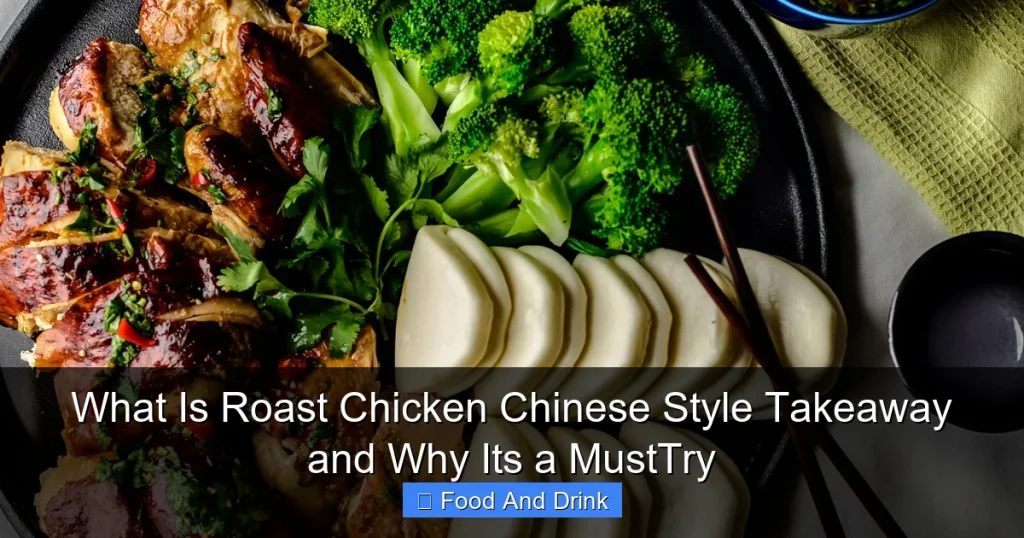

Roast chicken Chinese style takeaway is a flavorful, aromatic dish known for its crispy skin and tender meat, marinated in a blend of soy sauce, five-spice, and honey. It’s a popular choice at Chinese takeaways worldwide, offering a delicious balance of sweet, salty, and savory flavors that make it a must-try for food lovers.
If you’ve ever walked past a Chinese takeaway and caught a whiff of something smoky, sweet, and utterly mouthwatering, chances are you were smelling roast chicken Chinese style. This isn’t your average Sunday roast. It’s a dish that sings with flavor, boasts a golden, crackling skin, and delivers tender, juicy meat with every bite. Whether you’re ordering it for dinner, grabbing it on the go, or sharing it with friends, this takeaway favorite has earned its spot on the menu—and in our hearts.
What makes roast chicken Chinese style so special? It’s not just the taste—it’s the entire experience. From the moment you open the container and see that glossy, mahogany-colored bird, to the first bite that bursts with umami and sweetness, it’s clear this dish is something different. It’s comfort food with a twist, a fusion of tradition and convenience that satisfies both hunger and curiosity. And the best part? You don’t need to be a chef or spend hours in the kitchen to enjoy it. Just place an order, and within minutes, you’re diving into one of the most delicious meals around.
Key Takeaways
- Distinctive Flavor Profile: Chinese style roast chicken features a rich blend of soy sauce, five-spice powder, garlic, ginger, and honey, creating a sweet-savory glaze that sets it apart.
- Crispy Skin, Juicy Meat: The roasting technique locks in moisture while achieving a golden, crackling skin—perfect for those who love texture contrast.
- Popular Takeaway Staple: Found in nearly every Chinese takeaway, it’s a go-to comfort food that pairs well with rice, noodles, or vegetables.
- Versatile and Customizable: Often served whole, halved, or in pieces, it can be enjoyed on its own or with dipping sauces like hoisin or chili oil.
- Cultural Significance: Rooted in Cantonese cuisine, this dish reflects centuries of culinary tradition and is a symbol of celebration and family meals.
- Easy to Order, Hard to Resist: Whether you’re new to Chinese food or a longtime fan, this dish offers bold flavors and satisfying textures in every bite.
Quick Answers to Common Questions
What makes Chinese style roast chicken different from regular roast chicken?
Chinese style roast chicken uses a unique marinade with soy sauce, five-spice powder, garlic, ginger, and sweeteners like honey, creating a sweet-savory flavor and crispy, glossy skin that sets it apart from Western versions.
Is roast chicken Chinese style healthy?
It’s relatively healthy compared to fried dishes, as it’s roasted, not deep-fried. However, the skin is high in fat, so enjoy it in moderation. Pair it with vegetables and rice for a balanced meal.
Can I make Chinese style roast chicken at home?
Yes! Marinate a whole chicken in soy sauce, five-spice, garlic, ginger, and honey, then roast in the oven or air fryer. For best results, air-dry the chicken before cooking to crisp the skin.
What sides go well with roast chicken Chinese style?
Steamed rice, stir-fried vegetables, fried rice, or noodles are classic pairings. Serve with hoisin sauce, chili oil, or ginger-scallion sauce for extra flavor.
Why is the skin so crispy?
The crispy skin comes from the marinade’s sugar content, which caramelizes during roasting, and the roasting method, which renders fat and dries the skin. Air-drying before cooking also helps.
📑 Table of Contents
- What Exactly Is Roast Chicken Chinese Style Takeaway?
- The Secret Behind the Flavor: Marinades and Seasonings
- Cooking Methods: How It’s Roasted to Perfection
- Serving Suggestions and Pairings
- Why It’s a Must-Try Experience
- Tips for Ordering the Best Roast Chicken Chinese Style
- Conclusion: A Dish Worth Savoring
What Exactly Is Roast Chicken Chinese Style Takeaway?
Roast chicken Chinese style takeaway is a classic dish deeply rooted in Cantonese cuisine, particularly popular in southern China and widely adopted by Chinese restaurants and takeaways around the world. Unlike Western-style roast chicken, which often relies on herbs like rosemary and thyme, this version uses a unique blend of Asian ingredients to create a flavor profile that’s both complex and deeply satisfying.
At its core, the dish involves marinating a whole chicken—or chicken pieces—in a mixture of soy sauce, Shaoxing wine, five-spice powder, garlic, ginger, and often a touch of honey or rock sugar. This marinade not only seasons the meat but also helps form that signature glossy, caramelized skin during roasting. The chicken is then slow-roasted in a vertical rotisserie oven, allowing the fat to drip away and the skin to crisp up evenly. The result? A bird that’s golden brown on the outside, succulent on the inside, and packed with layers of flavor.
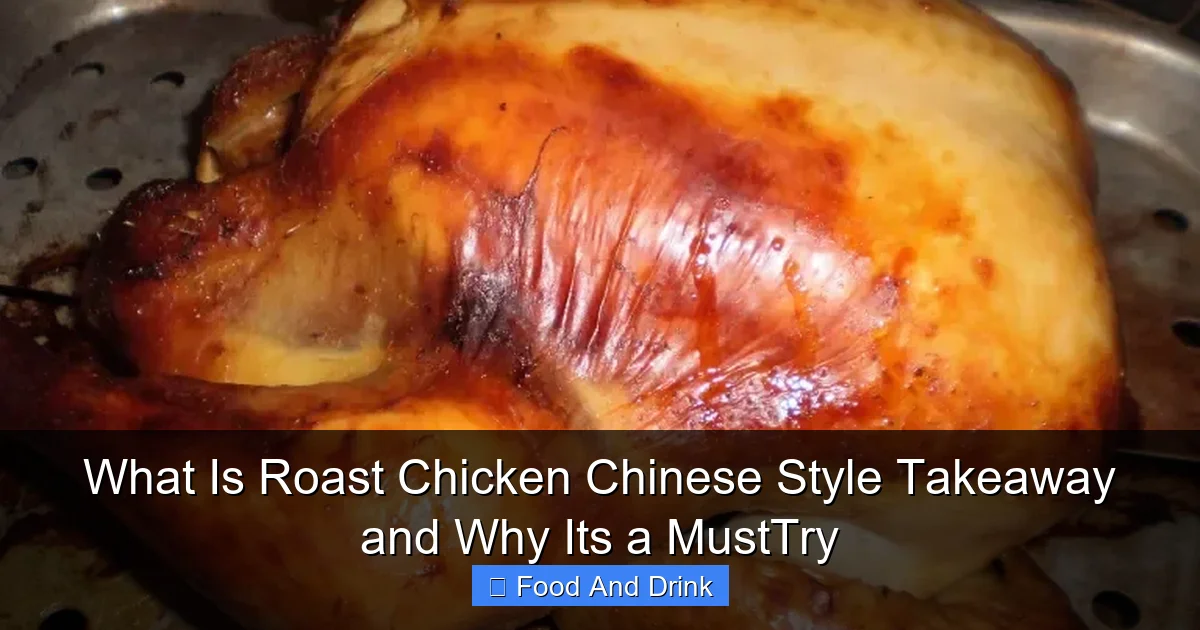
One of the hallmarks of Chinese style roast chicken is its visual appeal. The skin is often brushed with a glaze made from reduced marinade, soy sauce, and sometimes red fermented bean curd, giving it that deep red or amber hue. This isn’t just for looks—it adds a rich, slightly sweet depth that enhances every bite. You’ll often see these chickens hanging in the windows of Chinese takeaways, rotating slowly under heat lamps, their skins glistening under the light. It’s a sight that’s hard to resist, and for good reason.
How It Differs from Other Roast Chickens
While roast chicken is a universal comfort food, Chinese style roast chicken stands out for its unique preparation and flavor. Unlike American rotisserie chicken, which is often seasoned simply with salt, pepper, and herbs, or French poulet rôti, which might use butter and thyme, Chinese roast chicken leans heavily on umami-rich ingredients and aromatic spices.
The use of five-spice powder is a game-changer. This blend—typically made from star anise, cloves, Chinese cinnamon, Sichuan pepper, and fennel seeds—adds warmth, sweetness, and a subtle licorice note that’s unmistakably Chinese. Combined with soy sauce for saltiness, ginger for heat, and garlic for depth, the marinade creates a balanced, layered taste that lingers on the palate.
Another key difference is the roasting method. Many Chinese takeaways use vertical rotisserie ovens, where chickens are skewered and rotated slowly over open flames or heating elements. This allows for even cooking and helps render the fat while keeping the meat moist. The constant rotation also ensures the skin crisps up uniformly, creating that perfect crunch with every bite.
Why It’s a Takeaway Favorite
There’s a reason roast chicken Chinese style is a staple at takeaways. It’s convenient, delicious, and satisfying. Unlike dishes that require last-minute assembly or complex sauces, this chicken is ready to eat straight from the oven. It’s often sold by the half or whole bird, making it perfect for sharing or meal prepping. Plus, it travels well—whether you’re picking it up on your way home or ordering delivery, it arrives hot, fragrant, and ready to enjoy.
Many people also appreciate that it’s a relatively healthy option. While it’s not low-calorie, it’s typically not deep-fried like sweet and sour chicken or General Tso’s. The roasting process allows excess fat to drip away, and the skin, while indulgent, is often eaten in moderation. Paired with steamed rice and stir-fried vegetables, it makes a balanced, filling meal.
The Secret Behind the Flavor: Marinades and Seasonings
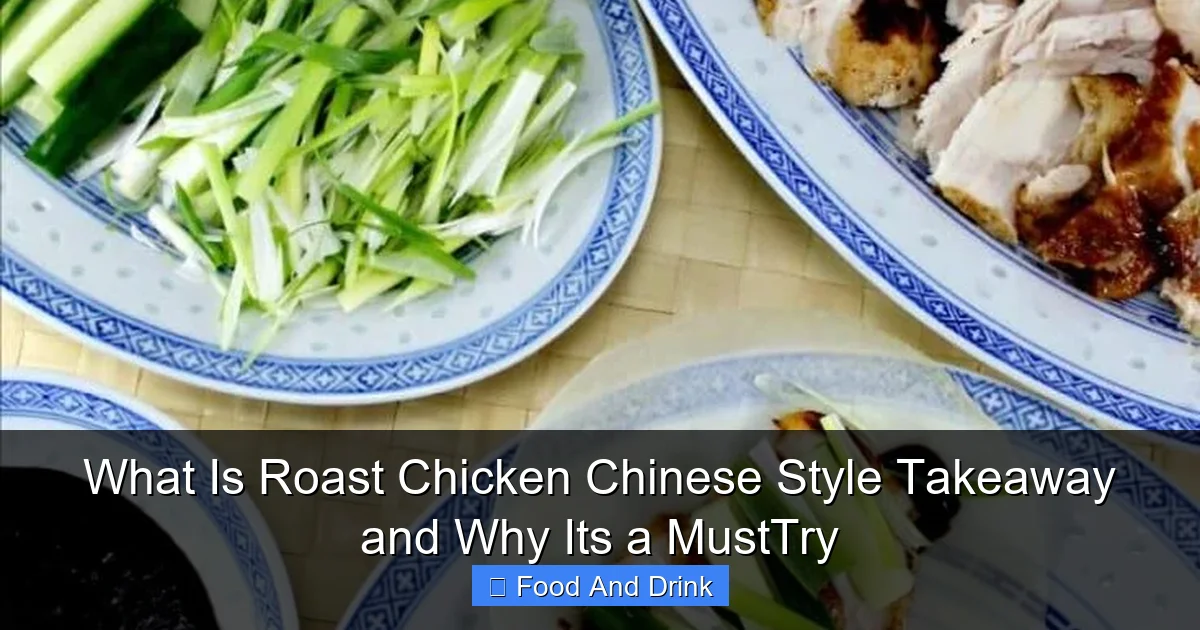
Visual guide about What Is Roast Chicken Chinese Style Takeaway and Why Its a MustTry
Image source: lovefoodies.com
The magic of roast chicken Chinese style lies in its marinade. This isn’t just a quick soak—it’s a carefully crafted blend of ingredients that work together to transform a simple chicken into a flavor bomb. Let’s break down the key components that make this dish so irresistible.
Soy Sauce: The Umami Foundation
Soy sauce is the backbone of the marinade. It provides saltiness, depth, and that rich, savory umami flavor that makes the chicken so addictive. Dark soy sauce is often used for its deeper color and slightly sweeter taste, while light soy sauce adds saltiness without overpowering. Some recipes also use a combination of both to achieve the perfect balance.
But soy sauce isn’t just for flavor—it also helps tenderize the meat. The salt in soy sauce breaks down proteins, allowing the chicken to absorb more moisture and stay juicy during roasting. This is especially important for the breast meat, which can dry out easily.
Five-Spice Powder: The Aromatic Heart
If soy sauce is the foundation, five-spice powder is the soul of the dish. This blend of five key spices—star anise, cloves, Chinese cinnamon, Sichuan pepper, and fennel seeds—creates a complex, warming aroma that’s both sweet and slightly peppery. Each spice plays a role: star anise adds licorice-like sweetness, cloves bring warmth, cinnamon offers a woody note, Sichuan pepper gives a tingling sensation, and fennel adds a mild anise flavor.
When combined, these spices create a flavor profile that’s uniquely Chinese. It’s not overpowering, but it’s unmistakable. A little goes a long way—just a teaspoon or two in the marinade can transform the entire dish.
Garlic and Ginger: The Aromatic Duo
Garlic and ginger are essential in Chinese cooking, and they play a crucial role in roast chicken. Freshly minced garlic adds a pungent, savory kick, while ginger brings a bright, slightly spicy heat. Together, they cut through the richness of the soy sauce and fat, balancing the flavors and adding depth.
Some recipes also call for scallions or green onions, which add a fresh, oniony note. These aromatics are often mixed into the marinade or stuffed inside the cavity of the chicken to infuse the meat from the inside out.
Sweeteners: Honey, Rock Sugar, and More
Sweetness is a key component of Chinese roast chicken. It’s not overly sweet like a dessert, but just enough to balance the saltiness of the soy sauce and the heat of the spices. Honey is a common choice—it caramelizes beautifully during roasting, helping to create that glossy, crackling skin. Rock sugar, a traditional Chinese sweetener, is also popular. It dissolves slowly and adds a clean, subtle sweetness without overwhelming the other flavors.
Some recipes use hoisin sauce, which is made from fermented soybeans, garlic, vinegar, and sugar. It adds a thick, sticky glaze and a rich, molasses-like flavor. Others might use a splash of rice wine or Shaoxing wine, which adds complexity and helps tenderize the meat.
The Marinating Process
For the best results, the chicken should be marinated for at least 4 to 6 hours, though overnight is ideal. The longer it marinates, the more flavor it absorbs. Some chefs even recommend scoring the skin lightly with a knife to allow the marinade to penetrate deeper.
After marinating, the chicken is often patted dry before roasting. This helps the skin crisp up—moisture is the enemy of crispy skin. Some recipes also call for air-drying the chicken in the refrigerator for a few hours before cooking, which further enhances crispiness.
Cooking Methods: How It’s Roasted to Perfection

Visual guide about What Is Roast Chicken Chinese Style Takeaway and Why Its a MustTry
Image source: lovefoodies.com
The way roast chicken Chinese style is cooked is just as important as the marinade. The goal is to achieve a perfect balance: crispy, golden skin on the outside and tender, juicy meat on the inside. Let’s explore the traditional and modern methods used to achieve this.
Vertical Rotisserie Roasting
The most common method used in Chinese takeaways is vertical rotisserie roasting. In this setup, whole chickens are skewered on vertical spits and rotated slowly in front of heating elements or open flames. This allows the heat to circulate evenly around the bird, cooking it uniformly.
One of the biggest advantages of this method is that the fat drips away as the chicken cooks, preventing it from becoming greasy. The constant rotation also ensures that the skin crisps up evenly, without any burnt spots. The result is a bird that’s golden brown all over, with a skin that crackles when you bite into it.
Many takeaways use gas-powered rotisseries, but some traditional shops still use charcoal or wood-fired ovens. These add a subtle smoky flavor that enhances the overall taste. The aroma of roasting chicken wafting from a takeaway window is often enough to make your mouth water.
Oven Roasting at Home
While rotisserie ovens are ideal, you can still achieve great results at home using a conventional oven. Preheat your oven to around 375°F (190°C). Place the marinated chicken on a wire rack set over a baking tray—this allows hot air to circulate underneath and helps crisp the skin.
Roast the chicken for about 1 to 1.5 hours, depending on size, basting occasionally with the leftover marinade or a glaze. For extra crispiness, you can crank up the heat to 425°F (220°C) for the last 10–15 minutes. This mimics the high-heat finish of a rotisserie oven.
Some home cooks also use a blowtorch to crisp up the skin at the end—just be careful not to burn it! Another trick is to place a pan of water in the oven to create steam, which helps keep the meat moist during the initial cooking phase.
Air Fryer Option
For a quicker, healthier option, try roasting Chinese style chicken in an air fryer. Preheat the air fryer to 375°F (190°C). Cook the chicken for about 30–40 minutes, flipping halfway through. The circulating hot air crisps the skin beautifully, and the cooking time is significantly shorter than oven roasting.
This method is great for smaller portions or chicken pieces. Just make sure not to overcrowd the basket, as this can prevent even cooking.
Serving Suggestions and Pairings
Visual guide about What Is Roast Chicken Chinese Style Takeaway and Why Its a MustTry
Image source: img.sndimg.com
Roast chicken Chinese style is delicious on its own, but it truly shines when paired with the right sides and sauces. Here’s how to build a complete, satisfying meal.
Classic Pairings
The most traditional way to enjoy this chicken is with steamed jasmine rice. The fluffy, fragrant rice soaks up the juices and balances the rich flavors. Stir-fried vegetables like bok choy, broccoli, or Chinese broccoli (gai lan) add freshness and crunch. A simple soy-ginger sauce or oyster sauce enhances the vegetables without overpowering the chicken.
Noodles are another popular option. Try serving the chicken over crispy egg noodles or soft rice noodles, tossed with a light soy-based sauce and scallions. For a heartier meal, pair it with fried rice—leftover roast chicken makes an excellent addition to fried rice, adding flavor and protein.
Dipping Sauces
No Chinese takeaway meal is complete without dipping sauces. Hoisin sauce is a classic choice—its thick, sweet, and salty flavor complements the chicken perfectly. Chili oil or Sriracha adds heat for those who like a kick. A simple ginger-scallion sauce—made with minced ginger, chopped scallions, soy sauce, and a splash of oil—offers a fresh, aromatic alternative.
Some takeaways also offer plum sauce or sweet and sour sauce, though these are less traditional with roast chicken. Still, they can be a fun way to mix things up.
Modern Twists
While traditional pairings are always a hit, don’t be afraid to get creative. Try serving the chicken in a lettuce wrap with cucumber, carrot, and hoisin sauce for a low-carb option. Or shred the meat and use it in tacos with pickled vegetables and chili sauce—a fusion favorite.
For a quick lunch, slice the chicken and add it to a grain bowl with quinoa, edamame, shredded cabbage, and a sesame dressing. The possibilities are endless!
Why It’s a Must-Try Experience
So, why should you try roast chicken Chinese style takeaway? It’s more than just a meal—it’s a culinary adventure. Here’s why it deserves a spot on your must-try list.
Flavor That Packs a Punch
This dish delivers bold, complex flavors in every bite. The combination of sweet, salty, savory, and spicy creates a taste experience that’s hard to forget. It’s not just about one dominant flavor—it’s the harmony of all the elements working together.
Texture That Delights
The contrast between the crispy skin and tender meat is what makes this dish so satisfying. That first crunch gives way to juicy, flavorful meat, creating a mouthfeel that’s both indulgent and comforting.
Cultural Connection
Trying roast chicken Chinese style is also a way to connect with Chinese culinary traditions. It’s a dish that’s been perfected over generations, often served during festivals, family gatherings, and celebrations. By enjoying it, you’re not just eating—you’re participating in a rich cultural heritage.
Convenience Meets Quality
In a world where fast food often sacrifices flavor for speed, this dish proves that convenience doesn’t have to mean compromise. It’s ready in minutes, travels well, and tastes like it was made with care.
Affordable Indulgence
Compared to other takeaway options, roast chicken Chinese style offers great value. A whole bird can feed a family of four, and leftovers make excellent lunches or snacks. It’s a budget-friendly way to enjoy restaurant-quality food at home.
Tips for Ordering the Best Roast Chicken Chinese Style
Not all takeaways are created equal. Here are some tips to help you find the best roast chicken Chinese style in your area.
Look for the Glow
When you walk into a Chinese takeaway, take a look at the chickens in the window. The best ones will have a glossy, deep red or amber skin—this indicates a good glaze and proper roasting. Avoid chickens that look dry, pale, or overly greasy.
Ask About the Marinade
Don’t be shy to ask what’s in the marinade. A good takeaway will use fresh ingredients and a balanced blend of soy sauce, five-spice, and aromatics. If they’re vague or say it’s “just soy sauce and salt,” keep looking.
Check the Texture
When you get your order, check the skin. It should be crisp and crackling, not soggy or rubbery. The meat should be juicy and easy to pull away from the bone. If it’s dry or tough, the chicken was likely overcooked.
Go for the Dark Meat
If you’re choosing pieces, opt for thighs and drumsticks. Dark meat is more forgiving and stays juicier during roasting. Breast meat can dry out if not cooked carefully.
Try the Sauce
Don’t skip the dipping sauces! A good hoisin or chili oil can elevate the entire meal. Some takeaways even offer house-made sauces that are worth trying.
Conclusion: A Dish Worth Savoring
Roast chicken Chinese style takeaway is more than just a meal—it’s a flavorful, satisfying experience that brings together tradition, convenience, and bold taste. From its aromatic marinade to its crispy skin and juicy meat, every element is designed to delight. Whether you’re a longtime fan of Chinese food or trying it for the first time, this dish is a must-try.
So next time you’re craving something hearty, flavorful, and comforting, skip the usual suspects and order a roast chicken Chinese style. Pair it with rice, veggies, and your favorite sauce, and savor every bite. You might just find your new favorite takeaway.
Frequently Asked Questions
What is five-spice powder?
Five-spice powder is a blend of five key Chinese spices: star anise, cloves, Chinese cinnamon, Sichuan pepper, and fennel seeds. It adds warmth, sweetness, and complexity to dishes like roast chicken.
Can I use chicken pieces instead of a whole chicken?
Yes, chicken thighs, drumsticks, or breasts work well. Adjust cooking time—smaller pieces cook faster. Marinate for at least 4 hours for best flavor.
How long does leftover roast chicken last?
Store in an airtight container in the fridge for up to 3–4 days. Reheat in the oven or air fryer to restore crispiness. It’s great in fried rice or salads.
Is Chinese style roast chicken spicy?
Not typically. The heat comes from ginger and optional chili sauces, but the dish itself is mild. You can add spice with chili oil or Sriracha if desired.
What’s the best way to reheat it?
For crispy skin, reheat in a 375°F oven or air fryer for 10–15 minutes. Avoid the microwave, as it can make the skin soggy.
Where did roast chicken Chinese style originate?
It originated in Cantonese cuisine, particularly in Guangdong province, and has become a global favorite in Chinese takeaways and restaurants worldwide.