
Roast chicken itself isn’t toxic to dogs, but the way it’s prepared—especially if it’s fatty, seasoned, or served with skin—can trigger pancreatitis. This serious condition causes inflammation of the pancreas and requires immediate veterinary care. Understanding what makes roast chicken risky and how to feed it safely can help keep your dog healthy and happy.
Key Takeaways
- Roast chicken can cause pancreatitis in dogs if it’s high in fat or seasoned with harmful ingredients. The pancreas reacts to fatty foods by overworking, which can lead to dangerous inflammation.
- Pancreatitis symptoms include vomiting, abdominal pain, lethargy, and loss of appetite. If your dog shows these signs after eating roast chicken, seek veterinary help immediately.
- Plain, boiled, skinless chicken breast is the safest way to feed chicken to dogs. Avoid bones, skin, fat trimmings, and any seasonings like garlic, onion, or salt.
- Even small amounts of fatty roast chicken can trigger pancreatitis in sensitive dogs. Breeds like Miniature Schnauzers, Yorkshire Terriers, and Cocker Spaniels are especially prone.
- Prevention is key: stick to dog-safe foods and avoid table scraps. A balanced, low-fat diet reduces the risk of pancreatitis and supports long-term digestive health.
- Always consult your vet before introducing new foods. Your veterinarian can help determine what’s safe based on your dog’s age, weight, and health history.
- Emergency signs require urgent care. If your dog collapses, has a distended belly, or shows severe discomfort, go to the vet right away.
Quick Answers to Common Questions
Can a small piece of roast chicken hurt my dog?
It depends on the size of your dog, the amount eaten, and how the chicken was prepared. A tiny piece of plain, skinless roast chicken is unlikely to cause harm, but fatty or seasoned pieces can trigger pancreatitis, especially in sensitive dogs.
How long after eating fatty food do pancreatitis symptoms appear?
Symptoms of pancreatitis can appear within 24 to 48 hours after eating a high-fat meal. Some dogs may show signs as early as a few hours, while others take longer.
Is boiled chicken safe for dogs with pancreatitis?
Yes, plain, boiled, skinless chicken breast is often recommended as part of a bland diet for dogs recovering from pancreatitis. It’s low in fat and easy to digest when prepared without seasoning or skin.
Can I give my dog chicken broth?
Only if it’s homemade and free of onions, garlic, salt, and other seasonings. Store-bought broths often contain harmful ingredients. Always check labels or make your own with plain, boiled chicken and water.
What should I do if my dog eats a chicken bone?
Contact your veterinarian immediately. Cooked chicken bones can splinter and cause choking, internal injuries, or blockages. Monitor for symptoms like vomiting, drooling, or abdominal pain and seek emergency care if needed.
📑 Table of Contents
Can Roast Chicken Cause Pancreatitis in Dogs?
If you’ve ever shared a piece of roast chicken with your dog, you’re not alone. Many pet owners enjoy giving their furry friends small tastes of human food, especially when it comes to something as delicious and protein-rich as chicken. But while chicken itself is a healthy, lean protein source for dogs, the way it’s prepared—particularly when roasted—can pose serious health risks. One of the most concerning is pancreatitis, a painful and potentially life-threatening condition.
So, can roast chicken cause pancreatitis in dogs? The short answer is yes—under certain conditions. It’s not the chicken itself that’s the problem, but rather the fat content, seasonings, and cooking methods used in roasting. When dogs consume high-fat foods like fatty cuts of meat, skin-on chicken, or drippings from a roast, their pancreas can become overstimulated. This leads to inflammation, a condition known as pancreatitis. And once it starts, it can escalate quickly, requiring emergency veterinary treatment.
Understanding the link between roast chicken and pancreatitis is crucial for every dog owner. This article will explore what pancreatitis is, why roast chicken can be a trigger, how to recognize the symptoms, and—most importantly—how to safely include chicken in your dog’s diet without risking their health. Whether you’re a seasoned pet parent or new to dog ownership, knowing how to navigate human foods like roast chicken can make a big difference in your dog’s well-being.
What Is Pancreatitis in Dogs?

Visual guide about Can Roast Chicken Cause Pancreatitis in Dogs
Image source: cychicken.com
Pancreatitis is the inflammation of the pancreas, a small but vital organ located near the stomach and small intestine. The pancreas has two main jobs: producing digestive enzymes that help break down food and releasing hormones like insulin to regulate blood sugar. When the pancreas becomes inflamed, these enzymes can activate prematurely—inside the pancreas itself—instead of in the intestines. This causes the organ to essentially “digest itself,” leading to pain, tissue damage, and potentially severe complications.
In dogs, pancreatitis can range from mild to life-threatening. Acute pancreatitis comes on suddenly and can be triggered by a single high-fat meal, while chronic pancreatitis involves ongoing, low-grade inflammation that may flare up periodically. Both forms are painful and require veterinary attention.
Common Causes of Pancreatitis in Dogs
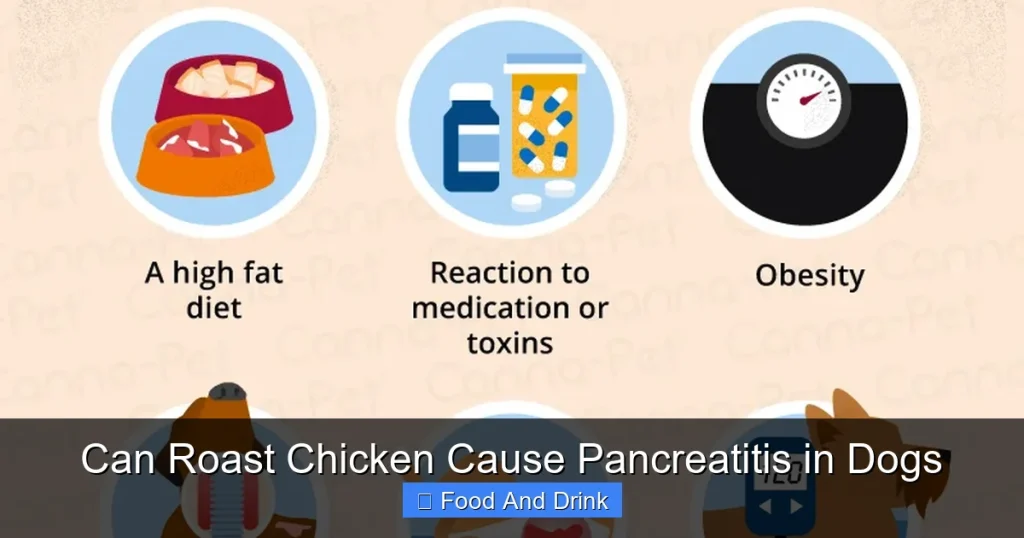
While the exact cause of pancreatitis isn’t always clear, several risk factors are well-documented. The most common trigger is dietary indiscretion—eating something inappropriate, especially high-fat foods. This includes table scraps, fatty meats, greasy leftovers, and even dog food that’s too rich in fat. Other contributing factors include obesity, certain medications, hormonal imbalances, and underlying health conditions like diabetes or Cushing’s disease.
Interestingly, even dogs who’ve never had pancreatitis before can develop it after just one fatty meal. That’s why it’s so important to be cautious about what you feed your dog, especially during holidays or family gatherings when rich foods are more common.
Symptoms to Watch For
Pancreatitis symptoms can be subtle at first, which makes early detection challenging. Common signs include:
- Vomiting (sometimes with bile or foam)
- Lethargy or reluctance to move
- Loss of appetite or refusal to eat
- Abdominal pain (your dog may hunch their back, whine, or avoid being touched in the belly area)
- Diarrhea or soft stools
- Dehydration (dry nose, sunken eyes, or poor skin elasticity)
- Fever or low body temperature
In severe cases, dogs may develop a “prayer position”—crouching with their front legs stretched out and chest lowered to the ground—as a way to relieve abdominal discomfort. If you notice any of these symptoms, especially after your dog has eaten something fatty like roast chicken, contact your veterinarian immediately.
Why Roast Chicken Can Be Dangerous for Dogs

Visual guide about Can Roast Chicken Cause Pancreatitis in Dogs
Image source: i0.wp.com
At first glance, roast chicken might seem like a harmless treat. After all, it’s just cooked chicken, right? But the reality is more complicated. The danger lies not in the chicken itself, but in how it’s prepared and what comes with it.
High Fat Content
Roast chicken, especially when cooked with the skin on, is significantly higher in fat than plain, boiled chicken breast. The skin and underlying fat layers are loaded with triglycerides, which are difficult for dogs to digest. When a dog eats a large amount of fat at once, the pancreas goes into overdrive to produce digestive enzymes. This sudden surge can cause the enzymes to activate too early, leading to inflammation.
Even small amounts of fat can be problematic for dogs with a history of pancreatitis or those predisposed to the condition. For example, a dog that eats a few pieces of skin or a bite of dark meat from a roast could be at risk, especially if they’re not used to fatty foods.
Seasonings and Additives
Many roast chicken recipes include seasonings like garlic, onion, salt, butter, or herbs. While these may enhance flavor for humans, they can be toxic or irritating to dogs. Garlic and onion, in particular, are known to cause hemolytic anemia in dogs—a condition where red blood cells are destroyed. Even small amounts can be harmful over time.
Salt is another concern. Excess sodium can lead to dehydration, increased thirst, and in severe cases, sodium ion poisoning. Butter and oil used in roasting add unnecessary fat and calories, further increasing the risk of pancreatitis.
Bones and Choking Hazards
Cooked chicken bones are especially dangerous. Unlike raw bones, which are softer and more pliable, cooked bones become brittle and can splinter when chewed. These sharp fragments can cause choking, internal injuries, or blockages in the digestive tract. Even if your dog doesn’t show immediate symptoms, a bone fragment could cause a slow, painful obstruction that requires surgery.
Portion Size Matters
Even if the roast chicken is plain and boneless, the portion size still matters. A small piece might be safe for a large dog, but the same amount could be too much fat for a small or sensitive dog. Overfeeding any rich food—even healthy ones—can overwhelm a dog’s digestive system.
Which Dogs Are Most at Risk?

Visual guide about Can Roast Chicken Cause Pancreatitis in Dogs
Image source: caninejournal.com
While any dog can develop pancreatitis, certain breeds and individuals are more susceptible. Understanding your dog’s risk factors can help you make safer feeding choices.
High-Risk Breeds
Some dog breeds have a genetic predisposition to pancreatitis. These include:
- Miniature Schnauzers: This breed is especially prone to high triglyceride levels, which directly increase pancreatitis risk.
- Yorkshire Terriers: Small dogs with sensitive digestive systems may react strongly to fatty foods.
- Cocker Spaniels: Known for digestive issues, including pancreatitis and inflammatory bowel disease.
- Labrador Retrievers: Prone to obesity, which is a major risk factor for pancreatitis.
- Dachshunds: Their unique body shape and metabolism may make them more vulnerable.
Even if your dog isn’t one of these breeds, individual factors like age, weight, and overall health play a role. Older dogs, overweight dogs, and those with pre-existing conditions like diabetes or hypothyroidism are at higher risk.
Obesity and Diet
Obesity is one of the strongest predictors of pancreatitis in dogs. Overweight dogs have more fat tissue, which can contribute to chronic low-grade inflammation and make the pancreas more reactive to dietary fat. Feeding a high-fat diet—even if it’s “dog food”—can exacerbate this risk.
Conversely, dogs who are underweight or have recently lost weight may also be more sensitive to sudden dietary changes. Introducing rich foods like roast chicken too quickly can shock their system.
How to Safely Feed Chicken to Dogs
The good news is that chicken can still be a healthy part of your dog’s diet—if prepared and served correctly. With a few simple guidelines, you can enjoy sharing this protein-rich food without risking pancreatitis.
Choose the Right Cut
Opt for lean, skinless chicken breast whenever possible. Dark meat (like thighs and drumsticks) contains more fat, so it should be avoided or given only in very small amounts. Remove all visible fat and skin before cooking.
Cook It Plain
Boiling, steaming, or baking chicken without any added oils, seasonings, or sauces is the safest method. Avoid frying or roasting with butter, oil, or spices. Plain, unseasoned chicken is easy on your dog’s digestive system and minimizes the risk of irritation.
Portion Control
Chicken should only be given as a treat or supplement, not a main meal—unless recommended by your vet. A general rule is that treats should make up no more than 10% of your dog’s daily caloric intake. For most dogs, a few small pieces of cooked chicken breast are plenty.
Avoid Bones at All Costs
Never give your dog cooked chicken bones. If you want to offer a chew, choose vet-approved, rawhide-free alternatives designed for dogs. Raw bones are sometimes recommended by raw feeders, but they come with their own risks (like bacterial contamination), so consult your vet first.
Introduce Gradually
If your dog has never eaten chicken before, start with a tiny amount and monitor for any signs of digestive upset. Some dogs may be sensitive to new proteins, even if they’re healthy.
Use as a Training Treat or Meal Topper
Shredded, boiled chicken can be a great low-fat training reward or a tasty topper for kibble. It adds flavor and moisture, encouraging picky eaters to finish their meals. Just be sure to adjust the rest of the meal to account for the extra calories.
What to Do If Your Dog Eats Roast Chicken
Accidents happen. If your dog sneaks a bite of roast chicken—or you’ve given them a piece without realizing the risks—don’t panic. But do take action.
Assess the Amount and Ingredients
Consider how much your dog ate and what was in the chicken. Did it have skin? Was it seasoned with garlic or onion? Were there bones? The more fat and harmful ingredients, the higher the risk.
Monitor for Symptoms
Watch your dog closely over the next 24–48 hours. Look for signs of pancreatitis like vomiting, lethargy, or abdominal pain. Even if they seem fine at first, symptoms can develop slowly.
Withhold Food Temporarily
If your dog ate a large amount of fatty chicken, your vet may recommend fasting for 12–24 hours to give the pancreas a rest. Always consult your veterinarian before withholding food, especially for puppies, small dogs, or dogs with health conditions.
Offer Water and Bland Food
After fasting, reintroduce food gradually with a bland diet. Boiled, skinless chicken breast and plain white rice are a classic combo. Feed small, frequent meals for a few days.
Contact Your Veterinarian
If your dog shows any signs of illness—especially vomiting, pain, or lethargy—call your vet right away. Early treatment improves outcomes and can prevent complications.
Prevention: Keeping Your Dog Safe
The best way to protect your dog from pancreatitis is through prevention. A few simple habits can go a long way.
Stick to Dog-Safe Foods
Avoid giving table scraps, especially fatty or seasoned foods. Train family members and guests not to feed your dog from the table. Use dog-safe treats instead.
Choose High-Quality Dog Food
Feed a balanced, low-fat diet appropriate for your dog’s age, size, and activity level. Look for foods with named protein sources (like “chicken meal” or “salmon”) and limited fillers.
Maintain a Healthy Weight
Regular exercise and portion control help prevent obesity, a major risk factor for pancreatitis. Use a body condition score chart to monitor your dog’s weight.
Regular Vet Checkups
Annual or biannual vet visits can catch early signs of health issues, including elevated triglycerides or pancreatic enzyme imbalances.
Educate Yourself
Stay informed about foods that are safe or dangerous for dogs. Resources like the ASPCA’s Animal Poison Control Center or your veterinarian can provide reliable guidance.
Conclusion
So, can roast chicken cause pancreatitis in dogs? Yes—but only when it’s high in fat, seasoned with harmful ingredients, or fed in large amounts. The good news is that with proper preparation and portion control, chicken can still be a healthy, enjoyable part of your dog’s diet.
The key is to avoid the pitfalls of roasting: skin, fat, bones, and seasonings. Instead, opt for plain, boiled, skinless chicken breast in small portions. Always monitor your dog for any signs of digestive upset, and consult your veterinarian if you’re unsure.
Pancreatitis is a serious condition, but it’s also preventable. By making informed choices about what you feed your dog, you can protect their pancreas, support their digestive health, and enjoy many happy, healthy years together. Remember: when it comes to sharing food with your dog, less is often more—and safety always comes first.
Frequently Asked Questions
Is all chicken bad for dogs with pancreatitis?
No, not all chicken is bad. Plain, boiled, skinless chicken breast is actually recommended for dogs recovering from pancreatitis because it’s lean and easy to digest. The key is avoiding fat, skin, and seasonings.
Can puppies eat roast chicken?
Puppies have sensitive digestive systems and are at higher risk for pancreatitis. It’s best to avoid roast chicken entirely and stick to puppy-specific, low-fat foods. If you want to give chicken, use plain, boiled breast in very small amounts.
How much chicken can I safely give my dog?
Chicken should be limited to no more than 10% of your dog’s daily caloric intake. For most dogs, a few small pieces of cooked chicken breast are enough as a treat or meal topper.
Are there dog-safe seasonings for chicken?
Most human seasonings are not safe for dogs. Avoid garlic, onion, salt, and spices. If you want to add flavor, a tiny pinch of parsley or turmeric (in moderation) may be safe, but always check with your vet first.
Can pancreatitis be cured?
Acute pancreatitis can often be managed with prompt veterinary care, including fasting, IV fluids, and medications. Chronic pancreatitis may require ongoing dietary management and monitoring, but many dogs live full, happy lives with proper care.
What dog foods are best for preventing pancreatitis?
Look for high-quality, low-fat dog foods with named protein sources and minimal fillers. Prescription diets designed for sensitive stomachs or pancreatitis prevention are also available through your veterinarian.