Grilled chicken and blackened chicken may both start with the same protein, but they end up tasting worlds apart. The main differences lie in cooking technique, seasoning, and final texture—grilled chicken is smoky and charred from open flames, while blackened chicken is bold, spicy, and seared in a hot skillet with a Cajun-inspired crust.
Key Takeaways
- Cooking Method: Grilled chicken is cooked over direct heat on a grill, while blackened chicken is pan-seared in a very hot cast-iron skillet.
- Flavor Profile: Grilled chicken has a smoky, charred flavor; blackened chicken delivers a spicy, peppery, and slightly smoky taste from a bold dry rub.
- Seasoning: Grilled chicken often uses simple marinades or light seasoning; blackened chicken relies on a heavy coating of Cajun or Creole spices.
- Texture: Grilled chicken tends to be juicier with a softer exterior; blackened chicken has a crispy, caramelized crust.
- Origin: Grilling is a universal cooking method; blackening is a technique popularized in Louisiana Creole cuisine.
- Best Uses: Grilled chicken works well in salads, wraps, and light meals; blackened chicken shines in hearty dishes like jambalaya or over rice.
- Health Considerations: Both can be healthy, but blackened chicken may have more sodium due to spice blends; grilling allows for fat runoff.
Quick Answers to Common Questions
What is blackened chicken made of?
Blackened chicken is made by coating chicken in a spicy dry rub—usually a blend of paprika, cayenne, garlic powder, onion powder, thyme, oregano, salt, and pepper—then searing it in a very hot skillet until the outside is dark and crispy.
Is blackened chicken the same as grilled chicken?
No, blackened chicken and grilled chicken are different. Grilled chicken is cooked over an open flame and has a smoky flavor, while blackened chicken is pan-seared with a spicy crust and bold seasoning.
Can you blacken chicken on a grill?
Yes, you can blacken chicken on a grill by using a cast-iron skillet placed directly on the grates. This combines the high heat of blackening with the smoky flavor of grilling.
Is blackened chicken spicy?
Yes, blackened chicken is typically spicy due to the cayenne pepper and other hot spices in the rub. However, you can adjust the heat level by reducing or omitting the cayenne.
What does grilled chicken taste like?
Grilled chicken has a smoky, charred flavor with a tender interior. It’s often seasoned simply, allowing the natural taste of the meat to shine through.
📑 Table of Contents
What Is the Difference Between Grilled Chicken and Blackened Chicken?
If you’ve ever stood in front of a menu or stared into your fridge wondering how to cook chicken, you’ve probably come across both grilled and blackened chicken. At first glance, they might seem similar—both are flavorful, protein-packed, and delicious. But once you take a bite, the differences become clear. Grilled chicken offers a clean, smoky taste with a tender bite, while blackened chicken delivers a bold, spicy kick with a crispy, almost charred exterior.
So, what exactly sets them apart? It’s not just about the final taste—it’s about the entire cooking process, from seasoning to heat source. Grilled chicken is all about simplicity and natural flavor, often enhanced by a light marinade and the magic of an open flame. Blackened chicken, on the other hand, is a celebration of spice and technique, rooted in Louisiana Creole traditions and designed to deliver maximum flavor in every bite.
In this guide, we’ll break down the differences between grilled chicken and blackened chicken in detail. We’ll explore how they’re cooked, what makes their flavors unique, and when you might choose one over the other. Whether you’re planning a summer barbecue or a cozy weeknight dinner, understanding these two methods will help you cook chicken like a pro.
Understanding Grilled Chicken
Visual guide about What Is the Difference Between Grilled Chicken and Blackened Chicken
Image source: vindulge.com
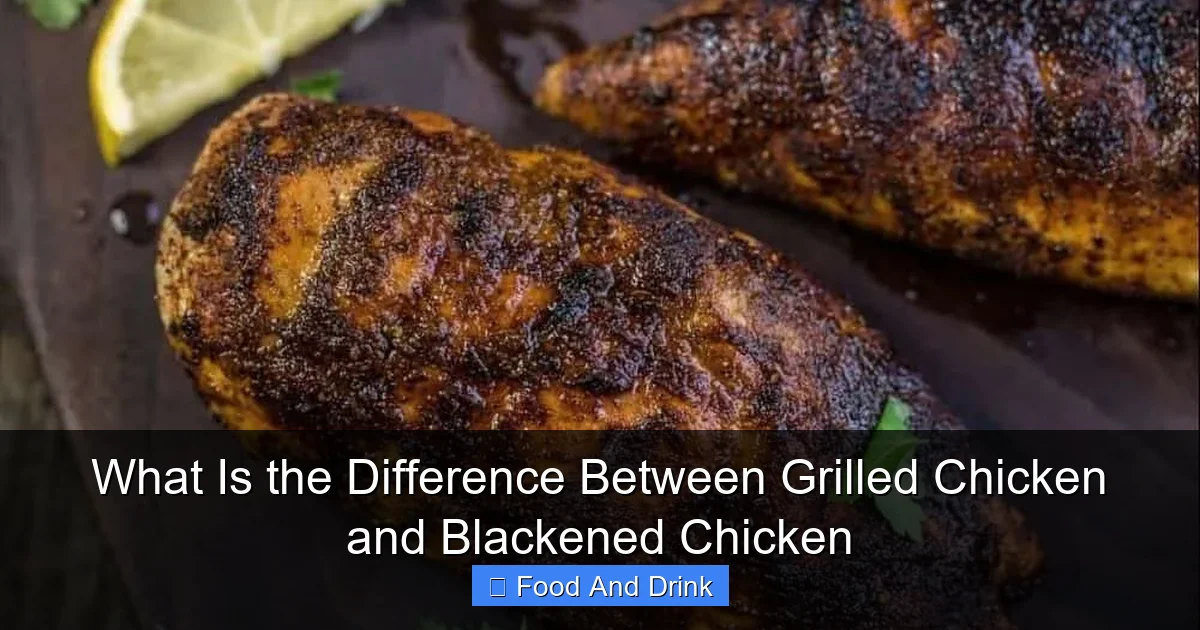
Grilled chicken is one of the most popular ways to cook poultry, and for good reason. It’s simple, healthy, and incredibly versatile. Whether you’re firing up a gas grill, lighting a charcoal fire, or using an indoor grill pan, the goal is the same: to cook the chicken over direct heat, giving it those iconic grill marks and a smoky flavor that’s hard to replicate.
How Grilled Chicken Is Cooked
Grilling involves cooking food over an open flame or hot surface. For chicken, this usually means placing seasoned or marinated pieces directly on the grates of a grill. The high heat sears the outside, locking in juices, while the inside cooks through gradually. The result is a piece of chicken that’s tender, slightly charred on the outside, and infused with that unmistakable smoky aroma.
You can grill chicken in several forms—boneless breasts, bone-in thighs, wings, or even whole chickens. Each cut benefits from the grilling process, though cooking times will vary. For example, chicken breasts cook faster than thighs, so you’ll need to monitor them closely to avoid drying out.
One of the biggest advantages of grilling is that it allows fat to drip away from the meat, making it a healthier option compared to frying. Plus, the high heat helps create a delicious Maillard reaction—the chemical process that gives grilled foods their rich, complex flavors.
Flavor Profile of Grilled Chicken
The flavor of grilled chicken depends heavily on how it’s seasoned and cooked. Many people opt for a simple marinade made with olive oil, lemon juice, garlic, and herbs like rosemary or thyme. This keeps the chicken moist and adds a bright, fresh taste that complements the smokiness of the grill.
Others prefer to season the chicken with just salt and pepper before grilling, letting the natural flavor of the meat shine. The grill itself contributes a lot to the final taste—charcoal grills, in particular, impart a deeper, more robust smokiness than gas grills.
The key to great grilled chicken is balance. You want enough char to add flavor, but not so much that it becomes bitter. Overcooked grilled chicken can become dry and tough, so timing and temperature control are crucial.
Best Practices for Perfect Grilled Chicken
To get the best results when grilling chicken, follow these tips:
– Preheat the grill: Always heat your grill to medium-high (around 375°F to 450°F) before adding the chicken. This ensures a good sear and prevents sticking.
– Use a meat thermometer: Chicken is safe to eat when it reaches an internal temperature of 165°F. Use a thermometer to check the thickest part of the meat, avoiding bones.
– Don’t flip too often: Let the chicken cook for a few minutes on each side to develop grill marks and flavor. Flipping too soon can tear the skin and dry out the meat.
– Rest the chicken: After grilling, let the chicken rest for 5 to 10 minutes. This allows the juices to redistribute, keeping the meat moist.
Grilled chicken is perfect for summer cookouts, meal prep, or adding protein to salads and grain bowls. Its mild flavor makes it a crowd-pleaser, and it pairs well with everything from fresh vegetables to creamy sauces.
Understanding Blackened Chicken
Visual guide about What Is the Difference Between Grilled Chicken and Blackened Chicken
Image source: i0.wp.com
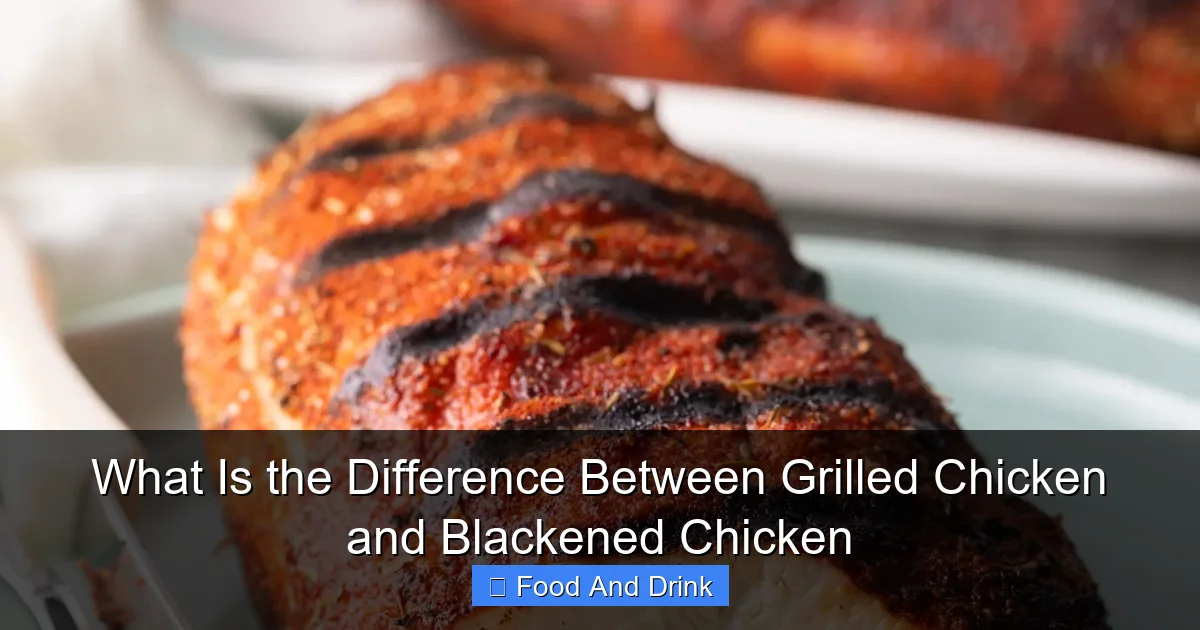
Blackened chicken is a bold, flavorful dish that packs a punch. Unlike grilled chicken, which relies on subtlety and smoke, blackened chicken is all about intensity. It’s cooked using a technique called “blackening,” which involves searing heavily spiced chicken in a scorching-hot skillet until the outside is dark, crispy, and almost charred.
How Blackened Chicken Is Cooked
Blackening is a dry-heat cooking method that requires a very hot pan—usually cast iron—and a generous coating of spice. The chicken is first dredged in a dry rub made from a blend of spices like paprika, cayenne pepper, garlic powder, onion powder, thyme, oregano, salt, and black pepper. This creates a thick, flavorful crust.
Once the pan is smoking hot, the chicken is placed in the skillet and cooked for just a few minutes on each side. The high heat causes the spices to caramelize and the surface of the chicken to darken dramatically—hence the name “blackened.” The result is a crispy, almost burnt-looking exterior that’s full of flavor, with a juicy, tender interior.
It’s important to note that blackening produces a lot of smoke, so it’s best done in a well-ventilated kitchen or with the exhaust fan on. Some people even choose to blacken chicken outdoors on a grill with a cast-iron skillet to avoid setting off smoke alarms.
Flavor Profile of Blackened Chicken
The flavor of blackened chicken is robust and complex. The spice rub delivers a warm, peppery heat with hints of smokiness from the paprika and a touch of earthiness from the herbs. The charred exterior adds a slightly bitter note that balances the saltiness and spice, creating a well-rounded taste.
Because the spices are applied in a thick layer, every bite is packed with flavor. Unlike grilled chicken, which can sometimes taste plain if not seasoned well, blackened chicken is never boring. It’s a dish that demands attention—perfect for those who love bold, spicy food.
The technique also enhances the natural juiciness of the chicken. The quick, high-heat sear locks in moisture, so even lean cuts like chicken breast stay tender.
Best Practices for Perfect Blackened Chicken
To master blackened chicken, keep these tips in mind:
– Use a cast-iron skillet: Cast iron retains heat well and gets extremely hot, which is essential for proper blackening.
– Don’t overcrowd the pan: Cook the chicken in batches if needed to ensure even cooking and a good crust.
– Ventilate your kitchen: Open windows, turn on the exhaust fan, or cook outside to manage the smoke.
– Watch the heat: The pan should be hot enough to sizzle immediately when the chicken touches it, but not so hot that the spices burn before the chicken cooks through.
– Let it rest: Like grilled chicken, blackened chicken benefits from a short rest after cooking to retain its juices.
Blackened chicken is ideal for dishes where you want a strong flavor presence—think Cajun-inspired meals, tacos, or served over creamy grits or rice. It’s a favorite in Southern and Creole cuisine and adds excitement to any plate.
Key Differences in Cooking Methods
Visual guide about What Is the Difference Between Grilled Chicken and Blackened Chicken
Image source: i.pinimg.com
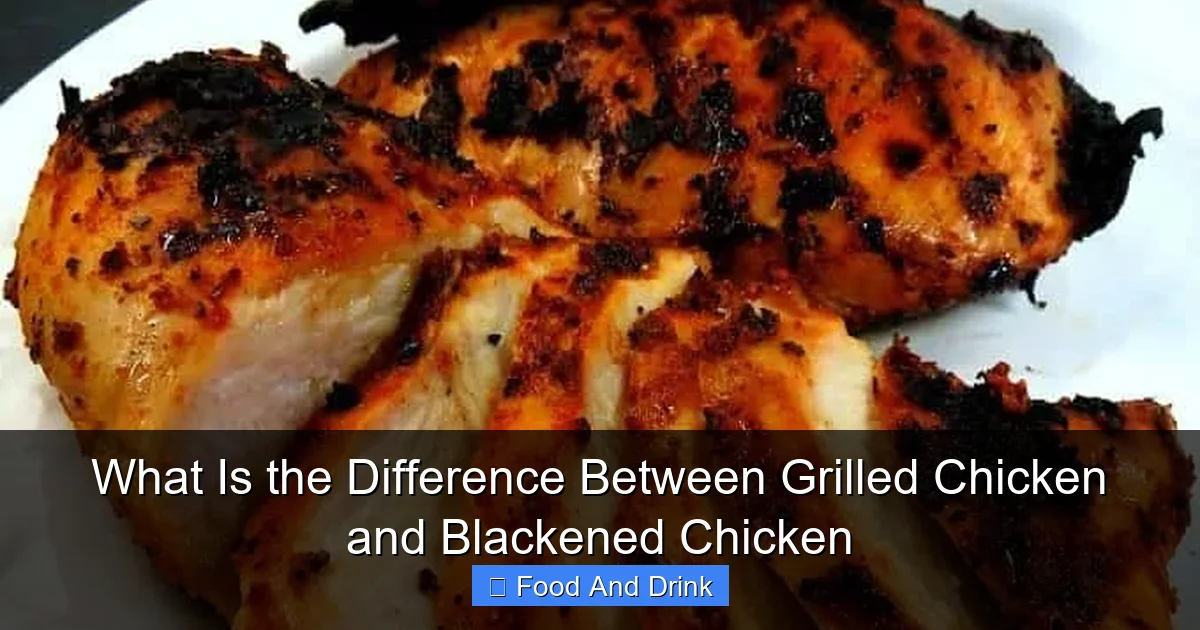
While both grilled and blackened chicken start with raw chicken, the way they’re cooked leads to very different outcomes. Understanding these differences can help you choose the right method for your meal.
Heat Source and Equipment
Grilled chicken is cooked over an open flame or hot grill grates. This can be a gas grill, charcoal grill, or even an electric indoor grill. The heat is indirect in some cases (like when using a lid), but generally, the chicken is exposed to radiant heat from below.
Blackened chicken, on the other hand, is cooked on the stovetop using a heavy-bottomed pan—preferably cast iron. The pan is heated until it’s smoking hot, then the chicken is seared directly in the dry pan. There’s no oil or liquid involved in the initial cooking, which allows the spices to form a crust.
Cooking Time and Temperature
Grilled chicken typically cooks at medium-high heat (around 375°F to 450°F) for 6 to 8 minutes per side, depending on thickness. The goal is to cook it through without drying it out.
Blackened chicken cooks much faster—usually just 3 to 4 minutes per side—because the pan is extremely hot (often over 500°F). The intense heat sears the outside quickly while keeping the inside moist.
Moisture and Fat
Grilling allows fat to drip away from the chicken, which can make it leaner. However, if the chicken isn’t marinated or brined, it can dry out.
Blackening doesn’t remove fat, but the quick cook time helps retain moisture. The spice crust also acts as a barrier, sealing in juices.
Smoke and Ventilation
Both methods produce smoke, but blackening tends to create more due to the high heat and spice combustion. Grilling smoke comes from dripping fat and wood chips (if used), while blackening smoke comes from burning spices.
For this reason, blackened chicken is often cooked with extra ventilation, while grilled chicken can be done outdoors with less concern.
Seasoning and Flavor Comparison
Seasoning is where grilled and blackened chicken truly diverge. While both can be delicious, their flavor profiles cater to different tastes.
Grilled Chicken Seasoning
Grilled chicken is often seasoned simply. A basic marinade might include olive oil, lemon juice, garlic, salt, and pepper. Herbs like rosemary, thyme, or oregano add depth without overwhelming the meat.
Some people use dry rubs, but they’re usually lighter than those used for blackening. The focus is on enhancing the natural flavor of the chicken, not masking it.
Blackened Chicken Seasoning
Blackened chicken relies on a heavy, spicy dry rub. A typical blend includes:
– Paprika (for color and mild sweetness)
– Cayenne pepper (for heat)
– Garlic powder and onion powder (for savory depth)
– Dried thyme and oregano (for earthiness)
– Salt and black pepper (for balance)
This rub is pressed firmly onto the chicken, creating a thick coating that transforms during cooking.
Taste Test: Which Is Better?
There’s no right or wrong answer—it depends on your preference. If you enjoy smoky, charred flavors with a clean taste, grilled chicken is your go-to. If you love bold, spicy, and complex flavors, blackened chicken will win you over.
Many people enjoy both, using grilled chicken for lighter meals and blackened chicken for hearty, flavorful dishes.
When to Use Grilled vs. Blackened Chicken
Choosing between grilled and blackened chicken often comes down to the occasion, meal type, and personal taste.
Best Uses for Grilled Chicken
– Summer barbecues and outdoor gatherings
– Healthy meal prep (salads, wraps, grain bowls)
– Light dinners with vegetables or pasta
– Kids’ meals (mild flavor, easy to eat)
– Low-fat, high-protein diets
Best Uses for Blackened Chicken
– Cajun or Creole-inspired dishes (jambalaya, gumbo)
– Spicy tacos or sandwiches
– Hearty meals over rice, grits, or mashed potatoes
– Dinner parties where you want to impress
– Cold weather meals that need warming spices
Can You Combine Both Methods?
Absolutely! Some chefs grill chicken first to add smokiness, then finish it in a hot pan with spices to create a hybrid dish. This gives you the best of both worlds—smoky flavor and a spicy crust.
Health and Nutrition Considerations
Both grilled and blackened chicken can be part of a healthy diet, but there are some differences to consider.
Calories and Fat
Grilled chicken is generally lower in calories and fat, especially if skinless and cooked without added oil. The grilling process allows fat to drip away.
Blackened chicken may have slightly more calories if oil is used to prevent sticking, but the difference is usually minimal. The main concern is sodium—many commercial spice blends are high in salt.
Sodium Content
Pre-made Cajun seasoning blends can contain a lot of sodium. To reduce salt, make your own blend at home using low-sodium ingredients.
Char and Health Risks
Both methods can produce char, which contains compounds like polycyclic aromatic hydrocarbons (PAHs) and heterocyclic amines (HCAs). These are linked to health risks when consumed in large amounts.
To minimize risk:
– Avoid excessive charring
– Trim visible fat to reduce flare-ups
– Use marinades with antioxidants (like lemon or vinegar)
– Don’t eat the blackened bits
Conclusion
Grilled chicken and blackened chicken may start with the same ingredient, but they end up as two very different dishes. Grilled chicken is all about simplicity, smokiness, and natural flavor, while blackened chicken delivers bold spice, a crispy crust, and intense taste.
The choice between them depends on your mood, meal plan, and taste preferences. Grilled chicken is perfect for light, healthy meals and outdoor cooking, while blackened chicken brings excitement and heat to the table.
By understanding the differences in cooking method, seasoning, and flavor, you can choose the right technique for any occasion. And why not try both? With a little practice, you’ll be able to cook chicken that’s not just tasty—but truly memorable.
🎥 Related Video: Easy Cast Iron Blackened Chicken
📺 America’s Test Kitchen
A controlled burn pushes the savory depth of spice-rubbed proteins to another level. Get the recipe: https://cooks.io/3Ty9V1I Buy …
Frequently Asked Questions
What is the main difference between grilled and blackened chicken?
The main difference is the cooking method and seasoning. Grilled chicken is cooked over an open flame with light seasoning, while blackened chicken is pan-seared with a heavy, spicy dry rub that creates a dark, crispy crust.
Can I make blackened chicken without a cast-iron skillet?
While a cast-iron skillet is ideal for blackening due to its heat retention, you can use other heavy-bottomed pans like stainless steel. Just ensure the pan gets very hot before adding the chicken.
Is blackened chicken unhealthy?
Blackened chicken can be part of a healthy diet, but it may be high in sodium if using store-bought spice blends. Homemade rubs with less salt and avoiding excessive charring can make it a healthier option.
How do I prevent grilled chicken from drying out?
To keep grilled chicken moist, marinate it beforehand, avoid overcooking, use a meat thermometer, and let it rest after grilling. Brining the chicken beforehand also helps retain moisture.
Can I use boneless, skinless chicken breasts for blackening?
Yes, boneless, skinless chicken breasts work well for blackening. Just be careful not to overcook them, as they can dry out quickly. Pound them to even thickness for consistent cooking.
What dishes go well with blackened chicken?
Blackened chicken pairs well with creamy sides like mashed potatoes, grits, or rice, and in dishes like tacos, jambalaya, or over a fresh salad with a cooling dressing like ranch or avocado crema.