Barbecue chicken and grilled chicken may seem similar, but they differ in cooking techniques, flavor profiles, and sauces used. While grilled chicken is cooked quickly over direct heat with minimal seasoning, barbecue chicken is slow-cooked, often smoked, and coated in rich, tangy sauces for deeper flavor.
Key Takeaways
- Cooking Method: Grilled chicken uses high, direct heat for quick cooking; barbecue chicken uses low, indirect heat over a longer time, often with smoke.
- Flavor Profile: Grilled chicken has a clean, charred taste; barbecue chicken is smoky, sweet, tangy, and deeply seasoned.
- Sauces and Marinades: Grilled chicken uses light marinades or dry rubs; barbecue chicken is basted with thick, flavorful sauces during and after cooking.
- Texture: Grilled chicken is firm and juicy; barbecue chicken is tender, sometimes falling off the bone.
- Cooking Equipment: Grilling uses gas or charcoal grills; barbecuing often requires smokers or offset grills for low-and-slow cooking.
- Cultural Roots: Grilling is common worldwide; barbecue has deep regional roots, especially in the American South.
- Best Uses: Grilled chicken works for weeknight meals; barbecue chicken shines at gatherings and slow-cooked feasts.
Quick Answers to Common Questions
Is barbecue chicken the same as grilled chicken?
No, barbecue chicken is slow-cooked with smoke and sauce, while grilled chicken is cooked quickly over high heat with minimal seasoning.
Can I make barbecue chicken on a regular grill?
Yes, use the indirect heat method and add wood chips for smoke. A smoker gives better results, but a grill works well too.
What temperature should grilled chicken reach?
Grilled chicken should reach an internal temperature of 165°F (74°C) to be safe to eat.
Do I need to marinate barbecue chicken?
Not always, but a dry rub or mop sauce adds flavor. The slow cooking process also helps tenderize the meat.
Which tastes better: grilled or barbecue chicken?
It depends on your preference. Grilled chicken is light and charred; barbecue chicken is smoky and bold. Both are delicious!
📑 Table of Contents
- What Is the Difference Between Barbecue Chicken and Grilled Chicken?
- Understanding the Basics: Grilling vs. Barbecuing
- Cooking Methods: High Heat vs. Low and Slow
- Flavor Profiles: Clean and Charred vs. Smoky and Sweet
- Sauces, Rubs, and Marinades: What Sets Them Apart
- Equipment and Setup: Grills vs. Smokers
- Regional Styles and Cultural Influences
- Which One Should You Choose?
- Conclusion
What Is the Difference Between Barbecue Chicken and Grilled Chicken?
When it comes to chicken on the grill, two terms often get tossed around like they’re interchangeable: barbecue chicken and grilled chicken. But here’s the truth—they’re not the same. While both involve cooking chicken over fire or heat, the methods, flavors, and even the equipment used can be worlds apart. Whether you’re planning a backyard cookout or just trying to impress your family with a flavorful dinner, knowing the difference between barbecue chicken and grilled chicken can make all the difference in your meal.
So, what really sets them apart? It’s not just about slapping some sauce on a piece of chicken and calling it barbecue. The distinction lies in the cooking process, the time invested, the tools used, and the final flavor you’re aiming for. Grilled chicken is often quick, simple, and clean—perfect for a healthy weeknight dinner. Barbecue chicken, on the other hand, is a labor of love. It’s slow, smoky, and packed with layers of flavor that develop over hours. It’s the kind of dish that fills the air with mouthwatering aromas and makes neighbors peek over the fence.
In this guide, we’ll break down everything you need to know about the difference between barbecue chicken and grilled chicken. From the science of heat and smoke to the best sauces and seasonings, we’ll cover it all. By the end, you’ll not only understand the key distinctions but also know exactly which method to use for your next meal. Whether you’re a grilling newbie or a seasoned pitmaster, this deep dive will help you master both styles with confidence.
Understanding the Basics: Grilling vs. Barbecuing
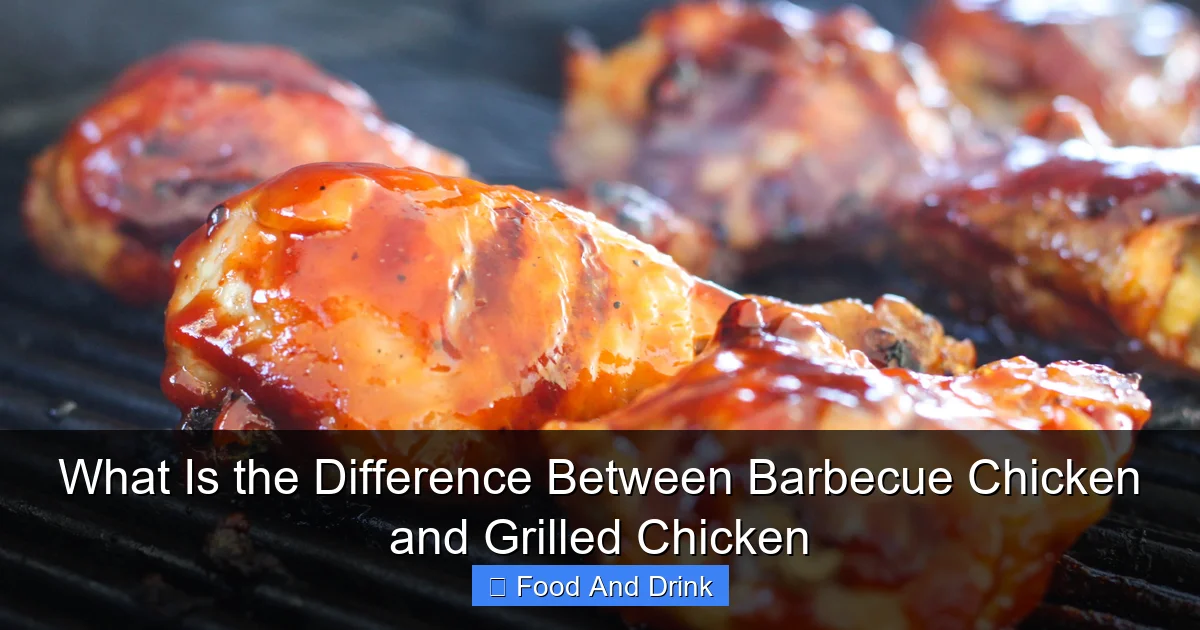
Visual guide about What Is the Difference Between Barbecue Chicken and Grilled Chicken
Image source: farmwifecooks.com
Before we dive into the specifics of chicken, let’s clarify the foundational difference between grilling and barbecuing. These two terms are often used loosely, but in the world of outdoor cooking, they refer to very different techniques.
Grilling is all about speed and high heat. When you grill, you’re cooking food quickly over direct flames or hot coals—usually at temperatures between 400°F and 550°F (204°C to 288°C). The goal is to sear the outside, lock in juices, and create those beautiful grill marks we all love. Grilling is ideal for thinner cuts of meat, vegetables, and foods that cook in 20 minutes or less. Think burgers, steaks, shrimp skewers, and yes—grilled chicken breasts.
Barbecuing, on the other hand, is a slow and low process. It involves cooking food at lower temperatures—typically between 200°F and 275°F (93°C to 135°C)—over indirect heat, often for several hours. The key ingredient? Smoke. Barbecuing uses wood chips, chunks, or logs to infuse the food with a rich, smoky flavor. This method is perfect for tougher cuts of meat that need time to break down, like ribs, brisket, and whole chickens. It’s not just about cooking—it’s about transformation.
So, when we talk about barbecue chicken, we’re usually referring to chicken that’s been slow-cooked with smoke, often basted with sauce. Grilled chicken, by contrast, is cooked quickly over high heat, often with just a light marinade or seasoning. The difference in time, temperature, and technique leads to vastly different results—both delicious, but in completely different ways.
Cooking Methods: High Heat vs. Low and Slow
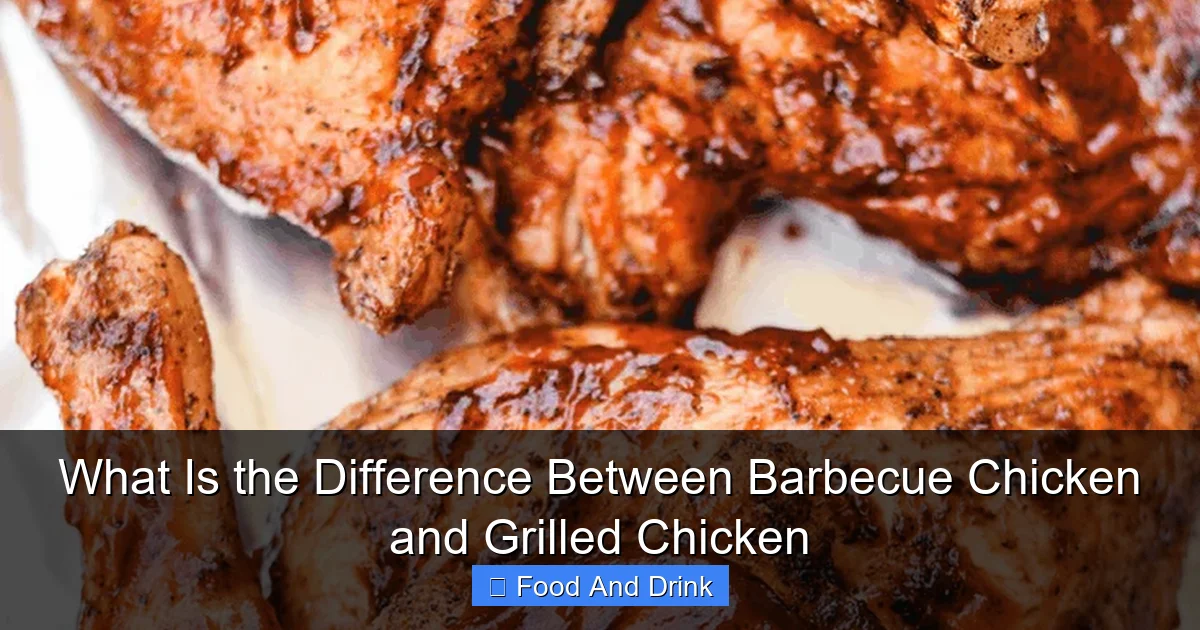
Visual guide about What Is the Difference Between Barbecue Chicken and Grilled Chicken
Image source: anallievent.com
Now that we’ve established the basic principles, let’s look at how these methods apply specifically to chicken.
Grilled Chicken: Quick, Hot, and Direct
Grilled chicken is cooked using direct heat. You place the chicken directly over the flame or hot coals, and it cooks fast—usually in 10 to 15 minutes, depending on the cut. This method works best with boneless, skinless chicken breasts, chicken thighs, or drumsticks. The high heat sears the outside, creating a flavorful crust while keeping the inside moist.
Because grilling is so fast, it’s important to avoid overcooking. Chicken can dry out quickly if left on the grill too long. That’s why many people use a meat thermometer to check for doneness—165°F (74°C) is the safe internal temperature. To add flavor, you can marinate the chicken beforehand or use a dry rub. But the seasoning is usually light, letting the natural taste of the chicken and the char from the grill shine through.
One popular way to grill chicken is to use a two-zone fire. This means having one side of the grill hot (direct heat) and the other side cooler (indirect heat). You start the chicken over direct heat to sear it, then move it to the cooler side to finish cooking without burning. This method gives you control and helps prevent flare-ups.
Barbecue Chicken: Slow, Smoky, and Indirect
Barbecue chicken takes a completely different approach. Instead of rushing the process, barbecuing embraces time. The chicken is cooked slowly over indirect heat, often with wood smoke adding depth and complexity. This method can take anywhere from 1.5 to 4 hours, depending on the size of the bird and the temperature.
The low-and-slow method allows collagen in the meat to break down, resulting in incredibly tender chicken. Skin becomes crispy, and the meat absorbs the smoky aroma, creating a rich, layered flavor. Barbecue chicken is often cooked on a smoker, but you can also achieve great results on a charcoal or gas grill with a smoker box or wood chips.
One hallmark of barbecue chicken is the use of a mop or basting sauce. During cooking, the chicken is periodically brushed with a liquid mixture—often vinegar-based or tomato-based—to keep it moist and build flavor. This process, called mopping, is a tradition in many barbecue styles, especially in the Carolinas.
Another key element is the final glaze. Many barbecue chicken recipes call for a thick, sticky sauce applied in the last 15 to 30 minutes of cooking. This caramelizes on the surface, creating a glossy, flavorful crust. The result? Chicken that’s smoky, sweet, tangy, and fall-off-the-bone tender.
Flavor Profiles: Clean and Charred vs. Smoky and Sweet
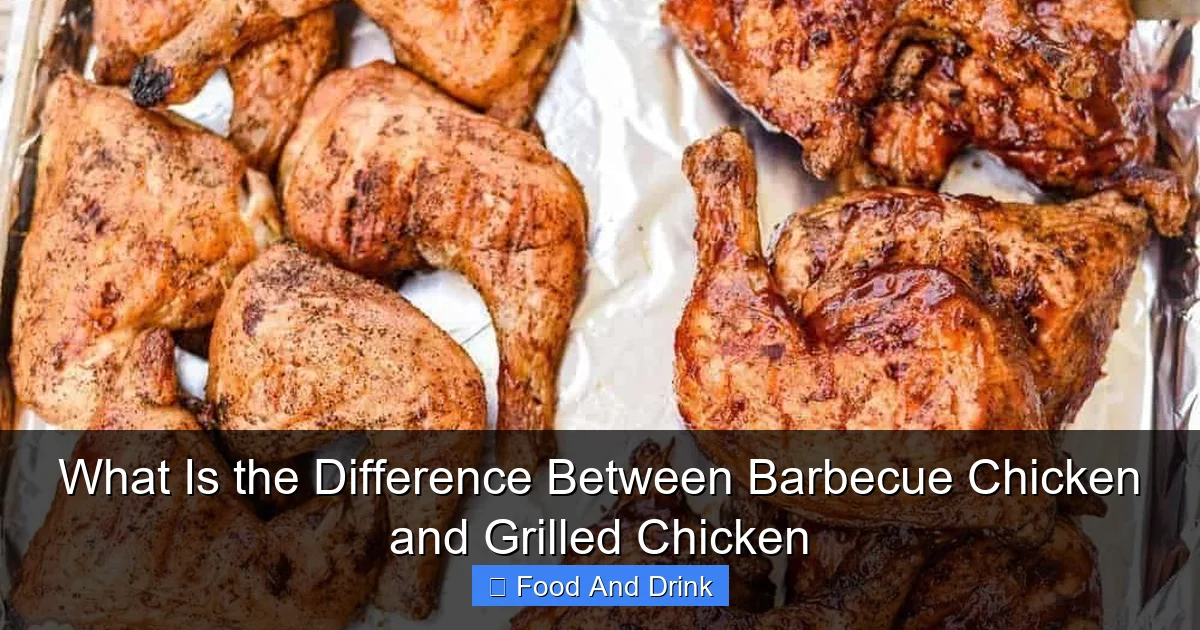
Visual guide about What Is the Difference Between Barbecue Chicken and Grilled Chicken
Image source: anallievent.com
The difference between barbecue chicken and grilled chicken is most evident in their flavor profiles. Each method brings out unique characteristics in the meat, influenced by heat, smoke, and seasoning.
Grilled Chicken: Simple, Fresh, and Charred
Grilled chicken has a clean, straightforward flavor. The high heat creates a slightly charred exterior, which adds a pleasant bitterness and depth. The inside remains juicy and mild, especially if you use a light marinade. Common marinades include olive oil, lemon juice, garlic, and herbs like rosemary or thyme. These ingredients enhance the chicken without overpowering it.
Because grilling is fast, there’s less time for complex flavors to develop. The taste is bright and fresh, with a focus on the natural qualities of the chicken. It’s a great option if you want a healthy, low-fat meal that’s still full of flavor. Grilled chicken also pairs well with a variety of sides—think grilled vegetables, salads, or rice.
One tip for maximizing flavor when grilling: don’t move the chicken too soon. Let it develop a good sear before flipping. This creates better grill marks and a more intense char. Also, avoid pressing down on the chicken with a spatula—this squeezes out juices and dries it out.
Barbecue Chicken: Complex, Smoky, and Bold
Barbecue chicken is all about bold, layered flavors. The slow cooking process allows the meat to absorb smoke, which imparts a deep, earthy taste. Depending on the type of wood used—hickory, oak, apple, or cherry—the smoke can add notes of sweetness, spice, or fruitiness.
The sauce is another major contributor to the flavor. Barbecue sauces vary widely by region. In Kansas City, you’ll find thick, sweet, molasses-based sauces. In Texas, sauces are often spicy and tomato-heavy. In North Carolina, vinegar-based sauces dominate, with a tangy, peppery kick. These sauces are brushed on during cooking, creating a sticky, caramelized glaze.
The result is chicken that’s rich, complex, and deeply satisfying. The meat is so tender it practically shreds with a fork. The skin is crispy and flavorful, and every bite delivers a mix of sweet, smoky, and tangy notes. Barbecue chicken is often served with classic sides like coleslaw, baked beans, and cornbread—foods that complement its robust flavor.
Sauces, Rubs, and Marinades: What Sets Them Apart
Seasonings play a huge role in defining the difference between barbecue chicken and grilled chicken. While both can use marinades and rubs, the types and applications vary significantly.
Grilled Chicken: Light and Bright
Grilled chicken typically uses simple, fresh ingredients. A classic marinade might include olive oil, lemon juice, garlic, salt, pepper, and fresh herbs. The goal is to enhance the chicken without masking its natural taste. Because grilling is fast, the marinade doesn’t need to penetrate deeply—30 minutes to 2 hours is usually enough.
Dry rubs are also popular for grilled chicken. These are blends of spices like paprika, cumin, garlic powder, and black pepper. They’re rubbed onto the chicken before cooking and create a flavorful crust as they caramelize on the grill. Some people even use a combination of marinade and rub for extra depth.
One advantage of grilled chicken is its versatility. You can easily adapt the seasoning to match different cuisines—think teriyaki for Asian-inspired flavors, or cajun spice for a kick. The simplicity of the method makes it easy to experiment.
Barbecue Chicken: Bold and Building
Barbecue chicken relies heavily on sauces and mops to build flavor over time. The sauce is often applied in layers—first as a mop during cooking, then as a glaze at the end. This slow buildup creates a rich, complex coating that clings to the meat.
Barbecue sauces are typically thicker and sweeter than marinades. They contain ingredients like ketchup, brown sugar, molasses, vinegar, Worcestershire sauce, and spices. Some recipes even include coffee, bourbon, or liquid smoke for extra depth.
In addition to sauce, many barbecue chicken recipes use a dry rub before cooking. This rub often includes brown sugar, paprika, chili powder, garlic powder, and cayenne. It helps form a “bark”—a flavorful crust that develops during the long cook.
One key tip: don’t apply thick sauce too early. Sugar in the sauce can burn at high temperatures. Instead, wait until the last 15 to 30 minutes of cooking to glaze the chicken. This ensures a sticky, caramelized finish without charring.
Equipment and Setup: Grills vs. Smokers
The tools you use can make or break your chicken—whether you’re grilling or barbecuing.
Grilling: Simple and Accessible
Grilling requires minimal equipment. A standard gas or charcoal grill is all you need. Gas grills are convenient and easy to control, while charcoal grills offer a more authentic smoky flavor. For best results, use a two-zone setup—direct heat for searing, indirect heat for finishing.
You’ll also want a good pair of tongs, a meat thermometer, and a brush for applying marinade. Optional but helpful: a grill basket for smaller pieces or a cedar plank for added flavor.
Grilling is beginner-friendly and perfect for weeknight meals. You can have dinner on the table in under 30 minutes.
Barbecuing: Specialized and Slow
Barbecuing often requires more specialized equipment. A smoker is ideal—whether it’s an offset smoker, electric smoker, or pellet grill. These devices are designed to maintain low, consistent temperatures and generate smoke.
If you don’t have a smoker, you can still barbecue on a regular grill. Use the indirect method: pile charcoal on one side, place a drip pan on the other, and add wood chunks for smoke. For gas grills, use a smoker box filled with wood chips.
Barbecuing takes more time and attention. You’ll need to monitor temperature, add wood as needed, and mop the chicken periodically. But the payoff is worth it—deeply flavorful, tender chicken that’s a centerpiece at any gathering.
Regional Styles and Cultural Influences
The difference between barbecue chicken and grilled chicken is also shaped by culture and geography.
Grilling: A Global Tradition
Grilling is practiced worldwide, from Korean bulgogi to Argentine asado. Each culture has its own techniques and flavors, but the core idea remains the same: cook quickly over high heat. In the U.S., grilling is a summer staple, often associated with backyard cookouts and Fourth of July celebrations.
Barbecue: A Southern American Art Form
Barbecue, especially in the U.S., is deeply rooted in Southern culture. Each region has its own style—Carolina vinegar sauce, Texas dry rubs, Memphis wet ribs, Kansas City sweet glaze. Barbecue chicken reflects these traditions, with sauces and methods passed down through generations.
In other countries, similar slow-cooking methods exist—like Jamaican jerk chicken, which is smoked over pimento wood. But in American English, “barbecue” specifically refers to the low-and-slow, smoke-infused style.
Which One Should You Choose?
So, which is better—barbecue chicken or grilled chicken? The answer depends on your time, taste, and occasion.
Choose grilled chicken if:
– You’re short on time.
– You want a healthy, low-fat meal.
– You prefer clean, simple flavors.
– You’re cooking for a weeknight dinner.
Choose barbecue chicken if:
– You have several hours to cook.
– You love smoky, bold flavors.
– You’re hosting a party or special event.
– You want tender, fall-off-the-bone meat.
Both are delicious—they’re just different. And the best part? You don’t have to choose just one. Master both techniques, and you’ll have a full arsenal of chicken recipes for any situation.
Conclusion
The difference between barbecue chicken and grilled chicken goes far beyond sauce and smoke. It’s about time, technique, and intention. Grilled chicken is fast, fresh, and simple—perfect for everyday meals. Barbecue chicken is slow, smoky, and complex—ideal for special occasions and flavor lovers.
Understanding these distinctions helps you choose the right method for your meal and elevate your cooking. Whether you’re searing chicken over hot coals or slow-smoking it for hours, both styles have their place in a well-rounded kitchen. So fire up the grill—or the smoker—and start exploring the delicious world of chicken, one cook at a time.
🎥 Related Video: Delicious BBQ Chicken on a Gas Grill – Basic Backyard Grilled Chicken
📺 TheWolfePit
bbqchicken #grilledchicken #gasgrill Print Recipe -http://wolfepit.blogspot.com Join The Wolfe Pit on Facebook …
Frequently Asked Questions
What is the main difference between barbecue and grilled chicken?
The main difference is the cooking method. Grilled chicken is cooked quickly over high, direct heat, while barbecue chicken is slow-cooked over low, indirect heat with smoke and sauce.
Can I use the same sauce for both grilled and barbecue chicken?
You can, but barbecue sauces are usually thicker and sweeter. Light marinades work better for grilled chicken to avoid burning.
How long does it take to cook barbecue chicken?
Barbecue chicken typically takes 1.5 to 4 hours, depending on the size and cooking temperature. Slow cooking ensures tenderness.
Is grilled chicken healthier than barbecue chicken?
Grilled chicken is often lower in sugar and fat, especially without heavy sauces. Barbecue chicken can be higher in calories due to sugary glazes.
What type of wood is best for smoking chicken?
Fruit woods like apple or cherry add a mild, sweet smoke. Hickory and oak are stronger and work well for bold flavors.
Can I grill chicken and call it barbecue?
Technically, no. True barbecue involves low, slow cooking with smoke. Grilled chicken with sauce is tasty, but it’s not barbecue by definition.