



Grilled chicken and rotisserie chicken may both start as the same bird, but they end up tasting and feeling completely different on your plate. The way they’re cooked—direct flame vs. slow rotation over heat—shapes everything from juiciness to flavor depth, making each ideal for different meals and preferences.
Key Takeaways
- Cooking Method: Grilled chicken is cooked quickly over direct high heat, while rotisserie chicken is slowly roasted on a rotating spit, allowing even cooking and self-basting.
- Texture and Juiciness: Rotisserie chicken tends to be more uniformly juicy and tender due to slow cooking, whereas grilled chicken can be slightly drier but has a firmer, charred exterior.
- Flavor Profile: Grilled chicken often has a smoky, charred flavor from the grill, while rotisserie chicken absorbs herbs and spices deeply, offering a richer, more aromatic taste.
- Preparation and Seasoning: Rotisserie chickens are typically pre-marinated or seasoned before cooking, while grilled chicken can be customized with marinades, rubs, or sauces at home.
- Nutritional Differences: Both are lean protein sources, but rotisserie chicken may contain more sodium due to pre-packaged seasonings, while grilled chicken gives you full control over ingredients.
- Convenience: Rotisserie chicken is a ready-to-eat convenience food, perfect for quick meals, while grilled chicken requires more prep and cooking time but offers fresher, customizable results.
- Best Uses: Use grilled chicken for salads, wraps, or dishes where texture matters; choose rotisserie chicken for shredding, soups, casseroles, or family dinners.
Quick Answers to Common Questions
Is rotisserie chicken healthier than grilled chicken?
Not necessarily. Both are lean protein sources, but store-bought rotisserie chicken often contains more sodium and additives. Grilled chicken gives you more control over ingredients, making it a better choice for low-sodium diets.
Can I grill a whole chicken like a rotisserie?
Yes, but it’s tricky. Use indirect heat by placing the chicken away from the flame and covering the grill. Rotate it occasionally for even cooking, or use a grill rotisserie attachment for best results.
Why is rotisserie chicken so juicy?
The slow rotation allows fat to melt and baste the meat continuously, keeping it moist. The even heat also prevents drying out, especially in the breast.
Does grilled chicken have more flavor than rotisserie?
It depends on your preference. Grilled chicken has a smoky, charred flavor, while rotisserie chicken is richer and more aromatic. Both can be delicious when prepared well.
Can I use rotisserie chicken in place of grilled chicken in recipes?
Yes, but the texture will be softer. It works well in salads, soups, and casseroles, but may not hold up as well in dishes that require firm, sliced chicken.
📑 Table of Contents
- Introduction: Two Chickens, Two Very Different Experiences
- How They’re Cooked: The Core Difference
- Flavor and Texture: What You Actually Taste and Feel
- Nutrition and Health: Which Is the Better Choice?
- Convenience and Practicality: When to Choose Which
- Best Uses in Cooking: Matching Chicken to the Dish
- Conclusion: Two Great Options, Different Strengths
Introduction: Two Chickens, Two Very Different Experiences
Imagine walking into a grocery store and spotting a golden, glistening rotisserie chicken spinning slowly under warm lights—its skin crisp, its aroma filling the air. Now picture a backyard barbecue: flames licking a platter of chicken breasts, each one marked with perfect grill lines, releasing a smoky scent that makes your mouth water. Both are chicken. Both are delicious. But they’re not the same.
The difference between grilled chicken and rotisserie chicken goes far beyond where you buy them. It’s about how they’re cooked, how they taste, how they feel in your mouth, and even how they fit into your weekly meal plan. One is fast, fiery, and full of char. The other is slow, steady, and deeply infused with flavor. Understanding these differences can help you choose the right chicken for the right moment—whether you’re meal prepping, hosting guests, or just craving something tasty and satisfying.
In this guide, we’ll break down everything you need to know about grilled chicken vs. rotisserie chicken. From cooking techniques to nutritional content, flavor profiles to practical uses, we’ll cover it all in a way that’s easy to understand and even easier to apply in your own kitchen. Whether you’re a home cook, a busy parent, or just someone who loves good food, this comparison will help you make smarter, tastier choices.
How They’re Cooked: The Core Difference

Visual guide about What Is the Difference Between Grilled Chicken and Rotisserie Chicken
Image source: chowhound.com
At the heart of the grilled chicken vs. rotisserie chicken debate is the cooking method. This single factor influences everything else—texture, flavor, moisture, and even how you prepare the bird before it hits the heat.
Grilled Chicken: Fast, Hot, and Direct
Grilled chicken is cooked over direct, high heat—usually on a gas or charcoal grill. The chicken is placed directly above the flame or hot coals, searing the exterior quickly while cooking the interior through conduction and convection. This method is fast, often taking 10 to 15 minutes per side depending on thickness and cut.
Because the heat is intense and immediate, grilled chicken develops a beautiful char on the outside. Those dark grill marks aren’t just for show—they’re a sign of the Maillard reaction, a chemical process that creates complex, savory flavors. The high heat also helps lock in juices, though it can sometimes dry out the meat if not monitored carefully.
Grilling works best with smaller cuts like chicken breasts, thighs, or drumsticks. Whole chickens can be grilled, but they require more skill to cook evenly without burning the skin before the inside is done. Many grill masters use indirect heat for larger pieces—placing the chicken away from the flame and covering the grill to trap heat—so it cooks through without charring.
Rotisserie Chicken: Slow, Even, and Self-Basting
Rotisserie chicken, on the other hand, is cooked slowly on a rotating spit. The chicken is skewered onto a rod and turned continuously over a heat source—usually gas or electric—allowing it to cook evenly from all sides. This slow rotation ensures that the fat melts and bastes the meat as it cooks, keeping it moist and tender.
The cooking time is much longer—typically 1.5 to 2 hours for a whole bird—but the result is a chicken that’s uniformly cooked, with crispy skin and juicy meat from the breast to the thigh. The rotation also helps distribute heat evenly, preventing hot spots and reducing the risk of undercooked or burnt areas.
Most store-bought rotisserie chickens are pre-seasoned or marinated before cooking. Common flavorings include garlic, herbs, salt, pepper, and sometimes butter or oil. This pre-treatment, combined with the slow cooking process, allows the flavors to penetrate deeply into the meat, giving rotisserie chicken its signature rich, savory taste.
Which Method Wins on Control?
When it comes to control, grilled chicken gives you the upper hand. You decide the heat level, the seasoning, the marinade, and even the type of wood chips if you’re using a charcoal grill for extra smokiness. It’s a hands-on process that rewards attention and skill.
Rotisserie chicken, especially when bought pre-cooked, offers less control but more convenience. You get a fully cooked, flavorful bird with minimal effort. Some home cooks do use countertop rotisserie ovens to make their own, which allows for customization—but even then, the cooking process is more passive than grilling.
In short: if you love being in charge of the flame and flavor, go grilled. If you want a hands-off, consistently delicious result, rotisserie is the way to go.
Flavor and Texture: What You Actually Taste and Feel

Visual guide about What Is the Difference Between Grilled Chicken and Rotisserie Chicken
Image source: manthatscooking.com
Now that we’ve covered how they’re cooked, let’s talk about what that means on your plate. The flavor and texture of grilled chicken and rotisserie chicken are distinct—and often the deciding factor in which one you’ll reach for.
The Smoky Char of Grilled Chicken
Grilled chicken has a bold, smoky flavor that comes from the direct contact with flames or hot coals. This char adds depth and complexity, especially if you’re using hardwood chips like hickory or mesquite. The exterior is often slightly crispy, with those signature grill marks adding visual appeal and a satisfying crunch.
The interior, when cooked properly, remains moist and tender—but it’s not as uniformly juicy as rotisserie chicken. Because grilling is faster, there’s less time for fat to render and baste the meat from within. This means grilled chicken can dry out if overcooked, especially lean cuts like breasts.
That said, many grill enthusiasts swear by brining or marinating chicken before grilling to boost moisture and flavor. A simple marinade of olive oil, lemon juice, garlic, and herbs can transform a plain chicken breast into a restaurant-quality dish. The key is balancing acidity, fat, and seasoning to keep the meat tender.
The Rich, Aromatic Depth of Rotisserie Chicken
Rotisserie chicken, by contrast, delivers a more rounded, aromatic flavor. The slow cooking process allows spices and herbs to infuse deeply into the meat, creating a savory, almost buttery taste. The skin becomes golden and crisp, while the meat beneath stays succulent and easy to pull apart.
Because the chicken rotates continuously, the natural juices and melted fat continuously baste the bird from the outside in. This self-basting effect keeps the meat moist throughout, even in the breast—which is usually the driest part of the chicken. The result is a bird that’s consistently juicy from top to bottom.
Store-bought rotisserie chickens often include added flavorings like garlic powder, onion powder, paprika, and sometimes MSG or sodium-based seasonings. While this enhances taste, it can also mean higher sodium content. Homemade rotisserie chicken lets you control the ingredients, so you can go lighter on salt or use fresh herbs for a cleaner flavor.
Texture: Crisp vs. Tender
Texture is another key differentiator. Grilled chicken tends to have a firmer, slightly chewier texture, especially on the outside. The char adds a pleasant crunch, but the meat itself can be less tender than rotisserie—particularly if it’s not brined or marinated.
Rotisserie chicken, thanks to its slow, even cooking, is often more tender and easier to shred. The meat pulls away from the bone with little effort, making it ideal for tacos, sandwiches, or soups. The skin is crisp but not burnt, and the overall mouthfeel is richer and more luxurious.
In a side-by-side taste test, most people notice the difference immediately. Grilled chicken feels more “cooked” and intense, while rotisserie chicken feels more “cooked through” and comforting. It’s the difference between a summer barbecue and a Sunday dinner.
Nutrition and Health: Which Is the Better Choice?
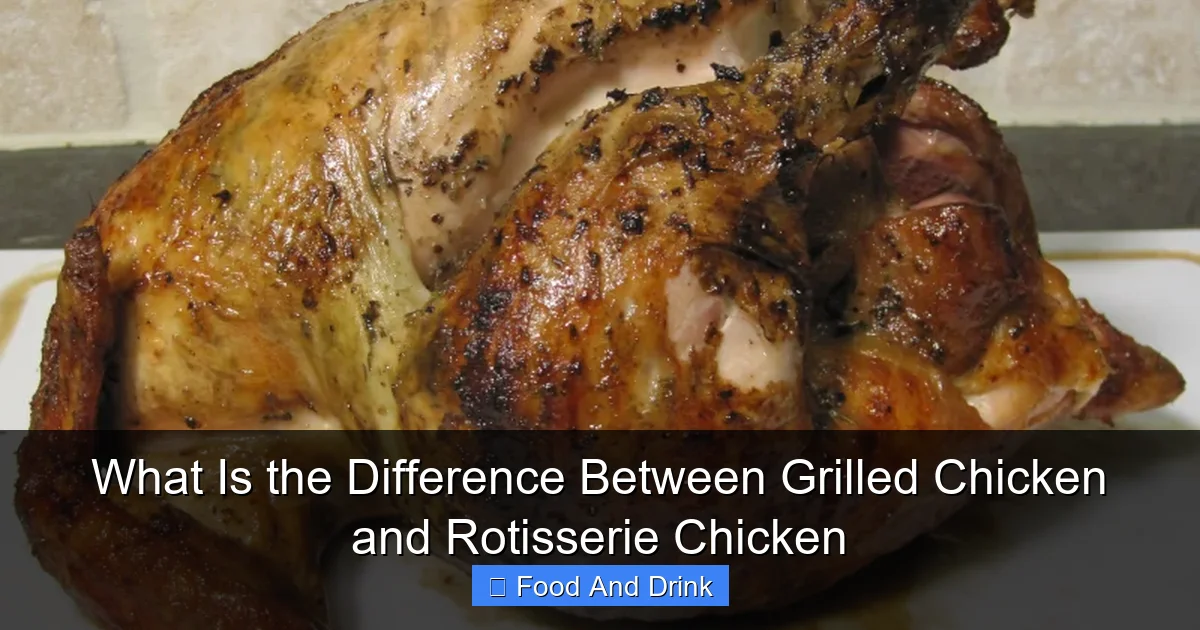
Visual guide about What Is the Difference Between Grilled Chicken and Rotisserie Chicken
Image source: manthatscooking.com
When it comes to health, both grilled and rotisserie chicken are excellent sources of lean protein. But there are subtle differences in calories, fat, sodium, and additives that can influence your choice—especially if you’re watching your diet.
Protein and Fat Content
Both types of chicken are high in protein and relatively low in fat, especially if you remove the skin. A 3-ounce serving of skinless grilled chicken breast contains about 140 calories, 3 grams of fat, and 26 grams of protein. The same amount of skinless rotisserie chicken breast is similar—around 135–145 calories, 3–4 grams of fat, and 25–27 grams of protein.
The fat content increases if you eat the skin. Grilled chicken skin is often crisp and flavorful but can be higher in saturated fat due to charring. Rotisserie chicken skin is also fatty but tends to be less charred, so it may retain more of its natural moisture and flavor.
Sodium and Additives
Here’s where rotisserie chicken can fall short—especially store-bought versions. Many pre-cooked rotisserie chickens are loaded with sodium to enhance flavor and extend shelf life. A single serving can contain 400–600 mg of sodium or more, which is a significant portion of the recommended daily limit (2,300 mg).
Grilled chicken, when prepared at home, gives you full control over salt and seasonings. You can use fresh herbs, citrus, and spices to flavor the meat without relying on sodium-heavy rubs or marinades. This makes grilled chicken a better option for low-sodium diets.
That said, if you buy a rotisserie chicken, you can reduce sodium by removing the skin and rinsing the meat under cold water—though this may affect flavor. Alternatively, look for brands that advertise “low-sodium” or “no added MSG” options.
Preservatives and Processing
Store-bought rotisserie chickens are often treated with preservatives or injected with saline solutions to keep them moist and flavorful. These solutions can contain sodium, phosphates, and other additives. While generally recognized as safe, some people prefer to avoid them.
Grilled chicken, especially when made at home, is typically free of such additives. You know exactly what’s in your marinade—olive oil, garlic, lemon, herbs—and there’s no hidden processing.
Which Is Healthier?
In terms of pure nutrition, grilled chicken has a slight edge—especially if you control the ingredients. But rotisserie chicken isn’t unhealthy by default. It’s still a great source of protein and can be part of a balanced diet, especially if you choose lower-sodium options or make it yourself.
The key is moderation and awareness. If you’re eating rotisserie chicken regularly, pay attention to portion sizes and balance it with vegetables, whole grains, and healthy fats. And if you’re grilling, avoid charring the meat excessively—burnt or heavily charred meat can contain compounds like polycyclic aromatic hydrocarbons (PAHs), which may pose health risks in large amounts.
Convenience and Practicality: When to Choose Which
Let’s be honest—sometimes the best meal is the one you can get on the table fastest. That’s where convenience comes in. Both grilled and rotisserie chicken have their place in a busy lifestyle, but they serve different needs.
Rotisserie Chicken: The Ultimate Time-Saver
Rotisserie chicken is the king of convenience. It’s fully cooked, ready to eat, and available at most grocery stores for under $10. You can grab one on your way home from work and have dinner on the table in minutes.
Shred it for tacos, slice it for sandwiches, toss it into a salad, or serve it with roasted vegetables. It’s also great for meal prep—cook once, eat all week. Many people use rotisserie chicken as a base for soups, casseroles, or grain bowls, saving hours of cooking time.
The downside? You’re limited by what’s available. You can’t customize the seasoning, and you might not know exactly how long it’s been sitting under the heat lamps. Some stores rotate their chickens frequently, but others may keep them out for hours, which can affect freshness and safety.
Grilled Chicken: Fresh, Customizable, but Time-Consuming
Grilled chicken takes more effort. You need to marinate or season the meat, fire up the grill, and monitor the cooking process to avoid overcooking. It’s not something you can whip up in 15 minutes.
But the payoff is worth it. You get fresh, flavorful chicken tailored to your taste. Want it spicy? Add cayenne. Prefer it herby? Use rosemary and thyme. Love smoky flavor? Use a charcoal grill with wood chips.
Grilled chicken is also ideal for outdoor gatherings, summer cookouts, or when you want to impress guests. There’s something special about serving food cooked over an open flame—it feels festive and authentic.
Which One Fits Your Lifestyle?
If you’re short on time, rotisserie chicken is your best friend. It’s perfect for busy weeknights, last-minute meals, or when you’re too tired to cook.
If you enjoy cooking, have more time, or want full control over flavor and ingredients, grilled chicken is the way to go. It’s also better for special occasions or when you’re feeding a crowd with diverse tastes.
Many smart cooks use both. Keep a rotisserie chicken on hand for quick meals, and fire up the grill on weekends for something fresh and exciting.
Best Uses in Cooking: Matching Chicken to the Dish
Not all chicken is created equal—and not all dishes call for the same type. Knowing when to use grilled chicken vs. rotisserie chicken can elevate your cooking and save you from a disappointing meal.
When to Use Grilled Chicken
Grilled chicken shines in dishes where texture and smoky flavor are key. It’s perfect for:
– Salads: A grilled chicken breast adds protein and a charred flavor that pairs well with greens, tomatoes, and vinaigrettes.
– Wraps and Sandwiches: Sliced grilled chicken holds up well in tortillas or ciabatta, especially with avocado, cheese, and sauces.
– Skewers and Kebabs: Cubed grilled chicken is ideal for grilling with vegetables, creating a balanced, colorful meal.
– Grain Bowls: Pair grilled chicken with quinoa, roasted veggies, and tahini for a healthy, satisfying bowl.
– BBQ Platters: Serve grilled chicken alongside ribs, corn, and coleslaw for a classic backyard feast.
The firm texture of grilled chicken makes it less likely to fall apart, so it’s great for dishes where you want clean slices or chunks.
When to Use Rotisserie Chicken
Rotisserie chicken excels in recipes that benefit from tender, shreddable meat. It’s ideal for:
– Soups and Stews: Shredded rotisserie chicken blends seamlessly into chicken noodle soup, tortilla soup, or creamy chowders.
– Tacos and Enchiladas: The moist, flavorful meat is perfect for filling soft shells or rolling into casseroles.
– Casseroles and Bakes: Use rotisserie chicken in dishes like chicken pot pie, tetrazzini, or broccoli chicken bake.
– Sandwiches and Sliders: Pulled rotisserie chicken makes excellent pulled chicken sandwiches, especially with BBQ sauce or slaw.
– Family Dinners: Serve a whole rotisserie chicken with mashed potatoes and green beans for a no-fuss, crowd-pleasing meal.
Because rotisserie chicken is already cooked and seasoned, it adds instant flavor to any dish without extra prep.
Can You Substitute One for the Other?
In a pinch, yes—but with caveats. You can use shredded rotisserie chicken in place of grilled chicken in salads or bowls, but the texture will be softer and less defined. Conversely, grilled chicken can replace rotisserie in soups, but it may need extra broth or seasoning to match the depth of flavor.
For best results, match the chicken to the dish. But don’t be afraid to experiment—sometimes the best recipes come from happy accidents.
Conclusion: Two Great Options, Different Strengths
So, what’s the difference between grilled chicken and rotisserie chicken? It’s not just about how they’re cooked—it’s about how they fit into your life, your kitchen, and your taste buds.
Grilled chicken is bold, smoky, and customizable. It’s for the cook who loves fire, flavor, and control. It takes time and attention, but the results are fresh, vibrant, and deeply satisfying.
Rotisserie chicken is rich, tender, and convenient. It’s for the busy person who wants great taste without the hassle. It’s ready when you are, and it works in dozens of dishes.
Neither is “better” than the other. They’re just different tools for different jobs. The real winner is you—the one who knows when to fire up the grill and when to grab a rotisserie chicken on the way home.
Next time you’re at the store or planning a meal, ask yourself: Do I want smoky and fresh? Or rich and ready? Your answer will guide you to the perfect chicken for the moment.
🎥 Related Video: CONSUMER REPORTS: Is rotisserie chicken healthy?
📺 Eyewitness News WTVO WQRF (MyStateline)
Consumer Reports nutritionists say you might be surprised at what goes into some rotisserie chickens.
Frequently Asked Questions
What is the main difference between grilled and rotisserie chicken?
The main difference is the cooking method. Grilled chicken is cooked quickly over direct high heat, while rotisserie chicken is slowly roasted on a rotating spit, resulting in different textures and flavors.
Which chicken is more tender?
Rotisserie chicken is generally more tender and juicy because the slow, even cooking and self-basting process keep the meat moist throughout.
Is grilled chicken lower in calories than rotisserie chicken?
Both are similar in calories when skinless, but rotisserie chicken may have slightly more fat if the skin is eaten. The difference is minimal for most people.
Can I make rotisserie chicken at home?
Yes, using a countertop rotisserie oven or a grill with a rotisserie attachment. You can control the seasoning and avoid added sodium found in store-bought versions.
Why does rotisserie chicken taste so good?
The combination of slow cooking, rotation, and pre-seasoning allows flavors to penetrate deeply, while the self-basting process keeps the meat rich and juicy.
Is it safe to eat rotisserie chicken that’s been sitting out?
No. Rotisserie chicken should not be left at room temperature for more than 2 hours. Always refrigerate leftovers promptly and reheat to 165°F before eating.