Are you ready to save time and make cooking easier? Using a pressure cooker, or multi-cooker, can change the way you prepare meals.
Imagine cooking your favorite dishes faster without losing flavor or nutrition. In this guide, you’ll learn simple steps to use your pressure cooker safely and effectively. Whether you’re new to this kitchen tool or want to get the most out of it, this article will help you unlock its full potential.
Keep reading, and you’ll be cooking delicious meals in no time.
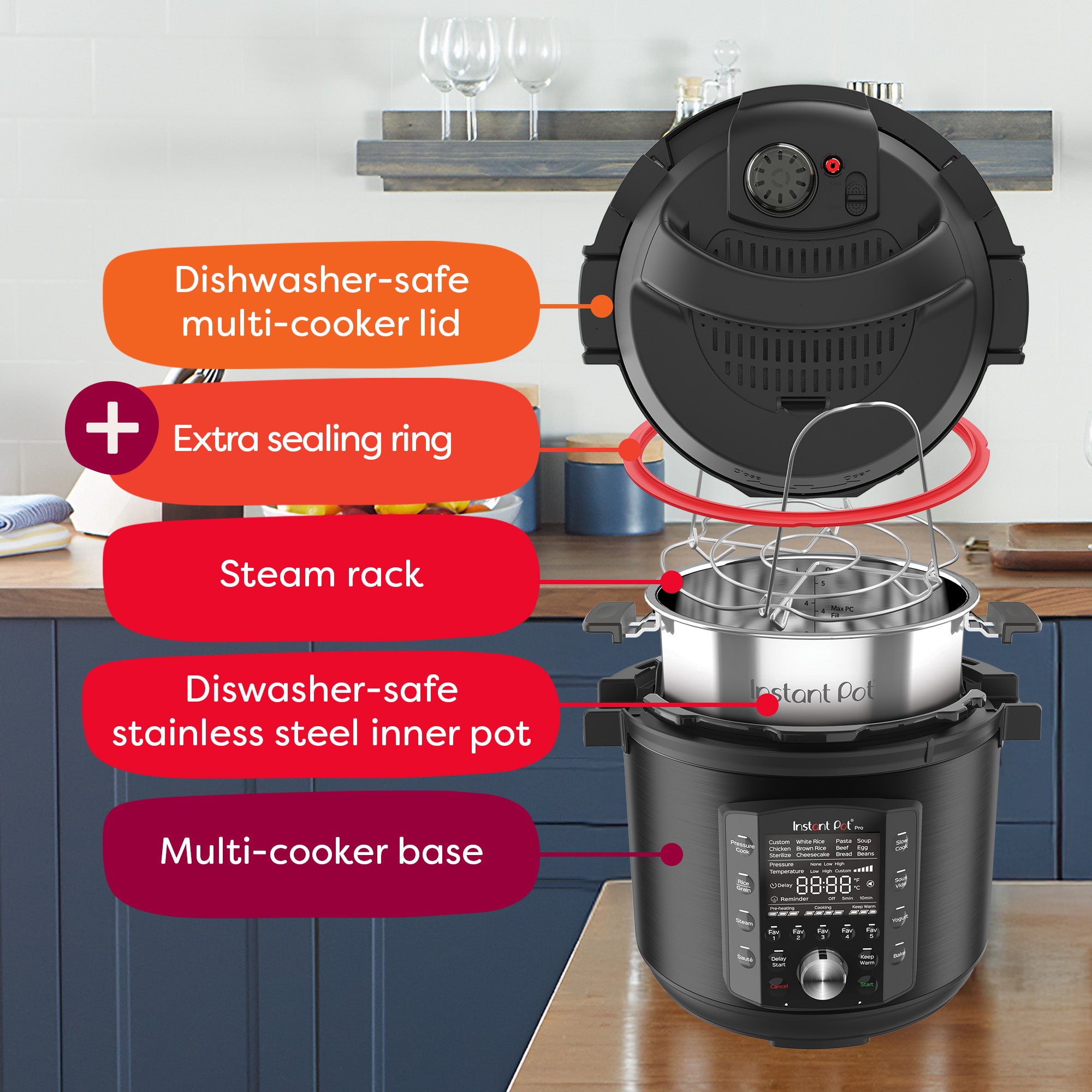
Credit: instantpot.com
Choosing The Right Pressure Cooker
Choosing the right pressure cooker is important for easy and safe cooking. Different models suit different needs. Knowing what to look for helps you pick the best one for your kitchen.
Types Of Pressure Cookers
There are two main types of pressure cookers. Stovetop pressure cookers are traditional and cook food quickly. Electric pressure cookers, also called multi-cookers, offer more features. They include settings for slow cooking, rice, and yogurt. Choose based on how you plan to use it.
Features To Consider
Look at the size of the cooker. Small ones are good for 2-3 people. Larger models fit bigger families. Check the material too. Stainless steel is durable and easy to clean. Some cookers have digital controls for precise cooking times. Simple models use manual dials.
Safety Mechanisms
Safety is key with pressure cookers. Good models have locks that stop the lid from opening under pressure. Look for pressure release valves to avoid accidents. Some cookers have sensors to prevent overheating. These features protect you during cooking.
Getting Started With Your Multi-cooker
Starting with a multi-cooker can feel tricky. This guide helps you begin easily. The first steps set the tone for your cooking experience. Follow simple tips to prepare your cooker for use. Understanding your device makes cooking faster and safer.
Setting Up The Cooker
Unbox your multi-cooker carefully. Remove all packaging and stickers. Place the cooker on a flat, stable surface. Ensure there is space around it for ventilation. Plug the cooker into a power outlet. Check the inner pot is clean and dry before use. Read the user manual for specific safety instructions.
Understanding The Control Panel
The control panel shows buttons and a display screen. Buttons include options like pressure cook, slow cook, and timer. Each button has a clear label. The display screen shows cooking time and settings. Use the manual to learn each button’s function. Practice pressing buttons to get comfortable. The panel is simple with clear icons for easy use.
Essential Accessories
Most multi-cookers come with useful accessories. A steaming rack helps cook vegetables and fish. A measuring cup is useful for liquids and rice. Some models include a spatula for stirring and serving. Use only accessories that fit your cooker. Clean accessories after each use to keep them in good condition.
Preparing Ingredients For Pressure Cooking
Preparing ingredients correctly is key to pressure cooking success. It helps food cook evenly and prevents problems like burning or undercooking. Good preparation saves time and improves flavor.
Chopping And Measuring
Cut vegetables and meats into similar sizes. This ensures even cooking throughout. Measure ingredients carefully to follow your recipe. Avoid overfilling the cooker to keep it safe.
Liquid Requirements
Pressure cookers need liquid to create steam. Always add at least one cup of water or broth. Liquids help build pressure and prevent food from drying out. Check your cooker’s manual for exact liquid amounts.
Layering Ingredients
Place dense foods like meat and root vegetables at the bottom. Lighter items like greens go on top. Avoid stirring before cooking to keep layers intact. Proper layering helps food cook evenly and taste better.

Credit: www.pressurecookingtoday.com
Basic Pressure Cooking Steps
Using a pressure cooker is simple once you know the basic steps. These steps help you cook food fast and keep it tasty. Follow these key actions to get started with your multi-cooker.
Sealing The Lid
Place the lid on the cooker carefully. Make sure it fits tightly. Check the rubber ring inside the lid. It must be clean and in place. Lock the lid so it seals the pot fully. This keeps steam inside for cooking.
Selecting Cooking Programs
Turn on the pressure cooker. Choose the right program for your recipe. Many cookers have presets like rice, meat, or beans. Pick the program that matches your food type. This sets the time and heat automatically.
Adjusting Pressure Levels
Pressure cookers have different pressure settings. Low and high are common options. Use high pressure for tough foods like meat. Choose low pressure for delicate items like vegetables. Adjust the pressure to get perfect results every time.
Cooking Common Meals
Cooking common meals in a pressure cooker saves time and keeps food tasty. This method uses high pressure to cook food fast. It works well for many dishes, making it a handy tool in the kitchen.
Soups And Stews
Pressure cookers make soups and stews rich and flavorful. They cook tough meat and beans quickly. You can add vegetables, broth, and spices. The cooker blends the flavors in less time than usual.
Rice And Grains
Rice and grains cook perfectly in a pressure cooker. Use the right water-to-rice ratio. The cooker steams the grains evenly. It prevents sticking and keeps grains fluffy and soft.
Meats And Poultry
Pressure cookers tenderize meats and poultry fast. They seal in juices and flavor. Use short cooking times to avoid overcooking. This method works well for tough cuts and whole chickens.
Vegetables And Legumes
Vegetables and legumes cook quickly without losing nutrients. The pressure cooker keeps them firm yet tender. It is ideal for dried beans and lentils. No need for soaking; just set the timer and cook.

Credit: instantpot.com
Releasing Pressure Safely
Releasing pressure safely is a key step when using a pressure cooker or multi-cooker. It stops hot steam from escaping too fast. This helps avoid burns and keeps your food perfect. There are two common ways to release pressure. Each works best for different recipes and times.
Natural Release Method
The natural release method means letting the cooker cool down on its own. You do not touch the valve. The pressure inside slowly drops as the pot cools. This can take 10 to 30 minutes depending on the food and cooker size. It is gentle on food that can foam, froth, or splatter.
This method is good for soups, stews, and large cuts of meat. The food stays moist and tender. The pot will not hiss or spray steam while releasing.
Quick Release Method
The quick release method uses the valve to let steam out fast. Turn or press the valve to open it carefully. Steam comes out with a loud hiss. Use a long spoon or cloth to protect your hand from steam. This method stops cooking quickly and cools the pot down fast.
Quick release works well for vegetables and delicate foods. It keeps them from overcooking. It also helps when you need to open the pot right away.
When To Use Each Method
Use natural release for thick or dense foods. It finishes cooking without drying out the food. Use quick release for soft or small foods. It stops cooking fast and keeps texture nice. Some recipes ask for a mix of both methods. Always check your recipe instructions for the best way to release pressure.
Cleaning And Maintenance Tips
Keeping your pressure cooker clean helps it work better and last longer. Regular cleaning stops food build-up and keeps your meals tasting fresh. Proper care also prevents damage to the cooker’s parts. Follow these simple cleaning and maintenance tips to keep your multi-cooker in top shape.
Daily Cleaning
After each use, unplug the cooker and let it cool. Remove the inner pot and wash it with warm, soapy water. Use a soft sponge to avoid scratches. Wipe the lid, sealing ring, and steam valve with a damp cloth. Check the sealing ring for food stuck in the grooves. Dry all parts thoroughly before reassembling.
Deep Cleaning
Once a month, take time for a deep clean. Remove the sealing ring and soak it in warm, soapy water. Clean the steam valve with a small brush to clear any blockages. Check the cooker’s base for spills or stains and wipe with a damp cloth. Make sure all parts are completely dry before putting them back.
Storing The Cooker
Store the cooker in a cool, dry place. Keep the lid slightly open or upside down to let air flow inside. This stops odors from building up. Avoid placing heavy items on top of the cooker. Store the sealing ring separately to keep it flexible and ready for use.
Troubleshooting Common Issues
Troubleshooting common problems with a pressure cooker helps save time and effort. Knowing simple fixes keeps cooking smooth and safe. This section explains easy solutions for typical issues.
Pressure Not Building
Check if the lid is closed tightly. The cooker will not build pressure if the seal is loose. Make sure there is enough liquid inside. Pressure needs steam to form. Clean the pressure valve and vent pipe. Blockages can stop pressure from rising.
Food Overcooked Or Undercooked
Adjust cooking time based on the recipe. Different foods need different times. Use the correct pressure setting for your dish. High pressure cooks food faster. Low pressure takes longer but is gentler. Release steam carefully to avoid overcooking.
Lid Not Sealing
Inspect the sealing ring for cracks or dirt. A damaged ring can prevent sealing. Clean the lid and sealing ring thoroughly. Align the lid properly before locking it. Make sure the float valve moves freely. It helps the lid seal tightly.
Tips For Perfect Pressure Cooking
Perfect pressure cooking depends on a few key tips. These tips help you cook food evenly and keep flavors rich. Following simple steps can improve every meal made in your pressure cooker. Enjoy tasty dishes with less guesswork.
Adjusting Cooking Times
Every pressure cooker varies slightly in heat and pressure. Start by following recipe times. Then, adjust based on how soft or firm you want your food. For example, reduce time for vegetables to keep crunch. Increase time for tougher meats to make them tender. Keep notes to remember your favorite settings.
Using Natural Ingredients
Choose fresh vegetables, herbs, and spices for the best taste. Natural ingredients bring out true flavors under pressure. Avoid processed sauces or pre-mixed spices that can mask flavors. Simple seasonings like garlic, onion, and fresh herbs work well. Use water, broth, or juice as cooking liquid for more taste.
Experimenting With Recipes
Try new recipes to find what you like most. Mix different vegetables, grains, and proteins to create unique meals. Change cooking times or liquid amounts to fit your taste. Test simple dishes first, then try complex ones. Keep experimenting until you discover your perfect recipe.
Frequently Asked Questions
How Do I Safely Release Pressure From A Multi-cooker?
To release pressure safely, use the natural release or quick release method. Follow the manufacturer’s instructions carefully. Always keep hands and face away from the steam vent. Use a long utensil to press the release valve if needed. Never force open the lid while under pressure.
Can I Cook Frozen Food In A Pressure Cooker?
Yes, you can cook frozen food directly in a pressure cooker. Adjust cooking time by adding a few extra minutes. Ensure the food is evenly spaced for proper heat circulation. Always follow recipe guidelines for best results. This method saves time and retains nutrients.
What Liquids Are Best For Pressure Cooking?
Use water, broth, or sauces as liquids in pressure cooking. Avoid thick sauces or purees that may clog the vent. Liquids create steam necessary for pressure buildup. Always add at least one cup of liquid unless the recipe states otherwise.
How Do I Clean And Maintain My Multi-cooker?
Clean your multi-cooker after each use with warm, soapy water. Remove and wash the sealing ring and lid separately. Wipe the inner pot and exterior with a damp cloth. Regularly check the vent and sealing ring for debris or damage.
Proper care extends the cooker’s lifespan.
Conclusion
Using a pressure cooker saves time and energy in the kitchen. It cooks food faster while keeping flavors strong. Always follow safety steps for the best results. Experiment with different recipes to enjoy its full benefits. Clean and store your cooker properly after use.
With practice, cooking becomes easier and more fun. Give it a try and see the difference yourself. Simple, quick meals are now within your reach.