Are you ready to unlock the full power of your high-speed blender? Whether you want to whip up creamy smoothies, homemade nut butter, or silky soups, knowing how to use your blender the right way makes all the difference.
Imagine effortlessly turning whole fruits, veggies, and nuts into delicious, healthy meals in minutes. In this guide, you’ll discover simple tips and tricks that will help you get the most out of your high-speed blender—saving you time and boosting your kitchen creativity.
Keep reading, and soon you’ll blend like a pro!
Choosing The Right Blender
Choosing the right blender is important for good results. A high-speed blender can save time and effort in the kitchen. It blends ingredients smoothly and quickly. Not all blenders work the same, so picking the best one matters.
Key Features To Look For
Power is a top feature. Higher wattage means better blending for hard foods. Look for blenders with at least 1000 watts. Speed settings help control texture. More speeds mean more control.
Blades should be sharp and strong. Stainless steel blades last longer and blend better. Capacity is another factor. Choose a size that fits your needs. Large jars work for families; small ones suit singles.
Easy cleaning saves time. Removable parts and dishwasher-safe jars are good. Noise level can affect comfort. Some blenders run quieter than others.
Comparing Popular Brands
Vitamix is known for power and durability. It handles tough ingredients well. Blendtec offers good presets and easy controls. Both brands have strong motors and sharp blades.
Ninja blenders are budget-friendly with decent power. They often include extra accessories. NutriBullet is compact and great for smoothies. It has less power but is easy to use.
Consider price, features, and warranty. Choose a brand that fits your budget and needs. Reading user reviews helps find real experiences.
Setting Up Your Blender
Setting up your high-speed blender correctly is key to its good performance. Proper setup ensures safety and helps you make the best use of your appliance. Follow simple steps to prepare your blender for use and keep it working well for a long time.
Assembly Basics
Start by placing the blender base on a flat surface. Attach the pitcher securely to the base. Check that the lid fits tightly on the pitcher. Most blenders have a locking mechanism; make sure it clicks into place. Insert the tamper if your model includes one. Always read the manual for model-specific assembly tips.
Safety Precautions
Always unplug the blender before assembling or cleaning it. Keep hands and utensils away from the blades. Use the tamper only through the lid opening. Do not overfill the pitcher to avoid spills. Avoid running the blender without liquid inside. Check for cracks or damage before every use.
Mastering Blender Controls
Learning to control a high-speed blender is key to making great recipes. Understanding each button and dial helps you get the best results. It saves time and avoids mistakes in blending. This section explains how to use speed settings and preset programs clearly.
Speed Settings Explained
Speed settings control how fast the blades spin. Low speeds work well for soft ingredients and gentle mixing. High speeds chop and blend hard ingredients quickly. Start slow to avoid splashing, then increase speed as needed. Use medium speed for smooth blending and even texture. Each speed has a purpose. Knowing this helps you blend efficiently.
Using Preset Programs
Preset programs are automatic settings for common tasks. They adjust speed and time without manual input. Choose a preset for smoothies, soups, or ice crushing. The blender follows a set pattern to get the best texture. Presets save guesswork and time. They are easy to use for beginners and busy cooks.
Tips For Smooth Blending
Smooth blending is key for tasty drinks and perfect textures. A high-speed blender can mix ingredients quickly and well. Small steps help avoid lumps and uneven blends. Follow these tips for the best results.
Layering Ingredients
Start by putting liquids at the bottom of the blender jar. This helps the blades move ingredients easily. Next, add soft items like yogurt or fresh fruit. Put harder things such as ice or frozen fruit on top. This order lets the blender work without getting stuck.
Do not overload the blender. Leave space for ingredients to move around. This keeps the motor safe and blends smoothly.
Avoiding Air Pockets
Air pockets stop ingredients from mixing well. To avoid this, pause the blender and stir the mixture. Use a spatula to push down solids near the sides. Restart blending at a low speed to remove air bubbles.
Use the tamper tool if your blender has one. It helps press down thick ingredients safely. This prevents air gaps and keeps the mixture smooth.
Recipes To Try First
Using a high-speed blender opens many tasty possibilities. Start with simple recipes to get familiar with your blender’s power and speed. These easy recipes help you enjoy healthy and delicious meals fast. Try these first to see how versatile your blender can be.
Smoothies And Shakes
Blend fresh fruits like bananas, berries, and mangoes with yogurt or milk. Add spinach or kale for a green boost. Use ice cubes to make the drink cold and thick. For a protein shake, mix protein powder with almond milk and a banana. Your blender can create smooth, creamy drinks in seconds.
Soups And Sauces
Cook vegetables like tomatoes, carrots, and onions until soft. Pour them into the blender and blend until smooth. Add spices like salt, pepper, or herbs for extra flavor. For sauces, blend fresh herbs, garlic, olive oil, and lemon juice. Your blender makes creamy soups and smooth sauces quickly and easily.
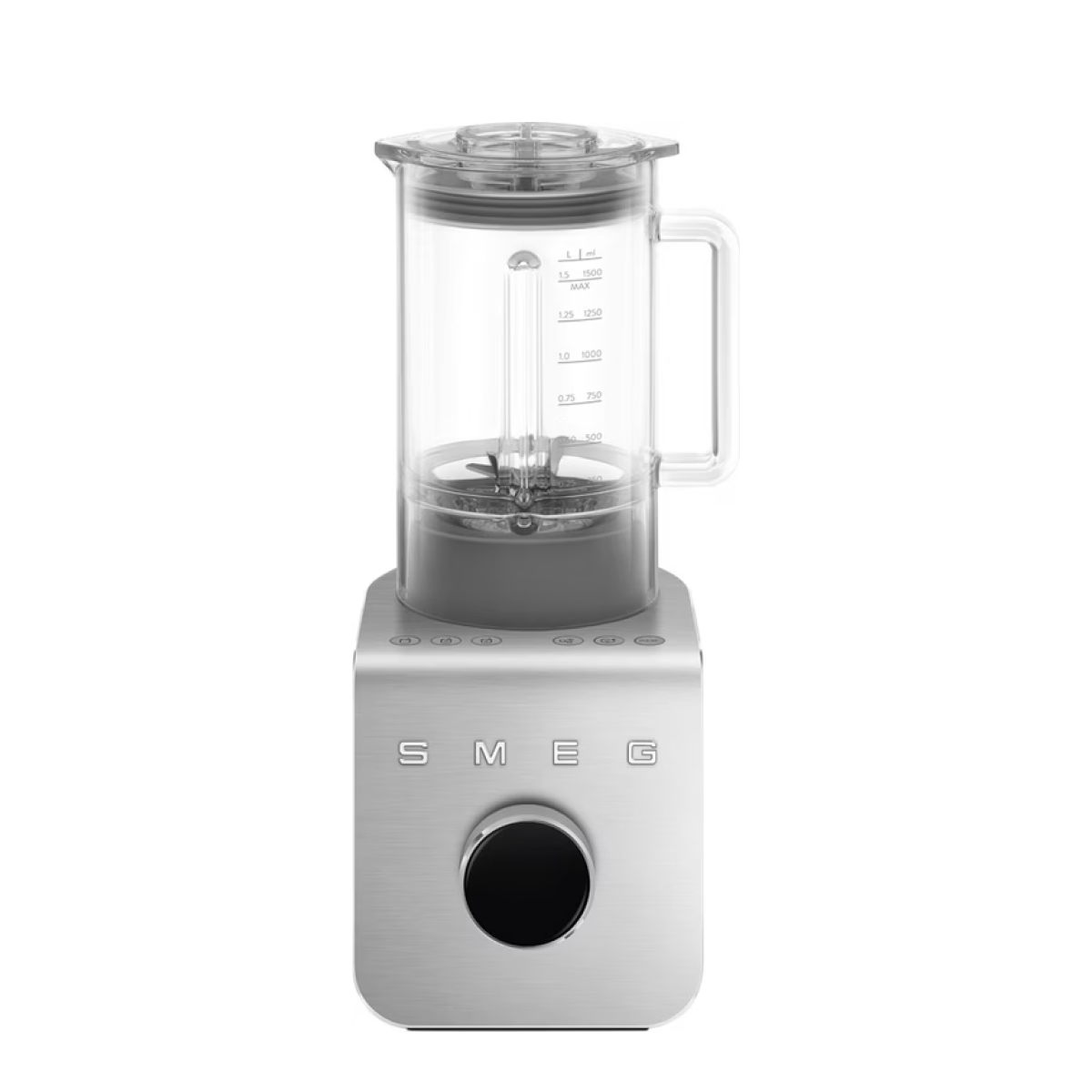
Credit: dakauf.eu
Cleaning And Maintenance
Keeping your high-speed blender clean is key to its long life and good performance. Dirt and food bits can build up quickly. This can cause bad smells and affect how well it blends. Regular cleaning and proper care make your blender safe and ready for use every time.
Quick Cleaning Techniques
After each use, rinse the blender jar with warm water. Add a drop of dish soap and fill halfway with water. Run the blender on high for 30 seconds. Rinse well with clean water. Wipe the base with a damp cloth. Avoid getting the motor wet.
Deep Cleaning Tips
For a deeper clean, remove the blades carefully. Wash the jar and blades with warm, soapy water. Use a small brush to clean hard-to-reach spots. Dry all parts completely before reassembling. Check the gasket and blade for wear. Replace parts if they look damaged to keep your blender safe.
Troubleshooting Common Issues
Troubleshooting common issues with your high-speed blender helps keep it running smoothly. Problems can occur but most are easy to fix. Knowing some simple tips saves time and prevents damage. This section covers two common concerns: overheating and blade or motor care.
Overheating Problems
High-speed blenders can overheat if used too long. Blending hard ingredients repeatedly causes the motor to get hot. Let the blender rest for a few minutes between uses. Avoid running it on the highest speed for more than one minute at a time. Use smaller batches to reduce strain. Keep the blender in a cool, ventilated area during use.
Blade And Motor Care
Keep blades sharp and clean to improve performance. Remove blades carefully for washing to avoid damage. Never immerse the motor base in water. Wipe the motor base with a damp cloth only. Check the blade assembly regularly for wear or looseness. Replace parts as needed to maintain safety and efficiency.
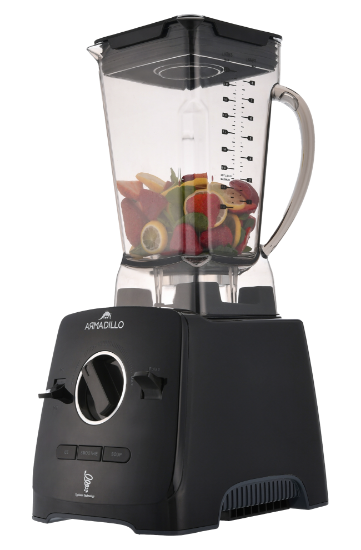
Credit: www.armadillo-eg.com

Credit: www.amazon.eg
Frequently Asked Questions
How Do I Start Using A High-speed Blender?
Begin by assembling the blender securely. Add ingredients, secure the lid, and select the appropriate speed. Always start at a low speed and gradually increase to avoid splattering.
What Can I Blend In A High-speed Blender?
You can blend fruits, vegetables, nuts, seeds, and ice. High-speed blenders handle tough ingredients well, making smoothies, soups, sauces, and nut butters with ease.
How Do I Clean My High-speed Blender Properly?
Rinse the blender immediately after use. Fill it halfway with warm water and add a drop of dish soap. Run on high speed for 30 seconds, then rinse thoroughly.
Can High-speed Blenders Heat Food?
Yes, high-speed blenders generate heat through blade friction. This allows you to make hot soups directly in the blender without using a stove.
Conclusion
Using a high-speed blender can save time and effort in the kitchen. It blends ingredients quickly and smoothly. You can make soups, smoothies, and sauces with ease. Always follow safety tips for the best results. Clean the blender right after use to keep it in good shape.
Practice blending different recipes to find what you like. A high-speed blender is a handy tool for many meals. Try it and enjoy fresh, homemade dishes every day.