Are you tired of food going bad too quickly? Using a vacuum sealer for food can be a game-changer for your kitchen.
Imagine keeping your meals fresh for weeks, saving money, and cutting down on waste—all with one simple tool. You’ll learn exactly how to use a vacuum sealer step by step. Whether you want to preserve leftovers, store bulk buys, or prepare meals ahead of time, this guide will make it easy for you.
Keep reading to unlock the secret to longer-lasting food and a more organized fridge.
Credit: la-va.com
Benefits Of Vacuum Sealing
Vacuum sealing offers many benefits for storing food. It keeps food fresh longer and helps reduce waste. Using a vacuum sealer is an easy way to protect your food and save money. Below are some key benefits of vacuum sealing your food.
Extending Food Shelf Life
Vacuum sealing removes air from the packaging. Without air, bacteria and mold grow slower. This helps food last much longer than in regular bags. Fresh fruits, vegetables, and meats keep their quality for days or weeks more.
Preventing Freezer Burn
Freezer burn happens when food is exposed to air and cold. It causes dry spots and changes taste. Vacuum sealing blocks air from touching the food. This keeps frozen items fresh and tasty without freezer burn damage.
Saving Space In Storage
Vacuum sealed bags shrink tightly around food. This reduces the size of bulky packages. You can fit more food in your fridge or freezer. Less space used means easier organization and less clutter.
Choosing The Right Vacuum Sealer
Choosing the right vacuum sealer is important for preserving food effectively. The right model saves time and keeps food fresh longer. It fits your kitchen needs and budget well. Understanding types, features, and brand options helps in making a smart choice.
Types Of Vacuum Sealers
There are mainly three types of vacuum sealers: external, chamber, and handheld models. External sealers are common for home use and easy to store. Chamber sealers work better for large quantities and wet foods. Handheld sealers are compact and good for small jobs. Each type suits different needs and kitchen spaces.
Key Features To Consider
Look for strong suction power and easy operation. A good vacuum sealer should have adjustable sealing time. This helps with different food types, dry or wet. Check if it has multiple sealing modes and bag compatibility. A built-in cutter and indicator lights add convenience. Portability and easy cleaning are also useful features.
Budget And Brand Options
Vacuum sealers come in various price ranges to fit any budget. Basic models cost less but may lack advanced features. Mid-range sealers offer better performance and durability. Premium brands provide extra functions and longer warranties. Choose a reliable brand with good customer reviews. It ensures quality and support after purchase.
Preparing Food For Sealing
Preparing food properly before sealing is key for good preservation. It helps keep food fresh longer and prevents spoilage. Clean, dry, and correctly portioned food ensures the vacuum sealer works well. Avoid common mistakes to get the best results every time.
Cleaning And Drying
Wash fruits, vegetables, and meats thoroughly. Remove dirt, bacteria, and any residues. Pat food dry with a clean towel or paper towel. Moisture can cause sealing problems and promote mold growth. Make sure food is completely dry before sealing.
Portioning And Packaging Tips
Divide food into portions that fit your needs. Use smaller packages for daily use and larger ones for long storage. Place food flat in the bag to allow even sealing. Leave enough space at the top for sealing. Avoid overfilling to prevent air pockets.
Avoiding Common Mistakes
Do not seal hot food; let it cool first. Avoid sharp bones or edges that can puncture bags. Do not use wet bags or dirty equipment. Check the seal after vacuuming to ensure no air leaks. Use bags designed for vacuum sealers only.
Step-by-step Vacuum Sealing Process
Vacuum sealing food keeps it fresh longer and reduces waste. The process is simple and fast once you understand the steps. Follow this guide to use your vacuum sealer correctly. It works best when you prepare food and machine properly. Each step matters for a strong seal and fresh food.
Setting Up The Machine
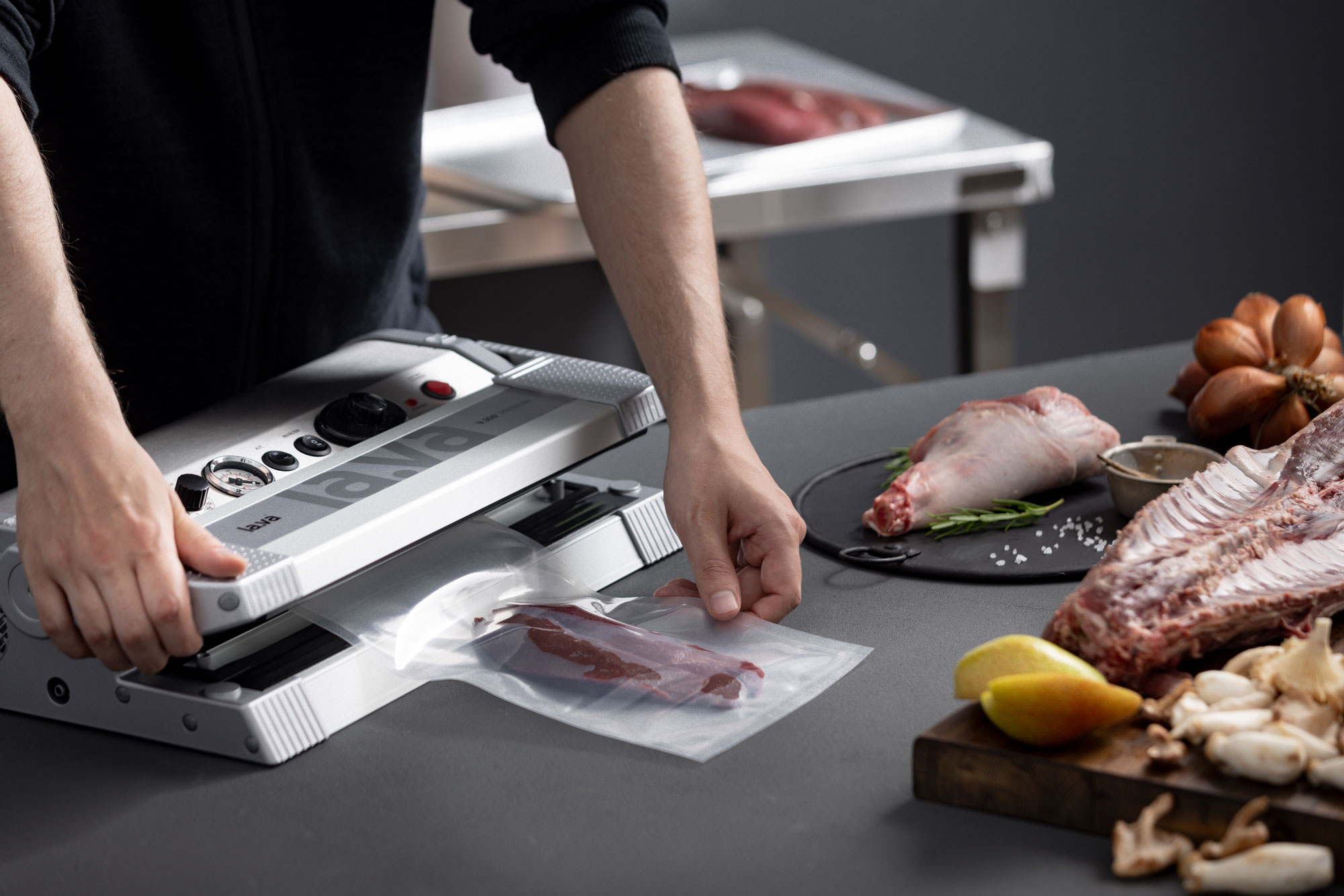
Place your vacuum sealer on a flat, dry surface. Plug it into a power outlet. Open the lid and check for any dirt or debris. Make sure the sealing strip is clean and dry. Insert the open end of the vacuum bag into the machine. Close the lid firmly until it locks. Most machines have a light or sound to show they are ready.
Sealing Different Food Types
For dry foods, place them loosely in the bag. Avoid overfilling to allow air removal. For moist foods, freeze them first or use a moist setting if available. Lay the bag flat inside the machine to prevent wrinkles. Start the vacuum and sealing process. Wait until the machine finishes before opening. Check the seal for a tight, wrinkle-free line.
Troubleshooting Seal Issues
If the seal is weak, clean the sealing strip and try again. Avoid sealing wet areas directly; dry the bag edge first. Wrinkles in the bag cause poor seals; smooth them before sealing. If the machine does not vacuum properly, check the bag placement. Use only bags designed for vacuum sealing. Replace the sealing strip if it is worn out.
Storing Vacuum Sealed Food
Storing vacuum sealed food extends its freshness and reduces waste. Proper storage keeps food safe and tasty for longer periods. Understanding where and how to store vacuum sealed items is key to preserving quality.
Freezing Vs Refrigerating
Freezing vacuum sealed food stops bacteria growth and keeps food fresh for months. It works best for meats, vegetables, and leftovers. Refrigerating suits foods you will eat soon, like cheese or cooked meals. It keeps food fresh for days or weeks. Choose freezing for long-term storage and refrigerating for short-term.
Labeling And Dating
Always label vacuum sealed bags with the food name and date. It helps track freshness and avoids eating spoiled food. Use a permanent marker to write on the bag or attach a sticker. Clear labels make it easy to find what you need fast.
Safe Storage Durations
Vacuum sealed food lasts longer than non-sealed food. In the refrigerator, most vacuum sealed items stay good for 1 to 2 weeks. In the freezer, they can last 1 to 3 years depending on the food type. Check food regularly and discard if you notice any strange smell or color.
Credit: www.inkbird.com
Maintaining Your Vacuum Sealer
Maintaining your vacuum sealer ensures it works well for a long time. Regular care keeps the machine clean and efficient. Small actions can stop big problems.
Cleaning And Care Tips
Unplug the vacuum sealer before cleaning. Wipe the outside with a damp cloth. Clean the sealing strip gently to avoid damage. Remove crumbs or liquid inside the machine. Let the sealer dry fully before using again. Check the user manual for specific cleaning advice.
Replacing Sealer Bags
Use the right size and type of bags for your machine. Avoid overfilling bags to ensure proper sealing. Store bags in a cool, dry place to keep them fresh. Replace bags when they are torn or damaged. Using fresh bags helps keep food safe and sealed tightly.
When To Repair Or Replace
Notice if the vacuum sealer stops sealing food properly. Strange noises or smells mean it needs checking. Inspect the power cord and plugs for damage. Repair small issues early to avoid bigger problems. Replace the machine if repairs cost more than a new sealer.
Creative Uses Beyond Food
Vacuum sealers do much more than just keep food fresh. They offer many creative uses beyond the kitchen. These devices can help protect items, cook food perfectly, and prepare for emergencies. Discover how to use your vacuum sealer in new and practical ways.
Sealing Non-food Items
Protect important documents from water and dust by vacuum sealing them. Seal jewelry and small valuables to avoid tarnish and scratches. Store clothing and fabrics tightly to save space and prevent mold. Vacuum sealing keeps items clean and organized for longer.
Sous Vide Cooking
Vacuum sealers work great for sous vide cooking. Seal your food tightly to keep juices and flavors inside. Cooking in water baths at low temperatures gives tender, tasty results. This method works well for meats, vegetables, and even eggs.
Emergency Preparedness
Keep emergency supplies fresh and dry by vacuum sealing them. Seal matches, first aid items, and batteries to protect from moisture. Store extra food and water packets sealed to extend shelf life. Vacuum sealing helps you stay ready for unexpected situations.
:max_bytes(150000):strip_icc()/ses-product-nesco-v12-deluxe-rkilgore-27.jpg-05267a64700446b29f5e33917d461671.jpg)
Credit: www.thespruceeats.com
Frequently Asked Questions
How Does A Vacuum Sealer Preserve Food Freshness?
A vacuum sealer removes air, slowing oxidation and bacterial growth. This process keeps food fresh longer, reducing spoilage and waste. It maintains flavors and nutrients by sealing in moisture and preventing freezer burn. Vacuum sealing is ideal for meats, vegetables, and leftovers.
Can Vacuum Sealing Extend Food Storage Time?
Yes, vacuum sealing significantly extends food storage time. It can keep fresh foods safe for weeks to months longer than traditional storage. In the freezer, vacuum-sealed items can last up to three years. Proper sealing prevents freezer burn and preserves texture and taste.
What Foods Should Not Be Vacuum Sealed?
Soft cheeses, fresh mushrooms, and raw garlic may spoil quickly when vacuum sealed. Also, foods with high moisture content like fresh berries can get crushed. Avoid sealing foods that release gases or are prone to anaerobic bacteria growth, such as raw onions or garlic.
How Do I Use A Vacuum Sealer Correctly?
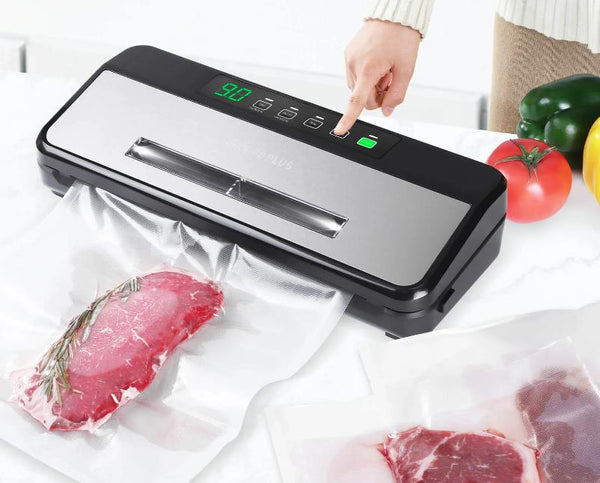
Place food in a vacuum bag, leaving enough space for sealing. Insert the open end into the vacuum sealer’s chamber. Close and lock the lid, then start the sealing process. Wait for air to be removed and the bag to seal tightly before removing.
Conclusion
Using a vacuum sealer helps keep food fresh longer. It saves space in your fridge and freezer. Sealing food tightly stops air and moisture from spoiling it. You can store fruits, vegetables, meat, and leftovers easily. This method also reduces food waste and saves money.
Practice sealing a few items to get comfortable. Soon, you’ll enjoy fresher food and less clutter. Vacuum sealing is simple and useful for everyday cooking. Give it a try to see the difference yourself.