Are you tired of your food sticking to the pan and ruining your favorite meals? Using a nonstick frying pan can make cooking and cleaning much easier, but only if you know how to use it properly.
In this guide, you’ll discover simple tips and tricks to get the best results every time you cook. Whether you’re frying eggs, sautéing veggies, or making pancakes, mastering your nonstick pan will save you time and frustration. Keep reading to unlock the secrets of perfect cooking with your nonstick frying pan!
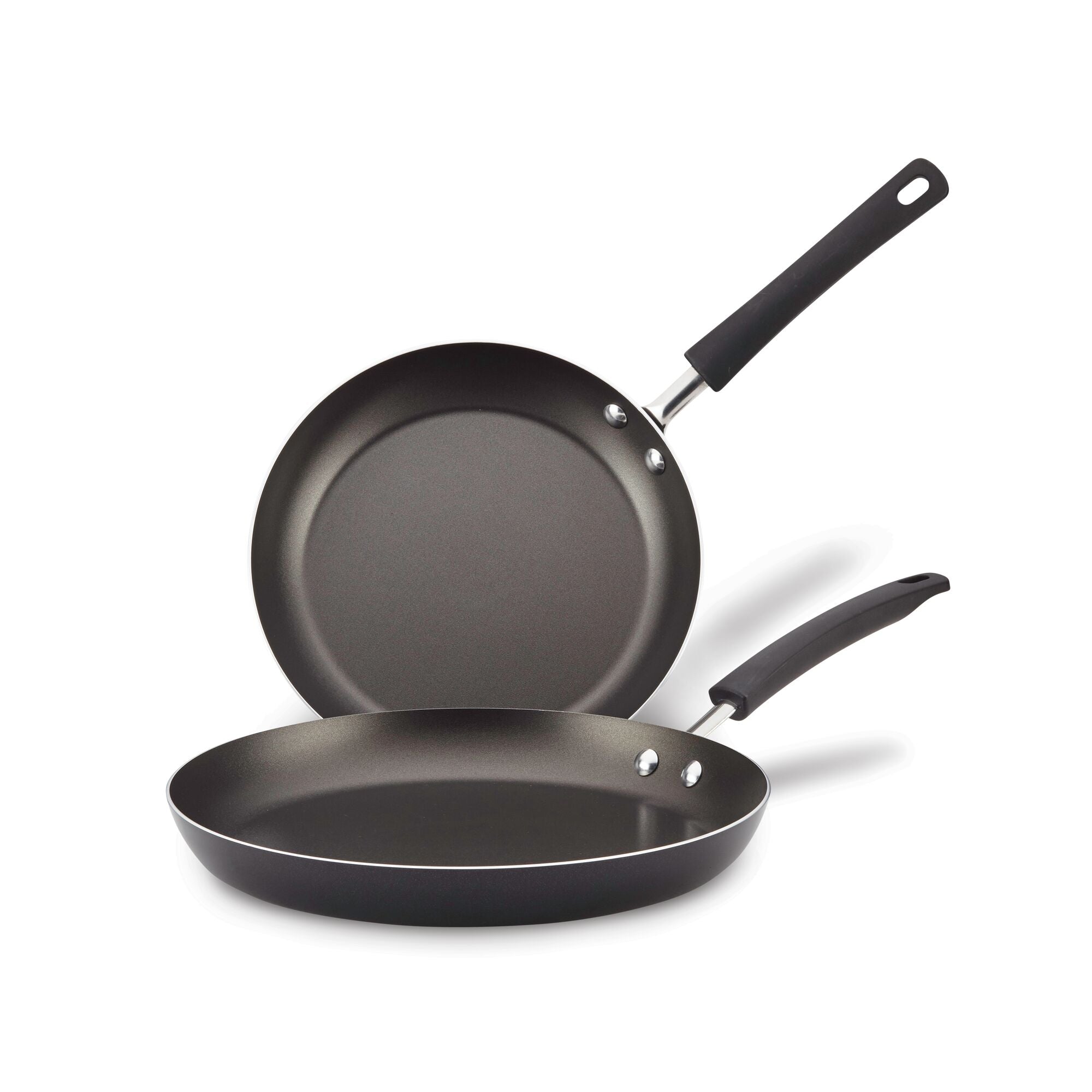
Credit: farberwarecookware.com
Choosing The Right Pan
Choosing the right nonstick frying pan makes cooking easier and more fun. A good pan helps you cook food evenly without sticking. It saves time cleaning and uses less oil. Knowing what to look for helps you pick the best pan for your kitchen.
Materials And Coatings
Nonstick pans come in different materials. Aluminum pans heat up fast and spread heat well. Stainless steel pans last longer but can be heavier. Look for a pan with a safe, durable coating. Common coatings include Teflon and ceramic. Teflon is smooth and easy to clean. Ceramic is free of chemicals and good for healthy cooking. Choose a coating that fits your cooking style and health needs.
Size And Shape Considerations
Pick a pan size based on your cooking habits. Small pans, around 8 inches, are good for eggs or small meals. Larger pans, 10 to 12 inches, work for bigger dishes or families. The shape also matters. A pan with sloped sides is easy for flipping food. Straight sides hold sauces better. Choose the size and shape that match your favorite recipes and stove size.

Credit: www.lecreuset.com
Preparing Your Pan
Preparing your nonstick frying pan properly helps it last longer and cook better. Before cooking, take simple steps to get your pan ready. These steps protect the coating and improve your cooking results. Follow the tips below to care for your pan right from the start.
Seasoning Tips
Some nonstick pans benefit from light seasoning before first use. Start by washing the pan with warm, soapy water. Dry it well with a soft cloth. Next, apply a thin layer of cooking oil to the inside surface. Use a paper towel to spread the oil evenly. Heat the pan on low for a few minutes. Let it cool, then wipe off any extra oil. This process helps strengthen the nonstick coating and prevents food from sticking.
Proper Cleaning Before Use
Cleaning your pan before the first use removes dust and factory residues. Use warm water and mild dish soap. Avoid harsh cleaners or abrasive scrubbers. Rinse the pan thoroughly to remove all soap. Dry it completely with a soft towel. This simple cleaning keeps the pan safe and ready for cooking. Always clean your pan gently to protect the nonstick surface.
Cooking Techniques
Cooking with a nonstick frying pan is simple and fun. Using the right techniques helps keep food tasty and the pan in good shape. Learn how to control heat, choose utensils, and avoid mistakes. These tips make cooking smooth and safe.
Optimal Heat Settings
Set the heat to low or medium for best results. High heat can damage the nonstick coating. It also causes food to stick or burn. Start with medium heat and adjust as needed. This keeps your food cooking evenly and prevents damage.
Using The Right Utensils
Use wooden, silicone, or plastic utensils. Metal tools can scratch and ruin the pan’s surface. Soft utensils protect the coating and help food slide easily. Always avoid sharp or rough tools that can harm the nonstick layer.
Avoiding Common Mistakes
Do not overheat the pan or use cooking sprays. These can cause buildup and reduce nonstick quality. Avoid cleaning with abrasive pads or harsh cleaners. Hand wash gently with a soft sponge and mild soap. Store the pan carefully to prevent scratches.
Maintaining Your Pan
Maintaining your nonstick frying pan helps it last longer and work better. Proper care keeps the coating safe and your food cooking evenly. Small habits make a big difference for your pan’s life.
Cleaning After Cooking
Let the pan cool before washing. Use warm water and soft sponge only. Avoid steel wool or harsh scrubbers that can scratch the surface. Mild dish soap cleans grease and food easily. Rinse well and dry with a soft cloth to prevent water spots.
Storage Tips
Store your pan in a dry place. Avoid stacking heavy pots on top to protect the nonstick coating. If stacking is necessary, place a paper towel or cloth between pans. Keep handles away from heat or direct sunlight to prevent damage.
When To Replace Your Pan
Replace your pan if the coating peels or scratches deeply. Food sticking more than usual is a sign too. Warped or bent pans do not cook evenly and should be replaced. Proper replacement keeps your meals healthy and tasty.
Troubleshooting Common Issues
Nonstick frying pans make cooking easier and cleaning faster. Yet, users face some common problems. Knowing how to fix these issues saves money and extends pan life. Troubleshooting helps you keep your pan in good shape and enjoy cooking more.
Food Sticking Problems
Food sticks when the pan is too hot or not hot enough. Heat the pan on medium before adding oil. Use enough oil or butter to create a barrier. Avoid using metal utensils that can scratch the surface. Clean the pan gently after use to keep it smooth.
Scratches And Damage
Scratches reduce nonstick quality and can cause food to stick. Use wooden or silicone utensils only. Avoid abrasive scrubbers like steel wool. Store pans carefully to prevent scratches from other cookware. Small scratches may not ruin the pan but avoid deep damage.
Fading Nonstick Surface
The nonstick coating can fade with time and heavy use. Avoid cooking on very high heat. Clean the pan with mild soap and soft sponges. Never put the pan in the dishwasher unless the manufacturer says it is safe. Proper care slows down fading and keeps the pan effective.
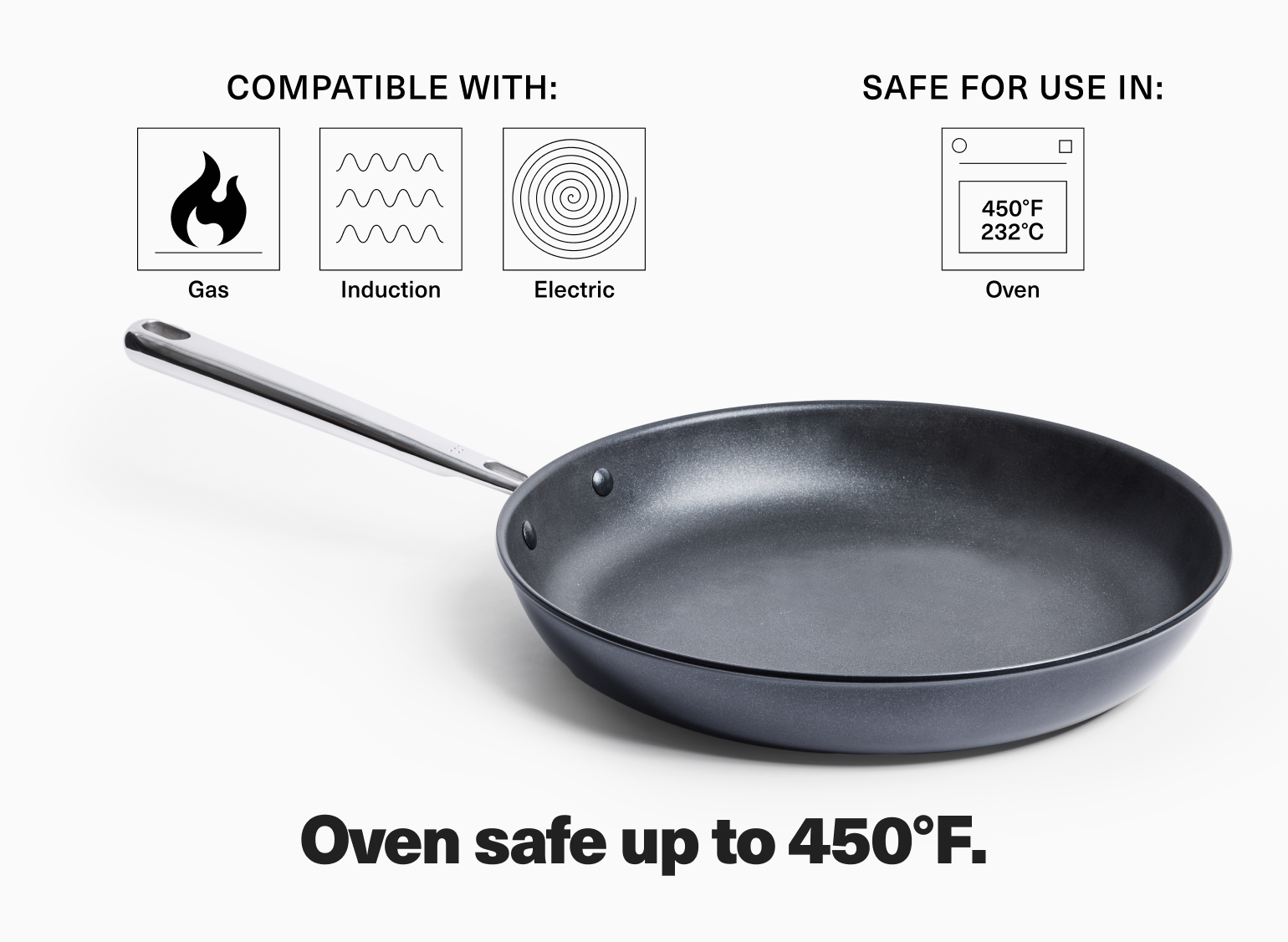
Credit: misen.com
Frequently Asked Questions
How Do I Properly Clean A Nonstick Frying Pan?
To clean, let the pan cool, then wash with warm soapy water. Use a soft sponge to avoid scratching. Avoid abrasive cleaners or steel wool. Dry thoroughly to prevent water spots. Proper cleaning maintains the nonstick coating and extends pan life.
Can I Use Metal Utensils On A Nonstick Pan?
It’s best to avoid metal utensils. They can scratch and damage the coating. Use wooden, silicone, or plastic tools instead. This preserves the nonstick surface and ensures better cooking performance. Proper utensils help your pan last longer.
What Heat Level Is Safe For Nonstick Frying Pans?
Use low to medium heat for nonstick pans. High heat can damage the coating and release harmful fumes. Most nonstick pans perform well at moderate temperatures. This prevents warping and preserves the pan’s nonstick properties.
Is It Necessary To Season A Nonstick Frying Pan?
No, seasoning is usually not required for nonstick pans. They come pre-coated with a nonstick surface. However, occasional light oiling can enhance performance. Avoid overheating, which can degrade the coating. Proper care keeps the pan nonstick without seasoning.
Conclusion
Using a nonstick frying pan makes cooking easier and cleaner. Avoid metal utensils to keep the surface safe. Clean it gently with a soft sponge after use. Cook on low to medium heat for best results. This pan saves oil and helps food cook evenly.
With simple care, it lasts longer and works well. Enjoy tasty meals without much mess or fuss. A good nonstick pan is a helpful kitchen tool for everyone. Keep these tips in mind for happy cooking days ahead.