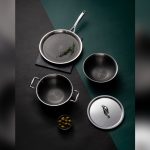
If you want to cook delicious meals at home, knowing how to use your cookware set properly is key. Your pots and pans are more than just kitchen tools—they can make cooking easier, faster, and more enjoyable.
But if you’re unsure which piece to use or how to care for them, you might miss out on their full potential. This guide will show you simple tips and tricks to get the most from your cookware set, so you can create meals that impress every time.
Ready to turn your kitchen into your favorite place? Let’s dive in and unlock the secrets of your cookware!
:max_bytes(150000):strip_icc()/slv-best-stainless-steel-cookware-sets-tout-3b1c87291ef7497d95cc326be3f4a29a.jpg)
Credit: www.southernliving.com
Choosing The Right Cookware
Choosing the right cookware is important for every home cook. The right set helps cook food evenly and saves time. It also makes cooking easier and more enjoyable. Knowing about materials, sizes, and types will guide you to the best choice for your kitchen.
Materials And Their Benefits
Cookware comes in many materials. Each has unique benefits. Stainless steel is strong and does not react with food. It works well for browning and frying. Cast iron holds heat well and cooks food evenly. It is perfect for slow cooking and searing. Aluminum heats quickly and is lightweight. It is often used with a non-stick coating. Copper heats very fast and cools quickly. It gives great control but needs more care.
Size And Shape Considerations
Choosing the right size of cookware saves space and energy. Small pans are good for sauces and small meals. Larger pots work well for soups and stews. The shape matters too. Deep pots hold more liquid and prevent spills. Shallow pans are better for frying and sautéing. Match the size and shape to the food you cook most.
Non-stick Vs. Stainless Steel
Non-stick pans stop food from sticking. They need less oil and are easy to clean. They work well for eggs and pancakes. Stainless steel pans are more durable. They can handle high heat and metal utensils. They are better for browning and making sauces. Choose non-stick for easy cooking and cleaning. Pick stainless steel for durability and heat control.

Credit: www.amazon.com
Seasoning And Preparing Cookware
Seasoning and preparing cookware is important for home cooks. It helps keep your pans safe and improves cooking results. Good preparation can make your cookware last longer. It also prevents food from sticking and makes cleaning easier.
Seasoning Cast Iron
Cast iron needs seasoning before use. This process builds a natural non-stick layer. Start by washing the pan with warm water and no soap. Dry it completely to stop rust.
Next, coat the pan with a thin layer of vegetable oil. Rub the oil inside and outside the pan. Place it upside down in the oven at 375°F (190°C). Bake for one hour, then let it cool in the oven. Repeat this process for best results.
Cleaning Before First Use
New cookware needs cleaning before use. Wash with warm, soapy water to remove factory residues. Rinse well to avoid soap taste. Dry all pieces carefully. This step ensures your food stays fresh and safe.
Maintaining Non-stick Surfaces
Non-stick pans need gentle care. Use soft sponges for cleaning. Avoid metal utensils that can scratch the surface. Cook on low to medium heat to protect the coating. Wipe the pan with a soft cloth after each use. This care helps keep the non-stick layer strong and effective.
Cooking Techniques For Different Cookware
Different cookware types need different cooking methods. Knowing how to use each piece helps make better meals. It also protects your cookware and keeps food tasty. Here are simple tips for common cooking techniques and cookware.
Sautéing And Frying Tips
Use a skillet or frying pan for sautéing and frying. Heat the pan before adding oil to avoid sticking. Keep the heat medium to high for quick cooking. Use oil with a high smoke point like canola or vegetable oil. Turn food often for even browning. Avoid overcrowding the pan to keep food crispy. Use a spatula to move food gently without breaking it.
Simmering And Boiling
Choose a pot or saucepan for simmering and boiling. Fill the pot with enough liquid to cover the food. Bring the liquid to a boil, then reduce heat to simmer. Simmering cooks food slowly and keeps it tender. Use a lid to keep heat and moisture inside. Stir occasionally to stop food from sticking or burning. Check food often to avoid overcooking.
Baking With Oven-safe Pieces
Oven-safe cookware includes cast iron, ceramic, and some stainless steel. Preheat the oven before placing your dish inside. Use these pieces for casseroles, roasting, and baking bread. Handle with oven mitts; cookware gets very hot. Avoid sudden temperature changes to prevent cracking. Clean carefully to keep the surface smooth and ready for next use.
Cleaning And Maintenance Tips
Cleaning and caring for your cookware set keeps it working well for years. Proper maintenance helps your pots and pans stay safe to use. It also keeps food tasting fresh and cooking evenly. Follow simple steps to clean and store your cookware right.
Safe Cleaning Methods
Use warm water and mild dish soap to wash cookware. Avoid harsh cleaners that can ruin the surface. Soft sponges work best to avoid scratches. For stuck food, soak the pan in warm soapy water. Gently scrub after soaking. Dry each piece with a soft cloth to stop rust.
Avoiding Damage And Warping
Do not use metal tools that can scratch or dent cookware. Avoid sudden temperature changes, like putting a hot pan in cold water. This can cause warping or cracks. Cook on medium heat to protect the cookware surface. Always use cookware on the right burner size to keep it stable.
Storage Best Practices
Store cookware in a dry place to prevent rust. Stack pans carefully with soft cloth or paper towels between them. Hang pots and pans if you have space. Keep lids separate or on the side to avoid scratches. Regularly check for damage and clean before storing.
Maximizing Cookware Longevity
Maximizing the life of your cookware set saves money and keeps your kitchen efficient. Taking care of each piece ensures it stays strong and looks good. Small daily habits protect your pots and pans from damage.
These simple steps help you get the best use out of your cookware for many years.
Proper Heat Usage
Use medium or low heat for most cooking tasks. High heat can warp pans and ruin non-stick coatings. Start heating the pan before adding oil or food. Avoid heating empty pans for too long. This practice keeps cookware materials stable and intact.
Avoiding Metal Utensils
Choose wooden, silicone, or plastic tools to protect surfaces. Metal spoons and forks can scratch and wear down coatings. Scratches make pans harder to clean and reduce cooking quality. Gentle utensils keep the cookware surface smooth and safe.
Regular Inspection And Care
Check your cookware often for signs of wear or damage. Look for scratches, dents, or loose handles. Clean pans carefully using soft sponges and mild soap. Avoid harsh cleaners that can harm surfaces. Proper storage, like stacking with cloth between pans, prevents scratches and dents.
Common Mistakes To Avoid
Using a cookware set can make cooking easier and more fun. Yet, many home cooks make simple mistakes that damage their pans or reduce their lifespan. Avoiding these errors helps keep your cookware in good shape. It also improves your cooking results. Here are some common mistakes to watch out for.
Overheating Non-stick Pans
Non-stick pans can be damaged by too much heat. High heat breaks down the coating. This causes food to stick and releases harmful fumes. Cook on low or medium heat to protect the surface. Always wait for the pan to warm slowly before adding food.
Ignoring Manufacturer Instructions
Every cookware set comes with care instructions. These are important to follow. Using the wrong heat level or cleaning method can cause damage. Read the manual to understand how to use and care for your cookware. This helps avoid mistakes and extends the life of your pans.
Using Wrong Cleaning Tools
Using harsh or abrasive tools can ruin cookware surfaces. Scrubbers with metal or rough sides scratch pans. Use soft sponges or cloths instead. Gentle cleaning keeps your cookware smooth and non-stick. Avoid dishwasher use if the instructions advise against it.

Credit: fromourplace.co.uk
Frequently Asked Questions
What Cookware Pieces Are Essential For Home Cooks?
A basic cookware set should include a frying pan, saucepan, and stockpot. These cover most cooking needs efficiently. Additional pieces like a sauté pan or griddle can enhance versatility for different recipes and cooking styles.
How Do I Properly Season My Cookware Set?
Seasoning is crucial for cast iron cookware. Clean, dry the pan, then apply a thin layer of oil. Bake it at 350°F for an hour. This process creates a non-stick surface and prevents rust, improving cooking performance.
Can I Use Metal Utensils On Non-stick Cookware?
It’s best to avoid metal utensils on non-stick surfaces. Metal can scratch and damage the coating. Use silicone, wooden, or plastic tools to prolong your cookware’s life and maintain its non-stick properties.
How Should I Clean And Maintain My Cookware Set?
Hand wash with mild soap and a soft sponge to protect the surface. Avoid abrasive cleaners and dishwashers. Dry thoroughly after washing to prevent rust and prolong the cookware’s lifespan.
Conclusion
Using your cookware set well makes cooking easier and more fun. Choose the right pan or pot for each dish. Clean your cookware carefully to keep it lasting longer. Take time to learn how different materials work. This helps you cook meals that taste great every time.
Enjoy the process and try new recipes often. Cooking at home can be simple and rewarding. Your cookware set is a helpful tool in this journey. Keep practicing, and your skills will grow naturally.