
If you’ve ever baked cookies or roasted vegetables, you’ve probably used a baking sheet, also known as a cookie sheet. But did you know there are smart ways to use these simple tools that can make your baking better and easier?
Whether you’re a beginner or just want to improve your kitchen skills, learning how to use baking sheets the right way can save you time and help you get perfect results every time. Keep reading, and you’ll discover tips and tricks that will change the way you bake forever.
Choosing The Right Baking Sheet
Choosing the right baking sheet makes a big difference in baking results. The right sheet helps cookies bake evenly and prevents burning. It also affects how easy it is to clean and store your sheets. Understanding materials, size, and coatings helps pick the best sheet for your kitchen.
Materials And Coatings
Baking sheets come in different materials like aluminum, stainless steel, and silicone. Aluminum heats quickly and spreads heat evenly. Stainless steel lasts longer but may heat unevenly. Some sheets have non-stick coatings for easy food release. Non-stick coatings need gentle cleaning to avoid damage.
Size And Thickness
Choose a size that fits your oven well. Small sheets may overcrowd cookies. Large sheets allow more space for even baking. Thickness matters too. Thin sheets heat fast but can warp. Thick sheets hold heat better and stay flat longer. A sturdy sheet helps bake cookies evenly.
Non-stick Vs. Aluminum
Non-stick sheets help cookies slide off easily. They reduce the need for extra grease or parchment paper. Aluminum sheets without coating may need greasing. They brown cookies nicely and last long. Non-stick coatings wear out over time. Aluminum sheets can dent but clean up well.

Credit: blog.wilton.com
Preparing Your Baking Sheet
Preparing your baking sheet is a simple but important step for baking success. It helps prevent sticking and ensures even cooking. Taking a few moments to prepare the sheet can improve the texture and look of your baked goods. Below are some common methods to get your baking sheet ready.
Lining Options
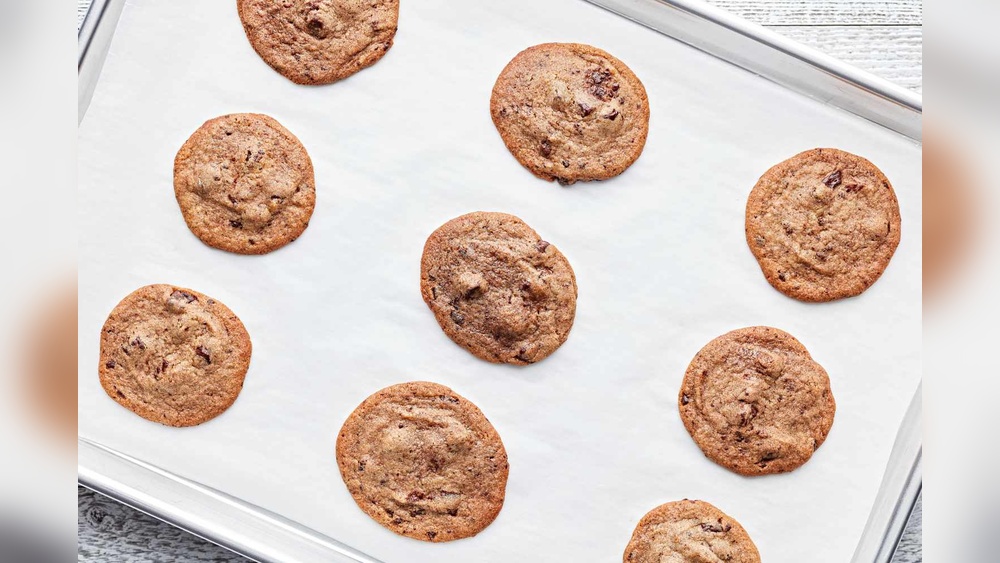
Lining a baking sheet creates a smooth surface. It stops food from sticking and makes cleanup easier. Common liners include aluminum foil, silicone mats, and parchment paper. Each liner has unique benefits depending on what you bake. Choose the best liner for your recipe and baking style.
Greasing Techniques
Greasing adds a thin layer of fat to the baking sheet. It helps baked items release easily. Use butter, oil, or shortening for greasing. Apply with a brush or paper towel. Avoid using too much grease to prevent soggy bottoms. Greasing works well for cookies, rolls, and some cakes.
Using Parchment Paper
Parchment paper is a popular baking sheet cover. It is non-stick and heat resistant. Cut the paper to fit your baking sheet perfectly. Lay it flat and place your dough or batter on top. Parchment paper reduces the need for greasing. It also makes cleanup quick and simple.
Baking Sheet Placement And Oven Settings
Using baking sheets correctly affects how your food cooks and tastes. Proper placement and oven settings help bake evenly and avoid burning. This section explains how to position racks, preheat your oven, and adjust temperatures for the best results.
Rack Positioning
Place the baking sheet in the center rack for even heat distribution. Avoid putting it too close to the top or bottom of the oven. This prevents food from burning or cooking unevenly. For multiple sheets, leave space between them for air to circulate.
Preheating Tips
Always preheat your oven before placing the baking sheet inside. This ensures the oven reaches the right temperature for baking. Do not open the oven door too often during preheating. Heat loss can cause uneven baking and longer cooking times.
Temperature Adjustments
Follow the recipe temperature but adjust slightly if needed. Dark or non-stick baking sheets may require lowering the temperature by 25°F. Shiny or aluminum sheets reflect heat, so baking times might be longer. Watch your food closely to avoid overcooking or burning.
Credit: www.bettycrocker.com
Tips For Baking Cookies
Baking cookies on sheets is simple but needs some care. Using baking sheets right helps your cookies bake evenly. Following a few tips makes your cookies turn out soft, crispy, or chewy—just how you like them.
These tips help you get the best texture and color. A good baking sheet and smart baking habits create better results. Let’s explore important ways to use baking sheets for perfect cookies.
Spacing And Dough Thickness
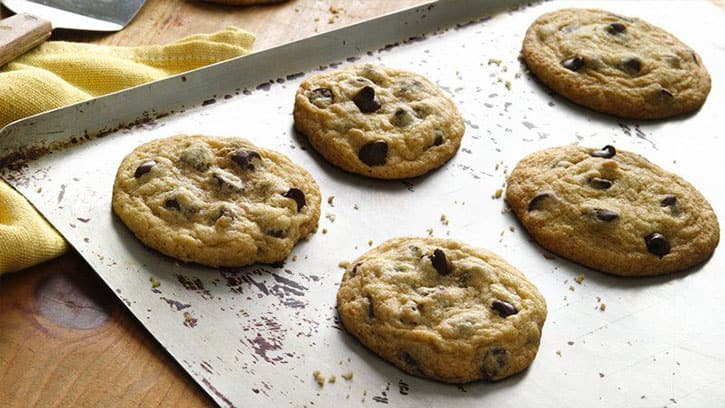
Leave enough space between cookies. They spread as they bake. Crowding cookies makes them stick together and bake unevenly. Use about two inches of space between each dough ball.
Keep dough thickness consistent. Thick dough takes longer to bake. Thin dough bakes quickly and can burn. Shape dough balls with the same size for even baking.
Rotating Sheets
Ovens have hot spots. Cookies on one side may brown faster. Rotate baking sheets halfway through baking. Turn the sheet 180 degrees for even heat exposure.
This step helps all cookies bake evenly. It avoids some cookies burning while others stay raw. Use a timer to remember when to rotate.
Avoiding Overcrowding
Too many cookies on a sheet cause poor air flow. Air flow is important for even baking. Overcrowded sheets slow baking and cause soft or soggy cookies.
Use two baking sheets if you have many cookies. Bake in batches if needed. This keeps cookies crisp and well-baked on all sides.
Cleaning And Maintenance
Keeping your baking sheets clean and well-maintained helps them last longer. Good care prevents damage and keeps your baked goods tasting fresh. Simple steps make cleaning and storage easy.
Removing Stubborn Stains
Soak the baking sheet in warm, soapy water for 15 minutes. Use a soft sponge or cloth to scrub gently. For tough stains, sprinkle baking soda on the sheet. Add a few drops of water to make a paste. Let it sit for 20 minutes, then scrub again. Avoid steel wool or harsh scrubbers that scratch the surface.
Avoiding Warping
Do not expose baking sheets to sudden temperature changes. Avoid placing a hot sheet directly in cold water. Let it cool down before washing. Use moderate oven temperatures as very high heat can cause warping. Choose heavy-duty sheets that resist bending.
Storage Best Practices
Store baking sheets in a dry place to prevent rust. Keep them flat or upright with support to avoid bending. Avoid stacking heavy items on top of sheets. Use a divider or towel between sheets to protect their surface. This keeps your baking sheets ready for every use.
:max_bytes(150000):strip_icc()/Web_1500-SEA-Chicago-Metallic-Half-Sheet-Baking-Pans-Irvin-Lin-Photo-02-7817-4f5142bae5c04929bd5f1df720b20221.jpg)
Credit: www.seriouseats.com
Creative Uses Beyond Cookies
Baking sheets are not just for cookies. They can do much more in your kitchen. Using baking sheets creatively saves time and space. They help cook food evenly and clean up is easy. Try these simple ideas to get more from your baking sheets.
Roasting Vegetables
Roasting vegetables on a baking sheet makes them crispy and tasty. Spread chopped veggies in one layer. This lets heat reach each piece for even cooking. Use olive oil and your favorite spices. Roast at high heat for a rich flavor. It works great for carrots, potatoes, and peppers.
Toasting Nuts
Toasting nuts on a baking sheet brings out their natural oils. Spread nuts evenly for uniform toasting. Keep the oven temperature moderate to avoid burning. Stir nuts halfway through baking for even color. Toasted nuts add crunch and flavor to many dishes. Perfect for salads, desserts, or snacks.
Baking Other Treats
Baking sheets work well for more than cookies. Try baking sheet cakes or brownies for easy cleanup. Use them to bake pizza or flatbreads. You can also toast bread or make crispy chips. The large surface area helps food cook quickly and evenly. Baking sheets make many recipes simple and fast.
Frequently Asked Questions
What Is The Difference Between Baking Sheets And Cookie Sheets?
Baking sheets have raised edges, perfect for roasting and baking. Cookie sheets are flat with one or two raised sides, ideal for cookies. Knowing this helps you choose the right sheet for your recipe and get better baking results.
How Do I Prevent Cookies From Sticking To Baking Sheets?
Use parchment paper or silicone baking mats on the sheet. These create a non-stick surface, making cookie removal easy. You can also lightly grease the baking sheet, but liners are preferred for even baking and easy cleanup.
Can I Use Baking Sheets For Roasting Vegetables?
Yes, baking sheets are excellent for roasting vegetables. Their raised edges hold juices and prevent spills. Spread vegetables evenly for proper air circulation and even roasting. This method enhances flavor and texture.
How Should I Clean And Maintain Baking Sheets?
Clean baking sheets with warm, soapy water after each use. Avoid abrasive scrubbers to prevent surface damage. For tough stains, soak sheets before scrubbing. Proper care extends their lifespan and maintains performance.
Conclusion
Baking sheets make cooking easier and more fun. They help bake cookies, roast veggies, and cook many dishes evenly. Using them correctly saves time and keeps your oven clean. Choose the right size and material for best results. Always line or grease sheets to avoid sticking.
Clean them well after use to last longer. Small tips bring big changes in your cooking. Try these steps, and enjoy tasty meals every time.