



Have you ever looked at a Bundt cake and wondered how to make one just as beautiful and delicious? Using a Bundt cake pan might seem tricky at first, but once you know the simple steps, your cakes will come out perfect every time.
This guide will show you exactly how to use your Bundt cake pan to bake stunning cakes that impress everyone. By the end, you’ll feel confident and ready to create your own bakery-worthy Bundt cakes right at home. Keep reading to unlock the secrets that will make your baking easier and more fun!
Choosing The Right Bundt Pan
Choosing the right Bundt pan is key to baking success. The pan shapes your cake and affects baking time. Picking the right one means your cake looks great and bakes evenly. Let’s explore what to consider before buying a Bundt pan.
Material Matters
Bundt pans come in different materials. Aluminum pans heat evenly and help cakes bake well. Cast iron pans last long but need care. Silicone pans are flexible and easy to clean. Each material changes how your cake bakes and releases.
Size And Shape Options
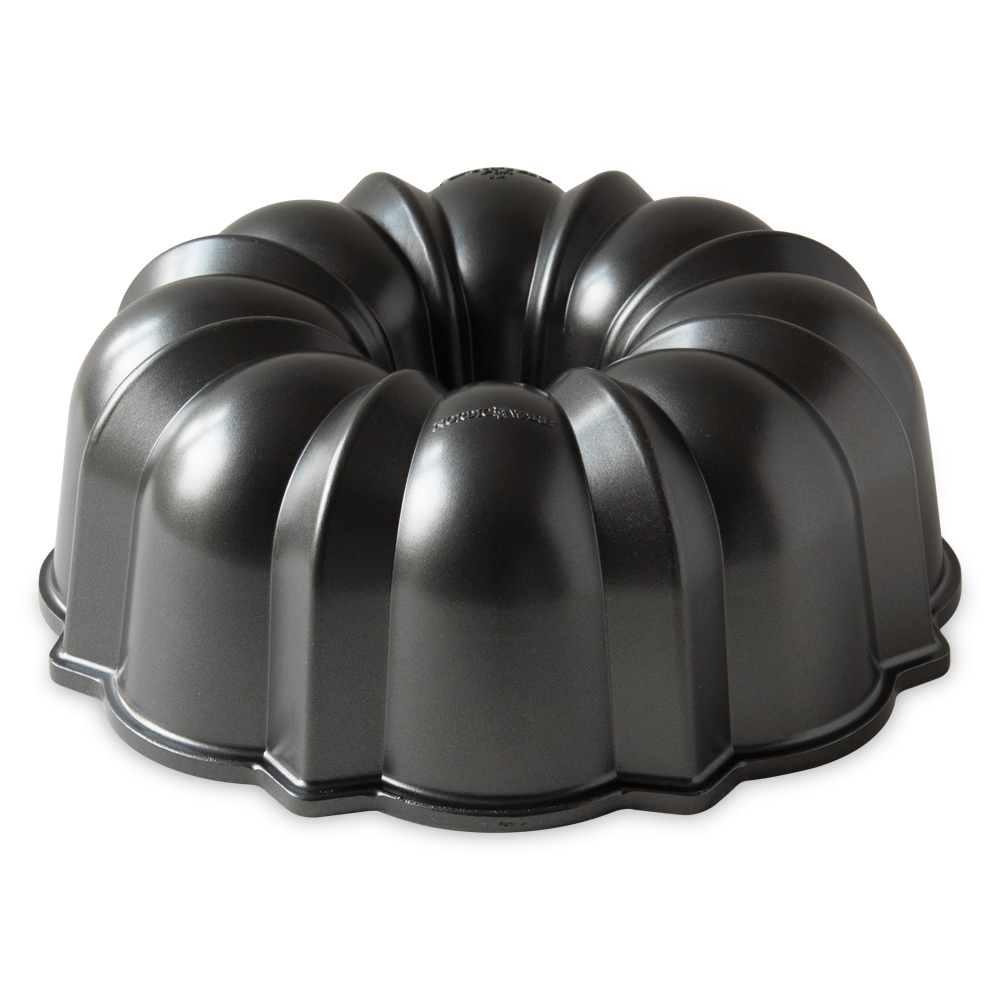
Bundt pans vary in size from small to large. Choose a size that matches your recipe and oven. Shapes also differ. Some have simple curves, others have detailed designs. Complex shapes create beautiful cakes but can be harder to release.
Non-stick Vs. Traditional
Non-stick pans make removing cakes easier. Less oil or butter is needed. Traditional pans may need more greasing. Non-stick coatings can wear off over time. Both types work well if properly prepared before baking.
Preparing The Pan
Preparing your Bundt cake pan properly is key to baking success. This step helps the cake release easily after baking. It also prevents damage to the cake’s shape and design. Taking time to prepare the pan well makes your baking smoother.
Follow simple steps to ensure your cake comes out clean and beautiful. The right preparation protects the pan and gives your cake a perfect finish.
Greasing Techniques
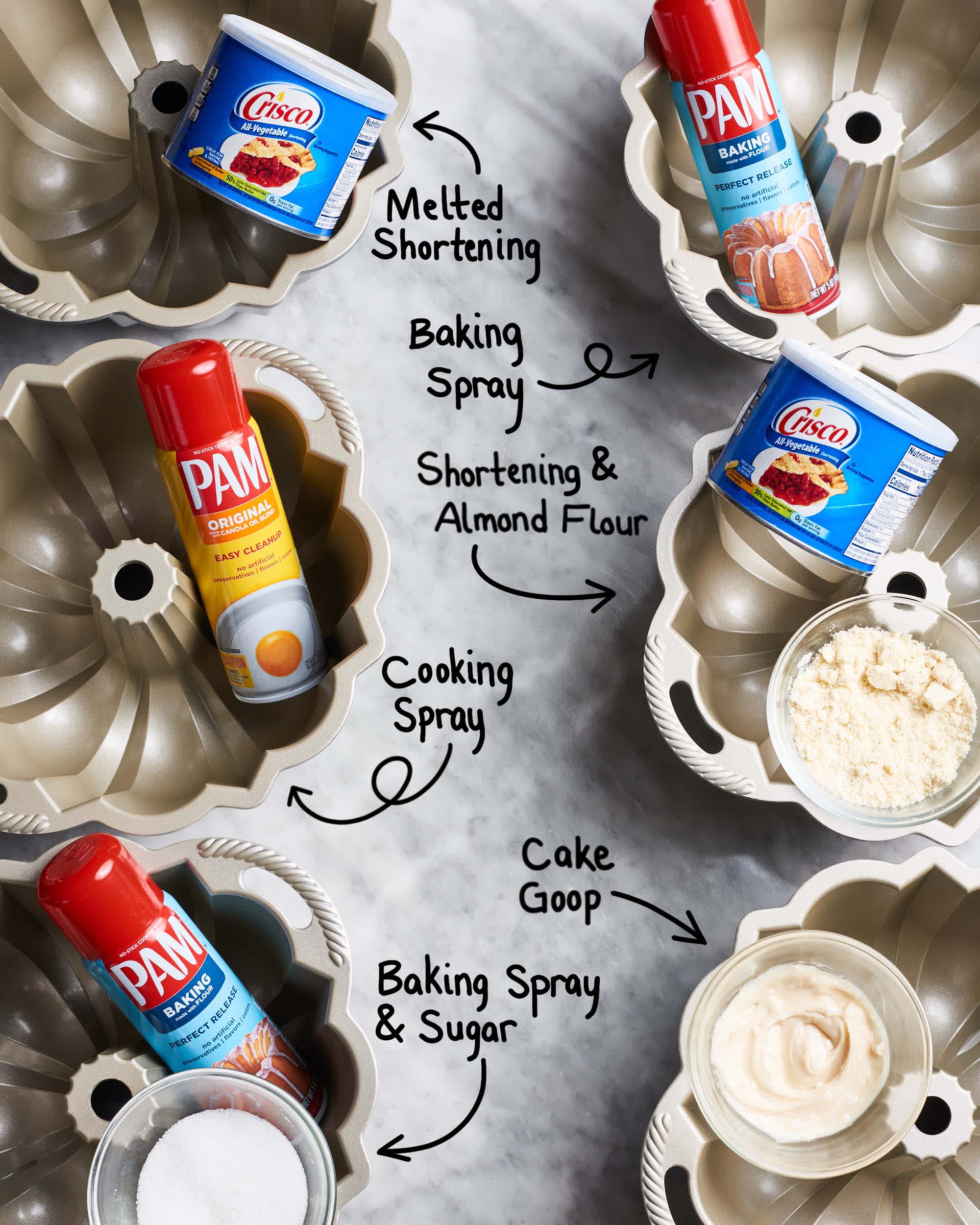
Start by greasing the pan thoroughly. Use a brush or paper towel to spread butter or oil. Cover all the nooks and curves of the Bundt pan. Use shortening if you want extra non-stick power. Avoid using too much grease, which can cause uneven browning.
Using Flour Or Sugar
After greasing, sprinkle flour inside the pan. Shake and tap to cover all surfaces. Flour helps the cake release better. For a sweeter crust, use sugar instead of flour. White or powdered sugar works well. This step adds texture and prevents sticking.
Preventing Sticking
Ensure every part of the pan is covered with grease and flour or sugar. Pay special attention to sharp edges and corners. Use a soft brush to remove excess flour. Don’t skip this step; it avoids tearing the cake. Cool the cake slightly before turning out for best results.
Selecting The Best Cake Recipes
Selecting the best cake recipes for your Bundt cake pan is important. The shape and size of the pan affect how the cake bakes. Choosing the right recipe helps you get a moist, even cake that looks great. Consider the texture, flavors, and baking time to match your pan and taste.
Dense Vs. Light Batters
Dense batters hold their shape well in a Bundt pan. They fill the grooves and create sharp details on the cake. Heavy cakes like pound cake or chocolate bundt work best. Light batters may not fill the pan evenly. They can rise too fast and collapse. Choose a recipe with medium to thick batter for best results.
Flavor Pairings
Bundt cakes offer many flavor options. Classic choices include lemon, vanilla, and chocolate. Adding nuts, spices, or fruit can enhance the taste. Think about flavors that suit the season or event. Simple pairings like cinnamon and apple or orange and cranberry work well. Keep flavors balanced to avoid overpowering the cake.
Adjusting Baking Times
Baking times for Bundt cakes differ from regular cakes. The pan’s shape means heat spreads differently. Dense cakes take longer to bake. Light cakes bake faster but need careful watching. Use a toothpick to test doneness. Adjust your oven time by 5 to 10 minutes if needed. Check often to avoid overbaking or undercooking.
Credit: www.nordicware.com
Baking Tips For Even Cakes
Baking an even Bundt cake can be tricky without the right tips. Cakes sometimes rise unevenly or bake too fast on the edges. Using the correct baking techniques helps avoid these problems. It ensures your cake looks great and tastes perfect. Follow these baking tips for even cakes in your Bundt pan.
Oven Temperature Settings
Set your oven to the right temperature. Too hot, and the edges cook faster than the center. Too low, and the cake stays wet inside. Most Bundt cakes bake well between 325°F and 350°F (163°C to 177°C). Use an oven thermometer for accuracy. Avoid opening the oven door often to keep the heat steady.
Placement In Oven
Place the Bundt pan in the middle rack of the oven. This spot gives even heat all around the cake. Avoid putting the pan too close to the top or bottom. These spots can cause uneven baking. Keep space around the pan for air to circulate well.
Testing For Doneness
Check if the cake is done by inserting a toothpick or skewer. It should come out clean or with a few crumbs attached. Avoid opening the oven too early to test. Start checking 5 minutes before the recipe’s time ends. This prevents the cake from sinking or cracking.
Cooling And Removing Cakes
Cooling and removing cakes from a Bundt pan is a delicate process. It helps keep the cake’s shape and texture perfect. Knowing how long to cool and how to release the edges makes a big difference.
Taking your time during this step prevents the cake from breaking or sticking. Follow these simple tips for the best results.
Ideal Cooling Time
Let the cake cool in the pan for about 10 to 15 minutes. This helps the cake firm up but keeps it warm enough to release easily. Cooling too long can make the cake stick to the pan. Too short, and it may break apart.
Loosening Edges
Use a small knife or a thin spatula to gently loosen the edges. Run it carefully around the inside of the pan. This frees the cake without tearing. Take your time and be gentle to protect the cake’s design.
Flipping Techniques
Place a plate or cooling rack over the top of the pan. Hold the pan and plate tightly together. Flip them quickly but carefully. Lift the pan straight up to release the cake. If it sticks, tap the pan gently or shake it slightly.
:max_bytes(150000):strip_icc()/__opt__aboutcom__coeus__resources__content_migration__serious_eats__seriouseats.com__2019__03__20190227-bundt-cakes-vicky-wasik-filling-pan-1500x1125-97dfd07e77554653ba4d43c54d8cab92.jpg)
Credit: www.seriouseats.com
Decorating Bundt Cakes
Decorating Bundt cakes makes them look special and inviting. A simple cake can turn into a beautiful dessert with small touches. Decorating is easy and fun, even for beginners. It lets you add color, texture, and flavor. You can keep it simple or get creative with toppings. Here are some great ideas to decorate your Bundt cake.
Glazes And Icings
Glazes and icings add shine and sweetness. They drip down the sides, highlighting the cake’s shape. Use a simple glaze made with powdered sugar and milk. Add vanilla or lemon juice for flavor. Pour the glaze slowly over the cake. You can also use cream cheese icing for a richer taste. Spread it gently, letting it flow naturally.
Dusting With Powdered Sugar
Powdered sugar dusting is quick and elegant. Use a fine sieve to sprinkle sugar evenly. It creates a soft, snowy look on the cake. This method works well for cakes with detailed designs. Dust just before serving to keep it fresh. It adds a light sweetness without overpowering the cake.
Adding Fresh Fruit Or Nuts
Fresh fruit and nuts bring color and crunch. Place berries, sliced fruits, or whole nuts on top. They decorate and add natural flavors. Use fruits like strawberries, blueberries, or raspberries. Sprinkle chopped nuts like almonds or pecans for texture. Arrange them neatly for a clean look or scatter for a rustic feel.
Cleaning And Maintaining Your Pan
Cleaning and maintaining your Bundt cake pan is key to its long life. Proper care keeps the pan looking new and baking smoothly. A clean pan prevents flavors from mixing and ensures even baking every time.
Hand Washing Tips
Always wash your Bundt pan by hand. Use warm water and mild dish soap. Avoid harsh detergents that can damage the pan’s surface. Use a soft sponge or cloth to clean gently. Do not use steel wool or abrasive scrubbers. Rinse well to remove all soap. Dry the pan completely with a soft towel to stop rust.
Avoiding Damage
Do not put your Bundt pan in the dishwasher. High heat and strong detergents can ruin the finish. Avoid sudden temperature changes; let the pan cool before washing. Never use metal utensils that can scratch the surface. Use silicone, wood, or plastic tools instead. Handle the pan carefully to avoid dents or bends.
Storage Recommendations
Store your Bundt pan in a dry place. Keep it away from heavy items that could bend it. Stack pans with a soft cloth or paper towel between them. This prevents scratches and dents. Make sure the pan is fully dry before storing. Proper storage keeps your pan ready for the next bake.
Credit: www.thekitchn.com
Frequently Asked Questions
How Do I Prepare A Bundt Cake Pan For Baking?
To prepare a Bundt cake pan, grease it thoroughly with butter or oil. Then, dust with flour or use a non-stick spray to prevent sticking.
Can I Use Any Cake Recipe With A Bundt Pan?
Most cake recipes work well in a Bundt pan, especially dense batters like pound cake. Avoid thin batters, which may not hold shape.
How Long Should I Bake A Cake In A Bundt Pan?
Bake times vary, but typically 45-60 minutes at 325-350°F. Check doneness with a toothpick; it should come out clean.
How Do I Remove The Cake From A Bundt Pan Easily?
Cool the cake for 10-15 minutes, then gently loosen edges with a knife. Invert onto a plate and tap to release the cake.
Conclusion
Using a Bundt cake pan can make baking more fun and creative. It helps shape your cake with beautiful patterns. Always grease the pan well to avoid sticking. Fill it evenly for a nice, even bake. Let the cake cool before removing it from the pan.
With practice, your cakes will look great and taste delicious. Try different recipes to enjoy many flavors. Baking with a Bundt pan brings joy to your kitchen. Give it a try and see the results yourself!