Are you ready to bring that perfect grilled flavor right to your kitchen? Using a grill pan on your stovetop is easier than you think, and it can transform everyday meals into something special.
Whether you want juicy steaks, crispy veggies, or those classic grill marks, this guide will show you exactly how to get the best results every time. Keep reading, and you’ll discover simple tips and tricks that make cooking with a grill pan fun, fast, and delicious.
Your taste buds will thank you!
:max_bytes(150000):strip_icc()/sea-grill-pan-review-horizontal-group-ashlee-redger-36faa59bfac844148c4f845a49b71f06.jpg)
Credit: mydrsprinkler.com
Choosing The Right Grill Pan
Choosing the right grill pan is key to great stovetop grilling. The pan affects cooking results and ease of use. Pick a pan that fits your cooking style and kitchen space. Consider the material, size, and surface type carefully. These factors impact heat distribution, cleaning, and food flavor.
Material Options
Grill pans come in several materials. Cast iron holds heat well and cooks food evenly. It can last many years with proper care. Stainless steel pans heat quickly and resist rust. They are lighter but may not hold heat as long. Aluminum pans heat fast but may warp over time. Choose a material that suits your cooking habits and maintenance preference.
Size And Shape
Choose a pan size that fits your stovetop and food needs. Smaller pans save space but limit cooking volume. Larger pans cook more food but may be heavy or hard to store. Square or rectangular pans offer more cooking space than round ones. Deep pans hold juices and reduce splatter. Think about the meals you often cook before picking a size and shape.
Non-stick Vs Cast Iron
Non-stick pans make cooking and cleaning easier. Food releases quickly without sticking. They work well for delicate foods like fish or eggs. Cast iron pans need seasoning but add flavor and crispiness. They can withstand high heat for searing meat. Non-stick pans may not last as long as cast iron. Choose based on your cooking style and how much effort you want for cleaning.
Preparing Your Grill Pan
Preparing your grill pan properly ensures better cooking results and longer pan life. Taking a few simple steps before cooking makes a big difference. Clean the pan well, heat it correctly, and season it if needed. These steps help food cook evenly and prevent sticking.
Cleaning Before Use
Start by washing the grill pan with warm water and mild soap. Use a soft sponge to remove dust and residue. Avoid harsh cleaners or steel wool that can damage the surface. Rinse well and dry completely with a towel. Clean pans cook food better and prevent flavors from mixing.
Preheating Tips
Place the grill pan on medium heat before adding food. Let it heat for about 3 to 5 minutes. This helps create those perfect grill marks and seals in juices. Avoid overheating to prevent burning. Test by sprinkling a few drops of water; they should sizzle and evaporate quickly.
Seasoning Cast Iron Pans
Seasoning adds a natural non-stick layer to cast iron grill pans. Rub a thin coat of cooking oil over the entire surface. Heat the pan on low for 30 minutes, then let it cool. Repeat this process a few times for better protection. Seasoned pans improve flavor and resist rust.
Best Foods For Stovetop Grilling
Grill pans work great on the stovetop. They give food nice grill marks and a smoky taste. Not every food cooks the same on a grill pan. Some foods work better and taste better when grilled this way. Here are the best foods to use with your stovetop grill pan.
Meats And Poultry
Steak is perfect for grill pans. It cooks fast and gets those tasty grill lines. Chicken breasts and thighs also grill well. They stay juicy and get a nice char. Pork chops and sausages are great too. The pan seals in juices and adds flavor.
Vegetables And Fruits
Peppers, zucchini, and eggplant cook nicely on a grill pan. They soften but keep a little crunch. Onions and asparagus gain a smoky taste. Fruits like pineapple and peaches grill well too. They caramelize and taste sweet and smoky.
Seafood Choices
Salmon and tuna steaks grill perfectly. They cook evenly and get a good sear. Shrimp and scallops also work well. They cook quickly and stay tender. Use a grill pan to add flavor and texture to seafood dishes.
Grilling Techniques On Stovetop
Grilling on a stovetop grill pan offers a great way to enjoy grilled flavors all year. It allows cooking indoors with similar results to outdoor grilling. Good technique makes a big difference in taste and appearance. Focus on heat control, grill marks, and managing smoke for best results.
Achieving Perfect Grill Marks
Preheat the grill pan until it is very hot. Place food gently on the pan without moving it. Let it cook for a few minutes to form marks. Turn the food 90 degrees for crosshatch patterns. Avoid pressing down to keep juices inside. This method creates attractive and tasty grill marks.
Controlling Heat Levels
Start with medium-high heat to sear the food. Lower the heat after searing to cook evenly inside. Adjust heat to avoid burning or undercooking. Use a thick pan for better heat retention. Even heat helps cook food through without drying it.
Managing Smoke And Splatter
Use a splatter guard to reduce mess around the stove. Open windows or use a fan for smoke ventilation. Pat food dry before grilling to cut down splatter. Avoid adding too much oil to the pan. Proper smoke and splatter control keeps cooking clean and safe.
Enhancing Flavor And Texture
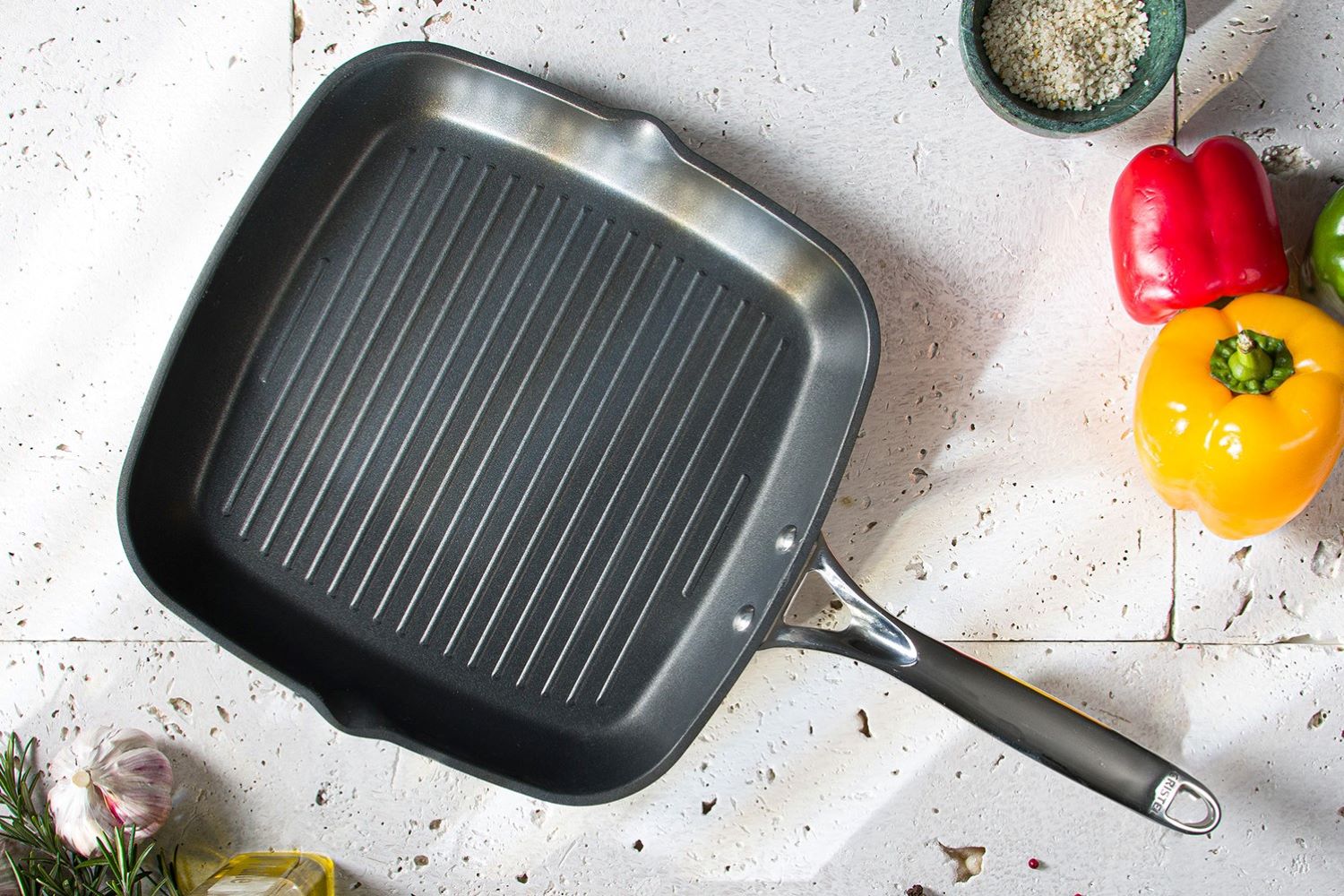
Using a grill pan on the stovetop gives food a tasty, smoky flavor and a nice texture. The ridges on the pan create grill marks. These marks add to the look and taste of grilled food. The pan helps food cook evenly while keeping it juicy inside. Small tricks can make your grilled dishes even better.
Marinades And Rubs
Marinades add flavor and help tenderize meat. Use simple mixtures like olive oil, lemon juice, garlic, and herbs. Let the food soak for at least 30 minutes. Rubs are dry spice mixes that create a crust on the food. Try paprika, salt, pepper, and cumin. Both marinades and rubs boost flavor and make food more exciting.
Using Oils And Fats
Oils keep food from sticking to the grill pan. Use oils with high smoke points like canola or avocado oil. Brush the pan or food lightly before cooking. Fats add flavor and help form a crispy crust. Butter or bacon fat work well. Use just enough to avoid flare-ups or burning.
Resting And Serving Tips
Rest meat after grilling to keep juices inside. Cover it loosely with foil for 5 to 10 minutes. This makes the meat tender and moist. Serve hot with simple sides like grilled vegetables or bread. Cut across the grain for the best texture. These small steps make your meal taste great.
Cleaning And Maintenance
Cleaning and maintaining your grill pan is key to keeping it in good shape. Proper care helps your pan last longer. It also keeps your food tasting great every time.
Post-grilling Cleaning
Let the grill pan cool down before cleaning. Avoid using cold water on a hot pan. Use a soft brush or sponge to remove food bits. Warm water and mild soap work well. Do not use steel wool or harsh scrubbers. These can damage the pan’s surface. Dry the pan thoroughly with a towel after washing.
Avoiding Rust And Damage
Never leave your grill pan wet. Moisture causes rust and weakens the pan. Apply a thin layer of cooking oil to the surface. This protects the pan from moisture. Avoid cooking acidic foods too often. Acid can wear down the pan’s coating. Check for scratches or chips regularly. Handle your pan gently to prevent damage.
Storage Recommendations
Store your grill pan in a dry place. Keep it away from damp cabinets or sinks. If stacking with other pans, place a cloth between them. This prevents scratches and dents. Hang the pan if possible to save space. Make sure it is completely dry before storing.
Common Mistakes To Avoid
Using a grill pan on the stovetop can create delicious meals. Avoiding common mistakes helps get the best results. These errors can affect cooking quality and damage the pan.
Overcrowding The Pan
Placing too much food in the pan lowers the temperature. Food will steam instead of grill. This stops the food from getting those nice grill marks. Cook in small batches for even heat and better taste.
Cooking At Wrong Temperature
Too high heat can burn food outside while leaving inside raw. Too low heat causes food to stick and lose texture. Medium to medium-high heat works best for grill pans. Preheat the pan before adding food for even cooking.
Neglecting Pan Care
Not cleaning the pan properly can ruin its surface. Use warm water and a soft brush after cooking. Avoid harsh detergents or metal scrubbers. Dry the pan well to prevent rust. Regular care keeps your grill pan working longer.
:max_bytes(150000):strip_icc()/faw-grill-pans-test-lodge-chef-collection-seasoned-cast-iron-double-burner-wdickey-662-9a6ec2bfe51d4d71813ddf5434189c69.jpeg)
Credit: vixencomposites.com
Credit: learn.surlatable.com
Frequently Asked Questions
How Do You Preheat A Grill Pan On Stovetop?
Preheat your grill pan over medium heat for 3 to 5 minutes. Ensure it’s hot before adding food. This helps achieve perfect grill marks and even cooking.
Can You Use A Grill Pan On Any Stovetop?
Yes, most grill pans work on gas, electric, and induction stovetops. Check your pan’s material for stovetop compatibility to avoid damage.
How Do You Clean A Grill Pan After Use?
Allow the pan to cool slightly, then scrub with warm, soapy water and a brush. Avoid abrasive cleaners to protect the pan’s surface.
What Foods Are Best Cooked In A Grill Pan?
Grill pans are ideal for steaks, chicken, vegetables, and fish. They give food a grilled flavor and attractive sear marks without outdoor grilling.
Conclusion
Using a grill pan on your stovetop is simple and fun. Preheat the pan well for perfect grill marks. Cook foods evenly by turning them carefully. Clean the pan right after use to keep it in good shape. Enjoy tasty, grilled meals anytime without an outdoor grill.
Practice often, and your skills will improve quickly. A grill pan adds great flavor to everyday cooking. Try different foods to find your favorite grilled dishes.