Are you ready to bake the perfect pie but unsure how to get the best results with your glass or ceramic pie dish? Knowing how to use your pie dish correctly can make all the difference between a soggy crust and a golden, crispy masterpiece.
You’ll discover simple tips and tricks that will help you bake like a pro, whether you’re using glass or ceramic. Get ready to unlock the full potential of your pie dish and impress everyone with your delicious, picture-perfect pies!
Choosing The Right Pie Dish
Choosing the right pie dish is key to baking a perfect pie. The dish you pick affects cooking time, crust texture, and ease of use. Glass and ceramic are popular choices. Each has unique features that suit different baking needs. Understanding these differences helps you bake better pies every time.
Glass Vs Ceramic: Pros And Cons
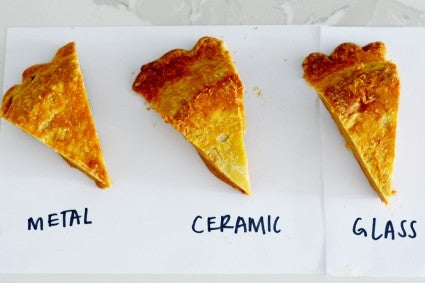
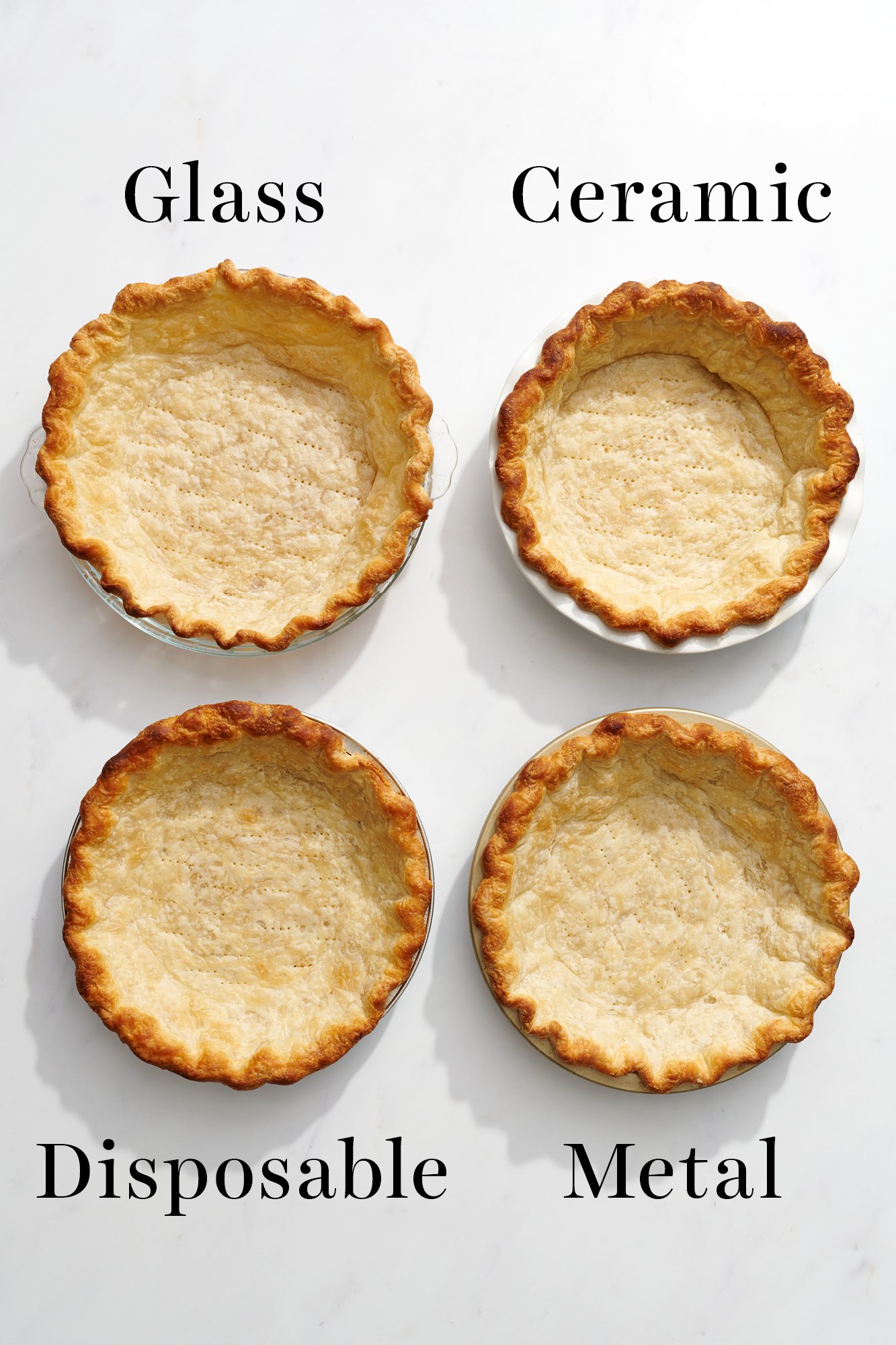
Glass pie dishes let you see the crust as it bakes. This helps prevent overcooking. Glass heats evenly but cools slowly after baking. It is easy to clean and usually dishwasher safe.
Ceramic pie dishes hold heat longer. They give pies a golden, crispy crust. Ceramic is heavier and can break if dropped. It often has decorative designs, good for serving.
Size And Shape Considerations
Choose a dish size that fits your recipe. Standard sizes are 8 to 9 inches. Deeper dishes hold more filling but take longer to bake. Shallow dishes cook faster and make a crispier crust.
Round dishes are classic for pies. Square or rectangular dishes work for tarts or bars. Make sure the shape fits your oven and storage space.
Heat Distribution Differences
Glass heats up slowly and cools down slowly. This means even baking but slower cooking start. Ceramic heats evenly but keeps heat longer. This helps crust brown well and stay warm.
Both materials distribute heat well but in different ways. Knowing this helps you adjust baking time and temperature. Use this knowledge to avoid burnt crusts or undercooked filling.
Credit: www.kingarthurbaking.com
Preparing Your Pie Dish
Preparing your pie dish is an important first step for a perfect pie. A clean and well-prepared dish helps your pie cook evenly and prevents sticking. Whether you use glass or ceramic, proper care makes a big difference.
Cleaning And Seasoning Tips
Always wash your pie dish before using it. Use warm water and mild soap. Avoid harsh scrubbing to protect the surface. Dry the dish completely before the next step.
For ceramic dishes, some cooks season them. Rub a small amount of vegetable oil inside. Bake the dish at a low temperature for 30 minutes. This can help create a smoother surface and reduce sticking.
Glass dishes usually do not need seasoning. Just ensure they are clean and dry before use.
Greasing Techniques For Non-stick
Even non-stick dishes benefit from light greasing. Use a small amount of butter or oil. Spread it evenly with a paper towel or brush. This adds flavor and helps the crust brown nicely.
Avoid using too much grease. Excess oil can cause the crust to become soggy or greasy.
Using Parchment Or Foil Liners
Parchment paper works well for easy pie removal. Cut a circle slightly larger than the dish. Place it at the bottom before adding the crust. This stops sticking and keeps the pie intact.
Aluminum foil can line the edges of the crust. This prevents burning during longer baking. Remove the foil in the last 10 minutes for even browning.
Filling And Crust Tips
Filling and crust tips help make your pie taste better and look great. Using a glass or ceramic pie dish needs care to get a perfect bake. These tips help avoid common problems with crust and filling. Follow these easy steps for a delicious pie every time.
Preventing Soggy Bottoms
To stop the crust from getting soggy, use a hot pie dish. Preheat the glass or ceramic dish before adding the crust. This helps the bottom cook faster. Brush the crust with egg white before adding the filling. It creates a seal to keep moisture out. Avoid very wet fillings or cook them first to reduce liquid.
Even Crust Browning Tricks
Cover the crust edges with foil to prevent burning. Remove the foil near the end to brown the edges evenly. Use an egg wash on the crust for a shiny, golden look. Bake the pie on a lower oven rack for even heat. Rotate the pie halfway through baking for uniform color.
Dealing With Sticky Fillings
Sticky fillings can stick to glass or ceramic dishes. Lightly grease the dish with butter or oil before adding the crust. Sprinkle a little flour or sugar on the crust to stop sticking. Let the pie cool before slicing to keep the filling firm. Use a sharp knife and clean it after each cut.
Credit: handletheheat.com
Baking Tips For Glass And Ceramic
Baking with glass and ceramic pie dishes offers even heat and beautiful presentation. These materials hold heat well, which helps bake pies evenly. To get the best results, follow some simple baking tips. These tips help you avoid common problems and improve your pie’s texture and taste.
Adjusting Oven Temperatures
Glass and ceramic dishes heat differently than metal pans. They need a lower oven temperature. Reduce the recipe temperature by 25°F (about 15°C). This prevents the crust from burning while the filling cooks well. Start checking your pie a few minutes earlier than usual.
Monitoring Bake Time
Glass and ceramic dishes keep heat longer, so bake time can vary. Check your pie often to avoid overbaking. Use a timer but also watch for visual cues. Look for a golden crust and bubbling filling to know it is done. Avoid opening the oven door too much.
Avoiding Thermal Shock
Sudden temperature changes can crack glass and ceramic dishes. Never move the dish from the freezer directly to a hot oven. Let the dish reach room temperature before baking. Avoid placing a hot dish on a cold or wet surface. Use a wooden board or cloth instead.
Cleaning And Maintenance
Cleaning and maintenance of glass and ceramic pie dishes keep them in good shape for a long time. Proper care prevents damage and keeps your dishes looking fresh. Simple steps help maintain their shine and durability.
Removing Stubborn Stains
Soak the pie dish in warm water and mild soap for 15 minutes. Use a soft sponge or cloth to scrub gently. Avoid steel wool or harsh scrubbers as they scratch the surface. For tough stains, mix baking soda and water into a paste. Apply the paste to stains and let it sit for 20 minutes. Rinse with warm water and dry with a soft towel. Repeat if necessary but do not use bleach or strong chemicals.
Safe Dishwashing Practices
Always wash your pie dish with warm, soapy water. Hand washing is best for delicate glass and ceramic items. Avoid sudden temperature changes to prevent cracking. Do not place cold dishes directly into hot water. Use a non-abrasive sponge for cleaning. If you use a dishwasher, place the dish securely to avoid bumps. Choose gentle dishwasher cycles to protect the finish.
Storage Suggestions
Store pie dishes in a dry, cool place to avoid moisture damage. Stack dishes carefully with a soft cloth or paper towel between them. This prevents scratches and chips. Keep dishes away from heavy items that could cause cracks. Avoid stacking too many dishes to reduce pressure. Proper storage keeps your pie dishes ready for your next baking session.
Creative Uses Beyond Baking
Pie dishes, whether glass or ceramic, offer more than just baking uses. They can brighten up your table and kitchen in many creative ways. These dishes are versatile tools that add charm and function beyond pies.
Serving And Presentation Ideas
Use a pie dish to serve salads or fruit mixes. Its shape makes food look neat and attractive. You can also use it for snacks like chips or nuts during gatherings. The clear glass dish shows colorful ingredients beautifully.
Using For Other Dishes
Pie dishes work well for casseroles or lasagna. They hold heat evenly, helping food cook well. You can bake quiches, tarts, or even roast vegetables. Their size and depth make them perfect for many recipes.
Decorative Purposes
Empty pie dishes can hold candles or potpourri. Use them as a base for centerpieces with flowers or seasonal decorations. Glass dishes reflect light, creating a warm glow. Ceramic dishes add a rustic or elegant touch to your decor.

Credit: www.esseg.eu
Frequently Asked Questions
What Is The Best Use Of A Glass Pie Dish?
A glass pie dish evenly distributes heat for perfect baking. It is ideal for fruit pies and quiches. The clear sides help monitor crust color. Glass dishes are also easy to clean and dishwasher safe.
Can Ceramic Pie Dishes Go In The Oven?
Yes, ceramic pie dishes are oven-safe and retain heat well. They provide even cooking and keep pies warm longer. Always check manufacturer guidelines for maximum temperature limits before baking.
How To Prevent Sticking In Glass Pie Dishes?
To prevent sticking, lightly grease the glass dish with butter or oil. You can also dust with flour or use parchment paper. This ensures easy pie removal and keeps crust intact.
Are Glass And Ceramic Pie Dishes Microwave Safe?
Most glass and ceramic pie dishes are microwave safe. They heat food evenly without causing damage. However, avoid rapid temperature changes to prevent cracking. Always check product instructions for microwave use.
Conclusion
Using glass or ceramic pie dishes helps bake pies evenly and look nice. Both materials hold heat well and are easy to clean. Choose the dish that fits your recipe and oven size. Always handle with care to avoid cracks or breaks.
With these tips, your pies will turn out tasty and perfect every time. Enjoy baking and sharing your delicious creations!