

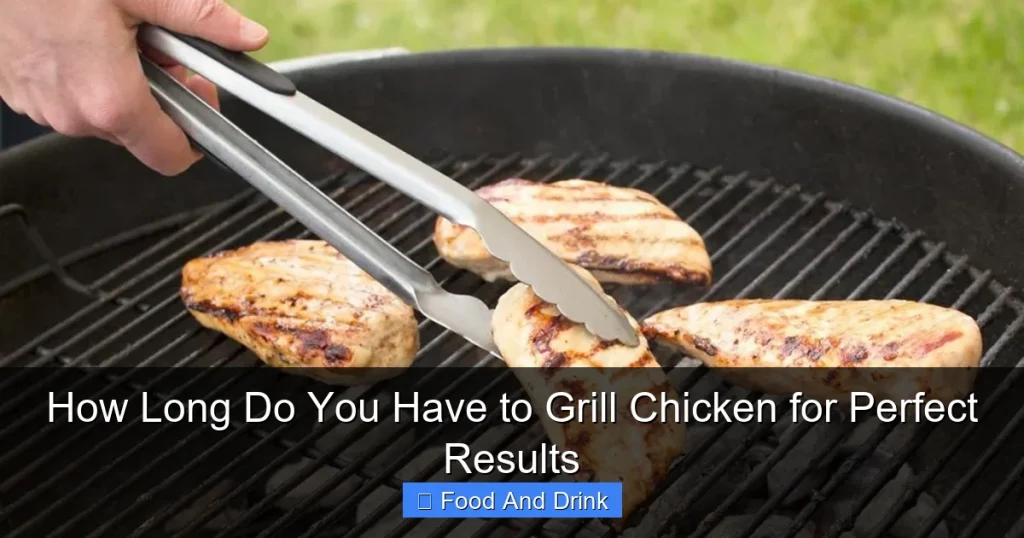

Grilling chicken perfectly means balancing time, temperature, and technique. Whether you’re cooking boneless breasts, bone-in thighs, or drumsticks, knowing exactly how long to grill chicken ensures it’s safe to eat, tender, and full of flavor. With the right approach, you’ll avoid dry, rubbery meat or undercooked centers—every single time.
Grilling chicken might seem simple—after all, it’s just meat on a hot surface, right? But anyone who’s ever served up dry, rubbery chicken or worse, undercooked poultry, knows that timing is everything. The question “how long do you have to grill chicken for” isn’t just about minutes on the grill; it’s about understanding heat, thickness, cut, and safety. When done right, grilled chicken is juicy, smoky, and packed with flavor. When done wrong? Well, let’s just say your dinner guests might be reaching for the bread rolls a little too quickly.
The good news is that with a few key principles, you can master grilled chicken every time. It doesn’t require fancy equipment or chef-level skills—just attention to detail and a reliable thermometer. Whether you’re firing up a gas grill for a weeknight dinner or hosting a backyard barbecue, knowing how long to grill chicken ensures consistent, delicious results. In this guide, we’ll walk you through everything from prep to plating, including exact timing for different cuts, tips for avoiding common mistakes, and how to tell when your chicken is truly done.
Key Takeaways
- Chicken must reach 165°F internally: This is the USDA-recommended safe temperature to kill harmful bacteria like salmonella.
- Boneless breasts take 6–8 minutes per side: Cook over medium-high heat for even doneness without drying out.
- Bone-in pieces need 12–15 minutes total: Thighs and drumsticks benefit from indirect heat to cook through without burning.
- Use a meat thermometer: Visual cues can be misleading—always check the internal temperature.
- Rest chicken after grilling: Let it sit for 5 minutes to lock in juices and improve texture.
- Preheat your grill: A hot grill (375°F–450°F) ensures good sear and prevents sticking.
- Marinate for flavor and moisture: Acidic or oil-based marinades can reduce cooking time slightly and boost tenderness.
Quick Answers to Common Questions
How long do you have to grill chicken breast?
Boneless, skinless chicken breasts typically take 6 to 8 minutes per side over medium-high heat, for a total of 12 to 16 minutes. Always check that the internal temperature reaches 165°F.
Can you grill chicken from frozen?
It’s not recommended to grill chicken directly from frozen, as it leads to uneven cooking and potential food safety risks. Thaw it in the refrigerator first, then grill as usual.
Should you marinate chicken before grilling?
Yes, marinating adds flavor and can improve tenderness. Aim for at least 30 minutes, but no more than 12 hours for acidic marinades to avoid mushy texture.
What’s the best way to prevent flare-ups when grilling chicken?
Trim excess fat, use lean cuts, and cook over indirect heat. Keep a spray bottle of water handy to control sudden flames.
How do you know when grilled chicken is done without a thermometer?
While not recommended, you can check by cutting into the thickest part—juices should run clear and meat should be opaque with no pink. However, a thermometer is the only reliable method.
📑 Table of Contents
Why Timing Matters When Grilling Chicken
Chicken is one of the most popular proteins to grill, and for good reason—it’s versatile, absorbs flavors well, and cooks relatively quickly. But its popularity also means it’s often mishandled. Undercooked chicken poses serious health risks, including foodborne illnesses from bacteria like salmonella and campylobacter. On the flip side, overcooked chicken becomes dry, tough, and unappetizing. That’s why timing is so critical.
The ideal grilled chicken is safe to eat, tender, and juicy—with a slightly charred exterior that adds smoky depth. Achieving this balance depends on precise timing, which varies based on the cut of chicken, grill temperature, and cooking method. For example, a thin boneless breast will cook much faster than a thick bone-in thigh. If you treat them the same, one will be overdone while the other remains raw in the center.
Another factor is carryover cooking. Just like with steak, chicken continues to cook slightly after it’s removed from the grill. This means pulling it off a few degrees before it hits the target temperature can prevent overcooking. But you can’t rely on guesswork. That’s where a meat thermometer becomes your best friend.
The Science of Safe Chicken
The USDA recommends cooking all poultry to an internal temperature of 165°F (74°C). This temperature is scientifically proven to destroy harmful pathogens quickly and effectively. While some chefs argue that 160°F is sufficient if held for a short time, 165°F is the gold standard for home cooks because it eliminates risk without requiring precise timing.
It’s also important to note that color is not a reliable indicator of doneness. Chicken can turn white or pink even when undercooked, and well-done chicken can still look slightly pink near the bone. That’s why temperature—not appearance—should guide your decisions.
How Heat Affects Cooking Time
Grill temperature plays a huge role in how long you have to grill chicken. A hot grill (around 400°F–450°F) sears the outside quickly, locking in juices and creating those desirable grill marks. But if the heat is too high, the outside can burn before the inside cooks through. Conversely, low heat (below 350°F) may prevent burning but can lead to dry, rubbery meat because the chicken loses too much moisture during the extended cook time.
Medium-high heat (375°F–425°F) is usually the sweet spot for most chicken cuts. It allows for a good sear while giving the interior time to cook evenly. For thicker pieces like bone-in thighs or whole chicken halves, using a combination of direct and indirect heat can help prevent charring while ensuring thorough cooking.
How Long to Grill Different Cuts of Chicken

Visual guide about How Long Do You Have to Grill Chicken for Perfect Results
Image source: goshindig.com
Not all chicken is created equal—especially when it comes to grilling. The cut you choose affects everything from cooking time to flavor and texture. Here’s a breakdown of how long to grill chicken for the most common cuts, along with tips for each.
Boneless, Skinless Chicken Breasts
Boneless breasts are a weeknight favorite—lean, quick-cooking, and easy to season. But they’re also prone to drying out if overcooked. On average, you’ll need to grill boneless chicken breasts for 6 to 8 minutes per side over medium-high heat (around 400°F).
Start by pounding the thicker end of the breast to an even thickness—this ensures uniform cooking. Season generously with salt, pepper, and your favorite spices or marinade. Place the breasts on a preheated, oiled grill and cook for 6 minutes on the first side. Flip and cook for another 6 to 8 minutes, depending on thickness.
Use a meat thermometer to check the internal temperature in the thickest part. It should read 165°F. If you’re not using a thermometer, make a small cut near the center—juices should run clear, and the meat should be opaque with no pink.
Pro tip: To keep breasts moist, brine them for 30 minutes to 2 hours before grilling. A simple saltwater brine (1/4 cup salt per quart of water) helps the meat retain moisture during cooking.
Bone-In Chicken Thighs and Drumsticks
Dark meat lovers, rejoice—thighs and drumsticks are more forgiving than breasts and deliver rich, juicy results. Because they contain more fat and connective tissue, they stay moist even with slightly longer cook times. Bone-in pieces also take longer to cook due to the bone acting as an insulator.
For bone-in thighs and drumsticks, plan on grilling for 12 to 15 minutes total. Start by searing over direct heat for 2 to 3 minutes per side to develop a nice crust. Then move them to indirect heat (the cooler side of the grill) and continue cooking with the lid closed. This method prevents burning while allowing the interior to cook through.
Check the temperature in the thickest part, avoiding the bone. It should reach 165°F. Drumsticks may take a little longer than thighs due to their shape, so give them an extra minute or two if needed.
Marinating bone-in pieces for at least 2 hours (or overnight) enhances flavor and tenderness. Try a mix of olive oil, lemon juice, garlic, and herbs like rosemary or thyme.
Chicken Wings
Wings are a crowd-pleaser, but they require a different approach. Because they’re small and have a high skin-to-meat ratio, they can go from perfect to burnt in seconds. For crispy, juicy wings, grill them over medium heat (around 375°F) for 15 to 20 minutes, turning every 5 minutes.
Alternatively, you can par-cook wings in the oven at 375°F for 20 minutes before grilling. This ensures they’re fully cooked and reduces flare-ups from dripping fat. Finish them on the grill for 5 to 10 minutes to crisp the skin and add smoky flavor.
For extra crispiness, pat the wings dry before grilling and toss them in a light coating of baking powder (not baking soda)—this draws out moisture and promotes browning.
Whole Chicken (Spatchcocked or Halved)
Grilling a whole chicken is impressive and delicious, but it requires patience and technique. The best method is spatchcocking—removing the backbone and flattening the bird. This allows it to cook evenly and reduces total grill time.
A spatchcocked chicken typically takes 45 to 60 minutes on the grill, depending on size. Cook it over indirect heat at 375°F–400°F, breast-side up. Use a meat thermometer to check both the breast (165°F) and thigh (175°F for extra tenderness).
If you prefer to grill a halved chicken (cut in half down the breastbone), expect similar timing. Season generously, oil the skin lightly, and rotate the halves occasionally for even browning.
Chicken Skewers (Kabobs)
Skewers are fun, fast, and perfect for summer grilling. Cube boneless chicken (breast or thigh) into 1.5-inch pieces and thread onto metal or soaked wooden skewers. Grill over medium-high heat for 8 to 12 minutes, turning every 2 to 3 minutes.
Smaller pieces cook quickly, so keep an eye on them. The internal temperature should reach 165°F. Marinating skewers for at least 30 minutes adds flavor and helps prevent drying.
Pro tip: Alternate chicken with vegetables like bell peppers, onions, and zucchini for a complete meal. Just be aware that veggies may cook faster, so adjust timing or remove them early.
Grill Types and How They Affect Cooking Time

Visual guide about How Long Do You Have to Grill Chicken for Perfect Results
Image source: bhg.com
Not all grills are the same, and the type you use can influence how long you have to grill chicken. Gas, charcoal, and pellet grills each have unique heat profiles and cooking characteristics.
Gas Grills
Gas grills offer convenience and precise temperature control. They heat up quickly and allow you to adjust the flame with a knob. For chicken, set the grill to medium-high (around 400°F) and use both direct and indirect zones.
Gas grills are ideal for beginners because they’re predictable and easy to manage. However, they may not impart as much smoky flavor as charcoal. To enhance flavor, add wood chips to a smoker box or foil pouch placed over the burners.
Charcoal Grills
Charcoal grills deliver superior smokiness and high heat, making them a favorite among grill masters. They take longer to heat up—usually 15 to 20 minutes—but offer unmatched flavor.
For chicken, arrange the coals for two-zone cooking: pile them on one side for direct heat and leave the other side empty for indirect. Sear the chicken over the hot side, then move it to the cooler side to finish cooking.
Charcoal requires more attention—you’ll need to monitor temperature and adjust vents for airflow. But the payoff is a deeply charred, smoky crust that’s hard to beat.
Pellet Grills
Pellet grills use wood pellets for fuel, combining the convenience of gas with the flavor of charcoal. They maintain consistent temperatures and are great for low-and-slow cooking, but can also handle high-heat grilling.
For chicken, set the pellet grill to 400°F and use the sear function if available. Cooking times are similar to gas grills, but the wood smoke adds a rich, complex flavor.
Pellet grills are more expensive and require electricity, but they’re excellent for those who want flavor without the hassle of managing coals.
Tips for Perfectly Grilled Chicken Every Time

Visual guide about How Long Do You Have to Grill Chicken for Perfect Results
Image source: exactlyhowlong.com
Even with the right timing, a few extra steps can elevate your grilled chicken from good to great. These tips will help you avoid common pitfalls and achieve juicy, flavorful results.
Preheat the Grill
Always preheat your grill for at least 10 to 15 minutes before cooking. A hot grill ensures a good sear, prevents sticking, and reduces overall cooking time. If the grill isn’t hot enough, chicken will steam instead of grill, leading to rubbery skin and bland flavor.
Oil the Grates
Before placing chicken on the grill, oil the grates to prevent sticking. Use tongs and a folded paper towel dipped in vegetable oil. Never spray oil directly onto a hot grill—it can cause flare-ups.
Don’t Overcrowd the Grill
Give each piece of chicken enough space for proper airflow. Overcrowding lowers the grill temperature and causes uneven cooking. Cook in batches if necessary.
Use a Meat Thermometer
This can’t be stressed enough—always use a meat thermometer. Insert it into the thickest part of the meat, avoiding bone. Instant-read thermometers are affordable and widely available. Aim for 165°F, but remember that carryover cooking will raise the temperature by 5°F after resting.
Let Chicken Rest
After grilling, let chicken rest for 5 minutes before slicing or serving. This allows juices to redistribute, resulting in moister meat. Cover loosely with foil to keep warm.
Season Smart
Salt draws out moisture, so avoid salting chicken too far in advance unless you’re brining. Season just before grilling, or use a dry rub that includes salt. For marinades, acidic ingredients like lemon juice or vinegar can tenderize meat, but don’t marinate for more than 12 hours—over-marinating can make the texture mushy.
Common Mistakes and How to Avoid Them
Even experienced grillers make mistakes. Here are some of the most common errors when grilling chicken—and how to fix them.
Flare-Ups
Flare-ups happen when fat drips onto the heat source and ignites. While a little char adds flavor, excessive flare-ups can burn your chicken. To prevent them, trim excess fat, use leaner cuts, or cook over indirect heat. Keep a spray bottle of water nearby to tame sudden flames.
Sticking to the Grill
Chicken sticks when the grill isn’t hot enough or the grates aren’t oiled. Preheat thoroughly and oil the grates before cooking. Don’t move the chicken too soon—let it develop a crust naturally, then it will release easily.
Overcooking
Overcooked chicken is dry and tough. The best defense is a thermometer. Also, avoid pressing down on the meat with a spatula—this squeezes out juices.
Underseasoning
Grilled chicken needs bold seasoning to stand up to the smoky flavor. Don’t be shy with salt, pepper, herbs, and spices. Taste your marinade or rub before applying—adjust as needed.
Ignoring Carryover Cooking
Chicken continues to cook after it’s removed from the grill. Pull it off when it’s 5°F below the target temperature. For example, remove at 160°F if aiming for 165°F.
Conclusion
So, how long do you have to grill chicken for perfect results? The answer depends on the cut, grill type, and heat level—but the goal is always the same: safe, juicy, flavorful chicken. Whether you’re grilling boneless breasts, bone-in thighs, or skewers, timing is crucial. Use a thermometer, preheat your grill, and don’t skip the resting period.
With practice, you’ll develop a feel for when your chicken is done. But until then, rely on science, not sight. Follow the guidelines in this guide, and you’ll serve up restaurant-quality grilled chicken at home—every time. Fire up the grill, invite some friends over, and enjoy the smoky, savory rewards of your effort.
🎥 Related Video: This is how to grill juicy chicken breast on charcoal grill
📺 Schueys BBQ
How to grill juicy chicken breast on charcoal grill #shorts It’s all in the preparation. Keeping chicken breast moist is super easy …
Frequently Asked Questions
How long do you have to grill chicken for it to be safe?
Chicken must reach an internal temperature of 165°F to be safe to eat. This typically takes 12 to 16 minutes for boneless breasts and 12 to 15 minutes for bone-in pieces, depending on thickness and heat.
Can you overcook chicken on the grill?
Yes, overcooked chicken becomes dry and tough. Use a meat thermometer and remove the chicken when it’s 5°F below the target temperature to account for carryover cooking.
Should chicken be grilled with the lid open or closed?
Close the lid when using indirect heat to maintain consistent temperature and promote even cooking. Keep it open when searing over direct heat for better control.
What’s the difference between direct and indirect grilling?
Direct grilling uses heat directly under the food for searing. Indirect grilling places food away from the heat source, allowing slower, more even cooking—ideal for thicker cuts.
Can you grill chicken on a gas grill?
Absolutely. Gas grills are great for chicken because they offer even heat and easy temperature control. Preheat to 375°F–425°F and use both direct and indirect zones.
How do you keep grilled chicken moist?
Brine the chicken before grilling, use a marinade with oil, avoid overcooking, and let it rest for 5 minutes after grilling to retain juices.


