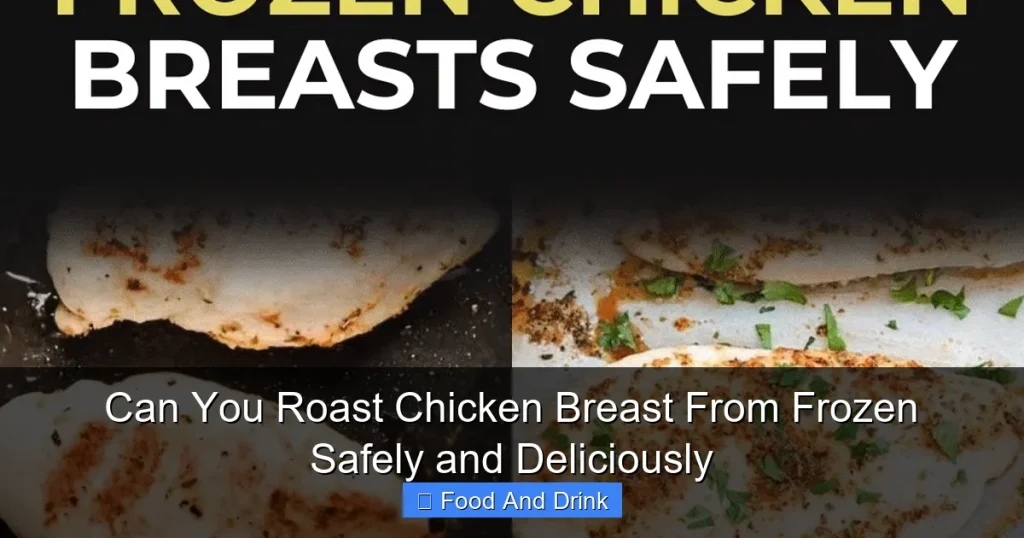

Roasting chicken breast from frozen is not only possible—it can yield juicy, flavorful results when done correctly. With proper techniques, safe handling, and adjusted cooking times, you can skip thawing and still enjoy perfectly cooked poultry. This guide covers everything you need to know to roast frozen chicken breast safely and deliciously.
Key Takeaways
- Yes, you can roast chicken breast from frozen: It’s safe and convenient, especially when you’re short on time.
- Use a lower oven temperature: Cook at 325°F (163°C) to ensure even heating and prevent drying out the exterior.
- Increase cooking time by 50%: Frozen chicken needs significantly longer—typically 50–75 minutes depending on size.
- Season generously and use a marinade: Since frozen chicken doesn’t absorb flavors as well, apply seasonings before roasting or use a wet marinade.
- Use a meat thermometer: Always check that internal temperature reaches 165°F (74°C) in the thickest part.
- Let it rest after cooking: Resting for 5–10 minutes helps retain moisture and improves texture.
- Choose the right pan and rack: A roasting pan with a rack promotes even airflow and prevents soggy bottoms.
Quick Answers to Common Questions
Can you roast chicken breast from frozen without thawing?
Yes, you can roast chicken breast directly from frozen. It’s safe and convenient when cooked properly at a lower temperature for a longer time.
What temperature should you roast frozen chicken breast?
Roast frozen chicken breast at 325°F (163°C) to ensure even cooking and prevent drying out the exterior.
How long does it take to roast frozen chicken breast?
Frozen chicken breast typically takes 50–75 minutes to roast, depending on size. Always use a meat thermometer to confirm it reaches 165°F (74°C).
Do you need to cover frozen chicken when roasting?
Cover loosely with foil for the first 30 minutes to retain moisture, then remove it to allow browning and crisping.
Can you season frozen chicken breast?
Yes, but use wet marinades or oil-based spice pastes for better adhesion, since dry rubs don’t stick as well to frozen surfaces.
📑 Table of Contents
- Can You Roast Chicken Breast From Frozen Safely and Deliciously?
- Why Roasting Frozen Chicken Breast Makes Sense
- Is It Safe to Roast Chicken Breast From Frozen?
- How to Roast Chicken Breast From Frozen: Step-by-Step Guide
- Tips for Juicy and Flavorful Results
- Common Mistakes to Avoid
- Creative Serving Ideas and Pairings
- Conclusion
Can You Roast Chicken Breast From Frozen Safely and Deliciously?
We’ve all been there—planned a healthy dinner, only to realize the chicken breast is still frozen solid in the back of the freezer. Panic sets in. Do you wait hours for it to thaw? Order takeout? Or is there a smarter, faster way?
The good news? You don’t have to wait. You can absolutely roast chicken breast from frozen—safely and deliciously. With the right approach, frozen chicken can come out juicy, tender, and full of flavor, even without thawing. It’s a game-changer for busy weeknights, last-minute meal prep, or when you simply forget to plan ahead.
But here’s the catch: roasting frozen chicken isn’t the same as cooking thawed meat. It requires adjustments in temperature, timing, and technique. If you rush it or use high heat, you risk ending up with a dry exterior and undercooked center. That’s why understanding the science and best practices behind frozen roasting is key.
In this guide, we’ll walk you through everything you need to know—from safety tips and cooking times to seasoning hacks and tools that make the process foolproof. Whether you’re a beginner or a seasoned home cook, you’ll learn how to turn frozen chicken breast into a restaurant-quality meal with minimal effort.
Why Roasting Frozen Chicken Breast Makes Sense

Visual guide about Can You Roast Chicken Breast From Frozen Safely and Deliciously
Image source: recipevibes.com
Let’s face it—life gets busy. Between work, family, and errands, who has time to remember to thaw chicken the night before? Roasting chicken breast from frozen isn’t just a workaround; it’s a practical solution that saves time and reduces food waste.
Convenience and Time-Saving Benefits
One of the biggest advantages of cooking frozen chicken is convenience. You can go straight from freezer to oven, skipping the thawing step entirely. This is especially helpful when you’re meal prepping or need a quick dinner after a long day.
Thawing chicken in the fridge can take 12–24 hours, and even cold-water thawing requires 30 minutes to 2 hours. With frozen roasting, you eliminate that wait. Just season, place in the oven, and walk away.
Reduced Risk of Cross-Contamination
Thawing chicken on the counter or in warm water can increase the risk of bacterial growth. When you roast from frozen, the chicken spends less time in the “danger zone” (40°F to 140°F), where bacteria multiply rapidly. As long as you cook it thoroughly, you’re minimizing food safety risks.
Better Retention of Moisture (When Done Right)
Contrary to popular belief, frozen chicken can retain moisture better than improperly thawed meat. If you thaw chicken too quickly or leave it out too long, it can lose juices and become dry. Roasting from frozen, when done at the right temperature, helps lock in moisture because the outer layers don’t overcook before the inside thaws.
Is It Safe to Roast Chicken Breast From Frozen?
Visual guide about Can You Roast Chicken Breast From Frozen Safely and Deliciously
Image source: recipevibes.com
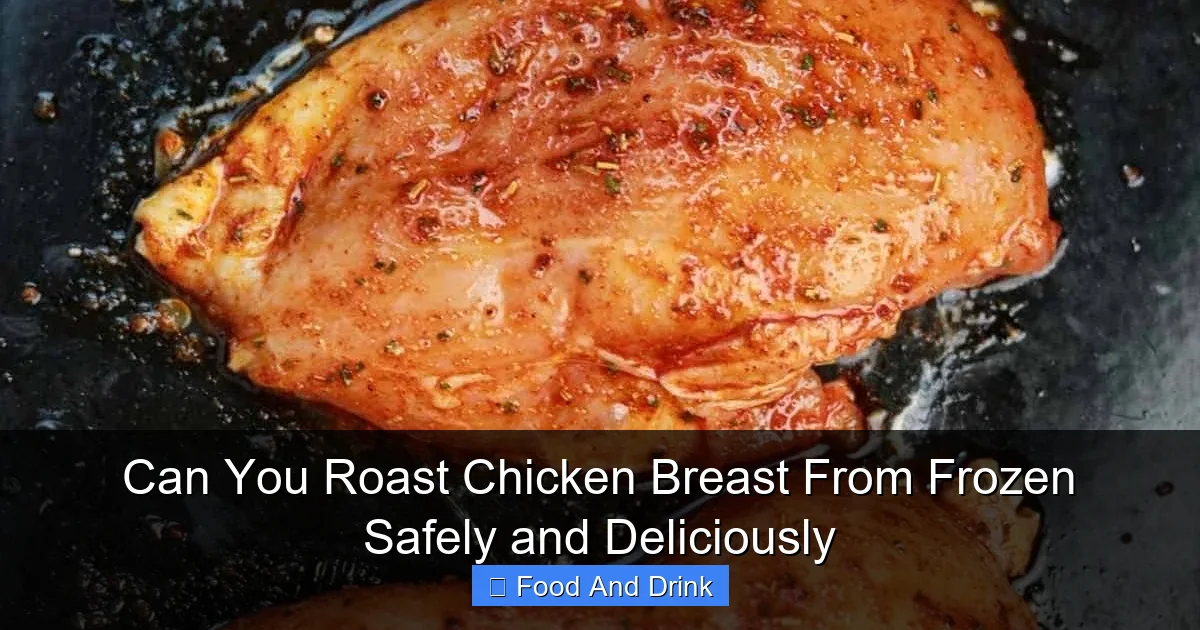
Safety is the number one concern when cooking frozen poultry. The short answer? Yes, it’s safe—as long as you follow proper guidelines.
Understanding Food Safety Guidelines
The U.S. Department of Agriculture (USDA) confirms that cooking frozen chicken is safe, provided it reaches a minimum internal temperature of 165°F (74°C). This temperature kills harmful bacteria like Salmonella and Campylobacter.
However, the key is ensuring the chicken cooks evenly. Because frozen chicken starts at a much lower temperature, it takes longer to reach that safe internal temp. Using high heat can cause the outside to dry out or burn before the center is fully cooked.
Why Lower Temperatures Are Essential
When roasting frozen chicken breast, lower oven temperatures (around 325°F or 163°C) are crucial. This allows the heat to penetrate gradually, giving the interior time to thaw and cook without overcooking the exterior.
High heat (like 400°F or 204°C) might seem faster, but it leads to uneven cooking. The outside can become tough and dry while the center remains undercooked. Slow and steady wins the race here.
The Role of a Meat Thermometer
Never guess when your chicken is done. A digital meat thermometer is your best friend. Insert it into the thickest part of the breast, avoiding bone or fat. Once it reads 165°F (74°C), your chicken is safe to eat.
Pro tip: Check the temperature in multiple spots, especially if the breast is uneven in thickness. Some parts may cook faster than others.
How to Roast Chicken Breast From Frozen: Step-by-Step Guide

Visual guide about Can You Roast Chicken Breast From Frozen Safely and Deliciously
Image source: whereismyspoon.co
Now that we’ve covered the why and the safety, let’s dive into the how. Follow this step-by-step method for perfectly roasted frozen chicken breast every time.
Step 1: Preheat the Oven
Set your oven to 325°F (163°C). This lower temperature ensures even cooking. While the oven heats, take your frozen chicken breasts out of the packaging.
Step 2: Prepare the Chicken
Pat the frozen chicken dry with paper towels. This helps the seasoning stick and promotes better browning. If the breasts are stuck together, gently separate them.
Season generously on all sides. Since frozen chicken doesn’t absorb flavors as well, use bold seasonings. A simple mix of salt, pepper, garlic powder, onion powder, and paprika works great. For extra flavor, brush with olive oil or melted butter before seasoning.
Step 3: Choose the Right Pan and Rack
Use a roasting pan with a rack. The rack elevates the chicken, allowing hot air to circulate underneath. This prevents the bottom from steaming and becoming soggy.
If you don’t have a rack, you can use a baking sheet lined with parchment paper or foil. Just make sure the chicken isn’t sitting in its own juices.
Step 4: Roast the Chicken
Place the seasoned chicken breasts on the rack, spacing them evenly. Roast in the preheated oven.
Cooking time will vary based on size, but here’s a general guide:
– Small breasts (4–6 oz): 50–60 minutes
– Medium breasts (6–8 oz): 60–70 minutes
– Large breasts (8+ oz): 70–75 minutes
Rotate the pan halfway through for even browning.
Step 5: Check the Temperature
After the minimum time, insert a meat thermometer into the thickest part. The internal temperature should reach 165°F (74°C). If it’s not there yet, continue roasting and check every 5 minutes.
Step 6: Let It Rest
Once done, remove the chicken from the oven and let it rest for 5–10 minutes. This allows the juices to redistribute, resulting in a moister, more tender bite.
Tips for Juicy and Flavorful Results
Roasting frozen chicken breast doesn’t have to mean bland or dry meat. With a few smart techniques, you can elevate the flavor and texture.
Season Generously and Use Marinades
Frozen chicken doesn’t absorb dry rubs as well as thawed meat. To boost flavor:
– Use a wet marinade: Brush with olive oil, lemon juice, soy sauce, or yogurt-based marinades before seasoning.
– Add aromatics: Place garlic cloves, onion slices, or fresh herbs (like rosemary or thyme) around the chicken in the pan.
– Try a spice paste: Mix spices with a bit of oil to create a paste that clings better to frozen surfaces.
Add Moisture During Cooking
To prevent dryness, add a splash of liquid to the pan. Broth, wine, or even water can create steam and keep the chicken moist. Cover the pan loosely with foil for the first 30 minutes, then remove it to allow browning.
Use a Meat Thermometer with a Probe
If you have a probe thermometer, insert it before roasting and set an alarm for 165°F (74°C). This way, you’ll know exactly when it’s done without opening the oven repeatedly.
Butter or Oil Basting
For extra richness, baste the chicken with melted butter or olive oil halfway through cooking. This adds flavor and helps with browning.
Resting Is Non-Negotiable
Skipping the rest period is a common mistake. Resting allows the muscle fibers to relax and retain moisture. Cutting into the chicken too soon lets all the juices escape, leaving it dry.
Common Mistakes to Avoid
Even with the best intentions, it’s easy to make errors when roasting frozen chicken. Here are the most common pitfalls and how to avoid them.
Using High Heat
Cranking the oven to 400°F (204°C) or higher might seem efficient, but it leads to burnt exteriors and undercooked centers. Stick to 325°F (163°C) for safe, even cooking.
Not Increasing Cooking Time
Frozen chicken takes about 50% longer to cook than thawed. If you use the same timing, you’ll end up with raw chicken. Always add extra time and check with a thermometer.
Overcrowding the Pan
Piling chicken breasts too close together traps steam and prevents browning. Leave at least 1 inch of space between each piece for proper airflow.
Skipping the Thermometer
Visual cues like color or texture aren’t reliable. The only way to know for sure is with a thermometer. Don’t guess—measure.
Seasoning Too Lightly
Frozen chicken needs more seasoning to compensate for reduced absorption. Don’t be shy with salt, pepper, and spices.
Creative Serving Ideas and Pairings
Once your chicken is perfectly roasted, the fun begins. Here are delicious ways to serve it.
Classic Sides
– Roasted vegetables (carrots, potatoes, Brussels sprouts)
– Steamed green beans or asparagus
– Rice pilaf or quinoa
– Mashed potatoes or sweet potatoes
Sauces and Toppings
– Pan sauce: Deglaze the roasting pan with broth, add butter and herbs.
– Pesto: Drizzle with basil or sun-dried tomato pesto.
– Salsa: Fresh tomato, onion, cilantro, and lime.
Meal Prep Friendly
Slice the cooled chicken and store in airtight containers. It keeps for 3–4 days in the fridge or up to 3 months in the freezer. Perfect for salads, wraps, or grain bowls.
Conclusion
Roasting chicken breast from frozen is not only possible—it’s a smart, safe, and delicious option for modern cooking. With the right temperature, timing, and techniques, you can skip the thawing step and still enjoy juicy, flavorful chicken every time.
Remember: use a lower oven temperature (325°F), increase cooking time by about 50%, season generously, and always check the internal temperature with a meat thermometer. Let the chicken rest before slicing, and don’t forget to add moisture or aromatics for extra flavor.
Whether you’re cooking for one or feeding a family, this method saves time, reduces waste, and delivers consistent results. So the next time you find yourself staring at a block of frozen chicken, don’t panic—just preheat the oven and get roasting.
With these tips, you’ll turn frozen chicken breast into a star ingredient in your kitchen. Safe, simple, and seriously tasty.
Frequently Asked Questions
Is it safe to eat chicken that’s still a little pink after roasting?
Not necessarily. Pink color can sometimes indicate undercooking, especially near the bone. Always check the internal temperature with a thermometer—165°F (74°C) is the safe minimum.
Can you roast frozen chicken breast at 400°F?
It’s not recommended. High heat can cause the outside to burn before the inside thaws and cooks through. Stick to 325°F for even results.
Should I brine frozen chicken before roasting?
Brining frozen chicken isn’t effective because the ice prevents absorption. Instead, use a wet marinade or baste during cooking for moisture.
Can I roast frozen chicken breast in a convection oven?
Yes, but reduce the temperature by 25°F (about 15°C) and monitor closely. Convection ovens cook faster and can dry out meat if not adjusted.
How do I prevent frozen chicken from drying out?
Use a lower temperature, add liquid to the pan, baste with oil or butter, and let the chicken rest after cooking to retain juices.
Can I freeze roasted chicken breast?
Absolutely. Cool completely, slice or leave whole, and store in airtight containers or freezer bags for up to 3 months. Reheat gently to preserve texture.