

Master the art of making roast chicken with stuffing that’s perfectly juicy, golden, and full of flavor. With simple techniques like brining, proper seasoning, and stuffing placement, you’ll impress your family and guests with a restaurant-quality meal at home.
There’s something deeply comforting about the smell of a roast chicken with stuffing wafting through the kitchen. It’s a classic dish that brings families together, whether it’s for Sunday dinner, a holiday feast, or just a cozy weeknight meal. But let’s be honest—getting that perfect balance of crispy skin, tender meat, and flavorful stuffing can feel like a culinary puzzle. Too often, the chicken turns out dry, the stuffing soggy, or the skin pale and limp. But what if I told you that with a few smart techniques, you can make roast chicken with stuffing that’s perfectly juicy every single time?
The secret lies not in fancy equipment or hard-to-find ingredients, but in understanding how heat, moisture, and timing work together. It’s about respecting the bird, treating it with care, and using simple methods that have been passed down through generations—just refined with modern know-how. From brining to basting, from stuffing placement to resting time, each step plays a role in creating a dish that’s not just delicious, but unforgettable. And the best part? You don’t need to be a professional chef to pull it off. With this guide, you’ll learn how to make roast chicken with stuffing that’s golden, juicy, and bursting with flavor—right in your own kitchen.
Key Takeaways
- Brining is key: Soaking the chicken in a saltwater solution keeps it moist and flavorful during roasting.
- Stuffing goes under the skin: For maximum juiciness, place stuffing between the skin and meat, not inside the cavity.
- Use a meat thermometer: Cook to 165°F (74°C) in the thickest part of the thigh to avoid overcooking.
- Let it rest: Resting for 15–20 minutes after roasting allows juices to redistribute for a tender bite.
- Season generously: Don’t shy away from salt, pepper, and herbs—flavor starts with seasoning.
- Roast breast-side up: This ensures even cooking and crispy, golden skin.
- Add aromatics: Onions, garlic, lemon, and herbs in the cavity boost flavor from the inside out.
Quick Answers to Common Questions
Can I use store-bought stuffing for roast chicken?
Yes, you can use store-bought stuffing, but homemade is usually more flavorful and moist. If using packaged stuffing, add extra broth and herbs to prevent dryness.
How do I know if my chicken is fully cooked?
Use a meat thermometer. Insert it into the thickest part of the thigh without touching the bone. The temperature should read 165°F (74°C).
Can I stuff the chicken the night before?
It’s best to stuff the chicken just before roasting. If you must prep ahead, keep the chicken and stuffing separate in the fridge and combine 30 minutes before cooking.
What’s the best way to reheat leftover roast chicken?
Reheat in a 350°F (175°C) oven covered with foil for 20–30 minutes, or until warmed through. Avoid the microwave to prevent drying out.
Can I make this recipe gluten-free?
Absolutely! Use gluten-free bread for the stuffing and ensure all other ingredients, like broth, are certified gluten-free.
📑 Table of Contents
Why Roast Chicken with Stuffing Is a Classic
Roast chicken with stuffing is more than just a meal—it’s a tradition. Across cultures and continents, variations of this dish have been served for centuries, from British Sunday roasts to American Thanksgiving feasts. There’s a reason it endures: it’s simple, satisfying, and deeply nourishing. The combination of tender, slow-roasted meat with savory, herb-infused stuffing creates a harmony of textures and flavors that’s hard to beat.
But beyond nostalgia, this dish is a culinary masterpiece when done right. The chicken, when roasted properly, becomes a canvas for flavor. The skin crisps up into a golden, crackly layer, while the meat beneath stays succulent and juicy. The stuffing, whether made with bread, rice, or grains, soaks up the rich juices from the bird, becoming moist and aromatic. Together, they form a complete meal that’s both hearty and elegant.
What makes roast chicken with stuffing so special is its versatility. You can customize the stuffing to suit your taste—add sausage for richness, dried fruit for sweetness, or mushrooms for earthiness. You can season the bird with classic herbs like rosemary and thyme, or go bold with garlic, lemon, and paprika. And because it’s a one-pan dish, cleanup is minimal, making it perfect for busy weeknights or special occasions alike.
Choosing the Right Chicken

Visual guide about How to Make Roast Chicken with Stuffing Perfectly Juicy
Image source: thumbs.dreamstime.com
Not all chickens are created equal when it comes to roasting. The quality and type of bird you choose can make a big difference in the final result. For the juiciest, most flavorful roast chicken with stuffing, start with a good foundation.
Fresh vs. Frozen
While frozen chickens are convenient and often more affordable, fresh chickens tend to have better texture and flavor. If you’re using a frozen bird, make sure it’s completely thawed in the refrigerator—never at room temperature—to avoid bacterial growth. Thawing takes about 24 hours for every 5 pounds, so plan ahead.
Organic and Free-Range Options
If your budget allows, consider choosing an organic or free-range chicken. These birds are typically raised with more space and natural diets, which can result in better-tasting meat. They also tend to have more fat, which helps keep the chicken moist during roasting.
Size Matters
A 3- to 4-pound chicken is ideal for most home ovens. It’s large enough to feed a family of four to six, but small enough to cook evenly without drying out. Larger birds can be tricky—they often cook unevenly, with the breast drying out before the thighs are done. If you’re cooking for a crowd, consider roasting two smaller chickens instead of one giant one.
Inspect the Bird
Before you begin, check the chicken for any remaining feathers or pinfeathers. Rinse it under cold water and pat it dry with paper towels. A dry surface is crucial for crispy skin, so don’t skip this step.
The Secret to Juicy Meat: Brining
Visual guide about How to Make Roast Chicken with Stuffing Perfectly Juicy
Image source: stellanspice.com
If there’s one technique that can transform your roast chicken with stuffing from good to extraordinary, it’s brining. Brining is the process of soaking the chicken in a saltwater solution, sometimes with added sugar and aromatics, to enhance moisture and flavor. It’s a game-changer for anyone who’s ever served dry, stringy chicken.
How Brining Works
Salt changes the protein structure in the meat, allowing it to retain more moisture during cooking. When you roast a brined chicken, the meat stays juicy even if it’s slightly overcooked. Plus, the salt penetrates deep into the flesh, seasoning it from the inside out.
Wet Brine vs. Dry Brine
There are two main types of brining: wet and dry. A wet brine involves submerging the chicken in a saltwater solution, usually with sugar, herbs, and spices. A dry brine (also called salting) involves rubbing salt directly onto the skin and letting it sit. Both methods work well, but wet brining is especially effective for keeping the meat moist.
Simple Wet Brine Recipe
To make a basic wet brine, dissolve 1/2 cup of kosher salt and 1/4 cup of sugar in 1 gallon of cold water. Add aromatics like garlic, bay leaves, peppercorns, or citrus slices if desired. Submerge the chicken in the brine and refrigerate for 4 to 12 hours. Don’t go longer than 12 hours, or the meat can become too salty.
Dry Brining Tips
For dry brining, generously salt the chicken inside and out, then place it on a rack in a baking dish. Refrigerate uncovered for 12 to 24 hours. This method not only seasons the meat but also dries out the skin, which helps it crisp up in the oven.
Making the Perfect Stuffing

Visual guide about How to Make Roast Chicken with Stuffing Perfectly Juicy
Image source: petersfoodadventures.com
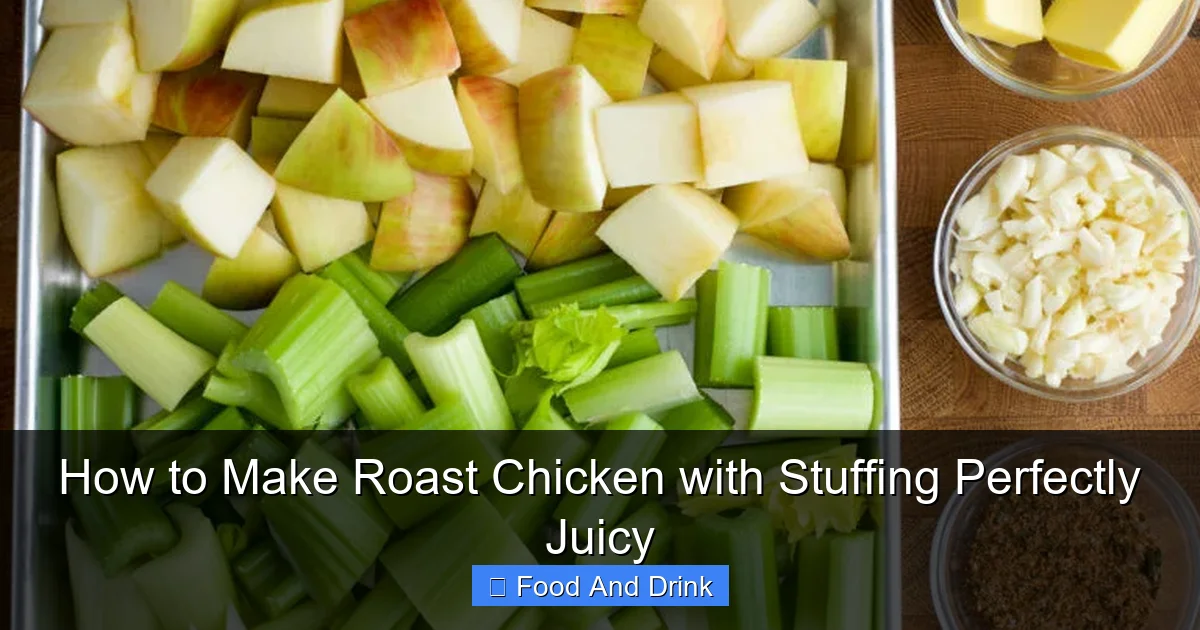
The stuffing is more than just a side—it’s an integral part of the roast chicken with stuffing experience. A great stuffing should be moist, flavorful, and complementary to the bird. But there’s a right way and a wrong way to incorporate it.
Stuffing Under the Skin vs. In the Cavity
Here’s a pro tip: for the juiciest chicken, place the stuffing between the skin and the meat, not inside the cavity. When you stuff the cavity, the stuffing absorbs juices from the chicken, but it can also act as an insulator, slowing down cooking and potentially leading to undercooked meat. Plus, stuffing inside the bird can become soggy and bland.
By placing the stuffing under the skin, you create a flavorful layer that bastes the meat from above as it roasts. The juices from the chicken drip down through the stuffing, keeping it moist and infusing it with rich flavor. It’s a win-win.
How to Stuff Under the Skin
Gently loosen the skin over the breast and thighs by sliding your fingers underneath. Be careful not to tear it. Then, spoon small amounts of stuffing under the skin, spreading it evenly. Don’t overstuff—too much can cause the skin to tear or prevent even cooking.
Classic Bread Stuffing Recipe
For a traditional stuffing, start with stale bread cubes—about 6 cups. Sauté diced onions and celery in butter until soft, then mix with the bread. Add beaten eggs, chicken broth, and herbs like sage, thyme, and parsley. Season with salt and pepper. The mixture should be moist but not soggy.
Variations to Try
Feel free to customize your stuffing. Add cooked sausage, dried cranberries, apples, or nuts for extra texture and flavor. For a vegetarian option, use vegetable broth and add mushrooms or spinach. The key is to keep the stuffing balanced—too many add-ins can overwhelm the dish.
Seasoning and Preparing the Chicken
Once your chicken is brined and your stuffing is ready, it’s time to season and prepare the bird for roasting. This step is all about building layers of flavor.
Pat Dry and Truss
After brining, rinse the chicken and pat it completely dry. Dry skin is essential for crispiness. Truss the legs with kitchen twine to help the chicken cook evenly and maintain its shape.
Season Generously
Season the chicken inside and out with salt and pepper. Don’t be shy—this is your chance to build flavor. You can also rub the skin with olive oil or softened butter to help it brown.
Add Aromatics
Stuff the cavity with aromatics like halved onions, garlic cloves, lemon wedges, and fresh herbs. These won’t be eaten, but they’ll infuse the chicken with incredible scent and taste as it roasts.
Let It Come to Room Temperature
Take the chicken out of the fridge 30 to 60 minutes before roasting. This allows it to cook more evenly. A cold bird straight from the fridge will cook unevenly, with the outside drying out before the inside is done.
Roasting Techniques for Perfect Results
Now for the main event: roasting. The way you cook the chicken determines whether it’s juicy and golden or dry and dull.
Preheat the Oven
Always preheat your oven to 425°F (220°C). A hot oven ensures the skin crisps up quickly and the meat cooks evenly.
Use a Rack
Place the chicken on a rack in a roasting pan, breast-side up. This allows hot air to circulate around the bird, promoting even browning and preventing the bottom from steaming.
Baste for Extra Juiciness
Basting with pan juices or melted butter every 20 minutes helps keep the skin moist and adds flavor. Use a spoon or basting brush to coat the chicken gently.
Monitor the Temperature
The most reliable way to know when your roast chicken with stuffing is done is to use a meat thermometer. Insert it into the thickest part of the thigh, avoiding the bone. The internal temperature should reach 165°F (74°C). This usually takes 1 to 1.5 hours for a 3- to 4-pound chicken.
Avoid Overcooking
Overcooking is the number one cause of dry chicken. Even a few extra minutes can make a big difference. Once the chicken reaches 165°F, remove it from the oven immediately.
Resting and Serving
You’re almost there! But don’t rush to carve the chicken just yet. Resting is a crucial step that ensures every bite is juicy and tender.
Why Resting Matters
When you roast chicken, the juices are pushed toward the center of the meat. If you cut into it right away, those juices will spill out, leaving the meat dry. Resting allows the juices to redistribute, resulting in a more flavorful and moist bite.
How Long to Rest
Let the chicken rest for 15 to 20 minutes, tented loosely with foil. This keeps it warm without trapping steam, which can make the skin soggy.
Carving Tips
To carve, remove the legs and wings first, then slice the breast meat against the grain. Serve with the stuffing and pan juices for maximum flavor.
Common Mistakes to Avoid
Even experienced cooks can make mistakes when roasting chicken. Here are a few to watch out for:
- Not brining: Skipping brining is the fastest way to end up with dry meat.
- Overstuffing the cavity: This can lead to uneven cooking and food safety issues.
- Using a cold chicken: Always let the bird come to room temperature before roasting.
- Skipping the thermometer: Guessing when the chicken is done often leads to overcooking.
- Cutting too soon: Resting is non-negotiable for juicy results.
Conclusion
Making roast chicken with stuffing perfectly juicy is easier than you think—once you know the secrets. From brining to stuffing placement, from seasoning to resting, each step contributes to a dish that’s tender, flavorful, and deeply satisfying. It’s a meal that brings people together, fills the house with warmth, and leaves everyone asking for seconds.
With the tips and techniques in this guide, you’re well on your way to mastering this classic dish. So fire up the oven, gather your ingredients, and get ready to impress. Whether it’s a holiday feast or a simple family dinner, your roast chicken with stuffing will be the star of the table.
Frequently Asked Questions
What temperature should I roast my chicken at?
Roast your chicken at 425°F (220°C) for the first 30 minutes, then reduce to 375°F (190°C) for the remainder of the cooking time. This helps crisp the skin without overcooking the meat.
How long does it take to roast a 4-pound chicken?
A 4-pound chicken typically takes 1 to 1.5 hours to roast, depending on your oven. Always use a meat thermometer to check for doneness.
Can I use a roasting bag?
Yes, a roasting bag can help keep the chicken moist, but it may result in less crispy skin. For best results, use a rack and open roasting pan.
What can I do with the leftover pan juices?
Strain the pan juices and use them as a base for gravy. Simmer with a little flour or cornstarch to thicken, and season to taste.
Is it safe to stuff chicken with raw stuffing?
It’s safer to cook stuffing separately or place it under the skin. Stuffing inside the cavity can harbor bacteria if not cooked to 165°F (74°C).
Can I freeze leftover roast chicken?
Yes, freeze cooked chicken in an airtight container for up to 3 months. Thaw in the fridge and reheat gently to preserve moisture.