
Yes, most shrimp chips are made with real shrimp! The key ingredient is often shrimp powder or dried shrimp, which gives them their distinct flavor and texture. While recipes can vary, the presence of shrimp is what defines these popular snacks.
Ever found yourself munching on a crispy, airy shrimp chip and wondered about its origins? It’s a common question, especially when you’re diving into the world of snacks or even thinking about what goes into our pets’ diets. Many people are curious if these delightful treats actually contain the seafood they’re named after. It can be a bit confusing with so many snack ingredients out there! Don’t worry, we’re here to clear the air and give you the simple, straightforward answer. We’ll explore what makes shrimp chips tick, so you can enjoy them with confidence. Let’s get started on uncovering the delicious truth!
Unpacking the Mystery: What Are Shrimp Chips, Really?
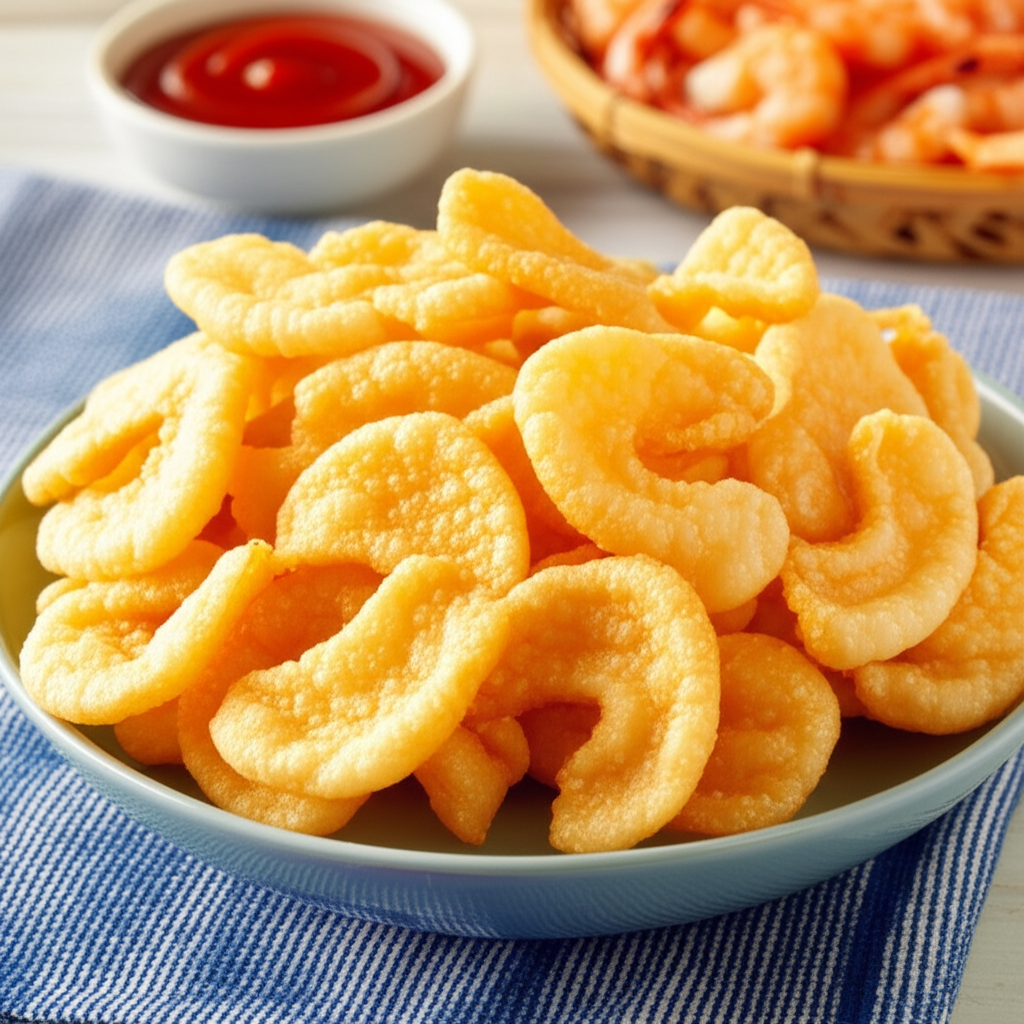
Shrimp chips, also known by various names like krupuk udang (in Indonesian) or prawn crackers, are a beloved snack food enjoyed worldwide. They’re celebrated for their light, airy crunch and savory, often slightly sweet, seafood flavor. But the big question remains: are they truly made with shrimp? The short answer is a resounding yes, for the most part! The magic behind their unique taste and aroma comes from real shrimp.
These aren’t just flavored snacks that happen to taste like shrimp. The primary ingredients typically include a form of shrimp, such as shrimp paste, shrimp powder, or finely ground dried shrimp. These are then mixed with starches, usually tapioca starch or rice flour, along with water and seasonings. The dough is then steamed, sliced thinly, and deep-fried or baked to achieve that signature puffiness and crispness.
The Core Ingredients: What You’ll Find Inside
To understand if shrimp chips are made with shrimp, it’s helpful to look at the typical ingredients list. While brands and regional variations can differ slightly, the foundational components are quite consistent.
Shrimp: This is the star ingredient. It can be in the form of:
Shrimp Powder: Dried shrimp are ground into a fine powder. This is a very common form.
Shrimp Paste: A fermented paste made from shrimp, often used in Southeast Asian cuisine.
Whole or Ground Dried Shrimp: Sometimes small dried shrimp are incorporated.
Starch: This provides the bulk and structure. Tapioca starch is very popular, but potato starch or rice flour are also used.
Water: Essential for creating the dough.
Salt: For flavor enhancement.
Sugar: Often added to balance the savory notes and enhance browning.
Seasonings: This can include garlic powder, onion powder, pepper, and sometimes MSG (monosodium glutamate) for an extra flavor boost.
Leavening Agents: Baking powder or soda might be used to help with puffing.
Coloring: Some varieties might use natural colorings like paprika or annatto.
It’s important to note that the amount of shrimp can vary between brands and types of shrimp chips. Some might have a higher shrimp content, leading to a more intense flavor, while others might use less, relying more on flavorings to achieve a shrimp-like taste.
A Deeper Dive: The Role of Shrimp in Flavor and Texture
The presence of actual shrimp is what gives shrimp chips their unmistakable flavor profile. Shrimp contain natural compounds like amino acids and nucleotides that contribute to a rich, savory, umami taste. When dried and ground into powder, these flavor compounds are concentrated, making them potent flavor enhancers.
Furthermore, the proteins and fats in shrimp also play a role in the texture and aroma of the chips. During the cooking process (steaming, frying, or baking), these components interact with the starches, contributing to the characteristic crispiness and the distinct aroma that wafts from a freshly opened bag.
From Dough to Delicious: How Shrimp Chips Are Made
The process of making shrimp chips is fascinating and relatively straightforward, highlighting how real shrimp is integral to the final product.
1. Mixing the Dough: The process begins by combining the shrimp powder or paste with starch, water, salt, sugar, and any other seasonings. This creates a thick, pliable dough.
2. Steaming: The dough is then typically steamed until it is cooked through and firm. This step gelatinizes the starch, making it easier to slice and further develops the flavors.
3. Slicing: Once cooled, the steamed dough is thinly sliced. These thin slices are the raw form of the chips.
4. Drying (Optional but Common): Many manufacturers then dry these slices further, either through air-drying or using a dehydrator. This reduces moisture content, making them crispier when fried or baked and improving shelf life.
5. Frying or Baking: The dried slices are then deep-fried in hot oil or baked in an oven. This is where the magic happens – the chips puff up dramatically, becoming light, airy, and crispy. The heat also toasts the shrimp components, intensifying the flavor and aroma.
This multi-step process ensures that the shrimp flavor is infused throughout the chip, not just coated on the surface.
Regional Variations and Traditional Methods
Shrimp chips have a long history, particularly in Southeast Asian countries like Indonesia, Malaysia, and the Philippines. Traditional methods often involve using freshly caught shrimp, which are then processed into paste or powder.
Indonesia: Krupuk udang is a national staple, often served with meals like nasi goreng (fried rice) or sate. Recipes are closely guarded family secrets, but the core ingredients remain consistent.
Philippines: Kropek is the Filipino term, and it’s similarly enjoyed as a crunchy accompaniment to various dishes.
East Asia: While not as prevalent as in Southeast Asia, variations of prawn crackers can be found in Chinese and other East Asian cuisines, often with slightly different flavor profiles and textures.
These traditional methods emphasize the use of natural ingredients and often result in a more robust shrimp flavor.
Are All “Shrimp Chips” Truly Made With Shrimp?
This is where a bit of nuance comes in. While the vast majority of products labeled as “shrimp chips” or “prawn crackers” do contain real shrimp, there’s always a possibility of variations, especially in mass-produced snacks or those aimed at specific dietary needs.
“Shrimp Flavored” vs. “Shrimp Chips”: Sometimes, snack foods might be labeled as “shrimp flavored” without containing actual shrimp. These would rely solely on artificial flavorings and seasonings. However, traditional “shrimp chips” or “prawn crackers” are defined by the presence of shrimp.
Allergen Information: Food labeling laws, particularly in regions like the European Union and the United States, require manufacturers to clearly state the presence of major allergens, including shellfish. If a product contains shrimp, it must be listed in the ingredients. This is a reliable way for consumers to check. For example, the U.S. Food and Drug Administration (FDA) mandates clear allergen labeling.
Vegan or Vegetarian Alternatives: In recent years, with the rise of plant-based diets, some manufacturers might offer “vegan shrimp chips” or similar products. These would, by definition, not be made with real shrimp but would use plant-based ingredients and flavorings to mimic the taste and texture. Always check the packaging carefully if you are seeking or avoiding specific ingredients.
How to Be Sure: Reading the Label
The best way to confirm that your shrimp chips are made with shrimp is to check the ingredient list on the packaging. Look for terms like:
Shrimp powder
Dried shrimp
Shrimp extract
Shrimp paste
Prawn powder
Prawn paste
If you see any of these, you can be confident that real shrimp is an ingredient. Also, be mindful of the allergen statement, which will typically say “Contains: Shellfish (Shrimp)” if applicable.
Shrimp Chips as a Treat for Your Aquarium Shrimp? A Word of Caution!
As an aquarist, you might be wondering if shrimp chips are a suitable treat for your beloved aquarium shrimp. While the idea of giving them a snack named after them is tempting, it’s generally not recommended as a regular or significant part of their diet.
Here’s why:
High Sodium and Seasonings: Commercial shrimp chips are heavily seasoned with salt, sugar, and other spices that are not natural or healthy for aquarium shrimp. High sodium levels can be toxic to them.
Processed Ingredients: The starches and other processed ingredients may not be easily digestible or beneficial for their delicate digestive systems.
Potential for Contaminants: Depending on how they are manufactured, there could be other substances in the chips that are harmful to aquatic life.
Nutritional Imbalance: Aquarium shrimp have specific dietary needs that are best met by specialized shrimp foods, blanched vegetables (like spinach or zucchini), or high-quality protein sources designed for them.
If you are looking for treats for your aquarium shrimp, it’s always best to stick to foods specifically formulated for them or natural, unsalted, unseasoned vegetables that have been properly prepared. For more on proper shrimp diets, resources like Advanced Aquarium offer excellent guidance.
Comparing Shrimp Chips to Other Seafood Snacks
It’s interesting to compare shrimp chips to other popular seafood-flavored snacks.
| Snack Type | Primary Seafood Ingredient | Typical Preparation | Flavor Profile |
| :——————- | :———————————– | :—————————————————— | :—————————————————– |
| Shrimp Chips | Shrimp powder/paste/dried shrimp | Dough steamed, sliced, dried, then fried/baked | Crispy, airy, savory, distinctly shrimp-like |
| Fish Crackers | Fish powder/paste | Similar to shrimp chips, dough made with fish | Crispy, savory, fish-forward flavor |
| Seaweed Snacks | Dried seaweed | Roasted or baked sheets of seaweed, seasoned | Umami, slightly salty, crisp, oceanic |
| Crab Snacks | Crab powder/extract/surimi | Often puffed snacks or crisps, flavored with crab | Savory, slightly sweet, mimicking crab flavor |
| Calamari Rings | Squid/Calamari | Typically coated in batter and deep-fried | Chewy interior, crispy exterior, mild seafood flavor |
As you can see, while many snacks use seafood as a base, the form and processing can differ significantly. Shrimp chips stand out for their unique puffed texture derived from a starch-based dough combined with concentrated shrimp ingredients.
Frequently Asked Questions About Shrimp Chips
Are shrimp chips vegetarian or vegan?
No, traditional shrimp chips are not vegetarian or vegan because they are made with real shrimp, which is an animal product. If you are vegetarian or vegan, you would need to look for specifically labeled “vegan shrimp chips” or “vegetable crisps” that mimic the flavor.
Can people with shellfish allergies eat shrimp chips?
People with shellfish allergies, particularly to shrimp, should absolutely avoid traditional shrimp chips. The ingredient list will clearly state if shrimp is present, and cross-contamination is also a risk in manufacturing facilities.
Do shrimp chips taste like actual shrimp?
Yes, they have a distinct shrimp flavor because they are made with shrimp powder or paste. The flavor can range from subtle to quite pronounced depending on the amount of shrimp used by the manufacturer.
What is the main starch used in shrimp chips?
The most common starch used in shrimp chips is tapioca starch. This starch is known for its ability to create a light, airy, and crispy texture when fried or baked.
Are all brands of shrimp chips made with shrimp?
While the name “shrimp chips” strongly implies the presence of shrimp, it’s always best to check the ingredient list. Some products might be “shrimp flavored” using artificial ingredients, or there might be vegan alternatives available.
Where did shrimp chips originate?
Shrimp chips have their origins in Southeast Asia, with Indonesia being particularly well-known for them (as
krupuk udang*). They are a staple snack in many countries across the region.Conclusion: Enjoying Your Shrimp Chips with Confidence
So, to answer the burning question directly: yes, shrimp chips are indeed made with shrimp! This key ingredient is what gives them their signature savory taste and delightful aroma. From the shrimp powder blended into the dough to the final puff and crunch, real shrimp is the star.
Understanding the ingredients and the simple, yet effective, production process helps demystify these popular snacks. Whether you’re enjoying them as a crunchy accompaniment to your favorite Asian dishes or simply as a satisfying snack on their own, you can do so with the knowledge that you’re tasting the real deal. Always remember to check the packaging if you have allergies or dietary restrictions, but for most snack lovers, the answer is a delicious confirmation: shrimp chips deliver on their name. Happy snacking!