No, shrimp are not cockroaches of the sea. While they share some superficial similarities in appearance and scavenging habits, shrimp and cockroaches are vastly different creatures belonging to entirely separate biological classifications. This guide explores their differences and celebrates shrimp as unique, fascinating aquatic invertebrates.
Have you ever looked at a shrimp scuttling around your aquarium and thought, “Are shrimp actually just cockroaches of the sea?” It’s a funny thought, isn’t it? Many beginners feel a little uncertain about these little guys. They might seem a bit… creepy crawly. But don’t worry! Understanding your shrimp is the first step to becoming a confident shrimp keeper. We’re going to break down exactly why this comparison isn’t quite right and what makes shrimp so special. Get ready to feel reassured and excited about your tiny aquatic friends!
Unpacking the “Cockroach of the Sea” Myth
It’s easy to see where the comparison comes from. Both shrimp and cockroaches are known for their ability to scurry and scavenge, often in less-than-pristine environments. They can be found in all sorts of places, and sometimes their movements can seem a bit frantic. However, when you look closer, the similarities quickly fade away. Let’s dive into why these two creatures are miles apart, biologically speaking.
What Exactly is a Cockroach?
Cockroaches are insects. They belong to the order Blattodea. This means they have:
- Three distinct body segments: head, thorax, and abdomen.
- Six legs attached to the thorax.
- An exoskeleton made of chitin.
- Antennae.
- Most species have wings, though they may not use them for flight.
Cockroaches are terrestrial (land-dwelling) arthropods. They have adapted to live in a wide variety of environments, often thriving in dark, humid places. They are known for their resilience and their ability to survive on a diverse diet, which sometimes includes decaying organic matter.
What Exactly is a Shrimp?
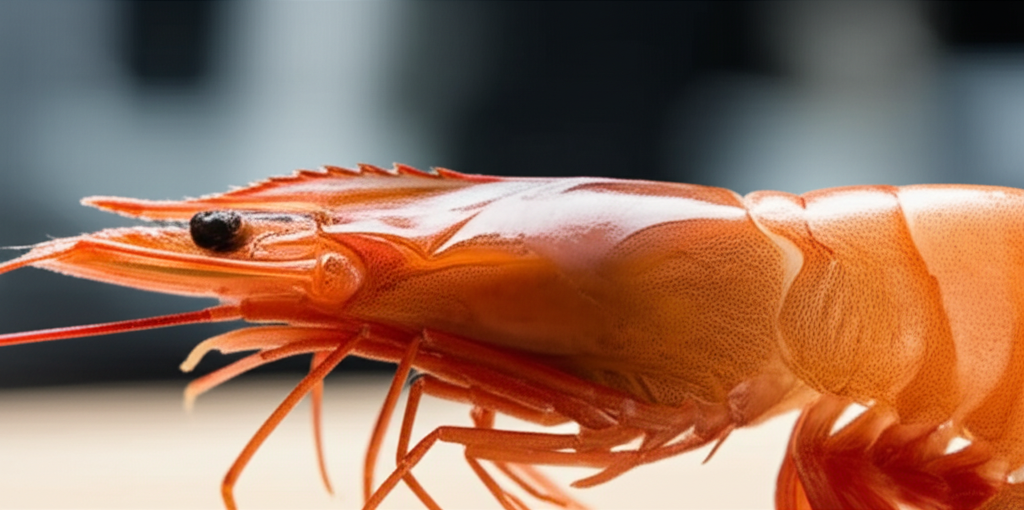
Shrimp, on the other hand, are crustaceans. They belong to the infraorder Caridea (for true shrimp) or Dendrobranchiata (for prawns, which are often colloquially called shrimp). This means they are:
- Aquatic invertebrates.
- Part of the larger group of arthropods, but distinct from insects.
- Characterized by a segmented body, typically enclosed in a chitinous exoskeleton.
- Possess multiple pairs of legs (pereiopods) used for walking and swimming.
- Have gills for breathing underwater.
- Have antennae, but their structure and function differ from insect antennae.
- Many have specialized appendages for swimming and feeding.
Shrimp are found in almost every aquatic environment, from freshwater rivers and lakes to saltwater oceans. They play crucial roles in their ecosystems, often acting as scavengers, detritivores, or filter feeders.
Key Differences: Shrimp vs. Cockroaches
Let’s break down the fundamental differences that set these two apart. It’s not just about where they live; it’s about their entire biological makeup and evolutionary history.
| Feature | Shrimp | Cockroach |
|---|---|---|
| Biological Classification | Crustacean (Arthropoda) | Insect (Arthropoda) |
| Habitat | Aquatic (freshwater and saltwater) | Terrestrial (land-dwelling) |
| Respiration | Gills | Tracheae (spiracles on body) |
| Body Segments | Cephalothorax (fused head and thorax) and Abdomen | Head, Thorax, Abdomen |
| Legs | Multiple pairs of walking legs (pereiopods) and swimming legs (pleopods) | Six legs attached to the thorax |
| Appendages | Antennae, mouthparts, swimmerets, uropods, telson | Antennae, mouthparts, wings (often) |
| Dietary Role | Scavengers, detritivores, filter feeders, omnivores | Omnivores, scavengers, detritivores |
Habitat: Water vs. Land
The most obvious difference is their environment. Shrimp live in water. They have gills, which are specialized organs that extract dissolved oxygen from the water. Cockroaches, being insects, breathe air through a network of tubes called tracheae. They cannot survive underwater for long periods because they cannot respire effectively.
Respiration: Gills vs. Tracheae
This leads to a crucial biological distinction. Shrimp have gills, typically located under their carapace. These delicate structures are adapted to extract oxygen from water. Cockroaches, like all insects, breathe through small openings on their body called spiracles, which lead to a system of internal tubes (tracheae) that deliver oxygen directly to their tissues. Submerging a cockroach in water will effectively drown it because its respiratory system isn’t designed for aquatic life.
Body Structure: A Tale of Two Arthropods
While both are arthropods with exoskeletons, their body plans differ. Shrimp often have a fused head and thorax, called a cephalothorax, followed by a segmented abdomen. They have specialized appendages for swimming (pleopods) on their abdomen and walking legs (pereiopods) on their thorax. Cockroaches have three distinct body segments: head, thorax, and abdomen, with six legs all attached to the thorax, and often wings on the thorax.
Movement and Lifestyle
Shrimp are built for aquatic life. They use their swimmerets to propel themselves through the water or to help them burrow. Their legs are adapted for both walking on surfaces and for swimming. Cockroaches are built for terrestrial movement. Their six legs are designed for rapid scurrying across surfaces, and many have wings for flight or gliding.
Are Shrimp Good Scavengers?
Yes, shrimp are excellent scavengers! This is one of the traits that might lead to the “cockroach” comparison. In both their natural habitats and in our aquariums, shrimp are incredibly efficient at cleaning up. They will eat leftover food, decaying plant matter, algae, and even dead organisms. This scavenging behavior is vital for keeping their environment clean and healthy.
Why Scavenging is Important in Aquariums
In an aquarium setting, shrimp act as nature’s little cleanup crew. They help prevent the buildup of waste and uneaten food, which can quickly foul the water. This is one of the many reasons shrimp are fantastic additions to a planted aquarium or a community tank. They contribute to a balanced ecosystem by processing detritus and keeping things tidy.
Shrimp Diet: What They Actually Eat
While they scavenge, shrimp also have specific dietary needs. In the wild and in aquariums, their diet typically includes:
- Algae
- Bacterial films
- Detritus (decaying organic matter)
- Small particles of food that sink to the bottom
- Microorganisms
For aquarium shrimp, a good quality shrimp food, blanched vegetables (like spinach or zucchini), and specialized supplements can ensure they get the necessary nutrients. Overfeeding is a common mistake, so understanding their scavenging nature means you can feed them appropriately without overwhelming the tank.
The Fascinating World of Shrimp Keeping
Now that we’ve cleared up the cockroach confusion, let’s talk about why shrimp are so captivating to keep. They are not just cleaners; they are beautiful, active, and surprisingly diverse creatures.
Why Beginners Love Shrimp
Shrimp keeping is a fantastic entry point into the aquarium hobby. They are:
- Relatively small: They don’t require massive tanks.
- Visually interesting: Their colors and patterns are incredibly varied and beautiful.
- Active: They are always busy foraging, exploring, and interacting.
- Beneficial: They help maintain tank cleanliness.
- Educational: Observing their behavior teaches a lot about aquatic ecosystems.
Many people start with hardy species like Cherry Shrimp (Neocaridina davidi) and find immense joy in watching them thrive.
Essential Shrimp Tank Setup
Setting up a successful shrimp tank is easier than you might think! Here’s a basic guide:
- Tank Size: A 5-10 gallon tank is a great starting point for beginners.
- Substrate: Inert sand or gravel is usually fine for most species. Some shrimp, like Caridina varieties, may prefer a specialized substrate that can buffer pH.
- Filtration: A gentle filter is essential. A sponge filter is ideal as it’s safe for baby shrimp and provides good biological filtration. You can learn more about choosing the right filter from resources like Aquarium Co.
- Water Parameters: This is crucial! Shrimp are sensitive to water quality. Stable parameters are key. We’ll cover this more below.
- Heater (Optional): Depending on your room temperature and shrimp species, a heater might be necessary to maintain a stable temperature.
- Decorations: Provide plenty of hiding places like plants (live or silk), driftwood, and rocks.
Water Parameters: The Golden Rules for Shrimp
Shrimp are highly sensitive to changes in water chemistry. Maintaining stable and appropriate water parameters is the most critical aspect of shrimp keeping.
Key Parameters to Monitor:
- Temperature: Most common aquarium shrimp prefer temperatures between 68-75°F (20-24°C). Stability is more important than hitting an exact number.
- pH: This varies by species. For Neocaridina (like Cherry Shrimp), a pH of 6.5-7.5 is generally good. For Caridina varieties (like Crystal Shrimp), a lower pH of 5.5-6.5 is often preferred.
- GH (General Hardness): This refers to the concentration of dissolved minerals like calcium and magnesium. Most shrimp need a GH between 6-10 dGH.
- KH (Carbonate Hardness): This measures alkalinity and helps buffer pH. A KH of 2-6 dKH is suitable for many shrimp.
- Ammonia, Nitrite, Nitrate: These should always be 0 ppm for ammonia and nitrite. Low nitrates (below 20 ppm) are acceptable, but ideally kept as low as possible through water changes and plant uptake.
Regular water testing is essential. You can find comprehensive guides on water testing from reputable sources like API Fish Care.
Water Changes: Less is Often More (But Be Consistent!)
Shrimp don’t always appreciate large, disruptive water changes. Small, frequent water changes (10-20% weekly) are usually better than large, infrequent ones. Always use dechlorinated water that has been temperature-matched to your tank. Avoid using tap water directly unless you have a very reliable source and know its composition.
Feeding Your Shrimp
As we discussed, shrimp are natural scavengers. However, in a mature aquarium, they might need supplemental feeding. Offer a small amount of high-quality shrimp food 2-3 times a week. Remove any uneaten food after a few hours to prevent water fouling.
What to Feed:
- Specialized shrimp pellets or wafers
- Blanched vegetables (spinach, zucchini, kale, cucumber)
- Algae wafers (use sparingly)
- Bacter AE (a popular supplement for biofilm growth)
Common Shrimp Keeping Mistakes (and How to Avoid Them!)
Even with the best intentions, beginners can sometimes run into issues. Understanding common pitfalls can save you a lot of heartache.
Mistake 1: Overfeeding
Problem: Uneaten food decomposes, leading to poor water quality, ammonia spikes, and potential disease outbreaks.
Solution: Feed small amounts that your shrimp can consume within a few hours. Observe your shrimp; if food is left over, you’re feeding too much.
Mistake 2: Inconsistent Water Parameters
Problem: Rapid fluctuations in temperature, pH, GH, or KH can stress or kill shrimp.
Solution: Test your water regularly. Use a reliable water conditioner. Make small, consistent water changes. Avoid adding new water that is drastically different in temperature or chemistry.
Mistake 3: Incompatible Tank Mates
Problem: Larger or aggressive fish can prey on shrimp or outcompete them for food.
Solution: Research tank mates carefully. Small, peaceful nano fish like Ember Tetras or certain Rasboras are often suitable. Avoid fish that might nip or eat small invertebrates.
Mistake 4: Using Tap Water Without Treatment
Problem: Tap water can contain chlorine, chloramines, heavy metals, or fluctuating mineral content that is toxic to shrimp.
Solution: Always use a good quality dechlorinator and water conditioner designed for aquariums. If your tap water has extreme parameters, consider using RO (Reverse Osmosis) water remineralized to the appropriate levels for your shrimp species. The Advanced Aquarium website has helpful information on RO water.
Mistake 5: Over-cleaning the Tank
Problem: Excessive cleaning, especially of the filter media or substrate, can remove beneficial bacteria, leading to ammonia spikes.
Solution: Only clean filter media in old tank water. Avoid deep vacuuming of the substrate unless absolutely necessary. Let the biofilm and microfauna develop; they are food sources for your shrimp!
Frequently Asked Questions about Shrimp
Are shrimp truly harmless to fish?
Generally, yes, most aquarium shrimp are harmless to fish. However, very small or vulnerable baby shrimp might be eaten by larger or predatory fish. It’s always best to choose peaceful tank mates that won’t bother your shrimp.
How often should I feed my shrimp?
In a well-established tank with plenty of biofilm and algae, you might only need to supplement food a couple of times a week. Observe your shrimp; if they are actively foraging and seem healthy, you’re likely feeding enough. Remove uneaten food after a few hours.
Can I keep different types of shrimp together?
It depends on the species. Neocaridina shrimp (like Cherry, Blue Dream, etc.) can often be kept together and will breed. However, keeping different Caridina species together can lead to hybridization, and mixing Neocaridina and Caridina is generally not recommended due to different water parameter needs.
Why are my shrimp hiding all the time?
Hiding is normal shrimp behavior, especially for shy species or when they feel stressed or vulnerable. Ensure they have plenty of hiding places like plants, rocks, or driftwood. If they are constantly hiding and not foraging, it could indicate poor water quality or unsuitable tank mates.
How can I tell if my shrimp are stressed?
Signs of stress can include rapid swimming, erratic behavior, loss of appetite, or becoming lethargic. Sometimes, shrimp might also turn pale or lose their vibrant colors when stressed. Stable water parameters are key to preventing stress.
What is “biofilm” and why is it important for shrimp?
Biofilm is a thin layer of microorganisms, including bacteria, algae, and fungi, that forms on surfaces in an aquarium. It’s a natural food source for shrimp and provides essential nutrients. A healthy biofilm is a sign of a healthy, mature aquarium and is vital for shrimp health, especially for baby shrimp (shrimplets).
Conclusion: Celebrating Our Aquatic Friends
So, to answer that initial question definitively: No, shrimp are not cockroaches of the sea. They are unique, fascinating crustaceans with their own complex biology and vital roles in aquatic ecosystems. From their delicate gills that allow them to breathe underwater to their intricate social behaviors and vibrant colors, shrimp offer a rewarding and beautiful glimpse into the underwater world.
As you embark on your shrimp-keeping journey, remember that patience, observation, and consistent care are your greatest tools. Don’t be discouraged by the occasional challenge; every aquarist faces them! By understanding their needs, providing a stable environment, and appreciating their scavenging prowess, you can create a thriving home for your tiny aquatic companions. You’ve got this! Enjoy the wonderful world of shrimp keeping!