
Are shrimp better than chicken? For many, the answer is a resounding YES! Shrimp offer a unique, delicate flavor and a tender texture that chicken can’t always match. Discover why shrimp are a culinary favorite and how to prepare them to perfection.
Welcome, fellow aquatic enthusiasts and curious foodies! If you’ve ever wondered about the delicate dance of flavors and textures in the culinary world, you might find yourself pondering a rather intriguing question: Are shrimp better than chicken? It’s a debate that sparks many kitchen conversations! Chicken is a beloved staple, versatile and familiar. But shrimp? Shrimp bring a whole different kind of magic to the plate. They offer a subtle sweetness and a satisfying, tender bite that can elevate any dish. If you’re looking to explore exciting new tastes or simply want to understand what makes shrimp so special, you’ve come to the right place. Let’s dive into the delicious world of shrimp and uncover why they might just be your new favorite protein!
The Culinary Showdown: Shrimp vs. Chicken
It’s time to settle the score! When we talk about “better,” it’s subjective, of course. But in terms of flavor profile, nutritional benefits, and culinary versatility, shrimp certainly hold their own against the mighty chicken. Let’s break down what makes each of these proteins unique.
Flavor Profile: A Tale of Two Tastes
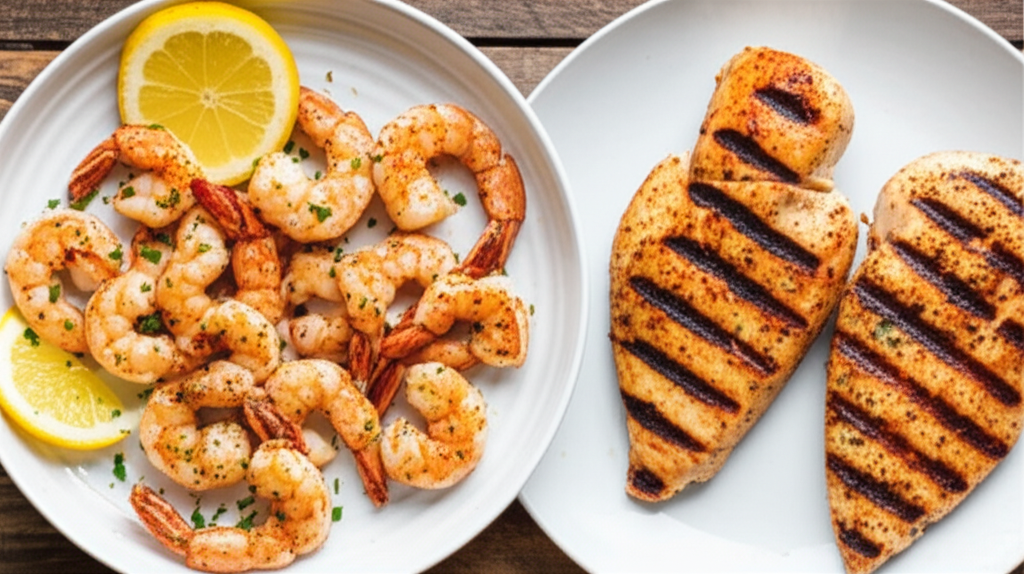
Chicken, in its many forms, offers a mild, almost neutral flavor that makes it a fantastic canvas for marinades and spices. It can be savory, hearty, and comforting. Shrimp, on the other hand, boasts a distinct flavor that is subtly sweet, slightly briny, and wonderfully oceanic. This unique taste is often described as delicate yet distinct, making it a star ingredient that doesn’t need heavy masking.
Consider this:
- Chicken: Versatile, mild, can absorb many flavors, often described as savory or earthy.
- Shrimp: Sweet, slightly briny, oceanic, delicate, with a distinct seafood essence.
The subtle sweetness of shrimp pairs beautifully with a wide range of ingredients, from zesty citrus to rich garlic and butter. This inherent flavor complexity is what often gives shrimp the edge for those seeking a more nuanced taste experience.
Texture Matters: Tender Bites and Hearty Chews
Texture plays a huge role in our enjoyment of food. Chicken, especially when cooked properly, can be tender and juicy. However, it can also become dry and tough if overcooked. Shrimp, when cooked perfectly, offer an incredibly tender, almost melt-in-your-mouth texture. They cook very quickly, and this rapid cooking process locks in their natural moisture, resulting in a succulent bite.
Here’s a comparison:
| Protein | Ideal Texture | Risk of Overcooking |
|---|---|---|
| Chicken | Tender, juicy, slightly firm | High (can become dry, rubbery, or tough) |
| Shrimp | Tender, succulent, slightly springy | Very High (can become rubbery and tough very quickly) |
Mastering the cook time for shrimp is key. A few seconds too long, and you’ll notice a change in texture. This delicate balance is part of the art of cooking shrimp, and when achieved, the reward is unparalleled tenderness.
Nutritional Powerhouses: What’s Inside?
Both shrimp and chicken are excellent sources of lean protein, essential for building and repairing tissues. However, they offer different nutritional profiles that might appeal to various dietary needs and preferences.
Shrimp’s Nutritional Benefits
Shrimp are a fantastic source of:
- Lean Protein: Essential for muscle growth and repair.
- Vitamins: Particularly rich in Vitamin B12, crucial for nerve function and red blood cell formation.
- Minerals: A good source of selenium (an antioxidant), iodine (important for thyroid function), and phosphorus (for bone health).
- Omega-3 Fatty Acids: While not as high as fatty fish, shrimp contain small amounts of these heart-healthy fats.
- Low in Calories and Fat: Making them a great choice for weight management.
According to the USDA FoodData Central, a 3-ounce serving of cooked shrimp contains about 80-100 calories and minimal fat, while providing around 18-20 grams of protein. They are also notably low in carbohydrates.
Chicken’s Nutritional Benefits
Chicken is also a protein powerhouse, offering:
- Lean Protein: Especially in breast meat, it’s a staple for many fitness enthusiasts.
- Vitamins: Good source of Niacin (B3), Vitamin B6, and Vitamin B12.
- Minerals: Provides phosphorus, selenium, and zinc.
- Lower in Cholesterol: Compared to some other red meats.
A 3-ounce serving of cooked chicken breast (skinless) has about 120-140 calories and 25-30 grams of protein, also with very little fat and carbohydrates. The primary difference lies in the specific micronutrient profiles and the subtle presence of omega-3s in shrimp.
Culinary Versatility: From Grills to Garlic Butter
Both shrimp and chicken are incredibly versatile, but they shine in different ways.
Shrimp’s Culinary Prowess
Shrimp are incredibly quick to cook, making them perfect for weeknight meals. Their delicate flavor means they don’t overpower other ingredients, allowing them to be:
- Sautéed: Garlic shrimp, lemon butter shrimp – classics for a reason!
- Grilled: Skewers with vegetables are a summer favorite.
- Boiled: For shrimp cocktails or seafood salads.
- Baked: In pasta dishes or casseroles.
- Fried: For crispy, crowd-pleasing appetizers.
- In Soups and Stews: Adding a quick burst of flavor and protein.
The rapid cooking time is a significant advantage. For instance, sautéing shrimp takes mere minutes. A classic shrimp scampi, for example, can be ready in under 15 minutes from start to finish. This speed and ease are major factors in why many reach for shrimp when time is of the essence.
Chicken’s Culinary Prowess
Chicken’s mild flavor allows it to be a base for almost any cuisine. It can be:
- Roasted: A whole chicken or pieces.
- Grilled: Marinated chicken breasts or thighs.
- Fried: Southern-style fried chicken is iconic.
- Stewed: In hearty pot pies or curries.
- Stir-fried: With a variety of vegetables and sauces.
- Baked: In casseroles, enchiladas, or chicken parmesan.
While chicken can take longer to cook, its ability to absorb marinades and its hearty texture make it a go-to for dishes requiring longer simmering or baking times.
Why Shrimp Might Be Your New Favorite
Beyond the basic comparisons, there are specific reasons why shrimp often capture the hearts (and taste buds) of food lovers. Their unique flavor and quick cooking time are major draws. Plus, for those who appreciate a lighter, more delicate protein, shrimp are an unbeatable choice.
The “Wow” Factor: Impress Your Guests
A beautifully presented shrimp dish can be incredibly impressive. Think of a vibrant shrimp scampi, a colorful shrimp ceviche, or perfectly grilled shrimp skewers. Their natural elegance and appealing pink hue when cooked add visual appeal that can elevate a simple meal into something special.
Quick and Easy Meal Prep
In today’s busy world, convenience is key. Shrimp are champions of quick meal preparation. Unlike chicken, which often requires longer marinating and cooking times, shrimp can go from frozen or fresh to cooked in minutes. This makes them ideal for busy weeknights when you need a delicious and healthy meal on the table fast.
Dietary Considerations
For those watching their intake of saturated fat or looking for a lighter protein option, shrimp are an excellent choice. They are naturally low in fat and calories, making them a guilt-free indulgence. Their mineral and vitamin content also contributes to a well-rounded diet.
Mastering the Art of Cooking Shrimp
To truly appreciate why shrimp can be “better” than chicken for many, you need to cook them correctly. Overcooking is the cardinal sin of shrimp preparation, leading to a rubbery, unappetizing texture. The key is to cook them just until they turn opaque and pink, with a slight curl.
The Golden Rule: Don’t Overcook!
Shrimp cook incredibly fast. Typically, this means:
- Sautéing: 1-2 minutes per side.
- Boiling: 2-3 minutes until pink and opaque.
- Grilling: 2-3 minutes per side.
Watch them closely! As soon as they change color and curl into a “C” shape, they are done. If they curl into a tight “O” shape, they’ve likely been cooked too long.
Simple Preparation Methods to Try
Here are a few beginner-friendly ways to prepare shrimp that highlight their natural flavor:
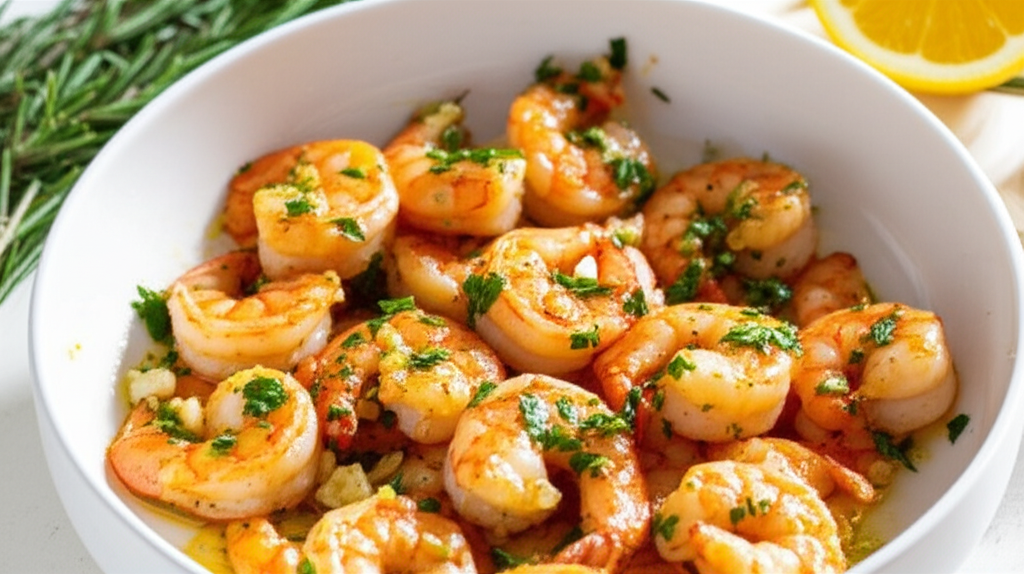
- Garlic Butter Shrimp: Sauté minced garlic in butter and olive oil, add shrimp, cook for a few minutes, season with salt, pepper, and a squeeze of lemon. Garnish with parsley.
- Shrimp Scampi: Similar to garlic butter shrimp but often includes white wine and is served over pasta.
- Shrimp Cocktail: Boil or steam shrimp until pink, chill them, and serve with cocktail sauce.
- Lemon Herb Grilled Shrimp: Toss shrimp with olive oil, lemon juice, garlic, and your favorite herbs (like dill, parsley, or chives). Grill for a few minutes per side.
These methods are simple, quick, and allow the natural sweetness and delicate texture of the shrimp to shine through. For more advanced techniques, you can explore recipes that incorporate spices like paprika, chili powder, or cumin for a bit of heat and depth.
When Chicken Might Still Be the Winner
While shrimp offer a compelling case, chicken is still a champion in its own right. There are certainly times and dishes where chicken is the undisputed choice.
- Hearty, Comforting Meals: Dishes like chicken soup, roast chicken, or chicken pot pie often benefit from the more substantial texture and filling nature of chicken.
- Slow Cooking and Braising: Chicken thighs and legs, in particular, hold up well to long, slow cooking methods, becoming incredibly tender and flavorful. Shrimp would simply disintegrate.
- Mild Flavor Preference: For individuals who don’t enjoy seafood or prefer a very neutral protein base for their meals, chicken is the obvious choice.
- Cost-Effectiveness: Depending on the market and type, chicken is often more budget-friendly than shrimp, making it a more accessible staple for many households.
Understanding when to use each protein is part of becoming a more versatile cook. Chicken’s ability to withstand longer cooking times and its milder flavor make it ideal for specific types of dishes that shrimp simply cannot replicate.
Frequently Asked Questions About Shrimp vs. Chicken
Here are some common questions from beginners exploring the world of shrimp and comparing them to familiar proteins like chicken.
Q1: Are shrimp healthier than chicken?
A: Both are healthy sources of lean protein. Shrimp are generally lower in calories and fat, and they offer unique minerals like selenium and iodine, plus Vitamin B12. Chicken, especially breast meat, is also very lean and protein-rich. The “healthier” choice depends on your specific dietary goals, but both can be part of a balanced diet.
Q2: Is shrimp easier to cook than chicken?
A: Yes, shrimp are significantly easier and faster to cook. They require very little cooking time (just a few minutes) and are forgiving as long as you don’t overcook them. Chicken, especially whole pieces or breasts, can take much longer to cook through and requires more attention to ensure it’s cooked safely and remains tender.
Q3: Can shrimp replace chicken in most recipes?
A: While shrimp can substitute chicken in many dishes, especially stir-fries, pasta dishes, or salads, it’s not always a direct swap. Shrimp have a distinct flavor and a much more delicate texture. They wouldn’t work well in recipes designed for slow cooking or braising, where chicken’s sturdier texture is essential. For quick-cooking recipes, a swap can be successful!
Q4: What’s the main flavor difference between shrimp and chicken?
A: Chicken has a mild, savory flavor that readily absorbs other tastes. Shrimp have a more distinct flavor profile – subtly sweet, slightly briny, with a unique oceanic taste. This makes shrimp a more prominent flavor on its own, while chicken acts more as a base for other flavors.
Q5: How do I know when shrimp are cooked?
A: Cooked shrimp will turn opaque pink and curl into a “C” shape. Avoid cooking them until they form a tight “O” shape, as this indicates they are overcooked and will be rubbery. They cook very quickly, often in just 2-3 minutes.
Q6: Are there any downsides to eating shrimp?
A: Some people have shellfish allergies, which can be severe. Shrimp are also higher in cholesterol than chicken, although dietary cholesterol’s impact on blood cholesterol is less significant for most people than previously thought. For those watching their sodium intake, be mindful of how shrimp are prepared, as many recipes use salty ingredients.
Q7: What are some popular shrimp dishes?
A: Popular shrimp dishes include shrimp scampi, shrimp cocktail, shrimp fried rice, garlic shrimp, shrimp tacos, shrimp gumbo, and various curries and pasta dishes. Their versatility allows them to be featured in cuisines worldwide.
Conclusion: Embrace the Best of Both Worlds
So, are shrimp better than chicken? For those who appreciate a delicate, sweet, and slightly briny flavor, paired with an incredibly tender texture and lightning-fast cooking time, shrimp often take the crown. Their ability to transform a meal with minimal effort makes them a culinary superhero for busy home cooks. They offer a touch of elegance and a unique taste that chicken, with its more neutral profile, can’t always replicate.
However, chicken remains an indispensable protein. Its versatility in hearty, slow-cooked dishes and its role as a blank canvas for a myriad of flavors ensure its place in kitchens everywhere. The “better” protein truly depends on the dish, the occasion, and personal preference.
Ultimately, the beauty of cooking lies in exploring the diverse flavors and textures that different ingredients offer. Don’t be afraid to experiment! Master the quick cook of shrimp for those speedy weeknight dinners, and lean on chicken for your comforting, slow-simmered favorites. By understanding the unique strengths of each, you can confidently create delicious meals that satisfy every craving. Happy cooking!