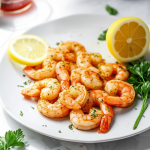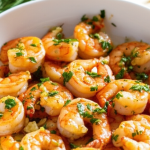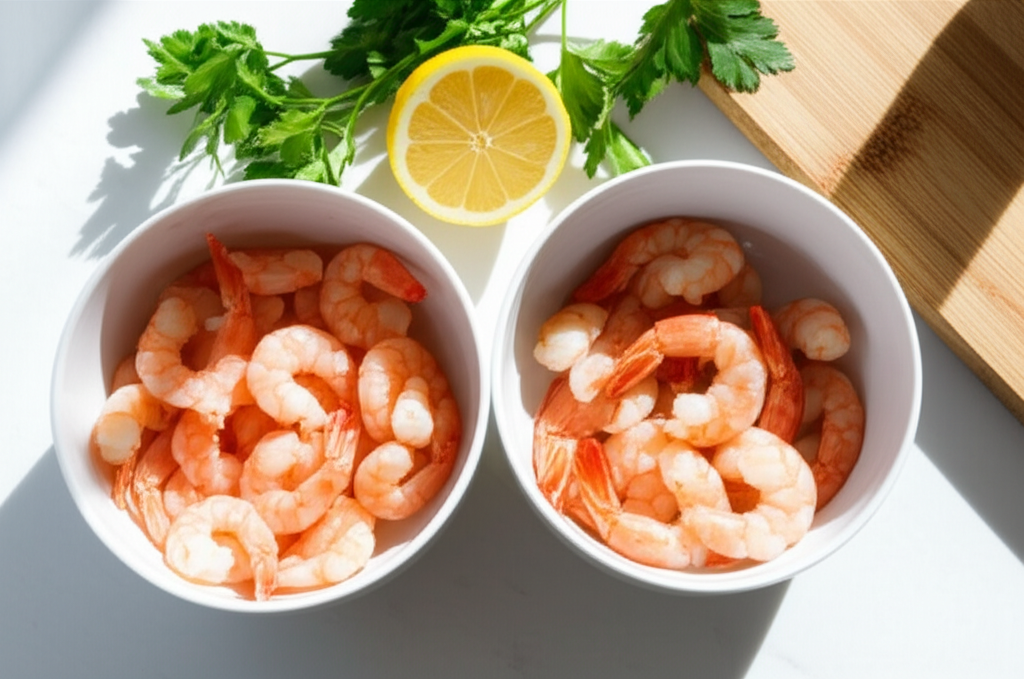

Are shrimp better steamed or boiled? For optimal flavor, texture, and nutrient retention, steaming is generally considered the superior method. It gently cooks shrimp, preserving their delicate sweetness and firm, yet tender, bite. Boiling can sometimes lead to a waterlogged texture and loss of flavor.
Hey there, fellow shrimp enthusiasts! Luna Grace here, your friendly guide to all things aquatic and crustacean. Are you standing in the kitchen, wondering about the best way to prepare those delicious shrimp you just bought? Maybe you’re even thinking about cooking shrimp from your own aquarium (though I always advise against eating pet shrimp – let’s keep them as our beloved underwater friends!). The age-old question often pops up: are shrimp better steamed or boiled? It’s a common culinary puzzle, and the answer can really make a difference in your dish. Don’t worry, we’ll dive into this together, breaking down each method with simple, clear advice. You’ll be cooking shrimp like a pro in no time, ensuring every bite is packed with flavor and the perfect texture. Let’s get cooking!
Understanding Shrimp: A Quick Primer
Before we get to the cooking methods, let’s chat briefly about what makes shrimp so special. Shrimp are fascinating crustaceans, and their delicate nature means how we cook them matters a lot. They are a fantastic source of lean protein and a good source of selenium, vitamin B12, and omega-3 fatty acids. When we cook them, we’re aiming to bring out their natural sweetness and achieve a pleasant, firm texture without making them rubbery. Overcooking is the enemy of tender shrimp, and different cooking methods can be more forgiving than others. Knowing a bit about their biology helps us appreciate why one method might be better than another.
The Art of Steaming Shrimp
Steaming is a gentle cooking method that uses hot vapor to cook food. For shrimp, this means they are cooked by the steam rising from boiling water, rather than being submerged in it. This process is fantastic for preserving the shrimp’s natural moisture and delicate flavors.
How to Steam Shrimp: A Step-by-Step Guide
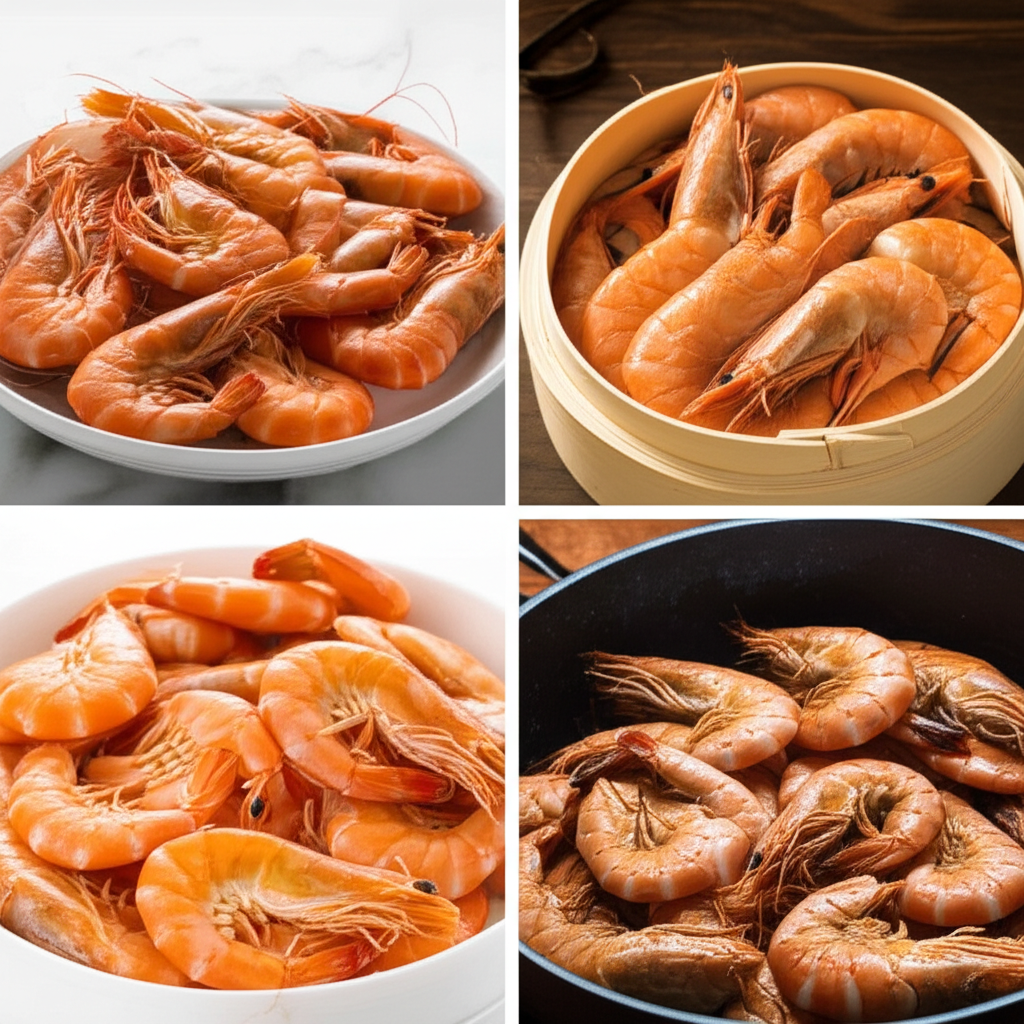
Steaming shrimp is incredibly simple and requires minimal equipment. Here’s how to do it:
- Gather Your Tools: You’ll need a pot with a lid, a steamer basket or insert, and water. A large pot works best to accommodate the steamer basket.
- Prepare the Water: Fill the pot with about 1-2 inches of water. You can add aromatics to the water for extra flavor, such as lemon slices, garlic cloves, bay leaves, or peppercorns.
- Bring Water to a Boil: Place the pot on the stove over high heat and bring the water to a rolling boil.
- Add Shrimp to the Steamer Basket: Arrange the raw, peeled, and deveined shrimp in a single layer in the steamer basket. Don’t overcrowd the basket; cook in batches if necessary.
- Steam the Shrimp: Once the water is boiling vigorously, carefully place the steamer basket over the boiling water. Cover the pot tightly with the lid.
- Cook Until Pink: Steam the shrimp for 2 to 5 minutes. The exact time depends on the size of the shrimp. They are done when they turn opaque and pink, and the tails curl into a C-shape. Avoid overcooking, which will make them tough.
- Serve Immediately: Carefully remove the steamer basket from the pot and serve the shrimp hot.
Pros and Cons of Steaming Shrimp
Steaming offers several advantages, but like any method, it has a few drawbacks.
| Pros | Cons |
|---|---|
| Preserves natural flavor and sweetness. | Can be less exciting for those who prefer bold, infused flavors directly in the cooking liquid. |
| Results in a tender, succulent texture. | Requires a steamer basket or similar setup. |
| Healthier, as no additional fat is needed. | Flavor infusion relies heavily on aromatics added to the water, not directly to the shrimp. |
| Quick cooking time. | Shrimp can become waterlogged if not drained properly after steaming. |
| Easy cleanup. |
The Method of Boiling Shrimp
Boiling involves submerging food directly into boiling water. It’s a straightforward method, often used for seafood, but it can impact the shrimp’s texture and flavor differently than steaming.
How to Boil Shrimp: A Step-by-Step Guide
Boiling shrimp is one of the simplest ways to cook them. Here’s how:
- Gather Your Tools: You’ll need a pot, water, and your shrimp.
- Prepare the Water: Fill a pot with enough water to fully cover the shrimp. You can add salt to the water (about 1 tablespoon per quart of water) to mimic the ocean’s salinity, which some believe enhances flavor. You can also add aromatics like those mentioned for steaming.
- Bring Water to a Boil: Place the pot on the stove over high heat and bring the water to a rolling boil.
- Add Shrimp: Carefully add the raw, peeled, and deveined shrimp to the boiling water.
- Cook Until Pink: Boil the shrimp for 1 to 3 minutes. Again, the cooking time depends on the size. They are ready when they turn opaque pink and curl into a C-shape. Overcooking happens very quickly, so watch them closely!
- Drain and Serve: Once cooked, immediately drain the shrimp using a colander. Serve them hot.
Pros and Cons of Boiling Shrimp
Boiling is popular for its simplicity, but it’s important to be aware of its potential downsides.
| Pros | Cons |
|---|---|
| Extremely simple and requires minimal equipment. | Can lead to a waterlogged texture if overcooked or not drained properly. |
| Flavor can be infused directly into the shrimp if using a seasoned broth or heavily salted water. | Often results in a less tender texture compared to steaming. |
| Very fast cooking time. | Potential for loss of delicate shrimp flavor into the cooking water. |
| Easy cleanup. |
Steamed vs. Boiled: The Verdict
When we compare steaming and boiling side-by-side, several key differences emerge that make one method generally preferable for achieving the best results.
Texture
Steamed shrimp tend to be more succulent and tender. The gentle heat of the steam cooks the shrimp evenly, allowing them to retain their natural moisture. This results in a delicate, yielding bite.
Boiled shrimp can sometimes become rubbery or tough, especially if they are overcooked, which happens very easily in boiling water. The direct contact with hot water can also leach out some of the natural moisture, leading to a slightly drier texture.
Flavor
Steaming excels at preserving the inherent sweetness and delicate flavor of the shrimp. Any added aromatics in the steaming water can lightly perfume the shrimp without overpowering their natural taste.
Boiling can infuse more direct flavor into the shrimp, especially if you boil them in a seasoned broth or heavily salted water. However, this method can also lead to a loss of some of the shrimp’s natural flavor into the cooking liquid. For very high-quality, fresh shrimp, you might prefer to taste their pure flavor, which steaming allows.
Nutrient Retention
Both methods are relatively good for nutrient retention compared to frying or other methods that use a lot of fat. However, steaming is often cited as being slightly better for retaining water-soluble vitamins and minerals because the shrimp are not submerged in water. Boiling can cause some of these nutrients to leach into the cooking water.
According to research from the USDA, cooking methods can impact nutrient content, with water-based methods like boiling potentially leading to some nutrient loss.
Ease of Cooking and Cleanup
Both methods are remarkably easy and quick. Boiling might have a slight edge in simplicity as it doesn’t require a steamer basket, just a pot and water. Cleanup is generally straightforward for both methods, typically involving washing the pot and any utensils used.
When Might Boiling Be Preferred?
While steaming is often the winner for optimal flavor and texture, boiling can be a good choice in certain situations:
- Infusing Bold Flavors: If you’re making a dish where the shrimp will absorb a lot of flavor from the cooking liquid, like a seafood boil or a cioppino, boiling is effective. The shrimp can soak up the delicious broth as they cook.
- Cost-Effectiveness: Boiling requires only water and a pot, making it incredibly budget-friendly and accessible for anyone.
- Convenience: For many, boiling is the most familiar and convenient method. If you don’t have a steamer basket, boiling is the go-to.
- Large Batches: When cooking very large quantities of shrimp for a party or event, boiling can sometimes be more practical as you can cook more shrimp at once in a large pot of boiling water compared to a steamer basket.
Tips for Perfect Shrimp, Regardless of Method
Whether you choose to steam or boil, here are some universal tips to ensure your shrimp turn out perfectly:
- Start with Quality Shrimp: Freshness is key! Look for shrimp that are firm, have a mild sea-like smell, and are free from any strong ammonia odor.
- Don’t Overcook: This is the most crucial tip. Shrimp cook very quickly. Watch them closely. They go from perfectly cooked to rubbery in seconds. They should be opaque pink and slightly firm to the touch when done.
- Peel and Devein (Usually): For most recipes, it’s best to peel and devein shrimp. The vein is the digestive tract, and removing it improves both texture and appearance. You can do this easily with a small knife. For a great tutorial on how to devein shrimp, check out resources from culinary schools or reputable cooking websites like Food Network.
- Chill After Cooking: If you’re not serving immediately, it’s a good idea to shock the cooked shrimp in an ice bath. This stops the cooking process instantly, preventing them from becoming tough and helping to firm them up, especially if you plan to serve them cold in a salad or cocktail.
- Seasoning is Key: Even when steaming, adding aromatics like garlic, lemon, dill, or peppercorns to the steaming water can subtly enhance the shrimp’s flavor. For boiling, a good pinch of salt in the water is essential.
Beyond Steaming and Boiling: Other Cooking Methods
While we’re focusing on steaming and boiling, it’s worth noting that shrimp are incredibly versatile and can be cooked using many other methods:
- Sautéing: Quick and effective, sautéing in a hot pan with a little oil or butter allows for excellent browning and flavor development.
- Grilling: Grilling imparts a wonderful smoky flavor and char marks.
- Baking/Roasting: Baking or roasting can be done in foil packets with seasonings, keeping the shrimp moist.
- Stir-Frying: Shrimp are a common addition to stir-fries, cooking quickly and absorbing the sauce flavors.
Each method offers a different culinary experience, but for simple, pure shrimp flavor and texture, steaming often comes out on top.
Frequently Asked Questions (FAQ)
Is it better to steam or boil shrimp for shrimp cocktail?
For shrimp cocktail, steaming is generally preferred. It results in a more tender, succulent texture and preserves the delicate flavor of the shrimp, which is ideal for serving cold. After steaming, you should immediately plunge them into an ice bath to stop the cooking and firm them up.
Can I cook shrimp in the microwave?
Yes, you can cook shrimp in the microwave. Place peeled and deveined shrimp in a microwave-safe dish, add a tablespoon of water or broth, cover, and microwave on high for 1-2 minutes per 4 ounces, or until opaque. It’s a very quick method but requires careful timing to avoid overcooking.
How do I know when shrimp are done cooking?
Shrimp are done when they turn opaque pink and their tails curl into a “C” shape. If the tails curl into a tight “O” shape, they are likely overcooked and will be tough.
Should I add salt to the water when steaming shrimp?
You can add a pinch of salt to the steaming water if you like, but it’s not strictly necessary. The main purpose of salt in cooking shrimp is to enhance flavor and mimic the ocean’s salinity, which is more impactful when boiling. Steaming relies more on aromatics for flavor.
Does the shell need to be on or off when steaming or boiling?
Cooking shrimp with the shell on can help them retain more moisture and flavor, leading to a more succulent result. However, it can make peeling them after cooking a bit more challenging. For convenience, especially for dishes where the shell isn’t needed, peeling and deveining before cooking is common.
What are the best aromatics to use for steaming shrimp?
Great aromatics include lemon slices, garlic cloves (smashed), fresh herbs like dill, parsley, or thyme, bay leaves, and peppercorns. You can also add a splash of white wine or beer to the steaming liquid for added flavor.
Conclusion
So, there you have it! When asking “are shrimp better steamed or boiled?”, the consensus leans towards steaming for those seeking the most tender texture and the purest, most delicate flavor of the shrimp itself. Steaming is a gentle, efficient method that truly lets the quality of the shrimp shine through. It’s a fantastic way to enjoy shrimp, whether as a light appetizer, a healthy main course, or an ingredient in a more complex dish. While boiling has its place, especially for infusing deep flavors into a broth, steaming offers a superior experience for appreciating the natural goodness of shrimp. Remember, the key to great shrimp, regardless of the method, is to start with good quality shrimp and, most importantly, to avoid overcooking. Happy cooking, and enjoy your perfectly prepared shrimp!