
Are Shrimp Bad For Your Heart? Essential Truths: Shrimp are a nutritious seafood option, generally not considered “bad” for heart health when consumed in moderation as part of a balanced diet. Concerns often stem from their cholesterol content, but dietary cholesterol has less impact on blood cholesterol than previously thought for most people.
Welcome, fellow shrimp enthusiasts! Have you ever found yourself staring at a delicious plate of shrimp, then pausing with a nagging question? “Is this good for me?” It’s a common worry, especially when we hear mixed messages about seafood. Many people wonder if shrimp are actually bad for your heart. It can feel confusing, right? You want to enjoy healthy food, but you also want to be sure you’re making the best choices for your well-being. Don’t worry, you’re not alone in this! We’re going to dive deep into this question together. I’ll break down what you really need to know about shrimp and heart health in a way that’s easy to understand. Get ready to feel confident about your shrimp choices!
Understanding Shrimp and Your Heart: The Cholesterol Connection
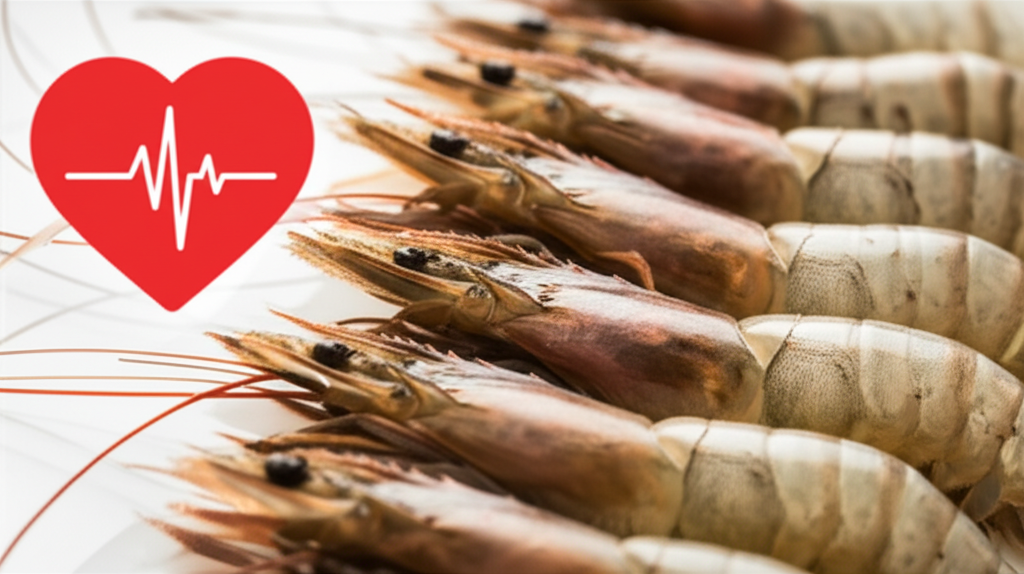
Let’s talk about the big elephant in the room when it comes to shrimp and heart health: cholesterol. For a long time, we were told that eating foods high in cholesterol was a direct ticket to high blood cholesterol. And shrimp, well, they do have cholesterol. A typical 3-ounce serving of cooked shrimp contains about 170-180 milligrams of cholesterol. That sounds like a lot, doesn’t it?
However, the science has evolved! For most people, the cholesterol you eat has a much smaller impact on your blood cholesterol levels than saturated and trans fats do. Your liver actually produces most of the cholesterol in your body. When you eat foods with cholesterol, your liver usually compensates by producing less.
The real culprits that tend to raise “bad” LDL cholesterol levels in the blood are saturated fats and artificial trans fats. Shrimp, on the other hand, are naturally very low in saturated fat. This is a crucial point!
The Good News: What Shrimp Offer Your Heart
Beyond the cholesterol discussion, shrimp are actually packed with nutrients that are beneficial for heart health. It’s not all about what they might “do wrong”; it’s also about what they do right for your body!
Here’s a look at some of the heart-healthy components found in shrimp:
Omega-3 Fatty Acids: Shrimp contain omega-3 fatty acids, particularly EPA (eicosapentaenoic acid) and DHA (docosahexaenoic acid). These are the “good” fats that are famous for their heart benefits. Omega-3s can help:
Lower triglycerides (a type of fat in your blood).
Reduce blood pressure.
Prevent blood clots.
Decrease inflammation.
Reduce the risk of heart attack and stroke.
While fatty fish like salmon and mackerel are richer sources of omega-3s, shrimp still contribute to your intake.
Lean Protein: Shrimp are an excellent source of lean protein. Protein is essential for building and repairing tissues, but it also plays a role in satiety, which can help with weight management. Maintaining a healthy weight is a cornerstone of good heart health.
Vitamins and Minerals: Shrimp are a good source of several vitamins and minerals vital for overall health, including:
Vitamin B12: Important for nerve function and the formation of red blood cells.
Selenium: A powerful antioxidant that helps protect cells from damage.
Iodine: Crucial for thyroid function, which impacts metabolism.
Phosphorus: Essential for bone health and energy production.
Choline: Important for brain health and liver function.
Astaxanthin: This is a really interesting one! Astaxanthin is a powerful antioxidant that gives shrimp their pinkish-red color when cooked. Antioxidants help combat oxidative stress in the body, which is linked to inflammation and chronic diseases, including heart disease. Astaxanthin may help improve cholesterol levels and blood vessel function.
The Role of Saturated and Trans Fats
To truly understand why shrimp aren’t typically “bad” for your heart, we need to focus on the fats that are problematic.
Saturated Fats: Found in red meat, butter, cheese, and some processed foods. High intake of saturated fats can increase LDL (“bad”) cholesterol levels.
Trans Fats: Often found in fried foods, baked goods, and some margarines. These are considered the worst type of fat for heart health, as they raise LDL cholesterol and lower HDL (“good”) cholesterol. Fortunately, trans fats are being phased out of many food supplies.
Now, let’s compare shrimp to other protein sources:
| Food Item (3 oz cooked) | Cholesterol (mg) | Saturated Fat (g) | Total Fat (g) |
| :———————- | :————— | :—————- | :———— |
| Shrimp | 179 | 0.2 | 1.3 |
| Chicken Breast (skinless) | 86 | 1.4 | 3.6 |
| Salmon | 71 | 1.3 | 6.5 |
| Lean Beef (90% lean) | 83 | 3.7 | 8.8 |
As you can see from the table, shrimp are remarkably low in saturated fat and total fat compared to many other common protein sources. This makes them a heart-friendlier choice, even with their cholesterol content.
How to Enjoy Shrimp as Part of a Heart-Healthy Diet
The key to enjoying shrimp without worrying about your heart is moderation and preparation methods.
1. Portion Control: A standard serving size is around 3 ounces (about 85 grams), which is roughly 10-12 medium shrimp. Enjoying shrimp a couple of times a week as part of a balanced diet is perfectly fine for most people.
2. Cooking Methods Matter: How you cook your shrimp significantly impacts its healthiness.
Heart-Healthy: Grilling, steaming, boiling, baking, or sautéing with minimal healthy oils (like olive oil) are excellent choices.
Less Healthy: Deep-frying or pan-frying in excessive butter or unhealthy oils adds extra calories and unhealthy fats, negating some of the benefits of the shrimp itself.
3. What You Serve Them With: The “side dishes” can make a big difference.
Pair with Veggies: Serve shrimp with a large salad, steamed vegetables, or a vegetable stir-fry.
Whole Grains: Opt for brown rice, quinoa, or whole-wheat pasta instead of refined white rice or pasta.
Healthy Fats: A drizzle of olive oil or a side of avocado adds beneficial monounsaturated fats.
Avoid: Creamy, buttery, or heavy sauces can add unhealthy fats and calories.
Who Should Be More Cautious?
While shrimp are generally safe and beneficial for most people, there are a few groups who might want to be more mindful or consult with their doctor:
Individuals with Specific Health Conditions: People with certain conditions, such as familial hypercholesterolemia (a genetic disorder causing very high cholesterol) or existing heart disease, might need to be more cautious about dietary cholesterol. However, even for these individuals, the advice often focuses on overall dietary patterns rather than eliminating specific foods.
Allergies: Shrimp allergies are common. If you have a shellfish allergy, you must avoid shrimp entirely.
It’s always a good idea to talk to your doctor or a registered dietitian about your specific dietary needs, especially if you have any underlying health concerns. They can provide personalized advice based on your individual health profile.
Shrimp and Dietary Cholesterol: What the Latest Research Says
The understanding of how dietary cholesterol affects blood cholesterol has changed significantly over the years. The Dietary Guidelines for Americans, for instance, no longer set a specific limit for dietary cholesterol. Instead, they emphasize a healthy eating pattern.
A review published in the Journal of the American Medical Association (JAMA) in 2015, which analyzed data from over 300,000 people, found that cholesterol intake had a relatively small impact on blood cholesterol levels for most individuals. The researchers concluded that for the general population, the impact of dietary cholesterol is less significant than previously believed.
Another study published in the American Journal of Clinical Nutrition highlighted that while some individuals are more sensitive to dietary cholesterol than others, the overall effect for the majority is modest, especially when compared to the impact of saturated and trans fats.
This shift in understanding is why foods like shrimp, which are low in saturated fat but contain cholesterol, can still be part of a heart-healthy diet. The focus is on the overall nutritional package and how it fits into your daily eating habits.
Frequently Asked Questions (FAQ)
Is it true that shrimp are bad for your heart because they are high in cholesterol?
While shrimp do contain cholesterol, current research suggests that for most people, dietary cholesterol has a much smaller impact on blood cholesterol levels than saturated and trans fats. Shrimp are very low in saturated fat, making them a generally heart-healthy food when eaten in moderation.
What are the benefits of eating shrimp for heart health?
Shrimp are a good source of lean protein, omega-3 fatty acids (EPA and DHA), selenium, and astaxanthin. These nutrients can help lower triglycerides, reduce blood pressure, combat inflammation, and protect cells from damage, all of which contribute to better heart health.
How much shrimp can I eat per week for heart health?
A typical serving of shrimp is about 3 ounces (85 grams), roughly 10-12 medium shrimp. Most health organizations recommend consuming seafood, including shrimp, about two times per week as part of a balanced diet. Moderation is key!
What are the best ways to cook shrimp to keep them heart-healthy?
Heart-healthy cooking methods include grilling, steaming, boiling, baking, and sautéing with minimal healthy oils like olive oil. Avoid deep-frying or cooking with excessive butter or unhealthy fats, as this can add unhealthy calories and fats.
Are there any people who should avoid shrimp?
Yes, individuals with a known shellfish allergy must avoid shrimp. People with certain genetic conditions that cause very high cholesterol or existing heart disease might need to be more mindful and should consult with their doctor or a registered dietitian for personalized advice.
How does shrimp compare to other protein sources for heart health?
Compared to many other protein sources like chicken breast, salmon, or lean beef, shrimp are significantly lower in saturated fat and total fat. While they contain cholesterol, their low saturated fat content makes them a favorable choice for many people seeking a heart-healthy protein.
Building a Heart-Healthy Plate with Shrimp
Think of your plate as a canvas for nourishment. When you add shrimp, you’re adding a vibrant splash of protein and beneficial nutrients. Here’s how to ensure your shrimp meals are supporting your heart:
Step 1: Choose Your Shrimp Wisely
Whether you’re buying fresh or frozen, look for plain shrimp. Avoid pre-marinated or breaded shrimp, as these often contain added sugars, sodium, and unhealthy fats. Wild-caught shrimp can be a great choice, and farmed shrimp can also be sustainable and healthy when raised responsibly.
Step 2: Select a Heart-Healthy Cooking Method
As we discussed, your cooking method is crucial.
Steaming: This is one of the simplest and healthiest ways to cook shrimp. It preserves their natural flavor and nutrients.
Grilling/Broiling: These methods allow fat to drip away. Use a light marinade made with olive oil, lemon juice, herbs, and garlic.
Baking: Similar to broiling, baking is a hands-off method that cooks shrimp evenly.
Sautéing: Use a small amount of olive oil or another healthy oil. Add garlic, onions, and herbs for flavor.
Step 3: Pair with Nutrient-Rich Sides
Don’t let your shrimp swim alone in unhealthy sauces or heavy accompaniments!
Vegetables: Load up on non-starchy vegetables. Think broccoli, spinach, bell peppers, zucchini, asparagus, and leafy greens. A large mixed green salad is always a winner.
Whole Grains: Choose complex carbohydrates for sustained energy. Quinoa, brown rice, farro, or whole-wheat pasta are excellent choices.
Healthy Fats: Avocado, nuts (in moderation), and seeds can add beneficial fats and flavor.
Step 4: Be Mindful of Sauces and Seasonings
Flavor is important, but choose wisely!
Opt for: Fresh herbs, garlic, ginger, lemon or lime juice, vinegar, chili flakes, and low-sodium soy sauce or tamari.
Limit: Creamy sauces, heavy butter-based sauces, excessive salt, and sugary marinades.
Example Heart-Healthy Shrimp Meal:
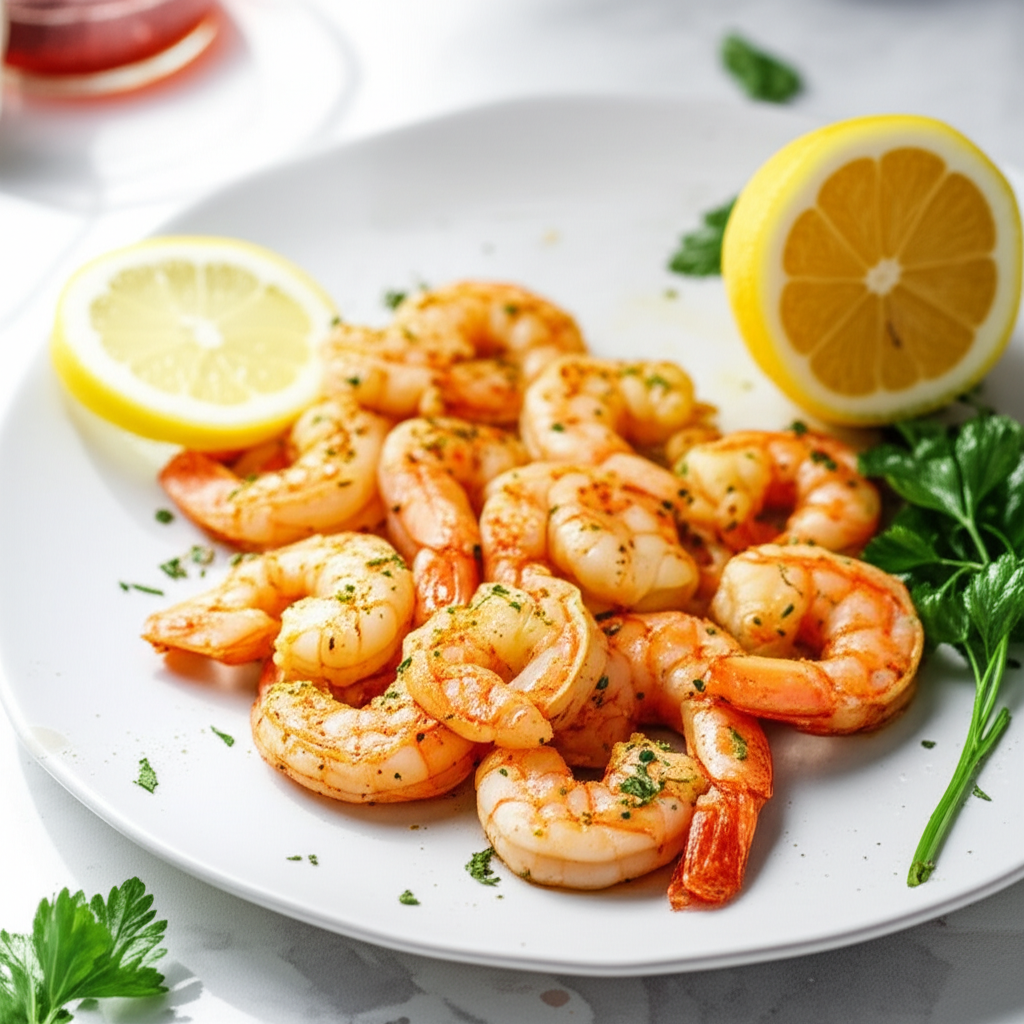
Main: Grilled shrimp marinated in lemon juice, garlic, and olive oil.
Side 1: A large salad with mixed greens, cucumber, tomatoes, and a light vinaigrette.
Side 2: A small portion of quinoa.
Important Considerations for Overall Diet
It’s essential to remember that no single food determines your heart health. Your overall dietary pattern plays the most significant role. If your diet is generally rich in fruits, vegetables, whole grains, lean proteins, and healthy fats, and low in processed foods, excessive saturated fats, and added sugars, then enjoying shrimp in moderation is perfectly aligned with a heart-healthy lifestyle.
Consider these broader aspects of a heart-healthy diet:
Limit Processed Foods: These are often high in sodium, unhealthy fats, and added sugars.
Increase Fiber Intake: Found in fruits, vegetables, whole grains, and legumes, fiber helps manage cholesterol and blood sugar.
Stay Hydrated: Drink plenty of water.
Manage Sodium: High sodium intake can contribute to high blood pressure. Be mindful of salt in your cooking and in packaged foods.
* Regular Physical Activity: Combine a healthy diet with regular exercise for optimal heart health.
Conclusion
So, are shrimp bad for your heart? The essential truth is: no, shrimp are not inherently bad for your heart. In fact, when enjoyed as part of a balanced diet and prepared using healthy methods, they can be a nutritious and delicious addition that actually supports heart health. The old fears about their cholesterol content have largely been put to rest by modern nutritional science, which emphasizes the greater impact of saturated and trans fats.
By focusing on portion sizes, healthy cooking techniques, and pairing shrimp with plenty of vegetables and whole grains, you can confidently include these flavorful and beneficial crustaceans in your meals. Remember, it’s about the overall pattern of your eating habits. Embrace the goodness of shrimp and enjoy them as a tasty step towards a healthier you! Keep exploring, keep learning, and keep enjoying the wonderful world of food and health!