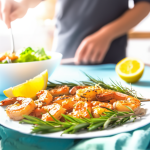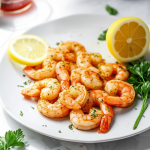

Shrimp are an excellent choice for weight loss! They are a low-calorie, high-protein food packed with nutrients. Enjoying shrimp as part of a balanced diet can support your weight loss goals effectively.
Thinking about adding more seafood to your diet for weight loss? You might be wondering, “Are shrimp bad for weight loss?” It’s a common question, especially with all the different dietary advice out there. Many people worry that seafood might be too high in calories or fat. But what if I told you that shrimp could actually be one of your best allies in shedding those extra pounds? It’s true! Shrimp are surprisingly good for you when you’re trying to lose weight. They offer a fantastic combination of being both delicious and incredibly healthy. In this guide, we’ll dive into why shrimp are a great choice and how you can incorporate them into your meals without any worry. Get ready to discover how easy and tasty healthy eating can be!
The Truth About Shrimp and Weight Loss
Let’s get straight to the heart of the matter: shrimp are absolutely not bad for weight loss. In fact, they are a powerhouse of nutrition that can significantly aid your journey towards a healthier weight. The key lies in their impressive nutritional profile. Shrimp are incredibly lean, meaning they provide a lot of protein for very few calories. This makes them an ideal food for anyone looking to feel full and satisfied without consuming excess energy.
When you’re trying to lose weight, focusing on protein-rich foods is a proven strategy. Protein helps you feel fuller for longer, which can reduce overall calorie intake. It also plays a crucial role in preserving muscle mass, which is important because muscle burns more calories than fat, even at rest. Shrimp deliver on both these fronts beautifully. A typical serving of shrimp offers a substantial amount of protein with minimal fat and carbohydrates.
Beyond protein, shrimp are also a good source of essential vitamins and minerals. They contain selenium, which is an antioxidant that protects your cells from damage. You also get vitamin B12, which is vital for energy production and brain function, and iodine, which is important for thyroid health. The combination of these nutrients, along with their low-calorie count, makes shrimp a smart and healthy addition to any weight loss diet.
Nutritional Breakdown: Why Shrimp Shine
To truly understand why shrimp are so beneficial for weight loss, let’s break down their nutritional content. This will give you a clear picture of what you’re putting into your body.
Here’s a look at the approximate nutritional values for a 3-ounce (about 85 grams) serving of cooked shrimp, boiled or steamed:
| Nutrient | Amount |
|---|---|
| Calories | 80-100 kcal |
| Protein | 18-20 g |
| Fat | 0.5-1 g |
| Saturated Fat | 0 g |
| Carbohydrates | 0 g |
| Cholesterol | 150-180 mg |
| Sodium | 80-100 mg |
| Selenium | ~40% Daily Value (DV) |
| Vitamin B12 | ~50% DV |
| Iodine | ~20% DV |
As you can see, shrimp are remarkably low in calories and virtually fat-free. The protein content is substantial, making them a filling option. While they do contain cholesterol, for most people, dietary cholesterol has a less significant impact on blood cholesterol levels than saturated and trans fats, according to the American Heart Association.
The high protein-to-calorie ratio is the star here. This means you get a lot of satiety for a small number of calories, which is exactly what you want when you’re trying to manage your weight. This nutrient density helps prevent overeating and keeps hunger pangs at bay.
Shrimp and Satiety: Feeling Fuller for Longer
One of the biggest challenges in weight loss is managing hunger and sticking to a calorie-controlled eating plan. This is where the high protein content of shrimp truly shines. Protein is known to be the most satiating macronutrient, meaning it helps you feel fuller and more satisfied after a meal compared to carbohydrates or fats.
When you eat shrimp, the protein takes longer to digest. This slower digestion process can help regulate appetite hormones, such as ghrelin (the hunger hormone) and peptide YY (which signals fullness). By keeping you feeling satisfied for an extended period, shrimp can help reduce the urge to snack between meals, thereby lowering your overall daily calorie intake. This makes adhering to a weight loss plan much more manageable and less about constant deprivation.
Think of it this way: a meal high in protein will likely leave you feeling content and less likely to reach for less healthy, calorie-dense snacks later on. Shrimp, being predominantly protein, are perfect for this. They can be a satisfying main course or a protein boost in a salad or stir-fry, ensuring you stay on track with your weight loss goals.
The Role of Protein in Muscle Maintenance During Weight Loss
When you lose weight, it’s crucial to lose fat, not muscle. Muscle tissue is metabolically active, meaning it burns calories even when you’re not exercising. Losing muscle can slow down your metabolism, making it harder to lose weight and easier to regain it. This is why maintaining muscle mass during a calorie deficit is so important.
Protein is the building block of muscle. Consuming enough protein, especially when you’re in a calorie deficit for weight loss, signals to your body that it needs to preserve muscle tissue. Shrimp provide high-quality protein that your body can effectively use to repair and maintain muscles, even as you lose fat. This helps ensure that the weight you’re losing is primarily from fat stores, leading to a healthier body composition and a more sustainable metabolism.
Combining a healthy diet rich in protein like shrimp with regular strength training is the most effective way to maximize fat loss while preserving muscle mass. This approach not only helps you reach your weight loss goals but also improves your overall fitness and body shape.
Are Shrimp Healthy for Weight Loss? Key Benefits
Let’s summarize the key benefits of including shrimp in your weight loss diet:
- Low in Calories: Shrimp are an excellent low-calorie food, allowing you to eat satisfying portions without consuming excessive energy.
- High in Protein: They are packed with lean protein, which promotes satiety, helps control appetite, and supports muscle maintenance.
- Nutrient-Dense: Shrimp provide essential vitamins and minerals like selenium, vitamin B12, and iodine, contributing to overall health and well-being.
- Low in Fat: With minimal fat content, especially saturated fat, shrimp are a heart-healthy choice.
- Versatile: They can be prepared in countless healthy ways, making it easy to incorporate them into various meals and cuisines.
- Metabolism Support: Adequate protein intake, like that from shrimp, helps maintain metabolic rate during weight loss by preserving muscle mass.
Potential Concerns and How to Address Them
While shrimp are generally excellent for weight loss, there are a couple of common concerns that people have, and it’s important to address them to provide a complete picture.
Cholesterol Content
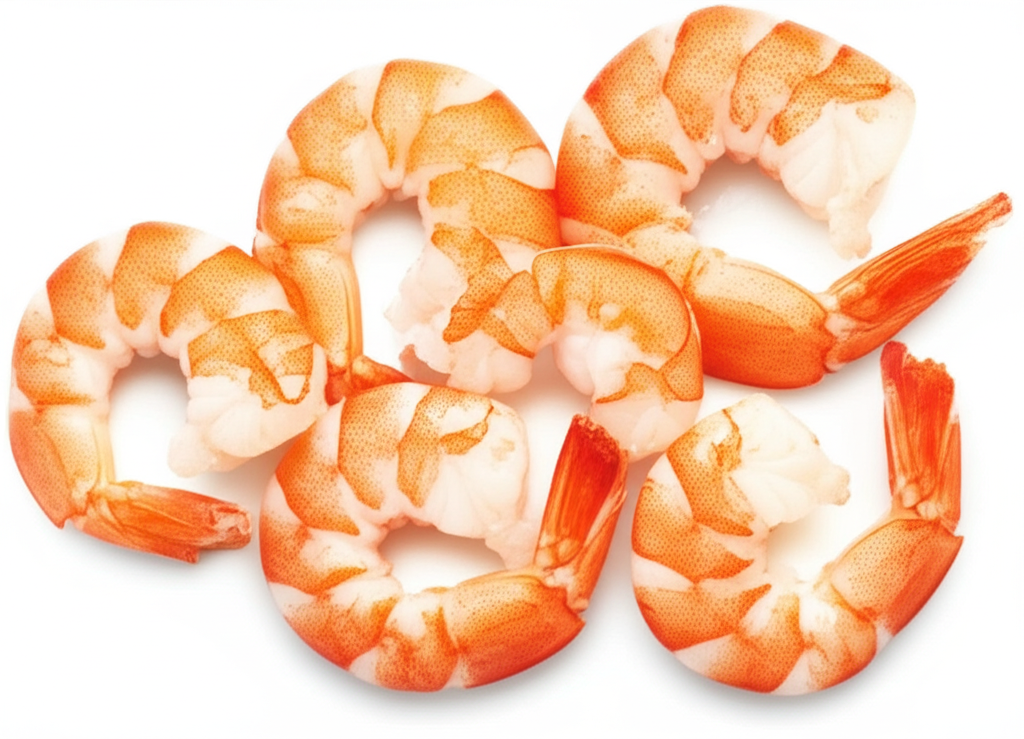
One of the most frequently discussed aspects of shrimp nutrition is their cholesterol content. A 3-ounce serving of shrimp contains about 150-180 mg of cholesterol. For a long time, dietary cholesterol was considered a major contributor to high blood cholesterol. However, current research suggests that for most healthy individuals, dietary cholesterol has a much smaller impact on blood cholesterol levels than saturated and trans fats.
The Dietary Guidelines for Americans no longer set a specific limit for dietary cholesterol, instead recommending that people consume as little dietary cholesterol as possible while eating a diet that is nutritionally adequate. The focus has shifted to limiting saturated and trans fats, which have a more significant effect on raising LDL (bad) cholesterol levels.
Shrimp are very low in saturated fat (often 0 grams per serving) and contain no trans fats. This means that, for the majority of people, enjoying shrimp in moderation as part of a balanced diet is unlikely to negatively impact their blood cholesterol levels. If you have specific health concerns or are advised by your doctor to monitor your cholesterol intake closely, it’s always best to discuss it with them.
Sodium Content
Some processed or pre-cooked shrimp products can be high in sodium due to added salt or preservatives. This is a valid concern, especially for individuals monitoring their sodium intake for blood pressure management. However, fresh or frozen, raw shrimp typically have a moderate sodium content, which is not excessive.
To manage sodium intake:
- Choose Fresh or Frozen Raw Shrimp: These are usually the lowest in sodium.
- Read Labels Carefully: If buying pre-cooked or seasoned shrimp, check the nutrition facts for sodium content.
- Rinse Before Cooking: If you’re concerned about sodium in canned or pre-cooked shrimp, rinsing them under cold water can help reduce the sodium content.
- Control Added Salt: When cooking shrimp yourself, be mindful of how much salt you add. Opt for herbs, spices, lemon, and garlic for flavor instead.
By making informed choices and preparing shrimp simply, you can easily keep the sodium content well within healthy limits for weight loss and overall health.
How to Prepare Shrimp for Weight Loss: Healthy Cooking Methods
The way you prepare shrimp can make a big difference in their healthfulness and suitability for weight loss. The goal is to enhance their natural flavor and texture without adding unnecessary calories, fats, or sodium.
Here are some of the best cooking methods for weight loss:
- Boiling/Poaching: This is one of the simplest and healthiest ways to cook shrimp. Simply simmer them in water until they turn pink and opaque. You can add aromatics like lemon slices, garlic, or herbs to the water for extra flavor.
- Steaming: Similar to boiling, steaming cooks shrimp gently and retains their moisture and nutrients. You can steam them over a pot of boiling water or use a dedicated steamer basket. Again, flavor enhancers can be added to the steaming liquid.
- Grilling/Broiling: Grilling or broiling shrimp gives them a lovely slightly smoky flavor and a nice texture. Marinate them in a light mixture of olive oil, lemon juice, herbs, and spices before cooking. Avoid heavy, sugary marinades or excessive oil.
- Sautéing (with minimal oil): If you prefer to sauté, use a non-stick pan and just a teaspoon or two of healthy oil like olive oil or avocado oil. Cook the shrimp quickly over medium-high heat. You can add garlic, chili flakes, or a splash of broth for flavor.
- Baking: Baking shrimp is another easy method. Toss them with herbs, spices, a little lemon juice, and a tiny bit of oil, then bake on a sheet pan until cooked through.
Methods to Use Sparingly or Avoid for Weight Loss:
- Deep-Frying: This method adds a significant amount of fat and calories. Battered and deep-fried shrimp are best avoided when focusing on weight loss.
- Creamy Sauces: Shrimp dishes with heavy cream, butter, or cheese-based sauces can quickly increase the calorie and fat content. Opt for lighter, tomato-based, or broth-based sauces instead.
- Sugary Glazes: Many store-bought or restaurant glazes are loaded with sugar, which can sabotage weight loss efforts.
When preparing shrimp, focus on fresh ingredients and simple seasonings. This will help you enjoy their delicious taste and health benefits without derailing your weight loss progress.
Incorporating Shrimp into Your Weight Loss Meal Plan
Adding shrimp to your diet is easy and can make your weight loss journey more enjoyable. Their versatility means you can incorporate them into breakfast, lunch, and dinner.
Weight Loss Meal Ideas Featuring Shrimp
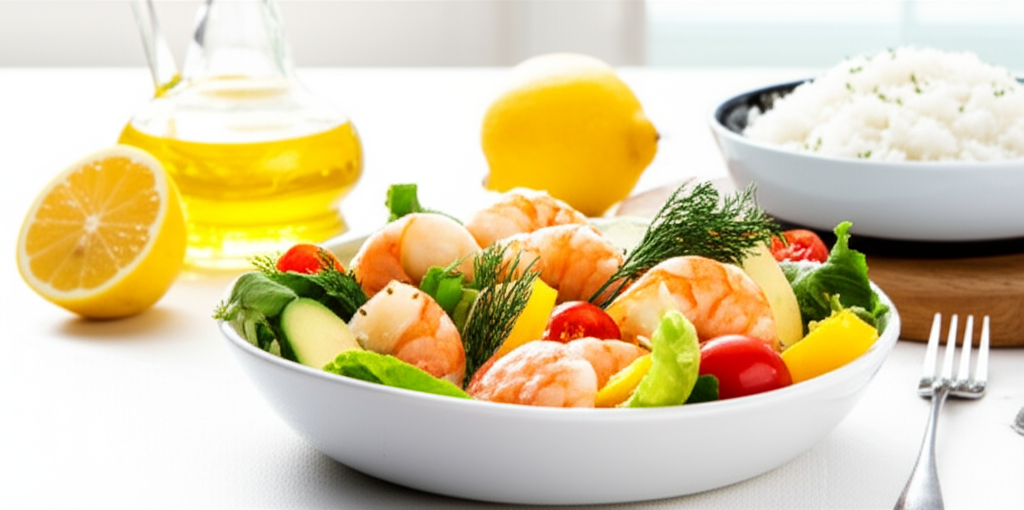
- Shrimp Salad: Toss cooked, chilled shrimp with mixed greens, cucumber, tomatoes, bell peppers, and a light vinaigrette dressing. Add avocado for healthy fats.
- Shrimp Stir-fry: Sauté shrimp with a variety of colorful vegetables like broccoli, snap peas, carrots, and bell peppers. Use a light soy sauce or tamari-based sauce with ginger and garlic. Serve with a small portion of brown rice or quinoa, or enjoy it without grains.
- Shrimp Skewers: Marinate shrimp with lemon, herbs, and garlic, then thread them onto skewers with vegetables like zucchini, cherry tomatoes, and onion. Grill or bake until cooked.
- Shrimp and Vegetable Soup: Create a flavorful broth-based soup with shrimp, lots of vegetables (like spinach, zucchini, carrots), and herbs.
- Shrimp Tacos (Healthy Version): Use corn tortillas or lettuce wraps. Fill with seasoned, grilled shrimp, shredded cabbage, salsa, and a dollop of Greek yogurt or avocado instead of sour cream.
- Shrimp Omelets or Scrambles: Add chopped cooked shrimp to your morning eggs with some spinach or mushrooms for a protein-packed breakfast.
- Shrimp Pasta (Lightly Sauced): Use whole wheat pasta or zucchini noodles. Toss with shrimp, cherry tomatoes, garlic, olive oil, and fresh basil. Avoid heavy cream sauces.
Portion Control
While shrimp are low in calories, portion control is still important for weight loss. A standard serving size is generally considered to be around 3-4 ounces (about 85-115 grams) of cooked shrimp. Pay attention to serving sizes, especially when eating out, as portions can often be much larger.
Using a kitchen scale can be helpful when you’re starting out to get a better understanding of what a standard portion looks like. This ensures you’re getting the benefits of shrimp without overconsuming calories.
Shrimp vs. Other Proteins for Weight Loss
It’s helpful to see how shrimp stack up against other common protein sources when considering a weight loss diet.
| Food Item | Calories | Protein (g) | Fat (g) | Saturated Fat (g) |
|---|---|---|---|---|
| Shrimp | 80-100 | 18-20 | 0.5-1 | 0 |
| Chicken Breast (skinless) | 130-140 | 25-27 | 2-3 | 0.5-1 |
| Salmon | 170-200 | 20-22 | 9-12 | 2-3 |
| Lean Beef (e.g., sirloin) | 150-180 | 20-22 | 5-7 | 2-3 |
| Tofu (firm) | 70-80 | 7-8 | 4-5 | 0.5-1 |
| Lentils (cooked) | 60-70 | 4-5 | 0.2-0.4 | 0 |
From this table, you can see that shrimp offer a very favorable calorie-to-protein ratio, often lower in calories and fat than chicken breast, salmon, or lean beef. While chicken breast offers more protein per serving, it also comes with slightly more calories and fat. Salmon is excellent for its omega-3 fatty acids but is higher in calories and fat overall. Plant-based proteins like tofu and lentils are also good options but generally provide less protein per serving compared to shrimp.
Shrimp are particularly advantageous if you are looking for a very low-fat, high-protein option that is also quick to cook and versatile. They are a great way to add variety to your protein intake without significantly increasing your calorie or fat consumption.
Frequently Asked Questions About Shrimp and Weight Loss
Are shrimp bad for weight loss?
No, shrimp are not bad for weight loss. They are a low-calorie, high-protein food that can help you feel full, support muscle mass, and manage your appetite, making them an excellent choice for a weight loss diet.
How many calories are in shrimp?
A 3-ounce (85g) serving of cooked shrimp typically contains between 80 to 100 calories, depending on the cooking method. They are very low in fat and carbohydrates.
Is shrimp high in cholesterol?
Shrimp do contain cholesterol (about 150-180mg per 3oz serving), but for most people, dietary cholesterol has a less significant impact on blood cholesterol than saturated and trans fats. Since shrimp are very low in saturated fat, they can be enjoyed as part of a healthy diet.
What is the best way to cook shrimp for weight loss?
The best ways to cook shrimp for weight loss are boiling, steaming, grilling, broiling, or baking with minimal added oil. Avoid deep-frying or using heavy, creamy, or sugary sauces.
Can I eat shrimp every day if I’m trying to lose weight?
While shrimp are healthy, it’s generally recommended to eat a variety of protein sources. Consuming shrimp a few times a week as part of a balanced diet is a great strategy for weight loss. If you have concerns about mercury or other contaminants, consult with a healthcare provider or a registered dietitian.
Are shrimp good for muscle building during weight loss?
Yes, the high protein content in shrimp is essential for muscle maintenance and repair, which is crucial when losing weight to ensure you’re primarily losing fat, not muscle. This helps preserve your metabolism.
Conclusion
So, to answer the question, “Are shrimp bad for weight loss?” the answer is a resounding no! Shrimp are a fantastic, nutrient-dense food that can actively support your weight loss journey. Their low-calorie count, high protein content, and minimal fat make them an ideal choice for anyone looking to shed pounds while staying satisfied and nourished.
By focusing on healthy preparation methods like steaming, grilling, or boiling, and by incorporating them into balanced meals, you can enjoy the delicious taste and numerous health benefits of shrimp without any guilt. Remember to choose fresh or frozen raw shrimp and be mindful of added sodium and unhealthy fats in recipes and sauces. They offer a great alternative to higher-fat proteins and can add welcome variety to your meal plan.
Embracing shrimp as part of a varied and balanced diet, combined with regular physical activity, will put you on a strong path toward achieving your weight loss goals and improving your overall health. Happy eating!