

Quick Summary: For most healthy individuals, eating shrimp in moderation is not bad for your kidneys. Shrimp are a good source of protein and nutrients. However, individuals with pre-existing kidney conditions may need to monitor their intake due to phosphorus and sodium content. Always consult a healthcare professional for personalized dietary advice.
Welcome, fellow shrimp enthusiasts! It’s Luna Grace here, and I know that when we dive into the fascinating world of aquarium shrimp, we often get curious about their health and well-being. One question that sometimes pops up, especially for those who also enjoy seafood, is about the impact of certain foods on our bodies, specifically our kidneys. You might be wondering, “Are shrimp bad for kidneys?” It’s a common concern, and it’s totally normal to want to be informed about what you eat, especially when it comes to your health.
This can feel a bit confusing because shrimp are so delicious and packed with nutrients, yet there’s also a lot of talk about dietary restrictions for kidney health. But don’t worry! We’re going to break this down together, simply and clearly. Think of me as your guide, helping you understand the facts so you can make informed choices. We’ll explore what makes shrimp a great food for many, and what to consider if you have specific health concerns. Get ready to feel confident and empowered as we uncover the essential truths about shrimp and kidney health!
Understanding Your Kidneys and Diet
Our kidneys are amazing organs! They work tirelessly to filter waste products from our blood and maintain a healthy balance of fluids and electrolytes in our bodies. They’re like the ultimate filtration system, keeping us healthy and functioning smoothly.
When we talk about diet and kidney health, we’re often looking at how certain foods can affect this delicate balance. Key nutrients that are frequently discussed in relation to kidney function include:
- Protein: Essential for building and repairing tissues, but too much can sometimes be a burden on the kidneys, especially if they are already compromised.
- Phosphorus: A mineral crucial for bone health and energy. However, unhealthy kidneys struggle to remove excess phosphorus, which can lead to serious health issues.
- Sodium: Helps regulate fluid balance, but high intake can increase blood pressure, a major risk factor for kidney disease.
- Potassium: Another electrolyte vital for nerve and muscle function. Imbalances can be problematic for kidney patients.
It’s important to remember that these considerations are most critical for individuals who already have kidney disease or are at high risk. For people with healthy kidneys, the body is usually very good at managing these nutrients.
Shrimp: A Nutritional Powerhouse
Shrimp are a popular seafood choice for many reasons! They’re versatile, quick to cook, and taste fantastic. But beyond their culinary appeal, they also offer a good range of essential nutrients.
Let’s take a look at what’s typically found in a serving of cooked shrimp (about 3 ounces or 85 grams):
| Nutrient | Amount |
|---|---|
| Calories | 80-100 |
| Protein | 18-20 grams |
| Fat | 1-2 grams |
| Cholesterol | 150-170 mg |
| Phosphorus | 170-200 mg |
| Sodium | 100-150 mg (varies based on preparation) |
| Selenium | Good source |
| Vitamin B12 | Good source |
| Omega-3 Fatty Acids | Present in small amounts |
As you can see, shrimp are a lean source of protein, which is great for muscle health and feeling full. They also provide important minerals like selenium, which acts as an antioxidant, and vitamin B12, vital for nerve function and red blood cell formation. You might also notice the cholesterol content; while dietary cholesterol was once a major concern, current research suggests it has less impact on blood cholesterol for most people than previously thought.
The key takeaway here is that for most people, shrimp can be a healthy part of a balanced diet. The nutrients they provide are beneficial for overall health.
Shrimp and Kidney Health: What You Need to Know
Now, let’s address the core question: Are shrimp bad for kidneys? The answer is nuanced and depends heavily on your individual health status.
For Individuals with Healthy Kidneys
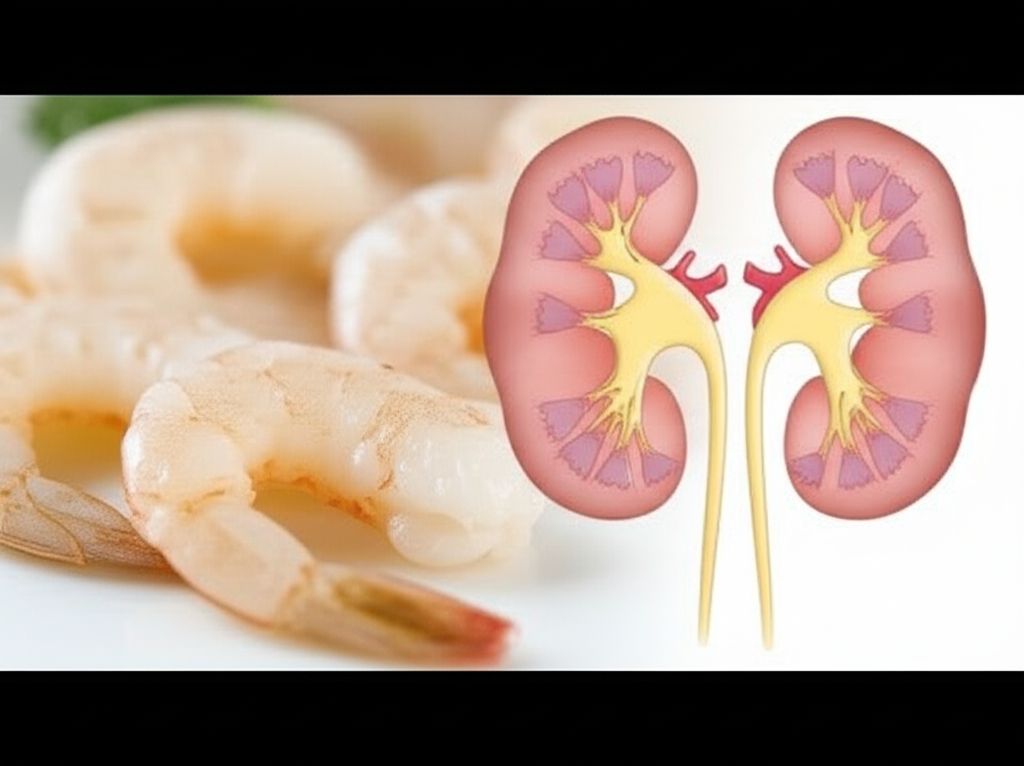
If your kidneys are functioning well, your body is equipped to handle the nutrients found in shrimp. The amount of protein, phosphorus, and sodium in a typical serving of shrimp is generally well within the capacity of healthy kidneys to process and excrete.
In fact, the lean protein in shrimp can be beneficial for maintaining muscle mass, and nutrients like selenium can contribute to overall health. The key here is moderation. As with any food, consuming excessively large quantities of shrimp, or any single food, might not be ideal. A balanced diet that includes a variety of foods is always the best approach.
Think of it this way: your healthy kidneys are like a robust water filter. They can handle a certain amount of impurities, and the waste products from moderate shrimp consumption are easily managed.
For Individuals with Kidney Disease
This is where the conversation changes. For people who have chronic kidney disease (CKD) or are on dialysis, dietary recommendations become much more specific. This is because their kidneys are not filtering waste products as efficiently.
The primary concerns with shrimp for individuals with kidney disease are:
- Phosphorus: While shrimp contain phosphorus, it’s generally considered less of a concern than phosphorus found in processed foods or dairy, as it’s naturally occurring. However, for those with severe kidney impairment, even natural sources might need monitoring.
- Sodium: Many prepared or processed shrimp products can be very high in sodium, which can worsen high blood pressure and fluid retention, both significant issues for people with kidney disease.
- Protein: While protein is essential, people with advanced kidney disease are often advised to limit their protein intake to reduce the workload on their kidneys.
It’s crucial for anyone with kidney disease to work closely with their doctor or a registered dietitian specializing in renal nutrition. They can provide personalized dietary plans that account for the specific stage of kidney disease and individual needs. They might advise limiting portion sizes, choosing fresh over processed shrimp, and being mindful of preparation methods.
For those with kidney issues, it’s like having a filter that’s starting to clog. You need to be more careful about what goes through it to prevent further damage and maintain its function.
Preparing Shrimp Safely for Kidney Health
If you enjoy shrimp and have healthy kidneys, or if you have kidney disease and have discussed it with your doctor, how you prepare shrimp can make a big difference.
Tips for Healthier Shrimp Preparation:
- Choose Fresh or Frozen: Opt for plain, raw shrimp rather than pre-cooked, marinated, or breaded varieties, which often contain added sodium and other ingredients that might be less ideal.
- Boil or Steam: These methods are excellent as they don’t require added fats or salt.
- Grill or Bake: These are also good options. Use herbs, spices, lemon juice, or garlic for flavor instead of salt or high-sodium marinades.
- Be Mindful of Sauces and Seasonings: Many pre-made sauces, marinades, and spice blends are loaded with sodium. Make your own from scratch using fresh ingredients.
- Portion Control: Even with healthy kidneys, moderation is key. Stick to sensible serving sizes.
For those managing kidney health, these preparation tips are even more important. Avoiding high-sodium seasonings and sauces is paramount. For instance, a simple recipe for grilled shrimp might involve marinating them in olive oil, lemon juice, garlic, and fresh parsley. This adds plenty of flavor without relying on salt.
Alternatives and Considerations
If you have kidney concerns or are looking to vary your protein sources, there are many other excellent options. Many types of fish, poultry, lean beef, beans, lentils, and tofu can provide protein and essential nutrients without the same considerations as shrimp for certain individuals.
For example, fatty fish like salmon are rich in omega-3 fatty acids, which are beneficial for heart health and may have anti-inflammatory properties. Plant-based proteins like lentils and beans are also excellent sources of fiber and nutrients, though they do contain phosphorus and potassium, which may require monitoring in specific kidney diets.
It’s always beneficial to have a diverse diet. This ensures you get a wide spectrum of vitamins and minerals and reduces reliance on any single food group. Exploring different protein sources can be a delicious way to manage your health and enjoy a variety of meals.
The Role of Hydration
Staying well-hydrated is crucial for everyone, but it’s especially important for kidney health. Water helps your kidneys filter waste products from your blood and excrete them from your body. When you’re well-hydrated, your kidneys can function more efficiently.
For individuals with kidney disease, fluid intake might need to be managed under medical guidance. However, for those with healthy kidneys, aiming for adequate water intake throughout the day is a simple yet powerful way to support kidney function.
According to the U.S. National Institute of Diabetes and Digestive and Kidney Diseases (NIDDK), drinking enough fluids is essential for overall health and can help prevent kidney stones and urinary tract infections. You can learn more about kidney health and hydration from reliable sources like the NIDDK.
When to Seek Professional Advice
It’s important to reiterate that this information is for general knowledge and informational purposes only. It does not constitute medical advice.
If you have any concerns about your kidney health, or if you are unsure about how specific foods fit into your diet, it is absolutely essential to consult with a healthcare professional. This could be your primary care physician, a nephrologist (kidney specialist), or a registered dietitian. They can:
- Assess your individual kidney function.
- Provide personalized dietary recommendations based on your health status, medications, and lifestyle.
- Help you create a meal plan that meets your nutritional needs while supporting your kidney health.
Never make significant changes to your diet based solely on information found online. Professional medical guidance is key to managing your health effectively and safely.
Frequently Asked Questions
Q1: Can eating shrimp cause kidney damage?
For individuals with healthy kidneys, eating shrimp in moderation is unlikely to cause kidney damage. Your kidneys are capable of filtering the nutrients found in shrimp. However, if you have pre-existing kidney disease, it’s important to discuss your intake with a healthcare provider, as certain nutrients in shrimp may need to be monitored.
Q2: Are shrimp high in phosphorus for people with kidney disease?
Shrimp do contain phosphorus, but it’s naturally occurring. While people with kidney disease often need to limit phosphorus intake, the impact of natural phosphorus from foods like shrimp can be different from phosphorus added to processed foods. It’s best to follow the specific dietary advice given by your doctor or dietitian regarding phosphorus intake.
Q3: Is it safe to eat shrimp if I have high blood pressure?
If you have high blood pressure, it’s wise to be mindful of sodium intake, as sodium can affect blood pressure. Many prepared shrimp products can be high in sodium. Opt for fresh, unseasoned shrimp and prepare them with low-sodium seasonings, herbs, and spices to keep your sodium intake in check.
Q4: What are the benefits of eating shrimp for people with healthy kidneys?
For those with healthy kidneys, shrimp offer several benefits. They are a lean source of high-quality protein, essential for muscle building and repair. They also provide important nutrients like selenium, which acts as an antioxidant, and vitamin B12, crucial for nerve function and energy production.
Q5: How should I prepare shrimp to be kidney-friendly?
To prepare shrimp in a kidney-friendly way, focus on simple cooking methods like boiling, steaming, grilling, or baking. Use fresh herbs, spices, lemon juice, or garlic for flavor instead of salt or high-sodium sauces and marinades. Avoid breaded or heavily seasoned pre-packaged shrimp.
Q6: Can I eat shrimp if I’m on a low-protein diet for my kidneys?
If you are on a medically supervised low-protein diet for kidney disease, you will need to carefully monitor your protein intake from all sources, including shrimp. Your doctor or dietitian will provide specific guidance on how much protein you should consume and whether shrimp fits into your plan.
Conclusion
So, to circle back to our initial question: Are shrimp bad for kidneys? For the vast majority of people with healthy kidneys, the answer is a resounding no, especially when enjoyed in moderation as part of a balanced diet. Shrimp are a nutritious food, offering valuable protein and essential micronutrients that contribute to overall well-being.
However, it’s crucial to acknowledge that individual health circumstances, particularly pre-existing kidney conditions, can change the dietary landscape. If you have kidney disease, managing your intake of phosphorus, sodium, and protein is vital, and this is where shrimp might require more careful consideration and professional guidance. Always prioritize consulting with your healthcare team for personalized advice tailored to your unique health needs.
Remember, understanding your body and the foods you eat is a journey, and it’s wonderful that you’re taking the time to learn! Whether you’re caring for delicate aquarium shrimp or making informed choices about your own diet, knowledge is power. Keep exploring, stay curious, and always feel empowered to seek the best advice for a healthy and happy life. Happy eating, and happy shrimp keeping!