
Are Planaria Bad For Shrimp? Yes, in large numbers, they can be detrimental. This guide explains how to identify them, understand their impact, and safely manage them to protect your shrimp colony.
Seeing tiny white worms wriggling in your shrimp tank can be startling, especially if you’re new to the wonderful world of shrimp keeping. These little visitors are often planaria, and their presence can spark a lot of worry. Are they harmless hitchhikers, or a genuine threat to your beloved shrimp? It’s a common question that pops up in many shrimp tanks, causing confusion and sometimes, unnecessary panic. But don’t fret! Understanding what planaria are, why they appear, and how they affect your shrimp is the first step to a happy, healthy aquarium. This guide will walk you through everything you need to know, from identification to safe management, so you can feel confident in caring for your shrimp.
Understanding Planaria: What Are These Tiny Worms?
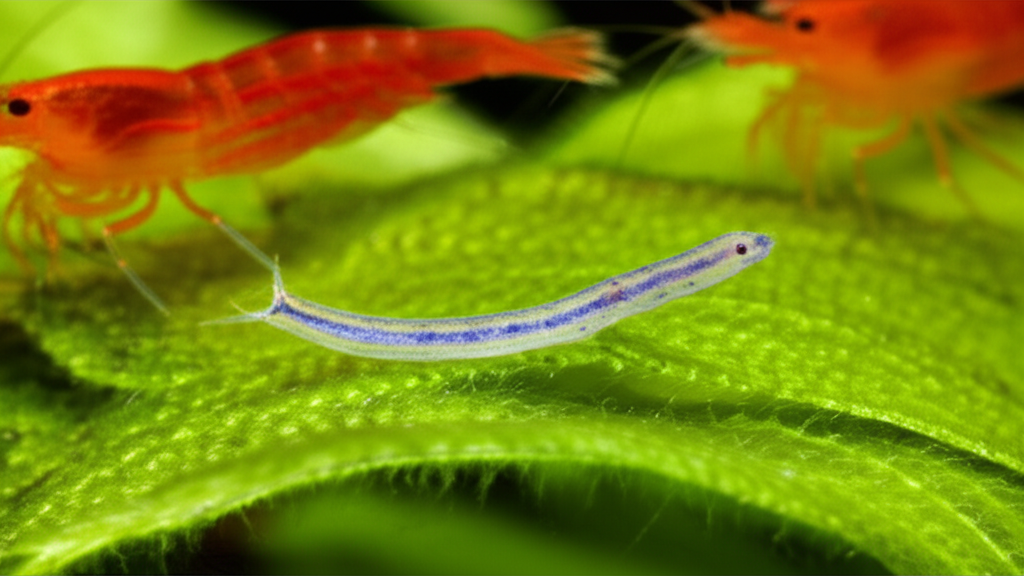
Planaria are small, flatworms that often find their way into freshwater aquariums. They are typically white, grey, or brown and have a distinctive triangular or spade-shaped head with two small eye spots. You’ll usually spot them moving on the glass, substrate, or decorations of your tank. They can be quite fast-moving, often appearing like tiny white threads inching along.
These fascinating creatures are not inherently bad. In fact, they are part of the natural ecosystem that can develop in an aquarium. They are scavengers, feeding on leftover food, decaying plant matter, and other organic debris. In small numbers, they can even be beneficial by helping to clean up your tank. However, when their population explodes, it can signal an imbalance in your aquarium and create problems for your shrimp.
Why Do Planaria Appear in Shrimp Tanks?
The presence of planaria is usually a sign that something in your aquarium’s environment is allowing their population to thrive. They don’t just appear out of nowhere; they are typically introduced to the tank through new additions like plants, decorations, or even other fish. Once in the tank, their population will grow significantly if there’s an abundant food source available.
Here are the most common reasons planaria populations boom:
- Overfeeding: This is the number one culprit. When you feed your shrimp more than they can consume in a short period, the leftover food decays, providing a feast for planaria.
- Poor Tank Maintenance: Uneaten food, decaying plant leaves, and general detritus build-up create ideal breeding conditions for planaria.
- Introduction via New Additions: As mentioned, new plants or decorations can carry planaria eggs or even adult worms into your established tank.
- High Organic Load: A tank with too much organic waste can support a larger planaria population. This could be due to overstocking or insufficient filtration for the bioload.
Understanding these triggers is crucial for prevention and management. It’s all about creating a balanced environment where your shrimp can flourish, and opportunistic organisms like planaria are kept in check.
Are Planaria Actually Bad for Shrimp? The Impact Explained
While planaria themselves are not predatory towards adult shrimp, their presence in large numbers can indeed be detrimental to your shrimp colony. The main concern is not direct harm from the worms, but rather the conditions that allow them to proliferate and the potential indirect effects on your shrimp.
Here’s a breakdown of why an overpopulation of planaria can be a problem:
- Competition for Food: In a tank with a booming planaria population, these worms can consume a significant amount of the food available. This can lead to your shrimp, especially the shrimplets, not getting enough to eat.
- Shrimplet Predation: This is perhaps the most significant concern for shrimp keepers. While adult shrimp are too large for planaria to harm, baby shrimp (shrimplets) are vulnerable. Planaria have been observed to prey on newly hatched shrimplets, significantly impacting the breeding success of your colony. They can latch onto shrimplets and consume them.
- Indicator of Poor Water Quality or Overfeeding: A massive planaria outbreak is a clear signal that your aquarium’s ecosystem is out of balance. This imbalance, often caused by overfeeding or excess organic waste, can also stress your shrimp, making them more susceptible to diseases and other health issues.
- Aesthetic Nuisance: While not a direct threat to shrimp health, a tank crawling with planaria can be unsightly and detract from the beauty of your shrimp aquarium.
It’s important to remember that a few planaria are not a crisis. It’s when you start seeing them everywhere, and their numbers seem to multiply rapidly, that you need to take action.
Identifying Planaria in Your Shrimp Tank
Accurate identification is key before you start any treatment. Planaria are often confused with other harmless microfauna that might inhabit a healthy shrimp tank, such as copepods or detritus worms. Here’s how to tell them apart:
Planaria Characteristics:
- Shape: Distinctive triangular or spade-shaped head.
- Movement: Glide or crawl along surfaces with a rhythmic, undulating motion. They can also move quite quickly when disturbed.
- Color: Typically white, but can also be grey, brown, or black.
- Size: Can range from very small (a few millimeters) to about a centimeter long when mature.
- Eyespots: Have two small, dark spots on their head, which are their eyes. These might be difficult to see on very small specimens.
- Reproduction: They are hermaphrodites and can reproduce both sexually and asexually through fragmentation (if a planarian is cut into pieces, each piece can grow into a new worm).
What They Are NOT:
- Copepods: These are tiny crustaceans, often jumpy or darting. They are generally beneficial and a good food source for shrimp. They look more like tiny dots with legs that move erratically.
- Detritus Worms: These are usually thinner, more thread-like, and often burrow in the substrate. They move with a more segmented, wriggling motion and lack the distinct head shape of planaria.
A simple way to observe them is to turn off your tank lights and use a flashlight. The sudden change in light often makes them more active and visible on the tank glass.
Managing Planaria: A Step-by-Step Beginner’s Guide
Dealing with a planaria infestation doesn’t have to be stressful. The goal is to reduce their numbers to a manageable level and, more importantly, address the underlying causes that allowed them to thrive. Here’s a practical, step-by-step approach:
Step 1: Assess the Situation and Identify the Cause
Before you do anything, take a moment to observe. How many planaria are there? Are they only on the glass, or are they in the substrate and on decorations too? Are you overfeeding? Is there a lot of uneaten food or decaying matter?
Action:
- Reduce Feeding: Feed your shrimp only what they can consume within 1-2 hours. It’s better to slightly underfeed than overfeed.
- Clean Up Debris: Gently siphon out any uneaten food, dead leaves, or accumulated detritus from the substrate.
Step 2: Improve Tank Maintenance Habits
Consistent, good maintenance is your best defense against planaria and other pests.
Action:
- Regular Water Changes: Perform regular partial water changes (e.g., 10-20% weekly or bi-weekly) to remove excess nutrients and waste.
- Gently Clean Substrate: During water changes, use a gravel vacuum or siphon to gently clean the top layer of your substrate, removing uneaten food and waste. Be careful not to disturb the beneficial bacteria in the substrate too much.
- Remove Dead Leaves Promptly: If you have live plants, remove any yellowing or dead leaves as soon as you notice them.
Step 3: Consider Mechanical Removal
For a less invasive approach, you can try to physically remove planaria.
Action:
- Siphoning: Use a fine-mesh net or a small siphon to carefully suck up planaria from the glass and substrate. You can then discard them.
- Scraping: Use an aquarium scraper or an old credit card to scrape planaria off the glass and siphon them out.
Step 4: Introduce Natural Predators (Use with Caution)
Some aquarium inhabitants naturally prey on planaria. However, you must be very careful, as these predators can also pose a risk to your shrimplets.
Potential Predators:
- Guppies: Certain types of guppies, especially Endler’s livebearers, are known to eat small worms. However, they can also eat shrimplets.
- Betta Fish: Some Bettas might nibble on planaria, but they are also a risk to shrimp.
- Certain Snails: Some species of snails may help in controlling planaria by consuming organic matter.
Important Note: Introducing fish or snails specifically to combat planaria is a strategy that requires careful consideration. Ensure any new inhabitants are compatible with your shrimp and won’t cause more problems than they solve. For most beginner shrimp keepers, focusing on feeding and maintenance is a safer bet.
Step 5: Chemical Treatments (Last Resort, Use with Extreme Caution)
Chemical treatments should always be considered a last resort, especially in shrimp tanks, as they can be highly toxic to shrimp and other invertebrates. Many common fish medications are not shrimp-safe.
Commonly Mentioned Treatments (and their risks):
- Hydrogen Peroxide (H2O2): A very diluted solution of hydrogen peroxide (e.g., 3% diluted further) can be spot-treated. However, it can also harm beneficial bacteria and shrimp if not used precisely.
- Fenbendazole: This is a dewormer often used in veterinary medicine. It can be effective against planaria but requires precise dosing, and even then, it carries risks for shrimp. You can find it as a powder or sometimes in aquarium-specific formulations. Dosing is critical – too much can be lethal. For example, a commonly cited method is to add 0.5-1 gram of Fenbendazole powder per 10 gallons of water, but this is a serious intervention.
- No-Planaria Products: There are commercial products specifically designed to combat planaria. These often contain natural ingredients like walnut leaf extract. While generally considered safer than chemical medications, they still require careful use and monitoring.
If you choose to use any chemical treatment:
- Research Thoroughly: Understand the exact dosage and potential side effects for your specific shrimp species.
- Isolate Shrimp: If possible, move sensitive shrimp, especially shrimplets, to a separate quarantine tank before treatment.
- Start Low: Begin with the