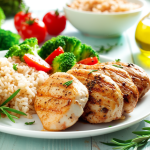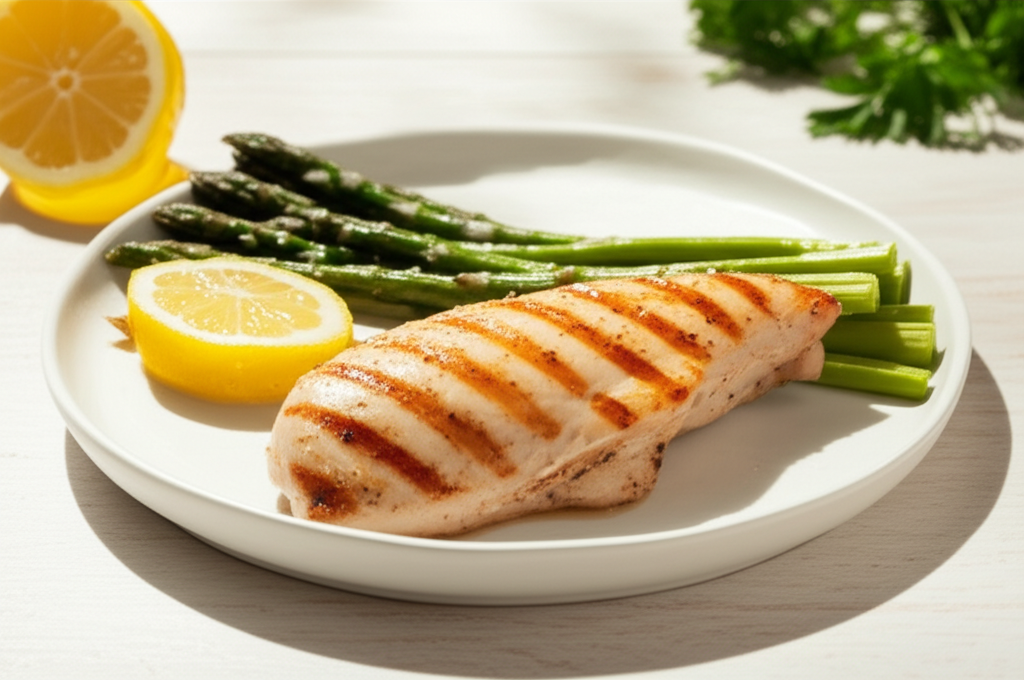

No, chicken is not inherently bad for weight loss. In fact, lean chicken, especially chicken breast, is a fantastic protein source that can significantly support your weight loss journey when prepared and consumed mindfully. The “bad” reputation often comes from unhealthy preparation methods or overconsumption.
Trying to lose weight can feel like navigating a maze of conflicting advice. One day, you hear that carbs are the enemy, and the next, it’s all about cutting out fat. What about protein? Chicken is a staple for many trying to shed pounds, but you might be wondering if it’s actually helping or hurting your goals. It’s a common question, and it’s completely understandable to feel confused! This guide is here to clear the air, offering simple, proven truths about chicken and weight loss. We’ll break down exactly why chicken can be your weight loss ally and how to make it work for you, step-by-step.
The Truth About Chicken and Weight Loss
Let’s get straight to the heart of it: chicken itself isn’t the problem when it comes to weight loss. It’s a powerhouse of nutrients that can actually make your journey smoother and more effective. The key lies in understanding why and how you’re eating it.
Why Chicken is a Weight Loss Friend
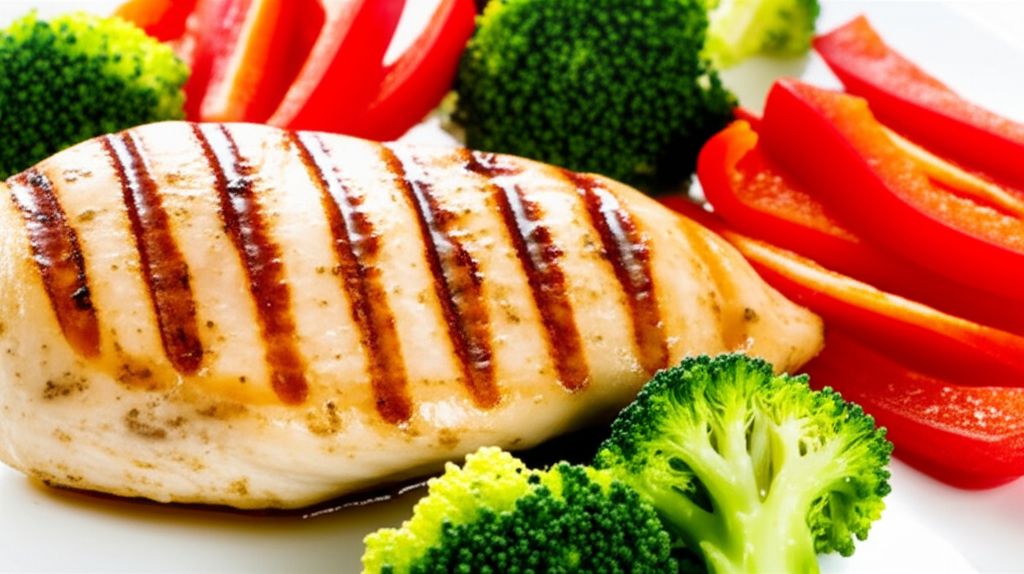
Chicken, particularly lean cuts like chicken breast, offers several benefits that are crucial for successful weight loss.
1. High-Quality Protein Powerhouse
Protein is your best friend when you’re trying to lose weight. It helps you feel full for longer, which means fewer cravings and less overall calorie intake. Chicken is packed with lean protein, making it an excellent choice for satiety.
Keeps you feeling full: Protein takes longer to digest than carbohydrates, helping to curb hunger pangs between meals.
Boosts metabolism: Your body uses more calories to digest protein compared to fats and carbs, a process known as the thermic effect of food (TEF).
Preserves muscle mass: During weight loss, it’s important to lose fat, not muscle. Adequate protein intake helps your body maintain lean muscle mass, which is metabolically active and helps burn more calories even at rest. According to the USDA FoodData Central, chicken breast is a very lean source of protein.
2. Nutrient-Dense, Low in Calories
When you choose lean cuts and prepare them healthily, chicken is relatively low in calories and fat, especially compared to other protein sources like red meat. This allows you to eat satisfying portions without derailing your calorie goals.
Chicken Breast (Skinless): Approximately 165 calories and 31 grams of protein per 100 grams (about 3.5 ounces).
Chicken Thigh (Skinless): Approximately 200 calories and 25 grams of protein per 100 grams. While slightly higher in fat, it’s still a good source of protein.
3. Versatile and Adaptable
The beauty of chicken is its incredible versatility. It can be prepared in countless ways, making it easy to incorporate into various meal plans and dietary preferences. This adaptability helps prevent boredom, a common pitfall in long-term weight loss efforts.
When Chicken Might Seem “Bad” for Weight Loss
Now, let’s address the flip side. Why do some people find that chicken hinders their weight loss?
1. Unhealthy Preparation Methods
This is often the biggest culprit. Frying chicken, coating it in heavy batters, or smothering it in creamy, high-fat sauces can quickly turn a healthy protein into a calorie bomb.
Fried Chicken: Deep-frying absorbs a significant amount of oil, drastically increasing calorie and fat content.
Creamy Sauces: Alfredo sauces, creamy marinades, and butter-heavy preparations add substantial calories and unhealthy fats.
Processed Chicken Products: Chicken nuggets, processed chicken patties, and certain deli meats can be high in sodium, unhealthy fats, and additives.
2. Portion Sizes and Frequency
Even healthy foods can contribute to weight gain if eaten in excessive amounts. Overeating chicken, no matter how lean, will lead to a calorie surplus.
3. Unbalanced Meals
Eating chicken alone without pairing it with nutrient-rich vegetables and complex carbohydrates can leave you feeling unsatisfied and lead to overeating later. A balanced meal is key.
How to Make Chicken Your Weight Loss Ally: A Step-by-Step Guide
Ready to harness the power of chicken for your weight loss goals? Follow these simple steps.
Step 1: Choose the Leanest Cuts
Your first decision matters. Opting for the leanest parts of the chicken will maximize protein intake while minimizing fat and calories.
Best Choice: Skinless chicken breast. It’s the leanest and most protein-dense part.
Good Choice: Skinless chicken thighs. They have a bit more fat but are still a good source of protein and can be more flavorful.
Limit: Chicken wings and legs with skin on. These parts have significantly more fat and calories.
Step 2: Prioritize Healthy Cooking Methods
How you cook your chicken is just as important as which cut you choose. Aim for methods that don’t add extra fat.
Baking/Roasting: A simple and effective way to cook chicken. Season with herbs, spices, lemon, or garlic for flavor.
Grilling: Great for achieving a smoky flavor without added oils.
Poaching: Gently simmering chicken in water or broth results in tender, moist meat with minimal added fat.
Stir-frying: Use a small amount of healthy oil like olive or avocado oil, and load up on vegetables.
Sautéing: Similar to stir-frying, use minimal healthy oil.
Avoid: Deep-frying, pan-frying with excessive butter or oil, and baking with skin on if you’re aiming for the leanest option.
Step 3: Flavor Wisely with Herbs, Spices, and Healthy Marinades
Say goodbye to bland chicken and hello to delicious, healthy flavor! You don’t need heavy sauces to make chicken taste great.
Herbs: Fresh or dried herbs like rosemary, thyme, basil, oregano, and parsley add wonderful aroma and taste.
Spices: Cumin, paprika, turmeric, garlic powder, onion powder, chili powder, and black pepper are excellent flavor boosters.
Acids: Lemon juice, lime juice, or vinegar can tenderize meat and add brightness.
Healthy Marinades: Create marinades with olive oil, lemon juice, garlic, herbs, and spices. Yogurt-based marinades can also be excellent for tenderizing.
Limit: Store-bought marinades and sauces that are high in sugar, sodium, and unhealthy fats. Always check the nutrition labels.
Step 4: Practice Portion Control
Even lean chicken needs to be consumed in appropriate portions to support weight loss. A typical serving size for protein is about the size of your palm, which is roughly 3-4 ounces (about 85-113 grams) cooked.
Use a Food Scale: For accuracy, especially in the beginning, weighing your chicken can be very helpful.
Visual Cues: A deck of cards is a good visual reference for a 3-ounce serving.
Step 5: Build Balanced Meals Around Chicken
Chicken is a fantastic centerpiece, but it needs companions to make a complete, satisfying meal that supports weight loss.
Load Up on Non-Starchy Vegetables: Broccoli, spinach, bell peppers, zucchini, asparagus, and leafy greens are low in calories and high in fiber and nutrients. They add volume to your meals, keeping you full.
Include Complex Carbohydrates: Opt for whole grains like quinoa, brown rice, oats, or sweet potatoes in moderation. These provide sustained energy and fiber.
Add Healthy Fats: A small amount of avocado, nuts, seeds, or olive oil can enhance satiety and nutrient absorption.
Example of a Balanced Meal:
Baked chicken breast with roasted broccoli and a small serving of quinoa.
Step 6: Hydrate and Be Mindful
Drinking plenty of water throughout the day is crucial for weight loss and overall health. Sometimes, thirst can be mistaken for hunger.
Water: Aim for at least 8 glasses of water a day.
Mindful Eating: Pay attention to your hunger and fullness cues. Eat slowly and savor your food.
Nutritional Comparison: Chicken vs. Other Protein Sources
To truly understand why chicken shines for weight loss, let’s compare it to other popular protein sources. This table highlights the approximate nutritional values per 100 grams (cooked, without skin/fat unless specified) for lean chicken breast compared to other common proteins.
| Protein Source | Calories | Protein (g) | Fat (g) | Carbohydrates (g) | Key Benefits for Weight Loss |
| :———————- | :——- | :———- | :—— | :—————- | :————————————————————————————————————————— |
| Chicken Breast (Skinless) | 165 | 31 | 3.6 | 0 | Very lean, high protein, low fat, versatile, helps satiety. |
| Lean Ground Turkey | 170 | 29 | 5 | 0 | Similar to chicken breast, good alternative, can be slightly higher in fat depending on leanness. |
| Salmon | 208 | 20 | 13 | 0 | High in protein, rich in Omega-3 fatty acids (heart health), can be satiating but higher in calories and fat. |
| Lean Beef (Sirloin) | 176 | 29 | 6 | 0 | Good protein source, contains iron and zinc, choose lean cuts and watch portion sizes as it can be higher in saturated fat. |
| Tofu (Firm) | 76 | 8 | 5 | 2 | Plant-based protein, lower in calories and fat, good for vegetarians/vegans, may require larger portions for satiety. |
| Lentils | 116 | 9 | 0.4 | 20 | Excellent source of plant-based protein and fiber, very filling, also provides complex carbs. |
As you can see, skinless chicken breast is one of the leanest protein options available, offering a high protein-to-calorie ratio that is ideal for weight management.
Common Pitfalls to Avoid
While chicken is great, there are a few traps to watch out for:
The “Chicken Cancer” Myth: This is often related to how chicken is cooked at very high temperatures, leading to the formation of heterocyclic amines (HCAs) and polycyclic aromatic hydrocarbons (PAHs). These compounds are also found in other cooked meats. Grilling or broiling at lower temperatures, marinating, and avoiding charring can help reduce their formation. The National Cancer Institute provides more information on this.
Over-reliance on Processed Chicken: As mentioned, nuggets, breaded cutlets, and processed deli meats are not your weight loss allies due to added sodium, unhealthy fats, and fillers.
Ignoring Vegetables: Eating plain chicken without fiber-rich vegetables can lead to poor digestion and less satisfaction.
Tips for Success
Meal Prep: Cook a batch of plain baked or grilled chicken at the beginning of the week. This makes it easy to assemble healthy meals quickly.
Experiment with Seasonings: Don’t be afraid to try new spice blends and herb combinations to keep things interesting.
Listen to Your Body: Pay attention to how different foods make you feel. Chicken should make you feel satisfied, not heavy or sluggish.
Consult a Professional: If you have specific dietary needs or health concerns, speaking with a registered dietitian or nutritionist can provide personalized guidance. Organizations like the Academy of Nutrition and Dietetics offer resources to find qualified professionals.
Frequently Asked Questions About Chicken and Weight Loss
Is chicken breast the only good option for weight loss?
No, but it’s the leanest. Skinless chicken thighs are also a good choice. The key is to choose skinless options and be mindful of preparation methods and portion sizes for all chicken cuts.
Can I eat chicken every day for weight loss?
Yes, you can incorporate chicken into your daily diet for weight loss, provided it’s part of a balanced eating plan and prepared healthily. Variety in your protein sources is also beneficial.
What are the best ways to season chicken for weight loss?
Use herbs, spices, garlic, onion, lemon juice, lime juice, and vinegars. These add flavor without adding significant calories or unhealthy fats. Avoid heavy, creamy, or sugary sauces.
How much chicken should I eat for weight loss?
A typical serving size is about 3-4 ounces (85-113 grams) of cooked chicken, which is roughly the size of your palm. This should be part of a balanced meal.
Is fried chicken bad for weight loss?
Yes, fried chicken is generally not good for weight loss. The deep-frying process adds a lot of extra calories and unhealthy fats, often negating the lean benefits of the chicken itself.
Can chicken help build muscle while losing weight?
Absolutely! Chicken is a complete protein, providing all the essential amino acids your body needs to repair and build muscle tissue. This is vital for maintaining metabolism during weight loss.
Conclusion
So, are chicken bad for weight loss? The evidence is clear: no, chicken is not inherently bad for weight loss. It’s a nutrient-dense, protein-rich food that can be a cornerstone of a healthy weight loss plan. The “truths” you’ve learned today highlight that the way chicken is prepared and consumed is what truly matters. By choosing lean cuts, opting for healthy cooking methods, flavoring wisely, practicing portion control, and building balanced meals, you can confidently make chicken your weight loss ally. Remember, consistency and mindful choices are key. Embrace the versatility of chicken, enjoy its benefits, and keep moving towards your health goals with confidence and a delicious meal on your plate!