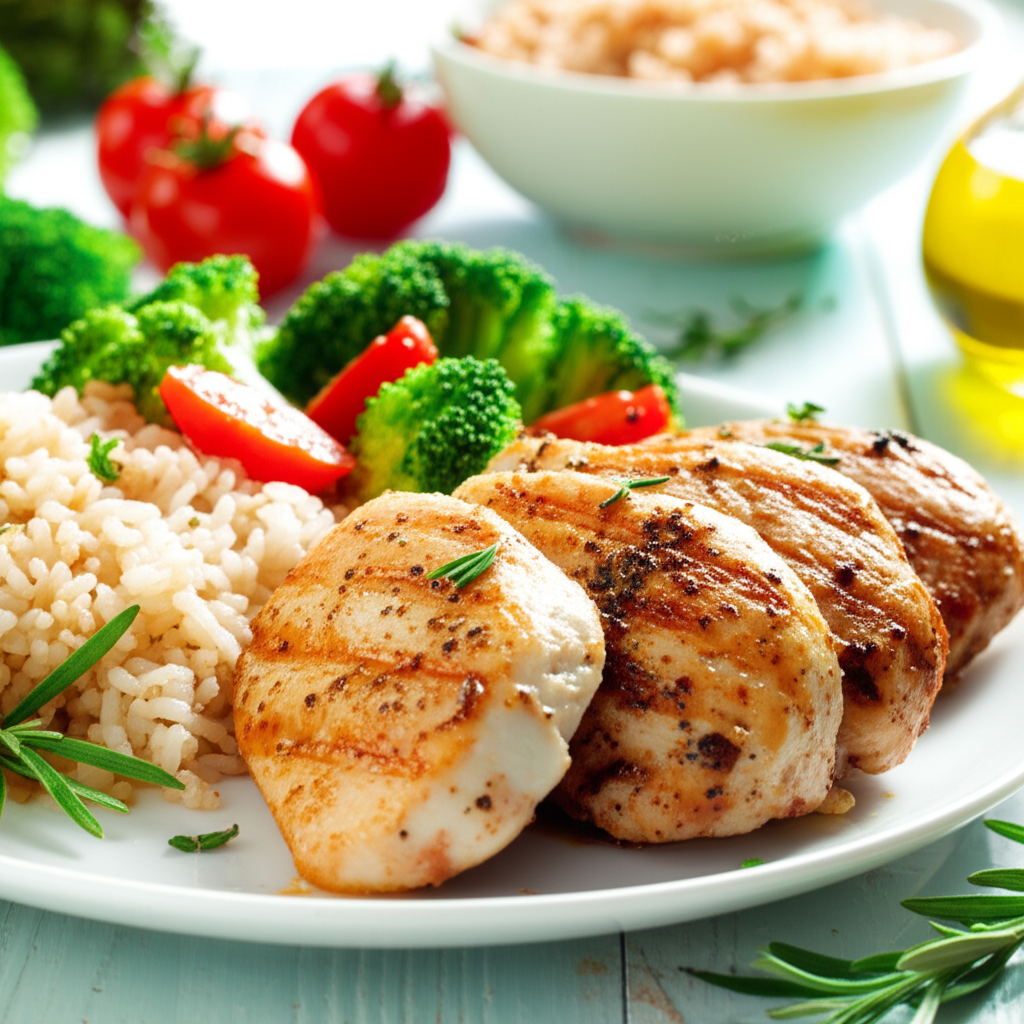

Chicken is generally not bad for you and can be a healthy part of a balanced diet, providing lean protein and essential nutrients. The way chicken is prepared, its source, and individual dietary needs are key factors in determining its health impact.
Have you ever wondered if that chicken breast on your plate is actually good for you? It’s a question many of us ask. With so much conflicting information out there, it’s easy to feel confused. Some say chicken is a superfood, while others warn of its downsides. Don’t worry, we’re here to clear things up! This guide will break down exactly what you need to know about chicken and your health. We’ll explore the facts, so you can make confident choices about what you eat. Get ready to discover the essential truths about chicken!
Understanding Chicken: What’s Inside?
Chicken is a popular food worldwide, and for good reason! It’s a fantastic source of protein, which is crucial for building and repairing tissues in our bodies. Think of protein as the building blocks for everything from your muscles to your immune system.
But chicken offers more than just protein. It also contains important vitamins and minerals that keep our bodies running smoothly. These include:
- B Vitamins: Especially niacin (B3) and B6, which help with energy production and brain function.
- Selenium: An antioxidant that protects your cells from damage.
- Phosphorus: Important for bone health and energy.
- Zinc: Supports your immune system and wound healing.
The nutritional profile of chicken can vary slightly depending on the cut and whether the skin is on or off. For example, chicken breast without skin is very lean, meaning it has less fat. Chicken thighs or drumsticks, especially with the skin, tend to have more fat.
Is Chicken Always Healthy? Decoding the Nuances
While chicken itself is packed with nutrients, the way it’s prepared can significantly change its health impact. This is where the “is chicken bad for you” question often comes from. Frying chicken, for instance, adds a lot of unhealthy fats and calories. Seasonings and sauces can also add hidden sugars and sodium.
Here’s a look at how preparation methods can affect chicken’s healthiness:
| Preparation Method | Health Impact | Notes |
|---|---|---|
| Baking/Roasting | Generally Healthy | Minimal added fat, retains nutrients well. |
| Grilling | Generally Healthy | Can be very healthy if fat drips away. Watch out for charring. |
| Poaching/Boiling | Very Healthy | Keeps chicken moist without added fat. |
| Stir-frying | Can be Healthy | Depends on the amount of oil and sauces used. Use healthy oils and less sauce. |
| Deep-frying | Less Healthy | Adds significant amounts of unhealthy fats and calories. |
| Pan-frying (with oil) | Moderately Healthy | Use minimal healthy oil. Skin-on can add more fat. |
When we talk about chicken being “bad,” it’s usually linked to these less healthy preparation methods or the addition of unhealthy ingredients. Opting for baking, grilling, or poaching can ensure you’re getting the maximum health benefits from your chicken.
The Great Protein Debate: Lean vs. Fatty Cuts
Chicken is often praised for being a lean protein source. However, not all parts of the chicken are created equal when it comes to fat content. Understanding the differences between cuts can help you make smarter choices.
Let’s break down some common chicken cuts:
- Chicken Breast: This is the leanest part of the chicken, especially when the skin is removed. It’s a powerhouse of protein and relatively low in fat. It’s a top choice for those watching their calorie and fat intake.
- Chicken Thighs: Thighs have a bit more fat and moisture than breasts, making them flavorful and tender. They still offer good protein but are higher in calories and fat.
- Chicken Drumsticks and Wings: These parts, especially with the skin on, contain the most fat and calories. While delicious, they are best enjoyed in moderation if you’re focusing on a low-fat diet.
Here’s a quick comparison of fat content (per 3.5 ounces, cooked, skinless):
| Chicken Part | Approximate Fat (grams) | Approximate Protein (grams) |
|---|---|---|
| Breast | 3.6 | 31 |
| Thigh | 10.5 | 26 |
| Drumstick | 9.5 | 28 |
Source: USDA FoodData Central
Choosing skinless chicken breast is a great way to maximize protein and minimize fat. However, don’t feel you have to avoid other parts entirely! They can be part of a balanced diet, especially if you enjoy them occasionally or prepare them healthily.
Are There Risks Associated with Eating Chicken?
Like any food, there are potential risks to be aware of when consuming chicken. These are generally manageable with proper handling and cooking.
1. Bacterial Contamination
Raw chicken can carry harmful bacteria like Salmonella and Campylobacter. These bacteria can cause food poisoning, leading to symptoms like diarrhea, fever, and stomach cramps. The U.S. Department of Agriculture (USDA) provides excellent guidance on preventing foodborne illnesses.
To stay safe:
- Wash your hands: Always wash your hands thoroughly with soap and water after handling raw chicken.
- Prevent cross-contamination: Use separate cutting boards and utensils for raw chicken and other foods.
- Cook thoroughly: Ensure chicken is cooked to an internal temperature of 165°F (74°C). A meat thermometer is your best friend here!
You can find more detailed safe handling instructions on the USDA Food Safety and Inspection Service website.
2. Antibiotics and Hormones
This is a common concern for many consumers. In the United States, the use of hormones in raising poultry is actually prohibited by federal law. So, when you see labels that say “raised without hormones,” it’s simply confirming what is already standard practice.
Regarding antibiotics, they are sometimes used in poultry to treat or prevent illness. However, there are regulations in place to ensure that if antibiotics are used, they are withdrawn from the animal’s feed long enough before slaughter so that the meat is safe for consumption. Residues are carefully monitored.
If you are concerned about antibiotics, you can choose chicken labeled as:
- “Organic”: Organic standards prohibit the routine use of antibiotics.
- “No Antibiotics Ever”: This label indicates that the chickens were never given antibiotics.
These options might come at a higher price, but they offer an extra layer of assurance for those who prioritize it.
3. Saturated Fat and Cholesterol
While chicken breast is lean, some cuts (especially with skin) and preparation methods can increase saturated fat and cholesterol intake. Consuming too much saturated fat can raise LDL (“bad”) cholesterol levels, which is a risk factor for heart disease.
To manage this:
- Choose lean cuts like skinless breast.
- Remove visible fat before cooking.
- Limit consumption of fried chicken and dishes with heavy sauces.
- Balance your diet with plenty of fruits, vegetables, and whole grains.
Chicken and Weight Management
Chicken, particularly lean chicken breast, can be an excellent food for weight management. Its high protein content is key here.
Here’s why protein helps with weight management:
- Satiety: Protein helps you feel fuller for longer, which can reduce overall calorie intake by curbing cravings and preventing overeating.
- Metabolism: Your body uses more energy (calories) to digest protein compared to fats and carbohydrates. This is known as the thermic effect of food.
- Muscle Mass: Adequate protein intake is essential for maintaining muscle mass, especially when losing weight. Muscle burns more calories at rest than fat does.
A study published in the Journal of Nutrition highlighted that higher protein diets were associated with improved appetite control and reduced body weight. This makes chicken a valuable ally in your weight management journey.
How to Prepare Chicken for Maximum Health Benefits
Now that we know the nuances, let’s focus on making chicken work for you. Here’s a simple guide to preparing chicken in healthy and delicious ways:
Step-by-Step Healthy Chicken Preparation:
- Choose Your Cut Wisely: Start with skinless chicken breast or thighs for lower fat content.
- Marinate for Flavor (Healthily): Instead of heavy, creamy marinades, opt for marinades made with olive oil, lemon juice, herbs, spices, garlic, and soy sauce or tamari. This adds flavor without excessive fat or sodium.
- Select a Healthy Cooking Method:
- Baking: Place chicken in a baking dish, perhaps with some chopped vegetables and a drizzle of olive oil. Bake at around 375°F (190°C) until cooked through.
- Grilling: Marinate chicken and grill until cooked. Avoid excessive charring, as some studies suggest it may contain harmful compounds.
- Poaching: Gently simmer chicken in water or broth with herbs and vegetables. This results in incredibly tender and moist chicken, perfect for salads or shredding.
- Stir-frying: Use a small amount of healthy oil like avocado or sesame oil. Add plenty of colorful vegetables and a light, flavorful sauce.
- Season Smartly: Rely on herbs, spices, garlic, onion powder, and pepper for flavor. Limit salt and avoid sugary glazes or sauces.
- Avoid the Fryer: Steer clear of deep-frying. If you crave crispy chicken, try baking it with a panko or whole-wheat breadcrumb coating.
- Portion Control: Be mindful of portion sizes. A typical serving of chicken is about the size of a deck of cards (3-4 ounces).
By following these steps, you can enjoy chicken regularly as a nutritious part of your diet.
Chicken in a Balanced Diet
It’s important to remember that no single food can make or break your health. Chicken is best enjoyed as part of a well-rounded diet that includes a variety of foods.
A balanced plate typically looks like this:
- Half your plate: Non-starchy vegetables (like broccoli, spinach, bell peppers, zucchini).
- One quarter of your plate: Lean protein (like chicken breast, fish, beans, tofu).
- One quarter of your plate: Whole grains or starchy vegetables (like brown rice, quinoa, sweet potatoes).
- Healthy fats: Avocados, nuts, seeds, olive oil.
Including chicken in this way ensures you get your protein without overshadowing other essential nutrients. It complements a diet rich in plant-based foods, fiber, and healthy fats.
Frequently Asked Questions About Chicken
Here are some common questions people have about whether chicken is good or bad for them.
Q1: Is chicken breast healthier than chicken thighs?
Yes, chicken breast is generally considered healthier because it is leaner, containing significantly less fat and fewer calories than chicken thighs, especially when the skin is removed from both.
Q2: Is it safe to eat chicken every day?
For most people, eating chicken every day is safe and can be healthy, provided it’s prepared in a healthy manner and is part of a balanced diet that includes a variety of other foods. However, dietary diversity is important to ensure you get a wide range of nutrients.
Q3: What are the biggest downsides to eating chicken?
The main downsides can arise from unhealthy preparation methods (like deep-frying), high-fat cuts (especially with skin), and potential bacterial contamination if not handled and cooked properly. Excessive consumption of processed chicken products can also be high in sodium and unhealthy additives.
Q4: Should I worry about antibiotics in chicken?
While antibiotics are sometimes used in poultry farming, regulations aim to ensure meat is safe. If you are concerned, choosing “organic” or “no antibiotics ever” labeled chicken can provide extra assurance. It’s also important to cook chicken thoroughly to kill any potential bacteria.
Q5: Is chicken skin bad for you?
Chicken skin contains saturated fat and cholesterol. While it adds flavor and moisture, consuming it regularly, especially from fried chicken, can contribute to higher fat and calorie intake. It’s best to remove the skin for a leaner meal or enjoy it in moderation.
Q6: Can eating chicken cause inflammation?
Chicken itself is not typically considered inflammatory. However, highly processed chicken products, fried chicken, or chicken prepared with inflammatory ingredients (like certain oils or sauces) could potentially contribute to inflammation. A diet rich in whole, unprocessed foods, including lean chicken, is generally anti-inflammatory.
Conclusion: Making Chicken Work for You
So, are chicken bad for you? The answer, in short, is no, not inherently. Chicken is a nutrient-dense food that offers excellent protein and vital vitamins and minerals. It can be a cornerstone of a healthy diet, supporting muscle growth, energy levels, and even weight management.
The key lies in making informed choices. By opting for lean cuts like skinless chicken breast, embracing healthy cooking methods such as baking, grilling, or poaching, and being mindful of seasonings and sauces, you can maximize the benefits and minimize potential risks. Remember that food safety, like thorough cooking and proper handling, is also crucial.
Ultimately, chicken can be a delicious and healthy part of your balanced eating plan. Focus on preparation, moderation, and variety, and you’ll be well on your way to enjoying chicken as part of a nourishing lifestyle. Keep making those small, positive choices, and you’ll feel the difference!