
Yes, pistol shrimp are indeed shrimp! They belong to the order Decapoda, just like many other familiar shrimp and crayfish. Their unique “pistol” snapping claw is what sets them apart, but biologically, they are true shrimp.
Ever looked at a tiny, fascinating creature in an aquarium and wondered, “What exactly is this?” It’s a common question, especially when you encounter the incredible diversity of the underwater world. One of the most intriguing of these is the pistol shrimp. Its name alone sparks curiosity, and its unique abilities are truly astonishing. Many people see them and think, “Is that really a shrimp?” or “How can something so small make such a loud noise?” If you’ve found yourself pondering this, you’re not alone! It can be confusing when an animal has such an unusual characteristic. But don’t worry, this guide is here to clear things up. We’ll dive deep into the world of pistol shrimp, explaining exactly what they are and why they’re so special. Get ready to understand these amazing crustaceans like never before!
Unraveling the Mystery: What is a Pistol Shrimp?
Let’s get straight to the heart of it: Yes, pistol shrimp are shrimp. They are members of the larger group of crustaceans known as decapods, which also includes crabs, lobsters, and other types of shrimp. The scientific name for the group of shrimp that includes pistol shrimp is the Alpheidae family. What makes them so unique, and sometimes confusing, is their specialized claw.
Most shrimp have two claws, but the pistol shrimp has one claw that is dramatically larger than the other. This oversized claw is their signature feature, and it’s responsible for their incredible abilities. It’s this distinctive appendage that earns them their common name.
The Amazing “Pistol” Claw
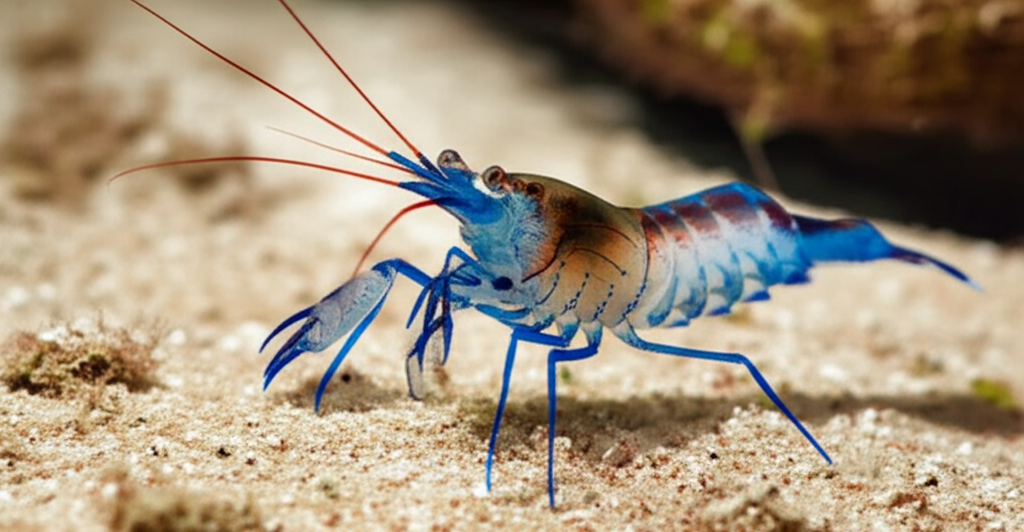
The enlarged claw on a pistol shrimp isn’t just for show; it’s a sophisticated biological tool. This claw can snap shut so rapidly that it creates a cavitation bubble. This bubble collapses with incredible force, producing a sound loud enough to stun or even kill small prey. The temperature inside this collapsing bubble can momentarily reach over 4,700 degrees Celsius (8,500 degrees Fahrenheit)! This is hotter than the surface of the sun, though the duration is incredibly brief.
This phenomenon is a marvel of natural engineering. The speed at which the claw closes is so fast that it can exceed the speed of sound in water, creating a shockwave. This shockwave is the “pistol shot” that gives the shrimp its name. It’s a truly remarkable adaptation for hunting and defense.
Why the Confusion?
The confusion often arises because when people think of “shrimp,” they might picture the small, translucent crustaceans often found on dinner plates or kept in freshwater aquariums. Pistol shrimp, while still shrimp, are typically marine creatures and possess this extraordinary claw, which makes them look quite different from the “typical” shrimp many people are familiar with. Their appearance, combined with their powerful ability, can lead to questions about their classification.
A Deep Dive into Pistol Shrimp Biology
To truly understand if pistol shrimp are shrimp, let’s look at their biological classification and key characteristics.
Scientific Classification
Here’s a simplified look at where pistol shrimp fit into the tree of life:
| Taxonomic Rank | Name |
|---|---|
| Kingdom | Animalia (Animals) |
| Phylum | Arthropoda (Arthropods) |
| Subphylum | Crustacea (Crustaceans) |
| Class | Malacostraca (Malacostracans) |
| Order | Decapoda (Decapods) |
| Infraorder | Caridea (Caridean Shrimp) |
| Family | Alpheidae (Snapping Shrimp / Pistol Shrimp) |
As you can see, they are firmly within the Caridea infraorder, which is the group that contains most of the shrimp commonly kept in aquariums and found in the wild. The fact that they are decapods (meaning “ten-footed”) is another key indicator. Like other decapods, they have five pairs of legs, with the first pair typically being the largest and modified into claws.
Key Characteristics of Pistol Shrimp
Beyond their famous claw, pistol shrimp share many traits with other shrimp species:
Exoskeleton: They have a hard outer shell, or exoskeleton, which they must shed periodically to grow. This process is called molting.
Appendages: They have multiple pairs of legs for walking and swimming, as well as antennae for sensing their environment.
Gills: Like other aquatic crustaceans, they breathe using gills.
Reproduction: They reproduce sexually, with females carrying fertilized eggs until they hatch.
Habitat: Most pistol shrimp are marine, living in saltwater environments, often in burrows or among coral reefs.
The Difference from Freshwater Shrimp
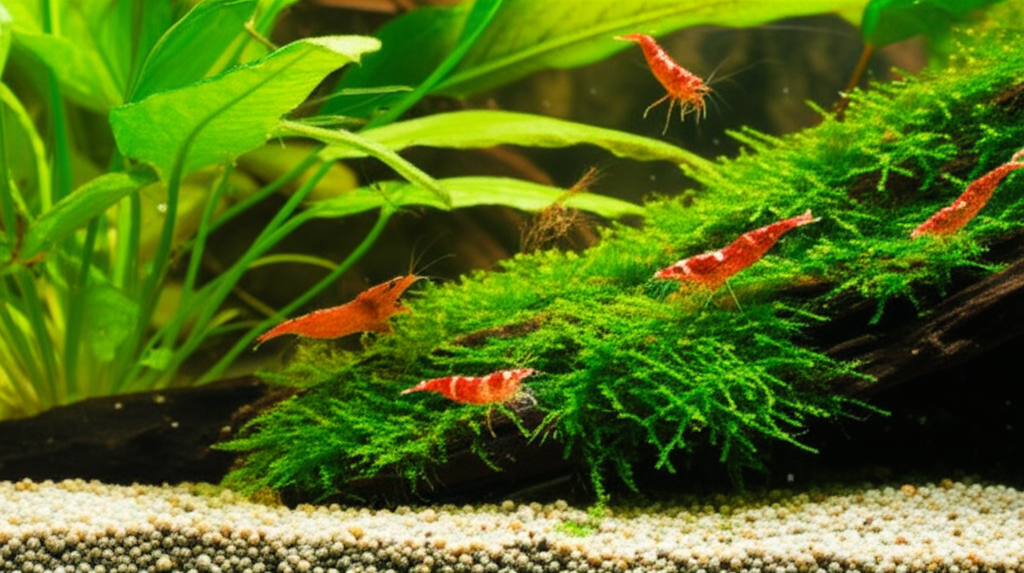
The main distinction most hobbyists notice is the habitat. While many popular aquarium shrimp like Cherry Shrimp (Neocaridina davidi) or Amano Shrimp (Caridina multidentata) are freshwater species, pistol shrimp are almost exclusively marine. This means they require saltwater aquariums to survive. Their specialized needs, particularly the saline environment, are a significant difference from their freshwater cousins.
Exploring Different Types of Pistol Shrimp
The Alpheidae family is diverse, with many species of pistol shrimp, each with its own fascinating adaptations and behaviors. Some are solitary, while others form symbiotic relationships.
Symbiotic Relationships: The Go-To Example
One of the most well-known aspects of pistol shrimp behavior is their symbiotic relationship with certain types of gobies (fish).
The Partnership: Pistol shrimp are often poor-sighted. They create and maintain burrows in the sand or mud. Gobies, with their excellent eyesight, act as lookouts. When danger approaches, the goby will flick its tail, signaling the pistol shrimp. Both the goby and the shrimp will retreat into the burrow to safety.
Mutual Benefit: The pistol shrimp provides a safe home in its burrow, and the goby provides protection through its vigilant watch. It’s a classic example of mutualism in the marine world.
Popular species involved in these partnerships include the Tiger Pistol Shrimp (Alpheus bellulus) and the Candy Cane Pistol Shrimp (Alpheus randalli).
Other Notable Species
Alpheus heterochaelis (Common Pistol Shrimp): Found along the Atlantic coast of North America, this species is known for its powerful snap.
Alpheus armatus (Cone Pistol Shrimp): Often found associated with anemones, providing protection for the anemone in exchange for shelter.
The variety within the Alpheidae family highlights the incredible adaptability of these crustaceans.
Setting Up a Marine Aquarium for Pistol Shrimp
If you’re intrigued by pistol shrimp and want to keep them, you’ll need a saltwater aquarium. This is a significant difference from keeping freshwater shrimp and requires specific equipment and knowledge.
Essential Equipment for a Marine Tank
Keeping marine life is more complex than freshwater, but with the right setup, it’s very achievable.
Saltwater Aquarium Tank: The size depends on the species and number of inhabitants. For a single pistol shrimp and its goby partner, a 20-gallon tank is often a good starting point.
Live Rock: This is crucial for a marine tank. Live rock provides biological filtration, surface area for beneficial bacteria, and hiding places for your shrimp. It also introduces beneficial microfauna.
Substrate: A sand bed is ideal, especially if you plan on keeping burrowing species like pistol shrimp or their goby partners. Live sand can help kickstart the nitrogen cycle.
Protein Skimmer: This device removes organic waste before it breaks down, helping to maintain water quality. It’s a vital piece of equipment for most marine tanks.
Filtration: A good mechanical and biological filtration system is necessary. Live rock often provides much of the biological filtration.
Heater: Marine invertebrates, including pistol shrimp, require stable water temperatures, typically between 75-80°F (24-27°C).
Lighting: While not as critical for shrimp as for corals, appropriate lighting helps view your inhabitants and supports any live rock algae growth.
Powerheads/Circulation Pumps: Good water flow is essential for marine tanks, helping to deliver oxygen and nutrients and remove waste.
Salt Mix and Refractometer/Hydrometer: You’ll need marine salt mix to create saltwater and a tool to measure salinity (specific gravity) to ensure it’s within the correct range.
Water Parameters for Marine Tanks
Maintaining stable water parameters is paramount for marine inhabitants.
| Parameter | Ideal Range | Notes |
|---|---|---|
| Salinity (Specific Gravity) | 1.023 – 1.026 | Use a refractometer for accuracy. |
| Temperature | 75 – 80°F (24 – 27°C) | Stable temperature is key. |
| pH | 8.1 – 8.4 | Crucial for marine life. |
| Ammonia (NH3) | 0 ppm | Must always be zero. |
| Nitrite (NO2) | 0 ppm | Must always be zero. |
| Nitrate (NO3) | < 20 ppm | Lower is better. |
| Alkalinity (dKH) | 8 – 12 dKH | Supports pH stability and calcification. |
The Cycling Process: A Crucial Step
Before introducing any livestock, your marine aquarium must undergo the nitrogen cycle. This process establishes beneficial bacteria that convert toxic ammonia and nitrite into less harmful nitrate. This can take several weeks and is non-negotiable for the health of your shrimp. You can cycle a tank using a small piece of shrimp or commercially available products. Reliable sources like the National Oceanic and Atmospheric Administration (NOAA) offer general guidance on marine aquarium keeping, emphasizing the importance of the nitrogen cycle.
Caring for Pistol Shrimp in Your Aquarium
Once your marine tank is cycled and stable, you can introduce your pistol shrimp. Here’s what they need to thrive:
Diet and Feeding
Pistol shrimp are omnivores and scavengers. In a well-established reef or marine tank with live rock, they can often find enough food by scavenging for detritus, algae, and small organisms. However, supplemental feeding is recommended.
What to Feed:
Marine-specific flake or pellet foods.
Small pieces of mysis shrimp or brine shrimp (frozen or live).
Pelleted foods designed for omnivorous marine fish.
How Often: Feed sparingly, 2-3 times a week. Overfeeding can lead to poor water quality. Observe your shrimp to see if they are eating. They are often most active at dawn and dusk.
Tank Mates
Choosing appropriate tank mates is crucial for the success of your pistol shrimp.
Ideal Companions:
Gobies: As mentioned, many species form symbiotic relationships with pistol shrimp. These are excellent tank mates.
Certain Small, Peaceful Marine Fish: Fish that are not aggressive and will not try to eat small invertebrates.
Hermit Crabs and Snails: Generally compatible, but monitor for any aggression.
What to Avoid:
Large or Aggressive Fish: These can prey on pistol shrimp.
Fish that Host in Burrows: Some fish might disrupt the shrimp’s burrow or compete for space.
Other Aggressive Invertebrates: Certain predatory anemones or corals might pose a threat.
Burrowing and Habitat Enrichment
Pistol shrimp are natural burrowers. Providing them with a suitable environment encourages natural behavior and reduces stress.
Sand Bed: A sand bed of at least 2-3 inches is ideal for burrowing species.
Live Rock: Arrange live rock to create nooks, crannies, and overhangs where they can feel secure and build their burrows.
Avoid Disturbing Burrows: Once a burrow is established, try not to disturb it. This is their home and provides them with security.
Molting and Growth
Like all crustaceans, pistol shrimp must molt to grow. During molting, they shed their old exoskeleton.
During Molt: The shrimp will be very vulnerable. They may appear lethargic or hide more than usual.
After Molt: The new exoskeleton is soft. The shrimp will usually consume its old shell to reabsorb vital nutrients like calcium.
What to Do: Ensure your water parameters, especially calcium and alkalinity, are stable to support healthy molting. Do not remove the shed exoskeleton immediately, as the shrimp will eat it.
Are Pistol Shrimp Shrimp: A Final Confirmation
Let’s reiterate the core question: Are pistol shrimp shrimp? Absolutely yes.
The name “pistol shrimp” refers to their unique, powerful claw. Biologically, they are classified within the Caridea infraorder, the same infraorder as many other popular shrimp species. Their defining feature, the snapping claw, is an extraordinary adaptation that sets them apart, but it doesn’t change their fundamental identity as shrimp.
Think of it like this: a cheetah is still a cat, even though it’s much faster than most other cats. Similarly, a pistol shrimp is still a shrimp, despite its incredible “pistol” claw.
Why This Matters for Hobbyists
Understanding that pistol shrimp are indeed shrimp, albeit marine ones with specialized needs, is crucial for successful keeping.
Habitat Requirements: You must provide a saltwater environment. Freshwater tanks are unsuitable.
Dietary Needs: They require marine-specific foods.
Tank Mate Compatibility: Their peaceful nature means they need careful consideration when choosing tank mates.
* Behavioral Understanding: Recognizing their burrowing habits and symbiotic tendencies helps you create the best possible environment for them.
Frequently Asked Questions (FAQ)
Q1: Are pistol shrimp dangerous to humans?
A1: No, pistol shrimp are not dangerous to humans. While their claw snap is incredibly powerful and can stun small fish, it is not strong enough to harm a human. You are more likely to be startled by the sound than injured.
Q2: Can I keep pistol shrimp in a freshwater aquarium?
A2: No, pistol shrimp are marine creatures and require saltwater. They cannot survive in freshwater conditions. Their physiology is adapted to saline environments.
Q3: What is the “snap” sound from a pistol shrimp?
A3: The “snap” is caused by the rapid closing of their oversized claw, which creates a cavitation bubble. When this bubble collapses, it generates a shockwave and a loud popping sound, along with intense heat and light. This is used for hunting and defense.
Q4: Do pistol shrimp need a buddy?
A4: Many pistol shrimp species benefit from or require a symbiotic partner, most commonly a goby fish. The goby acts as a lookout due to the shrimp’s poor eyesight, and the shrimp provides a safe burrow for both. While some can live alone, a symbiotic pair often thrives better.
Q5: How do I feed a pistol shrimp?
A5: Pistol shrimp are omnivores and scavengers. Supplement their diet with marine-specific flake foods, mysis shrimp, brine shrimp, or pellet foods designed for omnivorous marine fish. Feed sparingly a few times a week.
Q6: Can pistol shrimp live with other shrimp?
A6: It depends on the species. Some pistol shrimp might be territorial or aggressive towards other shrimp, especially if they are of similar size or species. It’s generally safer to keep them with their symbiotic goby partner in a species-appropriate setup rather than mixing with many other types of shrimp unless you have a very large and well-designed tank.
Q7: How long do pistol shrimp live?
A7: With proper care in a suitable marine aquarium environment, pistol shrimp can live for several years, often 2-5 years, sometimes longer depending on the species and conditions.
Conclusion: Embracing the Wonder of Pistol Shrimp
So, to definitively answer the question that brought you here: Yes, pistol shrimp are indeed shrimp! They are fascinating members of the marine crustacean family Alpheidae, distinguished by their incredible “pistol” claw. Their unique ability to create a cavitation bubble through the rapid snapping of this claw is a marvel of nature, used for hunting, defense, and even communication.
While they share the fundamental biology of shrimp, their marine habitat and specialized needs set them apart from the freshwater shrimp many hobbyists are familiar with. Setting up a marine aquarium, understanding water parameters, and providing the right diet and tank mates are key to successfully keeping these captivating creatures.
Whether you are drawn to their symbiotic relationships with gobies, their burrowing behaviors, or the sheer wonder of their snapping claw, pistol shrimp offer a truly unique and rewarding experience for the dedicated aquarist. With the right knowledge and care, you can enjoy these remarkable crustaceans in your own home, adding a touch of the ocean’s extraordinary power and beauty to your aquatic world. Happy shrimping!