
Are Peacock Mantis Shrimp Shrimp? The short answer is no, despite their name, peacock mantis shrimp are not shrimp at all! They are powerful, predatory crustaceans belonging to a different order entirely. This guide will clear up the confusion and help you understand these fascinating creatures.
Welcome, fellow aquarium enthusiasts! It’s easy to get a little confused when you first dive into the amazing world of marine life. You see a creature with a common name that sounds like something familiar, and you wonder, “Wait, is that really what it is?” The peacock mantis shrimp is a prime example of this! Its name might make you think it’s a cousin to the tiny, delicate shrimp we often keep in freshwater tanks, but the reality is far more exciting and complex. Don’t worry if you’ve been scratching your head about this – you’re definitely not alone! This guide is here to bring clarity and confidence to your aquarium journey. We’ll break down exactly why a peacock mantis shrimp isn’t a shrimp and what makes it so unique. Get ready to understand these incredible predators!
Unpacking the Name: Why the Confusion?
The name “peacock mantis shrimp” is a bit of a tongue-twister, and it’s the main reason for the common mix-up. Let’s break it down:
- Peacock: This part refers to their absolutely stunning, vibrant colors. Like a peacock’s feathers, these mantis shrimp display an incredible array of blues, greens, reds, and oranges. It’s a beautiful descriptor for their dazzling appearance.
- Mantis: This refers to their raptorial appendages, or “claws.” When extended, these claws resemble the forelegs of a praying mantis, ready to strike with lightning speed.
- Shrimp: This is where the confusion truly lies. The term “shrimp” is often used loosely in common language to describe many small, crustacean-like animals. However, in scientific terms, “shrimp” refers to specific types of decapod crustaceans.
So, while they might look a little shrimp-like to the untrained eye, their biology, behavior, and evolutionary path are vastly different.
What Exactly Are Peacock Mantis Shrimp?
Peacock mantis shrimp, scientifically known as Odontodactylus scyllarus, are actually a type of stomatopod. Stomatopods are an order of marine crustaceans that are famous for their incredible eyesight and powerful predatory abilities.
Here’s a simple breakdown of their classification:
| Category | Peacock Mantis Shrimp | Typical Shrimp |
|---|---|---|
| Class | Malacostraca | Malacostraca |
| Order | Stomatopoda | Decapoda |
| Suborder | Unipeltata | Pleocyemata |
| Family | Odontodactylidae | Various (e.g., Palaemonidae, Atyidae) |
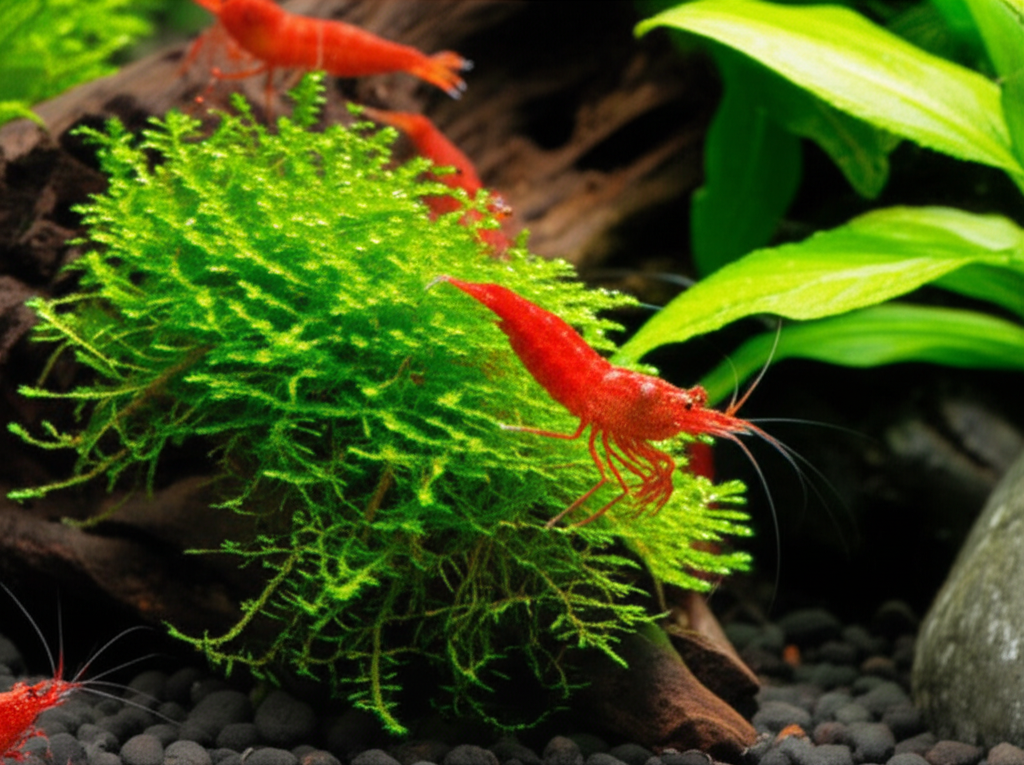
| Common Name | Peacock Mantis Shrimp | Cherry Shrimp, Ghost Shrimp, etc. |
As you can see from the table, while both are in the same class (Malacostraca), they diverge significantly at the order level. This is a major biological distinction, much like the difference between a cat and a dog – both are mammals, but they are very different animals!
Key Differences: Stomatopods vs. Decapods (Shrimp)
To truly understand why a peacock mantis shrimp isn’t a shrimp, let’s look at some of the most striking differences:
1. Eyesight: A World Apart
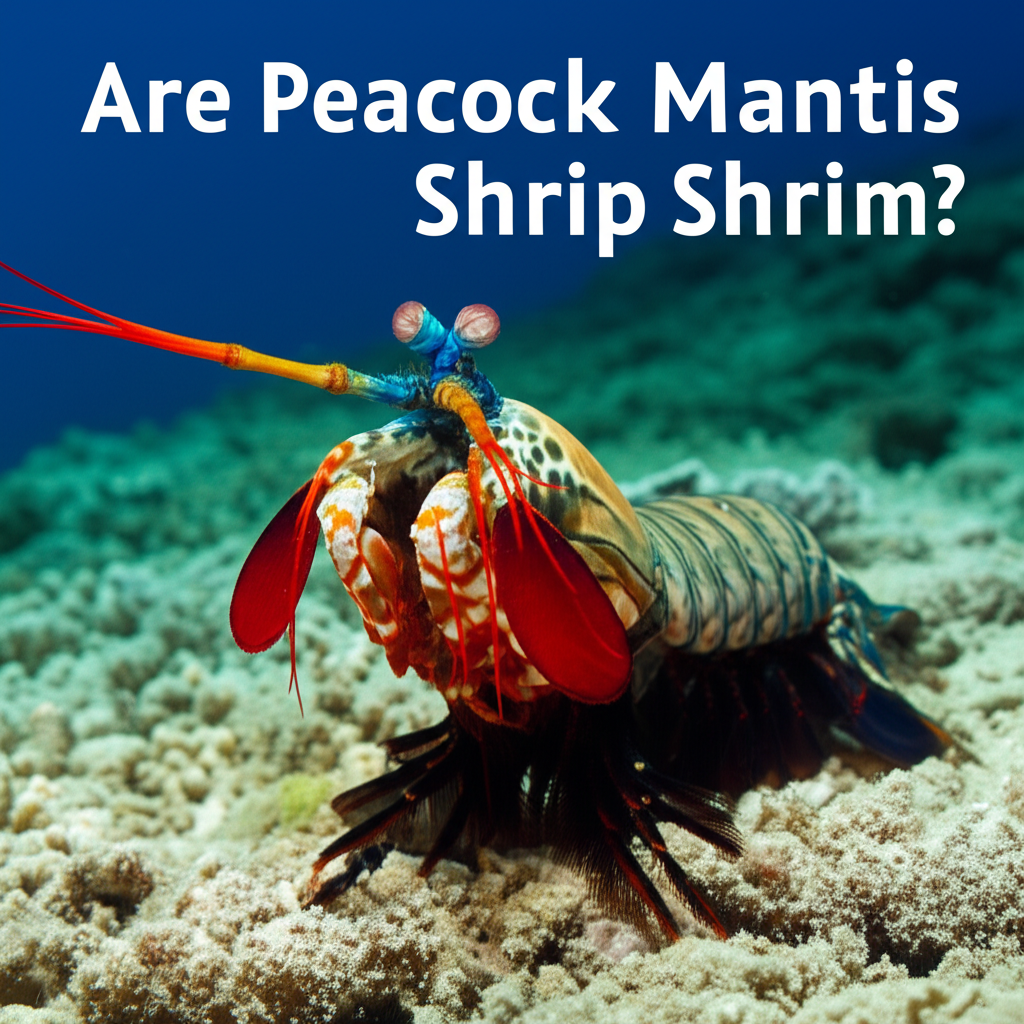
This is perhaps the most mind-blowing difference. Stomatopods possess the most complex visual system known in the animal kingdom. They have:
- Trinocular Vision: Unlike our binocular vision, their eyes move independently and can focus on three different points simultaneously.
- Up to 16 Photoreceptor Types: Humans have just three (for red, green, and blue light). Mantis shrimp can see colors we can only dream of, including ultraviolet and infrared light.
- Polarized Light Vision: They can see different types of polarized light, which helps them navigate, communicate, and find prey in the ocean’s depths.
Compare this to typical shrimp, which have compound eyes but lack the incredible complexity and range of the stomatopod eye. For more on the amazing vision of mantis shrimp, you can explore resources from institutions like the Smithsonian Magazine.
2. Appendages: The “Mantis” Claws
The “mantis” part of their name comes from their specialized front appendages. These are not like the claws or walking legs of a shrimp. Mantis shrimp are divided into two main types based on these appendages:
- Smashers: These stomatopods have club-like appendages that they use to bludgeon and smash their prey, like crabs and snails. Their strikes can accelerate at over 50 mph, reaching forces of over 1,500 times their own body weight. This impact is so powerful it can boil the water around the strike, creating cavitation bubbles!
- Spearers: These stomatopods have barbed, spear-like appendages that they use to impale and grasp soft-bodied prey, such as fish.
Peacock mantis shrimp (Odontodactylus scyllarus) are “smashers.” Their powerful strike is legendary and can even crack aquarium glass if they repeatedly hit it! Typical shrimp, on the other hand, have chelipeds (small claws on their front legs) used for manipulating food or defense, but they are nowhere near as powerful or specialized as a mantis shrimp’s raptorial appendages.
3. Body Structure and Lifestyle
While both are crustaceans with exoskeletons, their body plans differ:
- Mantis Shrimp: They have a more elongated body. Their pleopods (swimmerets on their abdomen) are used for swimming and respiration, and they have distinct gill structures. They are typically burrowers or live in rocky crevices.
- Shrimp: Most shrimp have a more segmented, laterally compressed body. Their pleopods are primarily used for swimming and carrying eggs. They often have a different arrangement of gills.
Their lifestyles are also quite different. Mantis shrimp are active, aggressive predators. Many shrimp species are scavengers, detritivores, or filter feeders, playing a different role in the ecosystem.
4. Reproduction
Reproduction methods can vary, but generally:
- Mantis Shrimp: Many species are gonochoric (having separate sexes), and some exhibit complex mating rituals. They often care for their eggs.
- Shrimp: Many aquarium shrimp species reproduce readily in captivity, with females carrying eggs attached to their pleopods.
While both are aquatic crustaceans, the specifics of their reproductive cycles and behaviors can differ significantly.
Why Are They Kept in Aquariums?
Despite not being shrimp, peacock mantis shrimp are highly sought after by experienced marine aquarists for several reasons:
- Incredible Colors: Their vibrant, iridescent hues are unparalleled in the aquarium hobby.
- Fascinating Behavior: Watching them hunt, interact with their environment, and use their powerful claws is captivating.
- Intelligence: They are considered one of the more intelligent invertebrates, showing problem-solving skills and recognition of their keepers.
- Unique Challenge: For advanced hobbyists, they offer a unique and rewarding challenge in husbandry.
It’s important to note that due to their predatory nature and specific care requirements, they are generally not recommended for beginner aquarists or community tanks. They require specialized setups and diets.
Caring for a Peacock Mantis Shrimp (A Quick Overview for the Curious)
While this guide focuses on clarifying their identity, a brief mention of their care highlights why they are so different from typical shrimp:
- Tank Size: A minimum of 50-75 gallons is often recommended, especially for larger species, to provide ample space for burrowing and hunting.
- Habitat: They need a deep sand bed for burrowing and plenty of live rock or artificial structures for hiding and hunting.
- Tank Mates: They are highly aggressive and will eat almost anything that fits in their mouth. They should ideally be kept alone or with other robust, non-shrimp tank mates that can withstand their predatory prowess, though even this is risky.
- Diet: Primarily carnivorous, feeding on live or frozen marine fish, crustaceans (like fiddler crabs or ghost shrimp), and mollusks.
- Water Parameters: Standard saltwater parameters apply – stable salinity, temperature, and pH are crucial. You can find detailed guides on saltwater aquarium parameters from reputable sources like the Advanced Aquarist website.
This level of specialized care further distinguishes them from the more adaptable freshwater shrimp commonly kept by beginners.
Frequently Asked Questions (FAQ)
Let’s address some common questions you might still have:
Q1: Can I keep a peacock mantis shrimp with my freshwater cherry shrimp?
A: Absolutely not! This is a critical safety warning. Peacock mantis shrimp are marine predators and will instantly eat any freshwater shrimp or small fish that they can catch. They also require completely different water conditions (saltwater vs. freshwater).
Q2: Do peacock mantis shrimp have claws like real shrimp?
A: No, they have powerful, specialized raptorial appendages called “smashers” or “spearers,” which are vastly different from the small chelipeds found on typical shrimp. Their “smashers” are incredibly fast and strong weapons.
Q3: Are peacock mantis shrimp dangerous to humans?
A: While they are not typically aggressive towards humans in the way a shark might be, their powerful strike can deliver a very painful pinch if you accidentally get your hand in their tank while they feel threatened or are hunting. Always exercise caution when working in their aquarium.
Q4: How long do peacock mantis shrimp live?
A: With proper care in a suitable aquarium, peacock mantis shrimp can live for several years, often between 5 to 10 years, and sometimes even longer.
Q5: What makes their eyes so special?
A: Their eyes are incredibly complex, capable of seeing more colors (including ultraviolet), depth perception from three points, and different types of polarized light. This gives them a visual world far richer than ours.
Q6: Can I keep a peacock mantis shrimp in a reef tank?
A: Generally, it’s not recommended for most reef tanks. Mantis shrimp are indiscriminate predators and will likely hunt and kill desirable invertebrates like corals (especially soft corals and anemones), crabs, snails, and small fish that are commonly kept in reef aquariums. They are best kept in a species-only tank.
Q7: Do they “molt” like other crustaceans?
A: Yes, like all crustaceans, peacock mantis shrimp must shed their exoskeleton (molt) to grow. This is a vulnerable time for them, and they will often hide during and immediately after molting.
Conclusion: Appreciating the Unique Stomatopod
So, to circle back to our main question: are peacock mantis shrimp shrimp? The definitive answer is a resounding no! They are stomatopods, a distinct and fascinating order of marine crustaceans with unique adaptations that set them apart from the shrimp we often associate with freshwater aquariums.
From their astonishingly complex eyes and lightning-fast, powerful claws to their vibrant colors and predatory lifestyle, peacock mantis shrimp are truly marvels of the ocean. Understanding these differences isn’t just about correct terminology; it’s about appreciating the incredible diversity of life in our oceans and the specialized needs of each creature. If you’re considering keeping one, remember they are an advanced hobbyist pet, requiring a dedicated setup and a commitment to providing the right environment. For those who can meet their needs, a peacock mantis shrimp offers an unparalleled glimpse into the predatory prowess and stunning beauty of the marine world. Keep exploring, keep learning, and enjoy the amazing journey of aquarium keeping!