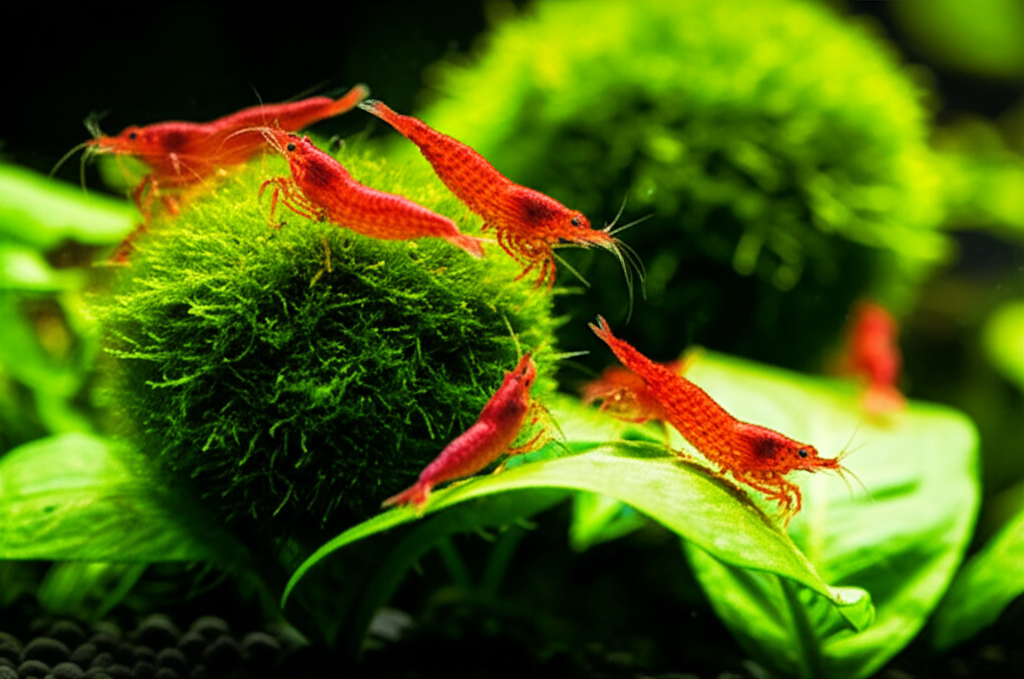

Yes, moss balls are excellent for shrimp! They provide a natural food source, hiding places, and help improve water quality, making them a beneficial addition to any shrimp aquarium.
Thinking about adding a moss ball to your shrimp tank? It’s a great question many beginner shrimp keepers ask! You want the best for your tiny aquatic friends, and sometimes it’s hard to know what’s truly beneficial versus just pretty. Moss balls are super popular, and for good reason, but do they actually help your shrimp thrive? We’ll dive deep into everything you need to know, from their benefits to how to introduce them safely. Get ready to learn how these little green spheres can make a big difference in your shrimp’s world!
Understanding Marimo Moss Balls
Marimo moss balls, scientifically known as Aegagropila linnaei, aren’t actually moss at all! They are a species of filamentous green algae that grow in a spherical shape. Native to Iceland and Japan, these slow-growing beauties have a unique life cycle and a surprisingly robust nature. In their natural habitat, they roll around on lakebeds, which helps them maintain their spherical form and get sunlight from all sides. In our aquariums, they become fascinating living decorations that offer a lot more than just aesthetics.
Their slow growth rate means they won’t quickly outgrow your tank, and their simple needs make them ideal for beginners. They thrive in cooler water and low to moderate light, conditions that many popular shrimp species also prefer. This natural compatibility makes them a fantastic choice for creating a harmonious shrimp environment.
The Benefits of Moss Balls for Shrimp
Moss balls are more than just a cute addition to your aquarium; they are functional elements that can significantly boost your shrimp’s well-being. Let’s break down why they are so good for your little crustaceans:
1. A Natural Food Source
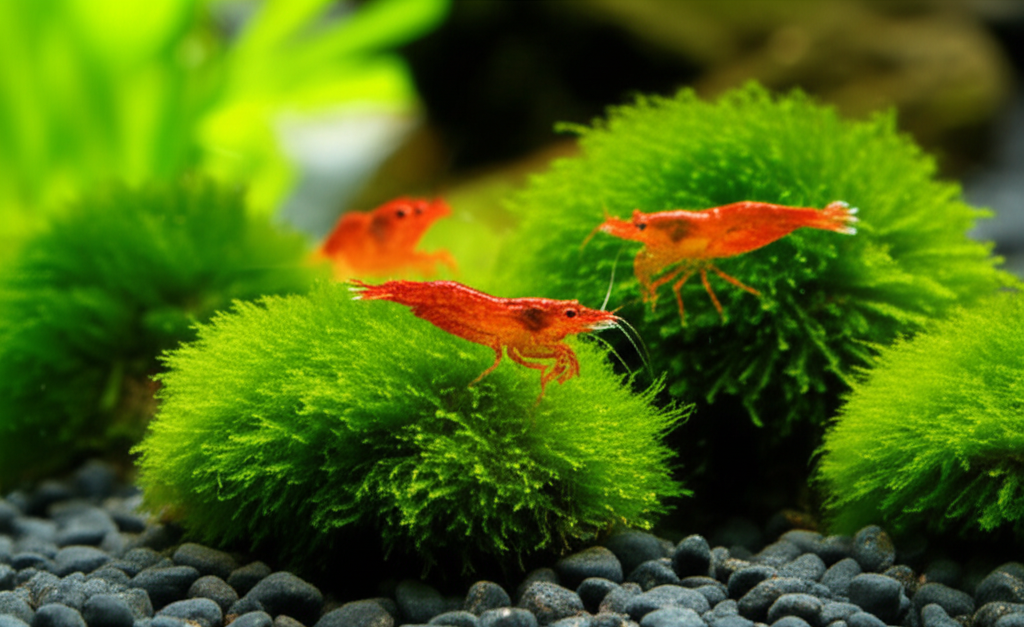
This is arguably the biggest benefit for shrimp! The surface of a moss ball is a perfect breeding ground for microscopic organisms like bacteria, diatoms, and tiny invertebrates. Shrimp are natural scavengers and grazers, and they absolutely love to nibble on these tiny food particles that colonize the moss ball’s surface. It’s like a tiny, all-you-can-eat buffet for them!
Think of it as nature’s way of providing a constant, low-level food source. Your shrimp will spend hours gently grazing on the moss ball, picking off biofilm and algae. This not only supplements their diet but also keeps them actively engaged and healthy. This natural grazing behavior is crucial for their digestion and overall happiness.
2. Excellent Hiding and Breeding Grounds
Shrimp, especially baby shrimp (shrimplets), are vulnerable. They need safe places to hide from potential predators (even in a shrimp-only tank, larger shrimp can sometimes pose a threat to shrimplets) and to feel secure. Moss balls, with their slightly irregular surface and dense growth, offer plenty of nooks and crannies for shrimp to retreat into.
These hiding spots are particularly important for baby shrimp. They can graze and explore within the protective embrace of the moss ball, significantly increasing their chances of survival and growth. A secure environment reduces stress, which is vital for successful breeding and the health of your colony.
3. Natural Water Filtration and Oxygenation
While not a substitute for your main filter, moss balls do contribute positively to water quality. As they photosynthesize, they absorb nitrates and other waste products from the water. This process helps to keep your water parameters stable and can reduce the burden on your mechanical filter. They also release oxygen during photosynthesis, contributing to a healthier aquatic environment.
The slow, steady growth of moss balls means they are constantly working to purify the water in a gentle, natural way. This symbiotic relationship benefits both the shrimp and the overall health of the aquarium ecosystem. For more information on the importance of water quality in shrimp tanks, you can refer to resources from organizations like the U.S. Environmental Protection Agency, which discusses the impact of nutrients on aquatic environments.
4. Aesthetic Appeal
Let’s not forget how beautiful they are! Moss balls add a unique, natural, and vibrant green element to any aquarium. They create a lush, jungle-like feel that can transform a plain tank into a captivating underwater landscape. Their spherical shape provides a pleasing contrast to other aquarium decor, and they look particularly stunning when placed in a group or anchored to driftwood or rocks.
How to Introduce Moss Balls to Your Shrimp Tank
Bringing home a new moss ball is exciting, but it’s important to do it correctly to ensure it doesn’t introduce any unwanted hitchhikers or shock your shrimp. Here’s a simple, step-by-step guide:
Step 1: Quarantine and Inspect
This is a crucial step for any new addition to your aquarium. Even healthy-looking moss balls can carry pests like snails (especially bladder snails or ramshorn snails), hydra, or even unwanted algae spores. It’s best to quarantine your new moss ball in a separate container for at least a week, ideally two.
- Fill a clean bucket or small tank with dechlorinated water.
- Place the moss ball in the container.
- Observe it closely for any signs of pests or unwanted organisms.
- If you see anything suspicious, gently remove it with tweezers.
Step 2: Rinse Thoroughly
After quarantining, give your moss ball a good rinse. This helps remove any loose debris, excess food particles, or potential contaminants from its journey to your home.
- Use cool, dechlorinated water. Never use tap water directly, as chlorine can harm your shrimp and beneficial bacteria.
- Gently squeeze the moss ball under the water to release trapped particles. Be careful not to squeeze too hard, as this can damage its structure.
Step 3: Acclimate (Optional but Recommended)
Just like introducing fish or shrimp, it’s a good idea to acclimate your moss ball to your tank’s water parameters, especially if your tank water is significantly different from the water it came in.
You can do this by placing the moss ball in a small bag with some of your tank water and floating it in your aquarium for about 15-30 minutes. This allows the temperature and water chemistry to equalize gradually.
Step 4: Place in the Aquarium
Now for the fun part! You can place your moss ball directly on the substrate, attach it to a piece of driftwood or a rock using fishing line or cotton thread (which will eventually dissolve or be eaten), or let it float freely.
Consider where your shrimp like to hang out. Placing the moss ball in an area with gentle water flow can help distribute nutrients and keep it clean. Avoid placing it directly under a strong filter output, as this might blast away the tiny food particles shrimp enjoy.
Caring for Your Moss Balls
Moss balls are incredibly low-maintenance, but a little care goes a long way in keeping them healthy and beneficial for your shrimp.
1. Water Parameters
Moss balls generally prefer cooler temperatures, ideally between 65-75°F (18-24°C). Most popular dwarf shrimp species, like Cherry Shrimp (Neocaridina davidi), also thrive in this temperature range. Avoid placing them in tanks with heaters set too high.
They are also quite tolerant of various water hardness and pH levels, as long as the water is clean and stable. Consistent water changes are more important for the shrimp than specific parameters for the moss ball itself.
2. Lighting
Moss balls need light to photosynthesize, but they don’t require intense lighting. Moderate, indirect light is perfect. Too much direct, bright light can cause them to turn brown or develop algae blooms on their surface, which might not be ideal for your shrimp.
A standard aquarium light set to a reasonable photoperiod (e.g., 8-10 hours a day) is usually sufficient. If your tank is heavily planted, the ambient light might be enough.
3. Rolling and Squeezing (The “Moss Ball Spa”)
In their natural habitat, moss balls roll around, which helps them get even sunlight and prevents debris from settling too heavily. In an aquarium, they can sometimes get stuck in one spot or accumulate debris.
Every 1-2 months, you can give your moss ball a “spa treatment.” Remove it from the tank and gently roll it between your hands in a bowl of cool, dechlorinated water. This helps to dislodge any accumulated waste and ensures even exposure to light and nutrients. You can also gently squeeze it to release trapped debris. This process is beneficial for both the moss ball and the cleanliness of your tank.
4. Dealing with Browning or White Spots
If your moss ball starts to turn brown or develops white patches, don’t panic! This usually means it’s not getting enough light, or it has been exposed to too much direct light, or it might be an accumulation of debris. Sometimes, it’s just a sign of stress from a recent move or change in conditions.
To fix this:
- Ensure it’s getting adequate, but not excessive, light.
- Perform the gentle rolling and squeezing “spa treatment” in clean, dechlorinated water.
- Place it in an area with slightly better water flow.
- Trim away any completely dead or mushy parts with clean scissors.
With proper care, most brown patches will recover and turn green again.
Potential Downsides and How to Mitigate Them
While moss balls are overwhelmingly beneficial, there are a few minor considerations:
1. Pest Introduction
As mentioned earlier, the biggest risk is introducing unwanted hitchhikers like snails or hydra. The quarantine and thorough inspection process is your best defense against this. If you’re extremely sensitive to pests, you might consider purchasing from a reputable breeder known for pest-free stock or even trying to grow your own from a small cutting (though this is more advanced).
2. Debris Accumulation
In areas with low water flow, moss balls can trap uneaten food or shrimp waste. This can lead to localized pollution. Regular gentle rolling and squeezing, along with good overall tank maintenance, will prevent this.
3. Overcrowding
If you have a very large moss ball or a very small tank with many moss balls, they could potentially take up a significant amount of space. However, given their slow growth, this is rarely an issue for most hobbyists.
4. Not a Primary Filter
It’s important to remember that moss balls are a supplementary aid to water quality, not a replacement for your primary filtration system. You still need an appropriately sized filter for your tank to remove particulate matter and process ammonia and nitrite.
Moss Balls vs. Other Aquarium Plants for Shrimp
Moss balls are just one of many excellent plant options for shrimp tanks. Here’s a quick comparison:
| Feature | Moss Balls | Java Moss | Anubias | Hornwort |
|---|---|---|---|---|
| Food Source for Shrimp | Excellent (biofilm, micro-organisms) | Good (biofilm, micro-organisms) | Moderate (biofilm) | Poor |
| Hiding/Breeding Spots | Excellent | Excellent | Good | Good |
| Water Filtration | Moderate (nitrate absorption) | Moderate (nitrate absorption) | Low | Good (nitrate absorption) |
| Light Needs | Low to Moderate | Low to Moderate | Low to Moderate | Moderate |
| Growth Rate | Very Slow | Moderate | Slow | Fast |
| Ease of Care | Very Easy | Very Easy | Very Easy | Easy |
As you can see, moss balls excel in providing a natural food source and are exceptionally easy to care for. While other plants like Java Moss offer similar hiding benefits, moss balls have that unique appeal and slow growth. For a comprehensive guide on choosing the best plants for your shrimp, you might find resources from reputable aquarium plant suppliers or forums helpful.
Frequently Asked Questions About Moss Balls and Shrimp
Q1: How many moss balls should I put in my shrimp tank?
For most small to medium shrimp tanks (5-20 gallons), one to three moss balls are usually sufficient. Overcrowding is rarely an issue, but ensure they have enough space to allow for water flow and for your shrimp to move around freely. It’s better to start with one or two and add more if desired.
Q2: Can moss balls harm my shrimp?
No, moss balls themselves are not harmful to shrimp. They are a natural and beneficial addition. The only potential harm comes from hitchhikers like hydra or planaria that might be on the moss ball if it wasn’t properly quarantined.
Q3: Do I need to feed my shrimp if I have moss balls?
Moss balls provide a supplemental food source, but it’s still recommended to feed your shrimp a small amount of high-quality shrimp food a few times a week. This ensures they receive a balanced diet with all the necessary nutrients, especially for breeding colonies. The moss ball is like a healthy snack bar, not a complete meal plan.
Q4: How often should I clean my moss balls?
You don’t need to “clean” them in the traditional sense. Every 1-2 months, giving them a gentle squeeze and roll in cool, dechlorinated water (the “spa treatment”) is beneficial. This removes accumulated debris and keeps them healthy. Avoid using soaps or chemicals!
Q5: Can moss balls live without light?
Moss balls need light for photosynthesis, which is how they survive and grow. While they can tolerate low light conditions, they will not thrive and may start to decay if kept in complete darkness. Ensure they receive some indirect light for at least a few hours a day.
Q6: My moss ball is sinking/floating. Is that normal?
Newly purchased moss balls may float initially because they are full of air. Over time, they will absorb water and sink. If your moss ball is floating excessively after a few days, it might be a sign that it’s not healthy or has too much trapped air. Gently squeezing it in water can help release air. If it consistently floats, it might not be viable. Healthy moss balls typically rest on the substrate or are anchored.
Conclusion
So, are moss balls good for shrimp? Absolutely! They are a fantastic, low-maintenance addition that provides a natural food source, safe havens, and contributes to a healthier aquarium environment. By following simple steps for introduction and care, you can ensure these little green wonders enrich your shrimp tank and bring you even more joy as you watch your shrimp graze and explore amongst them.
Remember, the key to successful shrimp keeping is creating a stable, enriching environment. Moss balls are a wonderful tool to help you achieve just that. Enjoy watching your shrimp interact with their new mossy friends!