
Are Mantis Shrimp Shrimp? The short answer is no! Despite their name, mantis shrimp are not true shrimp. They belong to a different order of crustaceans, known for their incredible eyesight and powerful punch. This article will dive into what makes them unique and why they aren’t your typical aquarium buddies.
It’s a question that pops up in many aquariums and marine biology discussions: “Are mantis shrimp actually shrimp?” It’s easy to see why the confusion happens! They look a bit like them, and that “shrimp” in their name certainly doesn’t help. But if you’re a shrimp keeper, or just curious about ocean life, understanding the difference is super important. Don’t worry, we’re going to break it all down. We’ll explore exactly what makes a mantis shrimp so special and why they’re in a league of their own. Get ready to discover some amazing facts about these fascinating creatures!
Mantis Shrimp vs. True Shrimp: What’s the Difference?
Let’s clear up the biggest question right away: mantis shrimp are absolutely not true shrimp! While both are crustaceans, they belong to entirely different branches of the evolutionary tree. Think of it like comparing a cat to a dog – both are mammals, but they are very distinct animals with unique characteristics. Mantis shrimp, scientifically known as Stomatopoda, are in their own superorder, separate from the Decapoda order where true shrimp, crabs, and lobsters reside.
This separation isn’t just a technicality; it means they have evolved with vastly different traits and abilities. True shrimp are generally known for their more delicate nature, specific feeding habits, and their role as bottom-dwellers or swimmers in many aquatic ecosystems. Mantis shrimp, on the other hand, are powerful predators with specialized weaponry and senses that set them apart dramatically.
A Look at True Shrimp
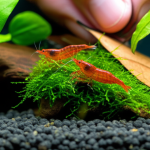
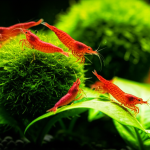
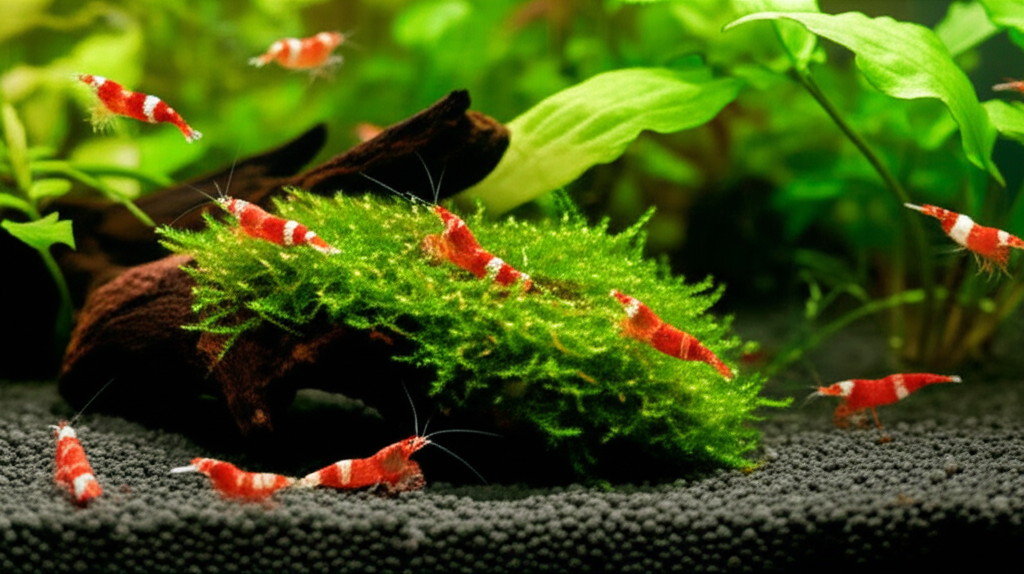
To truly appreciate the distinction, let’s briefly touch upon what defines a “true shrimp.” True shrimp, like the ones you might find in a freshwater aquarium or on your dinner plate, belong to the order Decapoda. This order is characterized by having ten legs, with the first three pairs typically ending in claws (chelipeds). They also have a distinct body shape, usually with a more elongated abdomen that they use for swimming.
Examples of true shrimp include:
- Cherry Shrimp (Neocaridina davidi)
- Amano Shrimp (Caridina multidentata)
- Ghost Shrimp (Palaemonetes paludosus)
- Tiger Prawns (various species within Penaeidae)
These shrimp are often scavengers or detritivores, playing a vital role in keeping their environments clean by consuming algae and decaying organic matter. Their claws are typically small and used for grasping food, not for hunting or defense in the same way as a mantis shrimp.
The Stomatopoda: Mantis Shrimp’s Own Class
Mantis shrimp are part of the order Stomatopoda. This group is incredibly diverse, with over 450 known species, ranging in size from a few centimeters to over 30 centimeters (12 inches). They are found in tropical and subtropical waters worldwide, inhabiting burrows and crevices on the seafloor. Their common name, “mantis shrimp,” comes from their striking resemblance to the praying mantis insect, particularly in their raptorial appendages.
The key differences lie in their anatomy and behavior:
- Raptorial Appendages: Mantis shrimp possess highly specialized, spring-loaded claws that they use to strike prey with incredible speed and force.
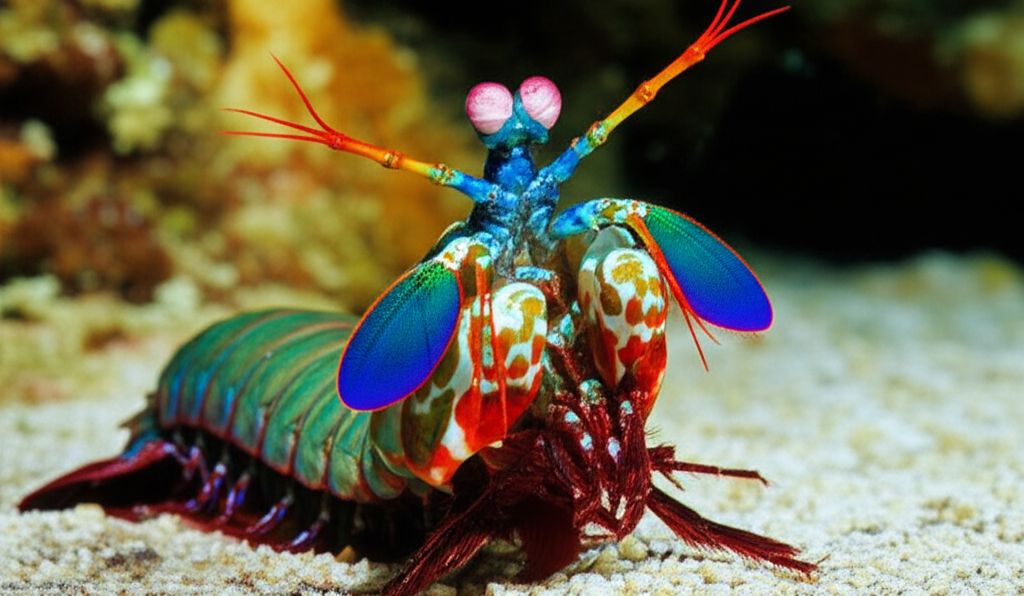
- Eyesight: Their eyes are arguably the most complex in the animal kingdom, capable of seeing polarized light and a wider spectrum of colors than humans.
- Body Structure: While they have legs, their overall body plan and the function of their appendages are distinct from true shrimp.
These differences mean that mantis shrimp have a very different role in their ecosystem, often being apex predators within their niche.
Unveiling the Mantis Shrimp’s Powerhouse Features
Now that we know mantis shrimp aren’t true shrimp, let’s explore what makes them so extraordinary. Their unique adaptations are truly mind-boggling, and understanding them helps us appreciate why they are so different from our beloved freshwater aquarium shrimp.
The “Smashers” and the “Spearers”
One of the most defining characteristics of mantis shrimp is their incredibly specialized raptorial appendages. These are modified legs located on their second thoracic segment, designed for capturing prey. They are divided into two main categories based on their hunting style:
-
Smashers
These mantis shrimp have a club-like appendage. They use this club to bludgeon and smash their prey, such as crabs and snails, with astonishing speed and power. The force of their strike is so great that it can even break the glass of some aquariums! The acceleration of these clubs is among the fastest movements in the animal kingdom, reaching speeds of over 50 mph. This rapid movement also creates cavitation bubbles. When these bubbles collapse, they generate a shockwave and a burst of heat and light, which can stun or kill prey even if the club misses directly.
An interesting scientific study on the mechanics of their strike can be found on the Nature Scientific Reports website, detailing the biomechanics involved.
-
Spearers
Spearers have barbed, pointed appendages that they use to impale their prey, typically fish and other invertebrates. They strike with lightning speed, piercing their target and holding it firmly. Like smashers, spearers also benefit from the cavitation effect, which aids in securing their meal.
The speed and force of these strikes are powered by a unique “latch” mechanism in their appendages. Muscles contract, storing elastic energy in a saddle-shaped structure. When the latch is released, this stored energy is unleashed, propelling the appendage forward at incredible velocity. This mechanism is so efficient that it has even inspired engineers in the development of high-speed robotic components.
Eyesight Beyond Human Comprehension
If their punches weren’t enough, mantis shrimp also possess the most complex visual system known in the animal kingdom. Their eyes are mounted on stalks and can move independently, allowing them to see in almost every direction at once. But the complexity goes much deeper:
- Trinocular Vision: Each eye is divided into three parts, giving them trinocular vision within a single eye stalk. This allows them to perceive depth without moving their head.
- 12-16 Photoreceptor Classes: Humans have three types of photoreceptors (for red, green, and blue light). Mantis shrimp have between 12 and 16! This allows them to see a much wider range of colors, including ultraviolet (UV) and infrared (IR) light.
- Polarized Light Vision: They can see linearly and circularly polarized light. This ability is used for communication, prey detection, and navigating their environment. Some species have specialized patches on their carapace that reflect polarized light, acting as signals to other mantis shrimp.
This advanced vision helps them spot camouflaged prey, identify mates, and avoid predators in their complex reef environments. The study of their visual system is a fascinating area of research, with many implications for fields like optics and artificial intelligence. You can learn more about the evolution of their vision on the PNAS website.
Coloration and Camouflage
Mantis shrimp are often incredibly vibrant and colorful, displaying hues of blue, green, red, and yellow. This coloration serves multiple purposes, including camouflage, species recognition, and mating displays. Depending on the species and their environment, they can blend seamlessly into coral reefs or stand out with brilliant patterns.
Their ability to see polarized light also plays a role in how they perceive colors and potentially how they are perceived by others. Some species can even change their color patterns, further aiding in camouflage or signaling.
Mantis Shrimp in the Aquarium Hobby
While mantis shrimp aren’t true shrimp, they are popular inhabitants of specialized marine aquariums. However, they are not beginner-friendly pets, and keeping them requires a very different approach than maintaining a freshwater shrimp tank.
Marine vs. Freshwater Aquariums
This is a crucial distinction for any hobbyist. True freshwater shrimp, like cherry shrimp or ghost shrimp, thrive in freshwater environments. They require specific water parameters (pH, hardness, temperature) that are very different from saltwater conditions.
Mantis shrimp, on the other hand, are strictly marine creatures. They need a saltwater aquarium with:
- Salinity: Properly mixed saltwater with a specific gravity of around 1.023-1.026.
- Water Parameters: Stable levels of alkalinity, calcium, magnesium, and nitrates, similar to those required for reef tanks.
- Filtration: Robust filtration systems to handle the waste produced by predatory marine life.
- Tank Mates: They are highly predatory and aggressive, meaning they cannot be housed with most other fish or invertebrates, especially true shrimp, small fish, or crabs.
Setting up and maintaining a saltwater aquarium is significantly more complex and expensive than a freshwater setup. It involves specialized equipment like protein skimmers, live rock, and more rigorous water testing.
Tank Requirements for Mantis Shrimp
If you are considering keeping a mantis shrimp, it’s essential to provide them with a suitable habitat. They are known for their burrowing and hunting behaviors, so their tank needs to accommodate this.
- Tank Size: While they are not large, they need ample swimming space and substrate for burrowing. A minimum of 20-30 gallons is often recommended, depending on the species.
- Substrate: A deep sand bed with plenty of rubble, rocks, and shells is essential. This allows them to dig and create their own burrows, which are vital for their security and hunting.
- Aquascaping: Provide plenty of hiding places with rocks and coral skeletons. However, be mindful that mantis shrimp are powerful and can rearrange the aquascape themselves, sometimes even breaking rockwork.
- Filtration: A good quality filter and protein skimmer are necessary to maintain pristine water quality.
- Lid: A secure lid is absolutely mandatory. Mantis shrimp are escape artists and incredibly strong jumpers!
Diet and Feeding
Mantis shrimp are carnivorous hunters. Their diet in the wild consists of fish, crabs, shrimp, mollusks, and other invertebrates.
In an aquarium, their diet typically includes:
- Live or frozen seafood (e.g., shrimp, crab, mussels)
- Small fish
Feeding should be done carefully, as they are very adept at catching their meals. It’s important not to overfeed, as uneaten food can quickly foul the saltwater environment. Due to their predatory nature, they are generally not compatible with any tank mates they might consider prey, which unfortunately includes most smaller crustaceans and fish.
Why You Can’t Keep Mantis Shrimp with Freshwater Shrimp
This is where the distinction becomes critically important for hobbyists. If you keep freshwater shrimp, you absolutely cannot house a mantis shrimp in the same tank. The reasons are straightforward and based on their fundamental differences:
- Predation: Mantis shrimp are apex predators. They will view any smaller invertebrate, including freshwater shrimp, as a meal. Even if a mantis shrimp doesn’t immediately kill a freshwater shrimp, its presence can cause extreme stress, leading to illness and death.
- Habitat Incompatibility: Freshwater shrimp live in freshwater. Mantis shrimp live in saltwater. Attempting to mix these environments would be fatal to both types of animals.
- Behavior: Mantis shrimp are aggressive and territorial. They will defend their burrows fiercely and are known to attack anything they perceive as a threat or prey.
Therefore, if you are a freshwater shrimp keeper, the answer to “are mantis shrimp shrimp?” is a firm “no” when it comes to tank sharing. They belong in entirely separate, specialized marine environments.
Comparing Key Characteristics: A Table
To summarize the main differences, let’s look at a comparative table. This highlights why these two types of crustaceans are so distinct.
| Feature | Mantis Shrimp (Stomatopoda) | True Shrimp (Decapoda) |
|---|---|---|
| Order | Stomatopoda | Decapoda |
| Habitat | Marine (Saltwater) | Freshwater or Marine (depending on species) |
| Diet | Carnivorous Predator | Omnivorous, Scavenger, Detritivore (depending on species) |
| Raptorial Appendages | Highly developed clubs or spears for hunting; incredibly fast strike | Small claws for grasping food; not designed for powerful strikes |
| Eyesight | Extremely complex; sees polarized light, UV, IR; 12-16 photoreceptor classes | Good, but far less complex than mantis shrimp; typically sees visible light spectrum |
| Aggression | Highly aggressive and predatory | Generally peaceful, can be timid |
| Aquarium Care | Specialized marine tank; requires careful planning and experience; not for beginners | Varies by species; many are suitable for beginner freshwater tanks |
| Tank Mates | Typically kept alone or with very few, carefully selected, robust tank mates | Can often be kept in community tanks with compatible species |
Frequently Asked Questions (FAQs)
Here are some common questions people have about mantis shrimp and their relationship to true shrimp.
Q1: Are mantis shrimp dangerous to humans?
A: While mantis shrimp are powerful predators in their environment, they are generally not considered dangerous to humans. However, their powerful “smash” can deliver a very painful nip if you are not careful when handling them or working in their tank. It’s best to avoid direct contact and use tools when necessary.
Q2: Can I keep a mantis shrimp in my freshwater shrimp tank?
A: Absolutely not. Mantis shrimp are marine animals and require saltwater. Furthermore, they are highly predatory and will eat freshwater shrimp. They must be kept in a separate, dedicated saltwater aquarium.
Q3: What do mantis shrimp eat?
A: Mantis shrimp are carnivores. They primarily eat fish, crabs, snails, other shrimp, and various invertebrates. In captivity, they are typically fed live or frozen seafood like shrimp, crabs, or pieces of fish.
Q4: How long do mantis shrimp live?
A: The lifespan of mantis shrimp can vary significantly depending on the species and environmental conditions. Many species can live for several years, with some potentially living up to 10-20 years in optimal conditions.
Q5: Are all mantis shrimp colorful?
A: While many mantis shrimp species are known for their vibrant colors, not all of them are. Coloration can vary widely, from bright and striking patterns to more subdued or camouflaged appearances, depending on the species and its natural habitat.
Q6: What does the “smash” of a mantis shrimp do?
A: The “smash” is a incredibly fast and powerful strike from their club-like appendages. It’s used to break open the shells of prey like crabs and snails. The strike is so rapid that it creates cavitation bubbles, which collapse to generate shockwaves, heat, and light that can stun or kill prey.
Q7: Can mantis shrimp see colors like humans?
A: Mantis shrimp see colors very differently and far more broadly than humans. They have 12-16 types of photoreceptors compared to our three, allowing them to see into the ultraviolet and infrared spectrums and perceive polarized light. Their color vision is far more complex than ours.
Conclusion: A World Apart from Your Freshwater Shrimp
So, to circle back to our initial question: are mantis shrimp shrimp? The definitive answer is a resounding no. They are fascinating creatures that have evolved along a completely separate path from the true shrimp we often keep in our freshwater tanks. Their incredible eyesight, powerful strikes, and unique predatory behaviors place them in a category all their own within the crustacean world.
For the freshwater aquarist, this distinction is vital. It means that mantis shrimp are not compatible tank mates, nor can they survive in a freshwater environment. If you are captivated by the marvels of the ocean and have the experience and resources for a marine aquarium, a mantis shrimp can be an incredibly rewarding, albeit challenging, pet. But for those of us who love our delicate freshwater shrimp, it’s best to admire the mantis shrimp from afar, appreciating their unique place in the vast diversity of aquatic life. Keep enjoying your freshwater shrimp, and remember that understanding these fundamental differences is key to successful and happy aquariums!