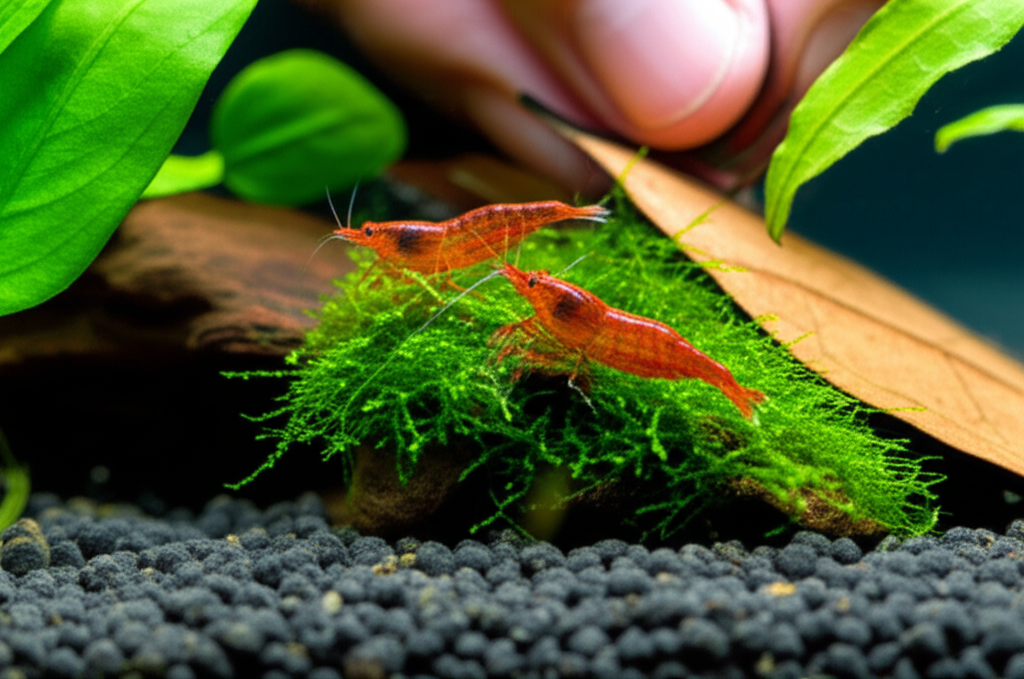

Yes, Indian Almond Leaves (also known as Catappa leaves) are very beneficial for shrimp! They release tannins and humic acids that mimic their natural environment, boosting immunity, aiding molting, and reducing stress. They also provide a natural food source and help condition aquarium water.
Welcome to the wonderful world of shrimp keeping! If you’ve recently welcomed some tiny, colorful shrimp into your aquarium, you’re probably eager to give them the best possible care. One question that often pops up among new shrimp enthusiasts is about the use of Indian Almond Leaves, or Catappa leaves. Are they really as good for our little crustaceans as everyone says? It can be a bit confusing with all the different advice out there, but don’t worry! I’m here to guide you through everything you need to know. We’ll break down exactly why these leaves are a fantastic addition to your shrimp tank, how to use them correctly, and what benefits they offer. Get ready to make your shrimp happier and healthier!
Why Indian Almond Leaves Are a Shrimp Keeper’s Best Friend
Indian Almond Leaves, often called Catappa leaves or Sea-Shell leaves, are a natural product that has become incredibly popular in the shrimp-keeping hobby. And for good reason! These aren’t just pretty additions to your aquarium; they are packed with benefits that can significantly improve your shrimp’s health and well-being. Think of them as a superfood and a natural remedy all rolled into one for your aquatic friends.
These leaves come from the Terminalia catappa tree, a tropical tree native to coastal regions of Australia, Asia, Africa, and Madagascar. For generations, in their native environments, these leaves have naturally fallen into the waters where various aquatic species live. This means that many fish and invertebrates have evolved alongside these leaves, benefiting from the compounds they release.
The Science Behind the Magic: Tannins and Humic Acids
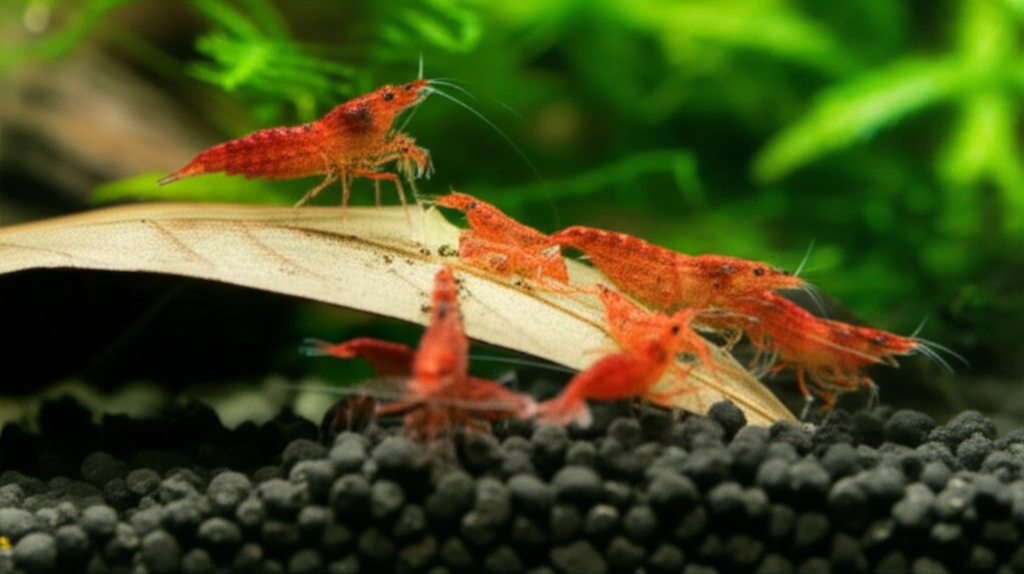
So, what exactly makes these leaves so special for shrimp? The primary active compounds released are tannins and humic acids. These are naturally occurring organic substances that have a profound effect on aquarium water and the creatures living in it.
- Tannins: These are a group of complex phenolic compounds. When Indian Almond Leaves are added to water, they slowly release tannins. Tannins have several beneficial properties for shrimp:
- Antibacterial and Antifungal Properties: Tannins can help inhibit the growth of harmful bacteria and fungi, creating a healthier environment for your shrimp and reducing the risk of disease.
- Water Conditioning: They can slightly lower the pH of the water, which can be beneficial for many shrimp species that prefer softer, more acidic water conditions.
- Stress Reduction: The presence of tannins can mimic the natural environment of many shrimp species, helping to reduce stress and improve their overall mood and activity levels.
- Humic Acids: These are another group of organic compounds derived from the decomposition of organic matter. Humic acids contribute to:
- Nutrient Absorption: They can help make essential minerals and nutrients more available to your shrimp, supporting their growth and development.
- Immune System Support: Like tannins, humic acids are thought to bolster the immune systems of aquatic animals.
- Water Clarity: While they can initially tint the water brown, in the long run, humic acids can contribute to cleaner, clearer water by binding with certain impurities.
Together, these compounds create a more natural, supportive, and protective environment for your delicate shrimp.
Key Benefits of Indian Almond Leaves for Shrimp
Using Indian Almond Leaves in your shrimp tank offers a range of tangible benefits that contribute to a thriving colony. Let’s dive into what these benefits are and why they matter for your shrimp:
- Improved Water Quality: As mentioned, tannins and humic acids naturally condition the water. They can help reduce the levels of harmful bacteria and fungi, making the water safer for your shrimp. They also help to create an environment that many shrimp species find optimal, often mimicking their native blackwater habitats.
- Stress Reduction: Shrimp are sensitive creatures. Mimicking their natural environment with Indian Almond Leaves can significantly reduce stress levels. Less stressed shrimp are more likely to breed, exhibit natural behaviors, and maintain good health.
- Aid in Molting: Molting is a critical and vulnerable process for shrimp where they shed their exoskeleton to grow. Indian Almond Leaves can provide essential minerals and compounds that support healthy molting, reducing the chances of “molt death syndrome,” a common issue where shrimp get stuck in their old shell.
- Natural Food Source: Once the leaves start to break down, they become a food source for beneficial bacteria and biofilm, which are then grazed upon by your shrimp. The leaves themselves also offer surfaces for biofilm to grow, providing a constant, natural snack for your shrimp.
- Disease Prevention: The antibacterial and antifungal properties of tannins can act as a preventative measure against common shrimp diseases, helping to keep your colony healthy and disease-free.
- Breeding Encouragement: A healthy, stress-free environment with good water quality is crucial for successful shrimp breeding. Indian Almond Leaves contribute to all these factors, making them a great tool for breeders.
- Natural Aesthetic: Beyond the health benefits, these leaves add a beautiful, natural look to your aquarium, creating a more immersive and authentic “blackwater” or “biotope” style tank that many aquarists love.
It’s important to understand that while these leaves are beneficial, they are not a cure-all. Consistent water changes, a proper diet, and a stable aquarium environment are still the cornerstones of healthy shrimp keeping.
How to Prepare and Use Indian Almond Leaves
Preparing Indian Almond Leaves for your aquarium is a simple process, but doing it correctly ensures you get the most benefit and avoid any potential issues. Here’s a step-by-step guide:
Step 1: Sourcing Your Leaves
Always source your Indian Almond Leaves from reputable aquarium suppliers. This ensures that the leaves are:
- Pesticide-Free: This is crucial. Leaves treated with pesticides can be toxic to shrimp.
- Harvested Responsibly: Look for suppliers who harvest leaves that have naturally fallen or are sourced sustainably.
- Good Quality: Choose leaves that are relatively intact and appear clean.
You can find Indian Almond Leaves online or at most local fish stores that cater to the aquarium hobby.
Step 2: Cleaning the Leaves
Even though you’re buying them from a supplier, a quick clean is always a good idea. This removes any dust or surface debris.
- Rinse: Gently rinse the leaves under cool, clean water. Do not use soap or detergents, as these can leave harmful residues.
- Light Scrub (Optional): If the leaves seem particularly dusty or have any visible debris, you can gently scrub them with a soft brush or your fingers under running water.
Step 3: Boiling or Steeping (Optional but Recommended)
Some aquarists boil or steep the leaves before adding them to the tank. This can help:
- Sanitize: It can further sanitize the leaves.
- Pre-Soften: It helps the leaves sink faster and begin releasing their compounds sooner.
- Reduce Initial Tannin Bloom: Boiling can release some of the initial, more concentrated tannins, leading to a less intense initial browning of the water.
How to Boil/Steep:
- Place the cleaned leaves in a pot.
- Cover with water.
- Bring to a boil, then simmer for 10-15 minutes.
- Let them cool completely before adding to the aquarium.
Alternatively, you can simply soak them in a separate container of dechlorinated water for a few hours to help them sink.
Step 4: Adding Leaves to the Tank
Once prepared, you can add the leaves directly to your shrimp tank. They will initially float, but after a day or two, they will typically become waterlogged and sink to the substrate. If you want them to sink immediately, you can use aquarium-safe leaf weights or tie them to a small piece of driftwood.
Step 5: Dosage and Replacement
The general recommendation is to use 1-2 leaves per 10-20 gallons of aquarium water. However, this can vary based on the size of the leaves and how heavily stocked your tank is.
- Start Slow: It’s often best to start with one leaf and observe your shrimp and water parameters.
- Observe: See how your shrimp react and monitor your water parameters (pH, GH, KH) to ensure the leaves aren’t causing drastic changes.
- Replacement: Indian Almond Leaves will break down over time. They can last anywhere from a few weeks to a couple of months, depending on the water temperature, the presence of beneficial bacteria, and how quickly your shrimp and other inhabitants graze on them. Replace them when they are mostly disintegrated or no longer providing visible benefits.
When to Add Indian Almond Leaves
You can add Indian Almond Leaves to your shrimp tank at any time, but they are particularly beneficial in certain situations:
- New Tank Setup: Adding a leaf when setting up a new shrimp tank can help establish a healthy environment from the start.
- Introducing New Shrimp: A leaf can help reduce stress for newly introduced shrimp as they acclimate to their new surroundings.
- During Molting Periods: If you notice your shrimp are frequently molting, adding a leaf can provide extra support.
- After Medication: If you’ve had to medicate your tank, Indian Almond Leaves can help re-establish a healthy bacterial balance and support shrimp recovery.
- To Encourage Breeding: A stable, healthy environment is key for breeding, and leaves contribute to this.
It’s generally safe to keep one or two leaves in the tank at all times for ongoing benefits.
Potential Downsides and Considerations
While Indian Almond Leaves are overwhelmingly beneficial, there are a few things to keep in mind to ensure you’re using them effectively and safely:
- Water Discoloration: The most common “downside” is that the leaves will tint the water a yellowish-brown, resembling a “blackwater” environment. While this is natural and often desirable for shrimp, some aquarists prefer crystal-clear water. The intensity of the color depends on the amount of leaf material and how long it has been in the tank.
- pH Drop: Tannins and humic acids can slightly lower the pH of your water. This is usually a mild and beneficial change for most popular shrimp species (like Neocaridina and Caridina), but if you have shrimp that prefer very hard, alkaline water, you should monitor your pH closely. For most beginner shrimp tanks, this effect is minimal and helpful. You can learn more about ideal water parameters for shrimp from resources like the Shrimp Hub.
- Overuse: While unlikely to cause harm in typical dosages, excessively adding too many leaves or not replacing them as they break down could theoretically lead to a more significant pH shift or an overabundance of decaying organic matter. Stick to the recommended dosage.
- Algae Blooms: In some rare cases, if a tank is already prone to algae issues and has an excess of nutrients, the breakdown of leaves could potentially contribute to a minor algae bloom. However, this is not a common occurrence.
- Leaf Quality: As mentioned, always ensure your leaves are from a reliable source to avoid pesticides or contaminants.
For the vast majority of shrimp keepers, these considerations are minor and easily managed with proper monitoring. The benefits far outweigh these potential issues.
Indian Almond Leaves vs. Other Natural Additives
Indian Almond Leaves aren’t the only natural product used in shrimp keeping. Here’s how they stack up against some other popular options:
| Additive | Primary Benefits | Considerations | Best For |
|---|---|---|---|
| Indian Almond Leaves (Catappa) | Tannins, humic acids, water conditioning, stress reduction, antibacterial, food source. | Tints water brown, slight pH drop. | Most shrimp species, blackwater tanks, breeding, general health. |
| Alder Cones | Mild tannins, humic acids, biofilm growth, natural aesthetic. | Can also tint water, less potent than IALs. | Shrimp and fish that prefer mild blackwater conditions. |
| Bo Mar Kelp Extract | Minerals, vitamins, iodine, supports molting and growth. | Liquid form, must be dosed carefully to avoid nutrient overload. | Boosting shrimp growth and aiding difficult molts. |
| Grapewood/Spiderwood | Provides surface area for biofilm, natural hiding places, aesthetic. | Does not release significant tannins or humic acids. | Creating natural aquascapes, providing grazing surfaces. |
Indian Almond Leaves are often considered the go-to choice for their comprehensive benefits, especially for beginner shrimp keepers due to their ease of use and broad positive impact.
FAQ: Your Burning Questions About Indian Almond Leaves Answered
Here are some common questions that shrimp keepers have about using Indian Almond Leaves:
1. How many Indian Almond Leaves should I use?
A good starting point is 1-2 leaves per 10-20 gallons of aquarium water. You can adjust based on your tank size and how much you want to tint the water. It’s always best to start with less and add more if needed.
2. How long do Indian Almond Leaves last in the tank?
They can last anywhere from a few weeks to a couple of months. They will gradually break down and be consumed by beneficial bacteria, biofilm, and your shrimp. Replace them when they are mostly gone or no longer seem to be releasing any compounds.
3. Will Indian Almond Leaves kill my shrimp?
No, when used correctly, they are very safe and beneficial for shrimp. The only risk would be using leaves contaminated with pesticides or if you were to add an extreme, unrealistic amount that drastically altered water parameters, which is highly unlikely in a normal aquarium setting.
4. Do I need to remove the leaves once they start to break down?
You can leave them in the tank until they are almost completely disintegrated. Your shrimp will graze on the decaying leaf matter and any biofilm that grows on it. If you prefer a tidier look, you can remove larger decaying pieces, but letting them break down naturally is perfectly fine and even beneficial.
5. Will Indian Almond Leaves make my water too acidic?
They can slightly lower the pH, which is often beneficial for many shrimp species. However, the drop is usually very mild. If you are concerned, monitor your pH regularly, especially when first introducing the leaves. For most shrimp like Neocaridina, a slight drop towards neutral or slightly acidic is ideal.
6. Can I use Indian Almond Leaves with other aquarium plants?
Yes, absolutely! Indian Almond Leaves are safe for planted aquariums. In fact, the conditions they create can be beneficial for some aquatic plants as well. They won’t negatively impact your plants.
7. Where can I buy safe Indian Almond Leaves?
Always purchase from reputable aquarium supply stores, either online or at your local fish shop. Look for sellers who specifically state their leaves are pesticide-free and intended for aquarium use. This ensures they are safe for your delicate shrimp.
A Natural Ecosystem Booster
Think of Indian Almond Leaves as a way to bring a piece of your shrimp’s natural habitat right into your aquarium. They are a simple, natural, and incredibly effective way to enhance the health, happiness, and breeding success of your shrimp colony. By understanding how they work and how to prepare them, you can confidently incorporate them into your shrimp-keeping routine.
From conditioning the water with beneficial tannins and humic acids to providing a natural food source and reducing stress, the benefits are clear. They are a staple for a reason, helping to create a stable, thriving environment that mimics the ideal conditions for many popular dwarf shrimp species. Don’t be alarmed by the initial browning of the water; it’s a sign that you’re creating a healthy, natural blackwater-inspired setup that your shrimp will love.
So go ahead, add a leaf to your tank! Observe your shrimp, enjoy their natural behaviors, and feel confident that you are providing them with one of the best natural supplements available in the hobby. Happy shrimp keeping!