
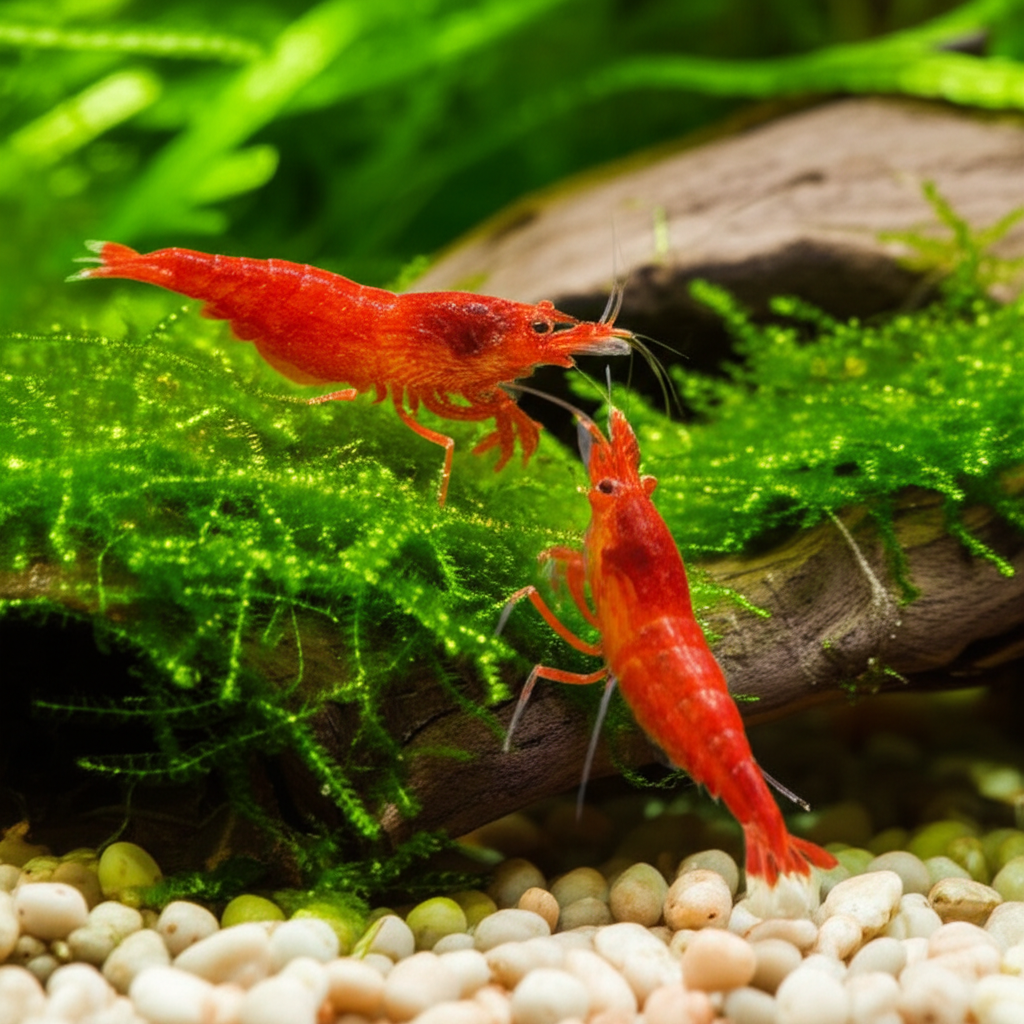

Are nitrates bad for shrimp? Yes, in high concentrations, but shrimp can tolerate low to moderate levels, especially with proper care and filtration. This guide explains how to keep nitrates low for healthy shrimp.
Shrimp are fascinating little creatures, and as you get deeper into keeping them, you’ll hear a lot about water parameters. One of those terms you might see pop up is “nitrate.” It can sound a bit scary, especially when you’re just starting out. You might wonder, “Are nitrates bad for shrimp?” It’s a common question, and honestly, the answer isn’t a simple yes or no. But don’t worry! With a little understanding and some easy steps, you can keep your shrimp happy and healthy by managing nitrates effectively.
We’ll break down what nitrates are, why they matter for your shrimp, and most importantly, how to keep them at safe levels. You’ll feel confident knowing exactly what to do to create the best environment for your tiny aquatic friends. Let’s dive in and make your shrimp-keeping journey even more rewarding!
Understanding the Nitrogen Cycle: Nitrates’ Place
Before we talk about nitrates and shrimp, let’s quickly touch on the nitrogen cycle. This is the backbone of a healthy aquarium, and understanding it is key to managing nitrates.
The nitrogen cycle is a natural process that happens in all aquariums. It’s how waste is converted into less harmful substances. Here’s a simplified breakdown:
Ammonia (NH₃): This is the first stage of waste. It comes from uneaten food, decaying plant matter, and shrimp waste. Ammonia is highly toxic to shrimp, even in small amounts.
Nitrite (NO₂⁻): Beneficial bacteria (Nitrosomonas) in your aquarium convert ammonia into nitrite. Nitrite is also very toxic to shrimp, often even more so than ammonia.
Nitrate (NO₃⁻): Another type of beneficial bacteria (Nitrobacter) converts nitrite into nitrate. Nitrate is much less toxic to shrimp than ammonia and nitrite.
This cycle is essential for keeping your aquarium water safe. Without it, ammonia and nitrite would build up, quickly harming or killing your shrimp.
Nitrates and Shrimp: The Nuance
So, where do nitrates fit in? While nitrates are the end product of the nitrogen cycle and are much less toxic than ammonia or nitrite, they are not completely harmless, especially to sensitive aquatic life like shrimp.
Think of it like this: ammonia and nitrite are like poison, and nitrate is more like a mild irritant that can cause problems if you have too much of it.
Toxicity Levels: Shrimp are generally more sensitive to water quality than many fish. While fish might tolerate higher nitrate levels, shrimp can start showing stress or experiencing health issues at levels that might seem okay for other aquarium inhabitants.
Long-Term Exposure: Even low levels of nitrates, when present long-term, can potentially impact shrimp health, growth, and reproduction. They can weaken their immune systems, making them more susceptible to diseases.
The general consensus among experienced shrimp keepers is to keep nitrates as low as possible, ideally below 20 ppm (parts per million), and aiming for under 10 ppm is even better. Some sources, like the University of Wisconsin-Madison Extension, suggest that nitrates are generally less toxic than ammonia and nitrite, but for sensitive species, lower is always safer.
Why Are Nitrates a Concern for Shrimp?
Shrimp are delicate creatures with specific needs. Their exoskeletons and overall physiology make them more vulnerable to water impurities.
Here’s why keeping nitrates low is crucial for your shrimp:
Sensitivity: Shrimp, especially dwarf shrimp like Neocaridina and Caridina species, have very sensitive respiratory systems. High nitrates can interfere with their ability to absorb oxygen efficiently.
Molting Issues: Shrimp shed their exoskeletons to grow. This process, called molting, is delicate. High nitrates can stress shrimp, leading to failed molts, which can be fatal.
Reproduction: For shrimp to breed successfully, they need pristine water conditions. Elevated nitrates can hinder breeding, reduce the number of healthy shrimplets, or even prevent breeding altogether.
Color and Activity: Stressed shrimp often become dull in color, lethargic, or hide more than usual. This can be a sign of poor water quality, including high nitrates.
How to Test for Nitrates
Regularly testing your aquarium water is the best way to know your nitrate levels. You can’t see or smell nitrates, so testing is essential.
The most common and reliable way to test for nitrates is using a liquid test kit. These kits are readily available at most pet stores or online aquarium supply retailers.
Popular Nitrate Test Kits:
API Freshwater Master Test Kit: This is a very popular and comprehensive kit that includes tests for ammonia, nitrite, nitrate, and pH. It’s a great all-in-one solution for beginners.
Salifert Nitrate Test Kit: Often considered more sensitive and accurate, especially for lower ranges, making it a favorite among advanced aquarists.
How to Use a Liquid Nitrate Test Kit (General Steps):
1. Gather Your Supplies: You’ll typically need the test kit (which includes test tubes, reagents, and a color chart), and your aquarium water.
2. Rinse Test Tubes: Rinse the provided test tubes with aquarium water to remove any residue.
3. Fill Test Tubes: Fill the test tubes to the indicated line with your aquarium water.
4. Add Reagents: Carefully add the specified number of drops of each reagent to the test tube. The order might matter, so always follow the kit’s instructions precisely.
5. Mix: Cap the test tube and gently invert it or swirl it to mix the reagents with the water. Some kits require shaking.
6. Wait: Let the mixture sit for the specified time (usually a few minutes) for the color to develop.
7. Compare: Compare the color of the water in the test tube to the color chart provided with the kit. Find the closest match to determine your nitrate level.
Important Tips for Testing:
Follow Instructions: Each test kit can have slightly different instructions. Always read and follow the manufacturer’s directions.
Fresh Reagents: Ensure your test kit reagents are not expired, as this can lead to inaccurate results.
Consistent Testing: Test your water regularly, especially when starting a new tank or if you notice any changes in your shrimp’s behavior.
Proven Safe: Keeping Nitrates Low for Shrimp
Now for the practical part! Here are proven strategies to keep nitrates at bay and ensure your shrimp thrive.
1. Regular Water Changes
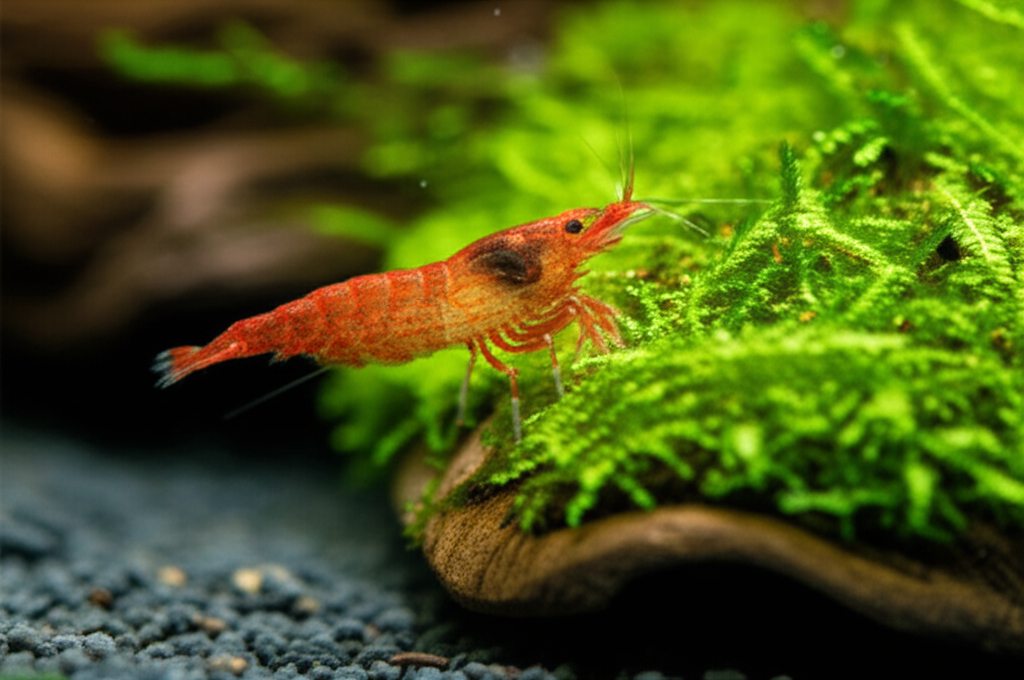
This is the most fundamental and effective way to reduce nitrate levels.
Frequency: For shrimp tanks, it’s often recommended to do smaller, more frequent water changes rather than large, infrequent ones. Aim for 10-20% weekly.
Water Source: Always use dechlorinated water. Tap water contains chlorine and chloramines, which are toxic to shrimp. Use a reliable dechlorinator like Seachem Prime. You can find more information on proper water changes from resources like the Aquarium Science website.
Temperature Matching: Try to match the temperature of the new water to your tank water to avoid shocking your shrimp.
2. Live Plants
Aquatic plants are nature’s nitrate filters! They absorb nitrates as a nutrient source for growth.
Benefits: Plants not only help keep nitrates low but also provide hiding places, improve water oxygenation, and create a more natural, aesthetically pleasing environment for your shrimp.
Good Plant Choices for Shrimp Tanks:
Easy & Fast Growers: Hornwort, Anacharis, Water Wisteria, Java Fern, Anubias, Marimo Moss Balls.
Low-Light Options: Cryptocoryne species, Java Moss.
Floating Plants: Duckweed, Frogbit, Red Root Floaters (these are excellent nitrate absorbers).
Plant Load: The more plants you have, the more nitrates they can consume. Aim for a good amount of plant coverage.
Here’s a quick look at how plants help:
| Plant Type | Nitrate Absorption | Other Benefits |
| :—————- | :—————– | :———————————————– |
| Fast Growers | High | Oxygenation, nutrient uptake, good for beginners |
| Slow Growers | Moderate | Low maintenance, good for aquascaping |
| Floating Plants | Very High | Surface coverage, nutrient sponges, shade |
3. Avoid Overfeeding
Uneaten food and decaying organic matter are primary sources of ammonia, which eventually leads to nitrates.
Feed Sparingly: Feed your shrimp only what they can consume within a few minutes, once a day or even every other day.
Remove Uneaten Food: If you notice uneaten food after an hour or two, remove it with a pipette or net.
Quality Food: Use high-quality shrimp-specific foods. These are often formulated to be highly digestible, producing less waste.
4. Proper Stocking Levels
Overcrowding any aquarium can lead to excess waste and difficulty maintaining water quality.
Shrimp Density: While shrimp don’t produce as much waste as fish, overcrowding can still strain your filtration and lead to rising nitrates.
Start Slow: Begin with a lower number of shrimp and allow the population to grow naturally if conditions are good.
5. Efficient Filtration
While shrimp tanks often use simple sponge filters, ensuring your filtration is adequate is important.
Sponge Filters: These are excellent for shrimp tanks. They provide biological filtration (housing beneficial bacteria) and mechanical filtration (trapping debris) without creating strong currents that could harm tiny shrimp.
Filter Media: Ensure your filter media is kept clean but not too clean. You want to preserve the beneficial bacteria colony. Rinse filter sponges in old tank water during water changes, not tap water.
6. Substrate Choice
The type of substrate you use can indirectly affect nitrate levels.
Inert Substrates: Sand or fine gravel are generally good choices. They are easy to clean and don’t break down.
Active Substrates: Some planted tank substrates can release nutrients and may affect water parameters if not managed carefully. For beginner shrimp keepers, inert substrates are often simpler.
7. Biological Filtration Boosters
While not a replacement for good practices, some products can help your biological filtration.
Beneficial Bacteria Starters: Products containing live or dormant beneficial bacteria can help establish or re-establish your nitrogen cycle, especially after a tank crash or when starting a new tank. Follow product instructions carefully.
Troubleshooting High Nitrates
If you test your water and find nitrates are higher than you’d like, don’t panic! Here’s how to address it:
1. Immediate Water Change: Perform a 20-30% water change with dechlorinated water.
2. Review Feeding Habits: Are you overfeeding? Cut back immediately.
3. Check Plants: Do you have enough live plants? Consider adding more.
4. Increase Water Change Frequency: Temporarily increase the frequency or volume of your water changes to bring levels down.
5. Test Ammonia and Nitrite: If nitrates are high, it’s also worth testing for ammonia and nitrite, as a breakdown in the nitrogen cycle could be the root cause.
Nitrates vs. Other Water Parameters for Shrimp
It’s helpful to know how nitrates compare to other water parameters that are critical for shrimp health.
| Parameter | Why it’s Important for Shrimp | Ideal Range for Most Dwarf Shrimp | How to Manage |
| :——– | :—————————- | :——————————– | :——————————————————————————— |
| Ammonia | Highly toxic; damages gills, interferes with oxygen uptake. | 0 ppm | Proper filtration, avoid overfeeding, regular water changes, don’t overcrowd. |
| Nitrite | Highly toxic; similar effects to ammonia. | 0 ppm | Proper filtration, avoid overfeeding, regular water changes, don’t overcrowd. |
| Nitrate | Less toxic, but high levels stress shrimp, affect molting/reproduction. | < 20 ppm, ideally < 10 ppm | Live plants, regular water changes, avoid overfeeding, don't overcrowd. |
| pH | Affects shrimp health and molting. | 6.0 – 7.5 (varies by species) | Use appropriate substrate, monitor water source, avoid drastic fluctuations. |
| GH | Essential for exoskeleton formation and molting. | 6-8 dGH (varies by species) | Use mineral additives (e.g., Salty Shrimp GH/KH+), use remineralized RO water. |
| KH | Buffers pH, provides carbonate for growth. | 2-6 dKH (varies by species) | Use appropriate substrate, mineral additives, monitor water source. |
Note: Specific parameters can vary depending on the shrimp species (e.g., Neocaridina vs. Caridina).*
Frequently Asked Questions About Nitrates and Shrimp
Here are some common questions beginners have about nitrates in their shrimp tanks:
Q1: Can shrimp die from nitrates?
While nitrates themselves are not acutely lethal at the levels typically found in well-maintained tanks, very high concentrations over a prolonged period can stress shrimp, weaken their immune systems, and make them more susceptible to diseases, potentially leading to death. It’s the chronic stress and weakened health that can be fatal, rather than an immediate poisoning.
Q2: How quickly do nitrates build up?
Nitrates build up gradually as part of the nitrogen cycle. They accumulate when the rate of waste production (from shrimp, food, plants) exceeds the rate at which nitrates are removed (by plants) or diluted (by water changes). In a cycled tank with plants and no overfeeding, nitrate buildup should be very slow.
Q3: Is it normal for my shrimp tank to have 0 nitrates?
Yes, it’s perfectly normal, and even ideal, for a heavily planted or well-managed shrimp tank to have 0 ppm nitrates. This indicates that your plants are effectively utilizing the nitrates as fast as they are produced, or your water changes are keeping them extremely low.
Q4: What’s the difference between nitrates and nitrites for shrimp?
Nitrites are extremely toxic to shrimp and must be 0 ppm in a cycled tank. Nitrates are the end product of the cycle and are much less toxic, but still need to be kept low (ideally under 10-20 ppm) as high levels can cause chronic stress and health issues. Think of nitrites as a dangerous poison, and nitrates as a less harmful substance that can still cause problems if there’s too much.
Q5: Should I use RO water or tap water for my shrimp tank?
Many shrimp keepers, especially those with sensitive Caridina species, prefer using remineralized Reverse Osmosis (RO) water. RO water removes impurities from tap water, giving you a clean slate to add the specific minerals (GH and KH) your shrimp need. Tap water can vary greatly in its mineral content and can sometimes contain harmful additives. If using tap water, always dechlorinate it and test its GH and KH levels.
Q6: My nitrate test is always 0. Is that a problem?
No, a consistent 0 ppm reading for nitrates is generally a very good sign! It means your biological filtration and/or live plants are efficiently processing the waste in your tank. It indicates a healthy, balanced ecosystem.
Q7: How do I remove nitrates if my plants aren’t enough?
If your plants aren’t keeping up with nitrate production, the most effective method is regular water changes. Aim for 10-20% weekly. You can also consider adding more fast-growing plants or floating plants, as they are excellent nitrate consumers. Ensure you aren’t overfeeding, as this is a common cause of excess nitrates.
Conclusion: A Healthy Tank is a Low-Nitrate Tank
Keeping nitrates low in your shrimp tank is all about understanding the nitrogen cycle and implementing consistent, simple practices. You’ve learned that while nitrates aren’t acutely toxic like ammonia or nitrite, they are still a critical parameter for the long-term health, vitality, and breeding success of your delicate shrimp.
By regularly testing your water, performing consistent water changes with dechlorinated water, feeding appropriately, and embracing the power of live aquarium plants, you are well on your way to creating a thriving environment. Remember, shrimp keeping is a journey of observation and adjustment. Don’t get discouraged by numbers on a test kit. Instead, use them as a guide to make small, positive changes.
With the knowledge you’ve gained, you can feel confident and empowered to provide the best possible care for your shrimp. Enjoy watching your shrimp explore their clean, healthy home – it’s one of the most rewarding aspects of this hobby!