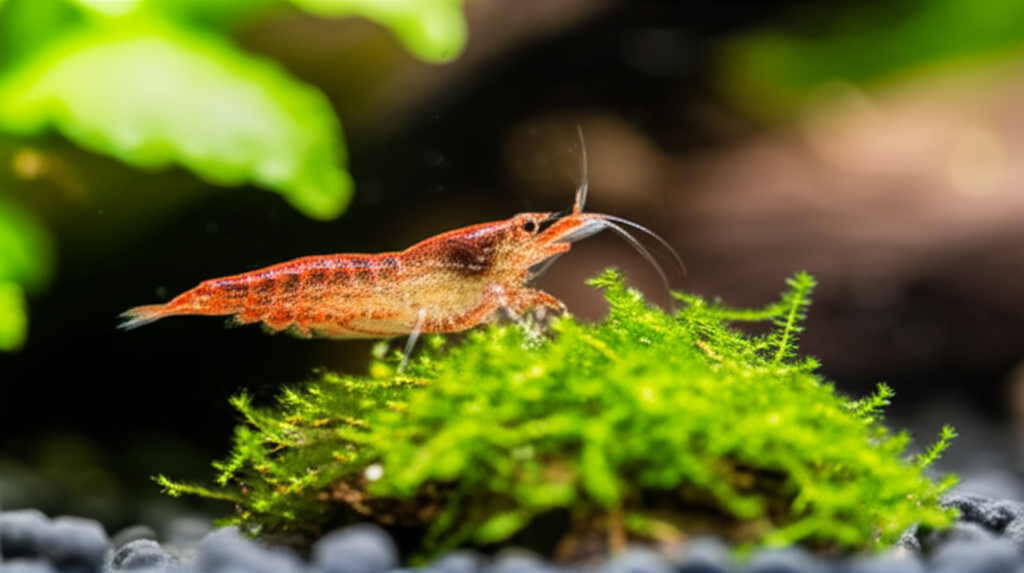

Detritus worms are generally not bad for shrimp and can even be beneficial as a food source. They are a natural part of a healthy aquarium ecosystem. However, a sudden population boom can indicate overfeeding or excess waste, which is detrimental to shrimp health. This guide helps you understand detritus worms and manage their presence for happy, healthy shrimp.
Seeing tiny white worms wriggling in your shrimp tank can be alarming, especially when you’re new to the hobby. You might wonder, “Are these unwelcome guests harming my delicate shrimp?” It’s a common concern, and one that can cause a lot of worry for new shrimp keepers. The good news is, in most cases, detritus worms are not the scary invaders they appear to be. They are actually a sign of a living, functioning aquarium! Let’s dive into what detritus worms are, why they appear, and how to manage them so you can feel confident and calm about your shrimp’s environment. We’ll break down everything you need to know to keep your shrimp thriving, no matter what’s happening in the substrate.
Understanding Detritus Worms in Your Shrimp Tank
Detritus worms are a common sight in many aquarium setups, particularly in tanks with live plants and substrate. These small, often white or translucent worms are typically found burrowing in the substrate or swimming near the water surface when disturbed. They are a natural part of the aquatic ecosystem, playing a role in decomposition.
The term “detritus worm” is actually a broad category that can include various types of small, free-swimming or substrate-dwelling worms like nematodes and oligochaetes. These worms thrive in environments rich in organic matter, which is why they often appear in well-established tanks or those where food is plentiful.
For shrimp keepers, the presence of these worms often sparks questions about water quality and potential harm to their prized crustaceans. It’s important to remember that a small population is usually a sign of a healthy, balanced aquarium, but a sudden explosion in numbers can signal an imbalance.
Are Detritus Worms Harmful to Shrimp?
In short, no, detritus worms themselves are not directly harmful to healthy adult shrimp. They do not parasitize shrimp or actively prey on them. In fact, for many types of shrimp, especially smaller species like Neocaridina (cherry shrimp), these tiny worms can be a supplemental food source. Shrimp are opportunistic scavengers, and they will readily consume detritus worms if they encounter them.
The real issue isn’t the worms themselves, but what their proliferation might indicate about your tank’s conditions. A massive increase in detritus worms typically means there’s an abundance of organic waste or uneaten food in the aquarium. This excess organic matter can lead to:
- Poor Water Quality: As organic waste decomposes, it consumes dissolved oxygen in the water, which can stress or even suffocate your shrimp.
- Ammonia and Nitrite Spikes: While detritus worms themselves don’t produce harmful levels of ammonia, the underlying cause of their population boom (excess food/waste) can lead to spikes in toxic ammonia and nitrite if the aquarium’s biological filter is overwhelmed.
- Bacterial Blooms: An excess of organic nutrients can fuel bacterial blooms, which further degrade water quality.
So, while the worms aren’t the direct threat, the conditions that cause them to flourish can be dangerous for your shrimp. It’s like seeing a lot of flies around; the flies aren’t the problem, but they might indicate that there’s spoiled food nearby, which is a problem.
Why Do Detritus Worms Appear in Shrimp Tanks?
Detritus worms are a natural part of the aquarium ecosystem, but their population can boom under specific conditions. Understanding these triggers is key to managing them:
1. Overfeeding
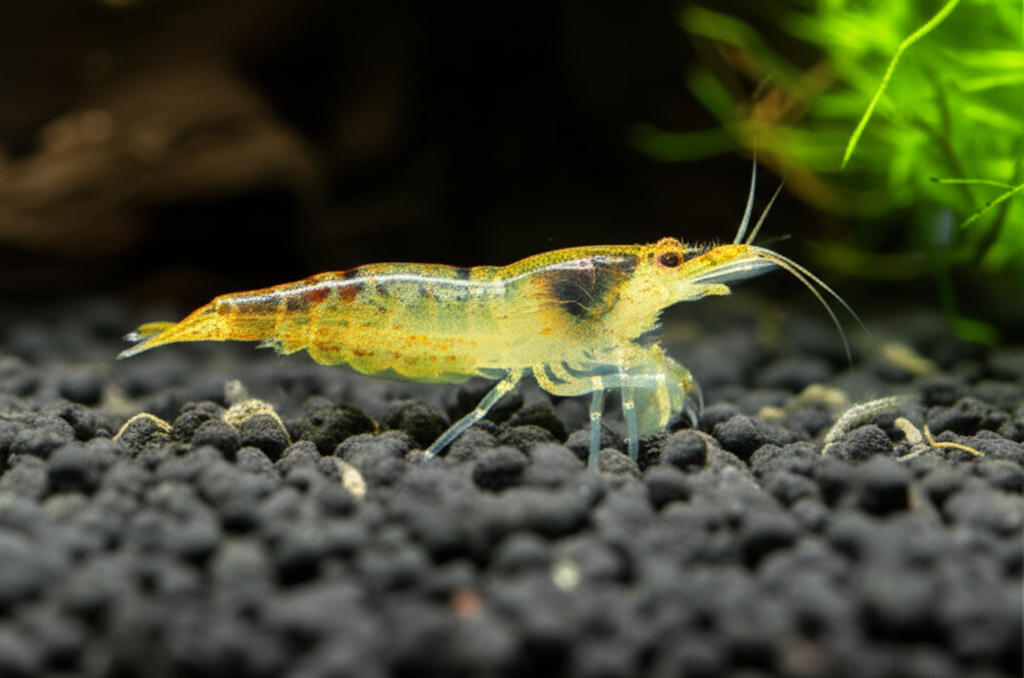
This is the most common reason for a detritus worm population explosion. When you feed your shrimp more than they can consume in a short period, the uneaten food settles into the substrate and begins to decompose. This creates a buffet for detritus worms.
- Observation: Look for leftover food pellets or flakes in the tank after a feeding period.
- Impact: Excess food not only feeds the worms but also breaks down into ammonia, a highly toxic substance for shrimp.
2. Excess Organic Waste
Even without overfeeding, a buildup of organic waste can provide ample food for detritus worms. This can happen due to:
- Dead Plant Matter: Dying leaves or decaying plant material in the substrate or water column.
- Uneaten Sinking Foods: Foods that quickly sink to the bottom and aren’t consumed by shrimp or other inhabitants.
- Fish Waste (if applicable): If you have other tank mates, their waste can contribute to the organic load.
3. New Tank Syndrome (Early Stages)
In newly set-up aquariums, the biological filtration (beneficial bacteria) is still establishing itself. Before the bacteria can process all the waste, detritus worms might appear as part of the decomposition process.
4. Substrate Disturbances
Sometimes, disturbing the substrate (e.g., during planting or rearranging) can release trapped organic matter, providing a sudden food source for existing worm populations, causing them to become more visible.
5. Live Plants
While live plants are generally excellent for shrimp tanks, decaying leaves or roots can contribute to the organic matter that detritus worms feed on. This is a normal part of the plant lifecycle.
Identifying Detritus Worms
Detritus worms are typically small, slender, and white or translucent. They can vary in length from a few millimeters to about a centimeter. You’ll most commonly see them:
- In the Substrate: Burrowing just beneath the surface of your sand or gravel.
- On Surfaces: Occasionally crawling on glass or decorations.
- In the Water Column: If disturbed, they might swim erratically near the surface or mid-water.
They are often mistaken for other small aquatic organisms. However, their characteristic thin, worm-like shape and tendency to stay near organic matter help identify them.
Are Detritus Worms Beneficial for Shrimp?
Yes, in moderation, detritus worms can offer some benefits to your shrimp tank:
- Natural Food Source: Shrimp are omnivores and scavengers. They will happily consume detritus worms, adding a natural protein boost to their diet. This is particularly true for smaller shrimp species that may not always get enough commercial food.
- Waste Consumers: Detritus worms are detritivores, meaning they feed on decaying organic matter. By consuming this waste, they help break it down, contributing to the nutrient cycle within the aquarium.
- Indicator of a Healthy Ecosystem: The presence of detritus worms, along with other microfauna like copepods or scuds, can indicate a balanced ecosystem with sufficient food sources and a functioning biological cycle. A completely sterile tank is often not the healthiest environment.
Think of them as tiny, living cleanup crew members. However, like any cleanup crew, if their numbers become overwhelming, it suggests there’s too much “mess” for them to handle efficiently, or that the “mess” itself is accumulating too quickly.
When Should You Be Concerned About Detritus Worms?
The primary concern with detritus worms arises when their population becomes very large, visible, and widespread. This is your signal that something in the tank’s ecosystem is out of balance. Key signs of concern include:
- Massive Population Growth: If you see hundreds or thousands of worms, especially swimming freely in the water column or coating surfaces.
- Shrimp Showing Stress: If your shrimp appear lethargic, are gasping at the surface, or are hiding more than usual. This could indicate low oxygen levels or poor water quality due to the underlying cause of the worm boom.
- Cloudy Water or Algae Blooms: These can be secondary effects of excess organic waste and nutrient imbalance.
- Constant Presence of Uneaten Food: If you consistently find food left over after a feeding, it’s a clear sign of overfeeding.
It’s important to differentiate between a few worms in the substrate and a true infestation. A few are normal; a swarm is a warning sign.
How to Manage Detritus Worms (Beginner-Friendly Steps)
Managing detritus worms is less about eradicating them and more about addressing the underlying causes of their population boom. Here’s a step-by-step approach:
Step 1: Assess Your Feeding Habits
This is the most critical step. Overfeeding is the leading cause of detritus worm proliferation.
- Observe Your Shrimp: Feed only what your shrimp can consume within 15-30 minutes. Remove any uneaten food after this period.
- Reduce Feeding Frequency/Amount: If you’re feeding daily, try feeding every other day, or feed smaller portions.
- Variety is Key: Offer a varied diet of high-quality shrimp foods, blanched vegetables (like spinach or zucchini), and occasional protein sources.
Step 2: Improve Substrate Maintenance
A clean substrate is crucial. Detritus worms thrive in decaying organic matter trapped within.
- Gentle Vacuuming: Use a gravel vacuum or airline tubing to gently siphon out debris from the top layer of your substrate. Be careful not to disturb the substrate too much, as this can release harmful compounds. For sand, just hover the siphon over the surface.
- Targeted Cleaning: Focus on areas where food or debris tends to accumulate.
- Frequency: Perform gentle substrate cleaning during your regular water changes.
Tool Recommendation: A small aquarium gravel cleaner designed for smaller tanks or a simple aquarium airline tubing with a siphon starter can work wonders. Always ensure the suction is not too strong for your shrimp.
Step 3: Clean Up Dead Plant Matter
Remove any decaying leaves or dying plant parts promptly.
- Prune Regularly: Trim away yellowing or decaying leaves from your live plants.
- Remove Debris: Use a net or tweezers to remove any fallen leaves or plant matter that settles in the substrate.
Step 4: Adjust Water Change Schedule
Regular water changes help remove dissolved organic compounds and maintain water quality.
- Consistency: Aim for weekly water changes of 10-20%.
- Water Parameter Testing: Regularly test your water for ammonia, nitrite, and nitrate. High levels of ammonia or nitrite are dangerous for shrimp. You can find reliable test kits from brands like API or Seachem.
Step 5: Consider Introducing Natural Predators (Use with Caution)
While not always necessary, some small, shrimp-safe fish or invertebrates can help control populations of tiny worms and other microfauna.
- Small, Peaceful Fish: Tiny fish like Endler’s livebearers (males only, to avoid fry) or small nano fish might nibble on worms. However, ensure they are compatible with your shrimp and won’t pose a threat.
- Larger Shrimp Species: Amano shrimp are known to be excellent scavengers and might help keep the tank cleaner.
Caution: Always research compatibility thoroughly before adding any new inhabitants. The primary goal is to manage the worms by fixing the environment, not by introducing potential predators that could harm your shrimp.
Step 6: Improve Water Flow and Aeration
Good water circulation helps prevent detritus from settling in stagnant areas and improves oxygen levels.
- Filter Output: Ensure your filter output is creating gentle surface agitation.
- Air Stone: Consider adding a small air stone, especially in warmer months, to boost oxygen levels.
Step 7: Patience and Observation
Once you implement these changes, give your aquarium time to stabilize. Monitor your shrimp and water parameters closely. The detritus worm population should naturally decrease as the organic waste levels drop.
Natural Ways to Reduce Detritus Worms
Instead of harsh chemicals, focus on restoring balance:
- Enrich Your Diet: Feed high-quality, specialized shrimp foods that are less likely to leave residue.
- Supplement with Live Foods: Introduce live foods like microworms or baby brine shrimp for your shrimp to hunt. This can also help divert their attention from detritus worms.
- Introduce Beneficial Bacteria: If you suspect a weak biological filter, consider using a reputable liquid bacteria supplement like Seachem Stability or API Quick Start.
- Manual Removal: For very visible worms on glass or decorations, you can gently siphon them out with a small tube or net during water changes.
What NOT to Do When Dealing with Detritus Worms
It’s crucial to avoid common mistakes that can harm your shrimp:
- Do NOT use chemical wormers or pesticides. These products are often toxic to shrimp and can disrupt the delicate aquarium ecosystem.
- Do NOT perform massive water changes (e.g., 50-100%) unless there is an emergency like ammonia poisoning. Drastic changes can stress your shrimp and shock their system.
- Do NOT over-clean your filter media. Beneficial bacteria live on your filter media. Rinse it gently in used tank water, never tap water, during water changes.
- Do NOT remove all substrate. Your substrate is a crucial part of your aquarium’s biological filtration.
Detritus Worms vs. Planaria: What’s the Difference?
It’s important to distinguish detritus worms from planaria, another common small white worm found in aquariums. While both are generally harmless, planaria can sometimes be a nuisance and, in rare cases, can pose a slight risk to very young shrimp or baby fish.
Here’s a quick comparison:
| Feature | Detritus Worms (Nematodes/Oligochaetes) | Planaria |
|---|---|---|
| Shape | Long, slender, thread-like | Triangular or spade-shaped head with two visible eyespots; body tapers |
| Movement | Wriggling, often burrowing | Gliding, creeping motion; can anchor and move |
| Size | A few millimeters to 1 cm | Can be slightly larger, up to 1-2 cm |
| Habitat | Substrate, surfaces, water column | Substrate, surfaces, glass | Detritus, decaying organic matter | Detritus, microorganisms, small invertebrates, sometimes eggs or very small/weak shrimp |
| Reproduction | Sexual reproduction, sometimes parthenogenesis | Can reproduce sexually and asexually (fragmentation) |
| Concern Level | Low (population boom indicates overfeeding) | Low to Moderate (can indicate similar issues; rare risk to fry/weak shrimp) |
If you suspect you have planaria, the management strategies are similar: reduce food sources and maintain excellent water quality. For severe planaria infestations, specialized traps or treatments might be considered, but these should be approached with extreme caution in a shrimp tank.
Long-Term Strategies for a Healthy Shrimp Tank
Preventing detritus worm booms is all about consistent, good aquarium husbandry:
- Consistent Feeding Schedule: Feed small amounts, only what your shrimp can eat.
- Regular Water Changes: Maintain pristine water parameters.
- Substrate Maintenance: Keep the substrate clean of excess debris.
- Live Plant Care: Ensure your plants are healthy and prune as needed.
- Avoid Overstocking: Too many inhabitants can quickly overwhelm the biological filter.
- Monitor Water Parameters: Regularly test for ammonia, nitrite, and nitrate. A stable nitrogen cycle is paramount for shrimp health. You can learn more about the nitrogen cycle from resources like the National Agricultural Library, which often has resources on aquaculture and aquatic ecosystems.
By focusing on these core principles, you create an environment where detritus worms are kept in check naturally, and your shrimp can thrive.
Frequently Asked Questions About Detritus Worms and Shrimp
Q1: Are detritus worms dangerous to my shrimp?
A1: No, detritus worms themselves are not directly dangerous to healthy adult shrimp. Shrimp often eat them as a food source. The concern arises if their population explodes, which signals an excess of organic waste, potentially leading to poor water quality.
Q2: I see tiny white worms on my shrimp. Are they detritus worms?
A2: It’s possible, but it’s important to observe closely. If they are moving independently on the shrimp’s body, it might be something else like a type of leech or parasite, though this is very rare in shrimp tanks. If they are just near the shrimp or on surfaces, they are likely detritus worms feeding on biofilm or uneaten food.
Q3: How can I get rid of detritus worms completely?
A3: It’s not recommended or usually necessary to eliminate them completely. The best approach is to manage their population by addressing the underlying cause: overfeeding and excess organic waste. Reducing these factors will naturally decrease their numbers.
Q4: My shrimp tank has a lot of detritus worms. Should I do a big water change?
A4: A very large water change (50%+) should only be done in emergencies like ammonia spikes. For a detritus worm issue, focus on smaller, regular water changes (10-20% weekly) combined with reducing feeding and cleaning the substrate. This approach is much safer for your shrimp.
Q5: Can fish eat detritus worms?
A5: Yes, many small, peaceful fish species will eat detritus worms. However, introducing fish solely for worm control is not advised unless they are already compatible tank mates. Ensure any fish you consider are shrimp-safe and won’t stress your shrimp.
Q6: Is it normal to see a few worms in my shrimp tank substrate?
A6: Absolutely! Seeing a few detritus worms in the substrate is a sign of a healthy, living aquarium ecosystem. They are part of the natural decomposition process and a food source for your shrimp.
Q7: What should I feed my shrimp to prevent overfeeding?
A7: Feed only what your shrimp can consume within 15-30 minutes. Observe them closely. If food is left over, reduce the amount. A varied diet of specialized shrimp foods, blanched vegetables, and occasional protein sources is ideal.
Conclusion
Encountering detritus worms in your shrimp tank can initially feel unsettling, but as we’ve explored, they are a natural and often beneficial part of a thriving aquatic environment. They are not inherently bad for your shrimp; in fact, your shrimp will likely see them as a tasty snack! The key takeaway is to view a surge in detritus worm numbers not as a problem with the worms themselves, but as a clear signal from your aquarium that the ecosystem is out of balance, most commonly due to overfeeding or an excess of organic waste.
By adopting a proactive approach – focusing on consistent, appropriate feeding, regular substrate maintenance, and timely removal of decaying matter – you can easily manage detritus worm populations. Remember to always prioritize gentle husbandry practices that support the delicate nature of your shrimp. With a little observation and consistent care, you can ensure your shrimp tank remains a healthy, stable, and beautiful habitat for your beloved crustaceans. Keep up the great work, and enjoy the fascinating world of shrimp keeping!