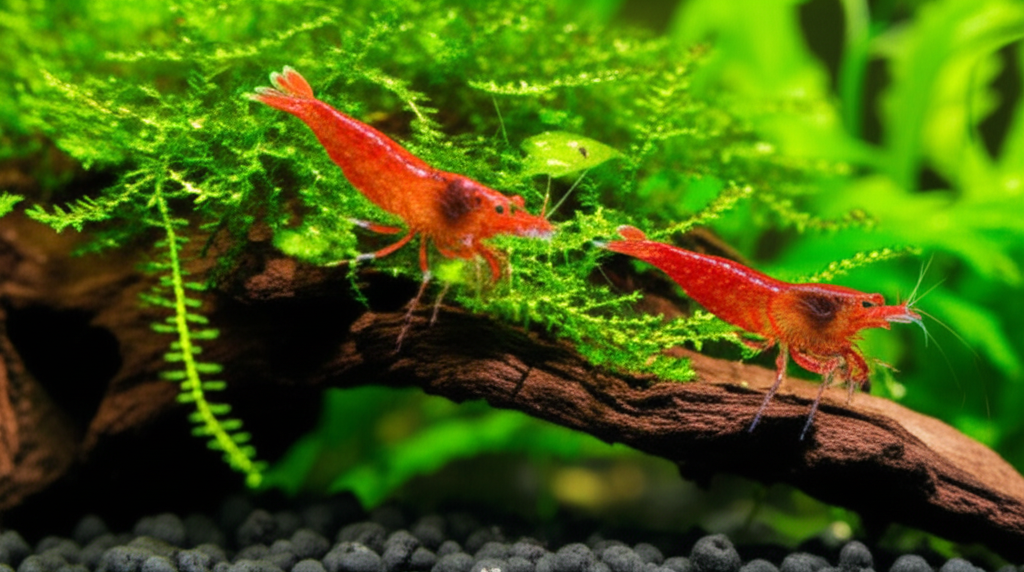

Are copepods bad for shrimp? No, copepods are generally not bad for shrimp. In fact, they can be beneficial by serving as a natural food source and contributing to a healthier aquarium ecosystem. Concerns often arise from misidentification or specific situations, which this guide will clarify.
Welcome, fellow shrimp keepers! Are you gazing into your crystal-clear shrimp tank and spotting tiny, swimming specks? If you’re new to the hobby, you might be wondering what these little critters are and, more importantly, if they pose a threat to your beloved dwarf shrimp. It’s a common question, and one that can cause a bit of worry when you’re trying to create the perfect environment for your delicate aquatic friends. But don’t fret! Today, we’re going to dive deep into the world of copepods and help you understand if they’re friend or foe to your shrimp. We’ll break down what they are, why they appear, and how they can actually be a positive addition to your aquarium. Get ready to feel confident and informed about these tiny tank inhabitants!
Understanding Copepods: Tiny Wonders of Your Aquarium
So, what exactly are these minuscule swimmers? Copepods are a type of small crustacean, often just a millimeter or two in length. They are incredibly diverse and found in almost every aquatic environment on Earth, from the vast oceans to the smallest freshwater ponds and, yes, your aquarium! Think of them as the microscopic movers and shakers of your tank’s ecosystem.
In the wild, copepods are a fundamental part of the food web. They feed on algae and bacteria, and in turn, are a vital food source for larger organisms, including fish, plankton, and even some invertebrates. In your shrimp tank, they often appear as tiny, comma-shaped or oval-shaped specks that dart around erratically. You might see them swimming freely in the water column or crawling on surfaces like plants, substrate, and aquarium glass.
Their presence is usually a good sign. It indicates that your aquarium has a healthy, established biological filter and a food source available for them to thrive. They are a natural indicator of a balanced aquatic environment.
Why Do Copepods Appear in Shrimp Tanks?
The appearance of copepods in your shrimp tank is usually a natural occurrence. They don’t just magically appear; they are typically introduced in a few common ways:
- Live Plants: This is one of the most frequent ways copepods enter an aquarium. When you add new live aquarium plants, especially those sourced from ponds, rivers, or even other aquariums, they can bring along microscopic hitchhikers like copepod eggs or adults.
- New Additions: Sometimes, if you add new fish, snails, or even other shrimp from an established tank, they can carry copepods with them.
- New Substrate or Decorations: While less common, if you introduce new substrate or decorations that haven’t been properly cleaned or sterilized, they could potentially harbor copepod eggs.
- Natural Biofilm: A healthy aquarium develops a natural biofilm – a slimy layer of bacteria, algae, and organic matter on surfaces. Copepods feed on this biofilm, so their presence is a direct result of a healthy food source.
Think of it like this: your aquarium is a miniature ecosystem, and copepods are a natural part of that ecosystem’s biodiversity. Their arrival is often a testament to a thriving environment, not a sign of something going wrong.
Are Copepods Harmful to Shrimp?
This is the million-dollar question, and the answer is a resounding no, for the most part. Copepods are not inherently harmful to your shrimp. In fact, they can be quite beneficial. However, like many things in the aquarium hobby, there are nuances to consider.
Copepods as a Food Source
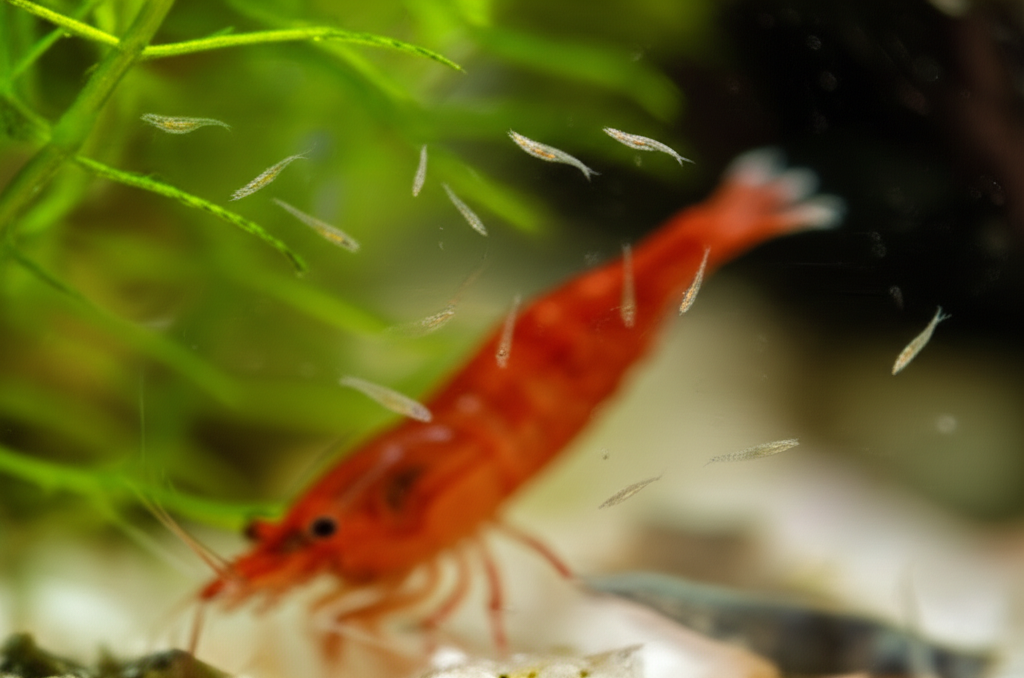
For many species of dwarf shrimp, especially newly hatched shrimplets, copepods are an excellent natural food source. Shrimp, like Cherry Shrimp (Neocaridina davidi) and Crystal Red Shrimp (Caridina cantonensis), will actively hunt and consume copepods. This provides them with essential protein and nutrients, contributing to their growth and survival. Imagine your shrimp tank as a natural buffet, with copepods as tiny, free-floating snacks!
This natural predation can be particularly helpful in tanks with many shrimplets, as it supplements their diet without you having to worry about overfeeding powdered foods or baby brine shrimp. It’s a sustainable and natural way to ensure your young shrimp get the nutrition they need.
Potential for Overpopulation
The main concern people have regarding copepods is their potential to overpopulate. If conditions are perfect – abundant food (algae, biofilm) and no natural predators – copepods can multiply rapidly. While a large number of copepods isn’t directly harmful, a massive bloom can sometimes be visually unappealing to some aquarists.
However, even in cases of overpopulation, they don’t actively harm the shrimp. The issue is more about aesthetics and the fact that a copepod bloom often signifies an imbalance in the tank’s nutrient levels, usually an excess of organic waste or available food.
Misidentification: The Real Culprits?
Sometimes, people mistake other undesirable organisms for copepods. For example, certain types of free-swimming algae or even hydra can be confused with copepods. Hydra, in particular, can be problematic as their stinging tentacles can harm small fish fry or even very young shrimplets if their numbers become overwhelming. It’s crucial to correctly identify what you’re seeing.
If you are unsure, take a clear close-up photo or video and consult with experienced shrimp keepers or online forums. Proper identification is key to addressing any actual issues in your tank.
Benefits of Copepods in a Shrimp Tank
Beyond just being a natural food source, copepods contribute to a healthier and more dynamic aquarium environment in several ways:
- Natural Algae and Bacteria Control: By consuming algae and bacteria, copepods help to keep surfaces clean and prevent excessive buildup. They are tiny, living janitors!
- Indicator of a Healthy Ecosystem: Their presence signals a functioning biological filter and a balanced food web. A tank without any micro-life might indicate it’s too sterile or lacking essential nutrients.
- Enrichment for Shrimp: The act of hunting copepods provides enrichment for your shrimp, keeping them active and engaged. This natural foraging behavior is essential for their well-being.
- Nutritional Diversity: Especially for shrimplets, copepods offer a varied diet that can be more nutritious than commercial foods alone, promoting better growth and coloration.
Essentially, copepods are a sign that your aquarium is alive and functioning as a complex, interconnected system. They are a natural part of aquatic life that can enhance the health and vitality of your shrimp.
Distinguishing Copepods from Other Tank Inhabitants
It’s important to be able to tell copepods apart from other common, and sometimes problematic, micro-organisms that might appear in your aquarium. Here’s a quick guide:
Copepods vs. Daphnia
Daphnia, also known as water fleas, are larger than copepods and have a distinct jerky, hopping movement. They typically have a visible heart beating inside their translucent bodies and often have a larger, more defined body shape. While daphnia are also beneficial food sources, they are generally much larger than copepods.
Copepods vs. Seed Shrimp (Ostracods)
Seed shrimp, or ostracods, are also tiny crustaceans but tend to have a more oval, capsule-like shape and move with a quicker, more direct swimming motion. They often appear to be “swimming” with their legs, which are usually kept tucked inside their shell-like bodies. They are also harmless and a food source for shrimp.
Copepods vs. Hydra
Hydra are perhaps the most important to distinguish. They are small, predatory invertebrates that attach to surfaces and have tentacles that extend to catch food. They look like tiny, translucent anemones or jellyfish with tentacles. While they can be a food source for some fish, their stinging cells can harm very small shrimplets if they become overpopulated. Hydra typically remain attached to surfaces, whereas copepods are free-swimming.
Here’s a table to help visualize the differences:
| Feature | Copepods | Daphnia | Seed Shrimp (Ostracods) | Hydra |
|---|---|---|---|---|
| Size | 1-2 mm | 2-5 mm | 0.5-2 mm | 1-10 mm (body), tentacles extend further |
| Shape | Oval, comma-shaped, segmented body | Distinct body with a shell, large “antenna” | Bivalve “seed” or capsule-like shell | Tubular body with a mouth and tentacles at one end |
| Movement | Erratic darting, swimming in water column | Jerky, hopping “jumps” | Quick, direct swimming, often with legs visible | Attach to surfaces, extend tentacles, can detach and drift |
| Potential Harm | None | None (beneficial food) | None (beneficial food) | Can sting very small shrimplets if overpopulated |
If you suspect you have hydra, addressing them would be a priority. For copepods, seed shrimp, and daphnia, their presence is usually a positive sign.
When Might Copepods Become a Problem (and What to Do)?
While copepods are generally beneficial, there are a few rare scenarios where their presence might be a symptom of something else, or where their sheer numbers could be perceived as an issue:
1. Extreme Overpopulation (Aesthetic Concerns)
If your tank looks like it’s teeming with millions of copepods, making it difficult to see your shrimp, it’s usually a sign of excess nutrients. This could be due to:
- Overfeeding: Uneaten food breaks down, providing a feast for algae and bacteria, which copepods then consume.
- High Organic Load: Too much waste from fish, decaying plant matter, or infrequent water changes.
- Excessive Algae Growth: Algae blooms provide a massive food source.
What to do:
- Reduce Feeding: Feed your shrimp only what they can consume within a couple of hours, and remove any uneaten food promptly.
- Increase Water Changes: Perform more frequent or larger water changes to remove excess nutrients and organic waste.
- Improve Filtration/Water Flow: Ensure your filter is adequate and that water is circulating well.
- Manual Removal (if desperate): You can try siphoning out a large portion of the water column during a water change, which will remove many copepods. However, this is usually unnecessary and the population will rebound if the underlying cause isn’t addressed.
- Introduce Predators (Carefully): In tanks with larger shrimp or compatible fish (like certain small nano fish that won’t harm shrimp), these tank mates might help control the copepod population naturally. However, be very cautious when adding tank mates to a shrimp-only tank, as they can pose risks to the shrimp themselves.
2. Misidentification Leading to Unnecessary Worry
As mentioned, mistaking hydra or other organisms for copepods can lead to unnecessary stress. Always confirm your identification before taking action.
What to do:
- Observe Carefully: Watch the movement and behavior of the organisms.
- Use Magnification: A magnifying glass or a microscope can be invaluable for accurate identification.
- Seek Advice: Post clear photos or videos on shrimp keeping forums or groups for expert opinions.
3. Impact on Very Young Shrimp (Rare)
In extremely rare cases, if a tank is heavily infested with organisms that look like copepods but are actually something more problematic (like certain types of parasites or harmful microorganisms), it could theoretically stress or harm very vulnerable shrimplets. However, this is highly unlikely with true copepods.
What to do:
- Maintain Pristine Water Parameters: Ensure ammonia, nitrite, and nitrate are at zero or very low levels. Stable temperature and pH are also crucial.
- Good Husbandry: Regular water changes, appropriate feeding, and avoiding overstocking are the best defenses.
Remember, the goal is balance. Copepods are part of that balance. Focus on maintaining excellent water quality and responsible feeding practices, and your shrimp will likely thrive alongside their tiny companions.
How to Encourage Copepods (If You Want Them!)
If you’ve had a tank without copepods and would like to introduce them, or if your existing population has dwindled, you can actively encourage their growth. They are a sign of a healthy, established aquarium, so their presence is often desired by experienced shrimp keepers.
Here are some ways to foster a thriving copepod population:
- Introduce Live Plants: As we’ve discussed, live aquarium plants are a prime source. Consider adding plants like Java Moss, Anubias, or hornwort, which are excellent at harboring micro-organisms.
- Use Established Filter Media: If you’re cycling a new tank, using media from an established, healthy aquarium can seed your new tank with beneficial bacteria and micro-fauna, including copepods.
- Add a “Starter Culture”: You can purchase copepod starter cultures online from aquarium supply stores or fellow hobbyists. These are concentrated populations designed to seed your tank.
- Don’t Over-Clean: Avoid sterilizing everything in your tank. While cleaning is necessary, overly aggressive cleaning that removes all biofilm and micro-life can reduce the food source for copepods. Let some natural biofilm develop on surfaces.
- Feed Sparingly: For shrimp tanks, feeding a varied diet that includes high-quality shrimp foods, and occasional offerings like bacter AE (a bacterial supplement that encourages biofilm growth), can boost the copepod population.
A healthy copepod population is a sign of a robust ecosystem. If you want them, creating an environment rich in biofilm and natural food sources is the best approach.
Natural Predators for Copepods
If you are concerned about copepod numbers, or simply want to introduce a natural way to manage them, consider adding small tank mates that prey on them. However, this must be done with extreme caution, as introducing new species can also introduce risks to your shrimp.
Potential, but cautious, options include:
- Certain Nano Fish: Very small fish like Endler’s Livebearers (males, as females can breed rapidly) or small Rasboras might pick at copepods. However, they can also stress shrimp, especially shrimplets, and may even prey on them directly. Choose species known to be peaceful and small.
- Larger Shrimp Species: Some larger shrimp species might consume copepods, but this is less common as a primary food source.
- Certain Snails: While snails primarily graze on algae and biofilm, they don’t typically prey on copepods.
Important Consideration: Before adding any new inhabitants, research their compatibility with your specific shrimp species. Always ensure your shrimp tank is large enough and that the new additions won’t outcompete or harm your shrimp. For most beginner shrimp keepers, managing copepod numbers through responsible feeding and water changes is a safer approach than introducing predators.
Managing Copepods Without Harsh Chemicals
It’s crucial to avoid using any chemicals or pesticides in a shrimp tank, as these can be highly toxic to shrimp and other invertebrates. If you need to reduce copepod numbers, focus on these safe, natural methods:
- The “Siphon and Refresh” Method: During your regular water changes, use your gravel vacuum or siphon to suck up excess copepods from the substrate and water column. This is the most straightforward and safest method.
- Reduce Nutrient Load: Address the root cause of overpopulation by reducing feeding, improving water flow, and performing regular water changes. This naturally limits the copepod food supply.
- Patience: Often, copepod populations will stabilize on their own once the ecosystem finds its balance.
Remember, the goal isn’t necessarily to eradicate them, but to maintain a healthy balance where they are beneficial without becoming overwhelming.
Frequently Asked Questions About Copepods and Shrimp
Here are some common questions beginner shrimp keepers have about copepods:
Q1: Can copepods harm my shrimp’s eggs?
A1: No, true copepods are not known to harm shrimp eggs. Shrimp eggs are typically attached securely to the mother shrimp’s pleopods (swimming legs) and are well-protected. Copepods might be present in the water column where the mother shrimp swims, but they do not pose a threat to the eggs themselves.
Q2: Should I remove copepods from my tank?
A2: Generally, no. Copepods are beneficial as a natural food source and indicators of a healthy ecosystem. Removing them is usually unnecessary and can deprive your shrimp, especially shrimplets, of a valuable food source. Only consider reduction if they are causing aesthetic issues or if you suspect misidentification of a harmful organism.
Q3: What are those tiny white dots swimming in my tank?
A3: Those tiny white dots are most likely copepods or possibly seed shrimp (ostracods). Both are harmless micro-crustaceans that are a natural part of a healthy aquarium ecosystem and serve as food for your shrimp. Observe their movement; copepods dart, while seed shrimp swim more directly.
Q4: My tank has a lot of copepods. Is something wrong with my water?
A4: A large population of copepods usually indicates an abundance of food, such as algae or biofilm, in your tank. While not directly harmful, it can suggest that your nutrient levels might be a bit high. Check your feeding habits, water change schedule, and look for any signs of excess waste. Addressing these can help stabilize the population.
Q5: Can I buy copepods to feed my shrimp?
A5: Yes, you can purchase live copepod starter cultures from many online aquarium suppliers. These are specifically bred to be introduced into aquariums as a live food source for fish fry, invertebrates like shrimp, and corals. It’s a great way to boost the natural diet in your tank.
Q6: What’s the difference between copepods and hydra?
A6: Copepods are free-swimming, tiny crustaceans that dart around. Hydra are small, sedentary polyps that attach to surfaces (like plants or glass) and have tentacles. Hydra can sting and potentially harm very small shrimplets if their population booms, whereas copepods are harmless food. Identifying them correctly is important.
Conclusion: Embrace the Tiny Life in Your Shrimp Tank
As we’ve explored, copepods are far from being bad for your shrimp. They are tiny, natural wonders that play a valuable role in your aquarium’s ecosystem. Their presence is a positive sign, indicating a healthy and balanced environment. They provide a crucial food source for your shrimp, especially the young ones, and contribute to the overall vitality of your aquatic world.
Instead of worrying about these minuscule inhabitants, try to see them as a sign of success in your shrimp-keeping journey. Embrace the natural processes at play in your tank. By maintaining good husbandry practices – responsible feeding, regular water changes, and keeping a close eye on water parameters – you ensure that copepods remain a beneficial part of your shrimp’s home. Should their numbers become overwhelming, gentle, natural methods are always the best approach.
So, the next time you see those little specks darting about, give a nod of appreciation. They are a testament to the thriving life you’ve cultivated. Happy shrimp keeping!