
Are farm-raised shrimp bad? Not necessarily! This guide helps you understand the differences between farm-raised and wild-caught shrimp, focusing on what matters for your health and the environment. We’ll break down farming practices, potential concerns, and how to make informed choices for delicious and sustainable seafood.
Welcome, fellow shrimp enthusiasts! Have you ever stood in the seafood aisle, staring at shrimp and wondering about their origins? It’s a common question, especially when you see labels like “farm-raised” or “wild-caught.” Many people worry if farm-raised shrimp are “bad” for us or the planet. It can feel overwhelming with all the different options and opinions out there. But don’t worry, I’m here to help clear the waters! We’ll dive into what farm-raised shrimp really means, explore the common concerns, and discover how you can confidently choose shrimp that are good for you and the environment. Get ready to become a shrimp-savvy shopper!
Understanding Shrimp Farming: What It Is and Why It Matters
Shrimp farming, also known as aquaculture, is a way of raising shrimp in controlled environments. Think of it like a farm for fish, but for shrimp! This method has become incredibly popular because it helps meet the growing global demand for shrimp. Without it, we wouldn’t have nearly as much shrimp available to enjoy.
The goal of shrimp farming is to produce shrimp efficiently. This means creating the best possible conditions for them to grow, from the water quality to their food. Different farms have different ways of doing things, and that’s where some of the concerns can pop up. But when done right, shrimp farming can be a responsible way to get your favorite seafood.
Why is understanding this important for us as consumers? Because the way shrimp are raised directly impacts their quality, their nutritional value, and the environment. By knowing the basics, we can make smarter choices about the shrimp we bring home to our families.
Common Concerns About Farm-Raised Shrimp
Let’s address the elephant in the room: what are the common worries people have about farm-raised shrimp? It’s good to be informed, so let’s look at these points with a clear, curious mind.
Antibiotics and Chemicals
One of the biggest concerns is the potential use of antibiotics and other chemicals in shrimp farms. In the past, some farms, especially in areas with less strict regulations, have used antibiotics to prevent and treat diseases in crowded conditions. This can lead to antibiotic-resistant bacteria, which is a public health concern. There’s also worry about pesticides or other chemicals used to keep the shrimp tanks clean or free from parasites.
However, it’s crucial to know that many reputable farms, particularly those certified by organizations like the Aquaculture Stewardship Council (ASC) or Best Aquaculture Practices (BAP), have strict rules against the overuse of antibiotics. They focus on preventative health measures and use only approved medications when absolutely necessary.
Environmental Impact
Shrimp farming can also have environmental impacts. One concern is the destruction of natural habitats, like mangrove forests, to make way for shrimp ponds. Mangroves are vital ecosystems that protect coastlines and provide homes for many species. When they are cleared, it can harm biodiversity and release stored carbon.
Another environmental issue is the discharge of waste from shrimp farms into surrounding waters. This waste, which can include uneaten food and shrimp excrement, can pollute local waterways, affect water quality, and harm wild marine life. Overcrowded ponds can also lead to a build-up of harmful substances in the water.
Sustainable farming practices aim to minimize these impacts. This includes responsible site selection, better waste management, and reducing the need for chemicals.
Feed and Nutrition
What shrimp eat is also a point of discussion. Farmed shrimp are typically fed pellets made from fish meal, fish oil, plant proteins, and other ingredients. The quality and sustainability of this feed can vary. For instance, if the fish meal used in the feed comes from overfished populations, it can create a ripple effect in marine ecosystems.
Concerns also arise about the nutritional content of farmed shrimp compared to wild-caught. Some studies suggest differences, but generally, both types are good sources of protein, vitamins, and minerals. The specific diet can influence the fatty acid profile, like omega-3s.
Disease and Welfare
Just like any animal raised in close quarters, shrimp can be susceptible to diseases. When diseases spread rapidly in a farm, it can lead to large losses for farmers and raise questions about how these diseases are managed. The welfare of the shrimp themselves is also a consideration for some consumers.
Good farming practices focus on maintaining excellent water quality, appropriate stocking densities (how many shrimp are in a given space), and biosecurity measures to prevent disease outbreaks. This helps ensure healthier shrimp and reduces the need for treatments.
Wild-Caught vs. Farm-Raised: A Comparison
It’s helpful to see how farm-raised and wild-caught shrimp stack up against each other. Both have their own characteristics, and neither is inherently “bad.” It’s more about understanding the nuances.
Here’s a table to help illustrate the differences:
| Feature | Wild-Caught Shrimp | Farm-Raised Shrimp |
|---|---|---|
| Origin | Caught from natural ocean environments. | Raised in controlled ponds, tanks, or enclosures. |
| Environmental Impact | Can contribute to overfishing if not managed sustainably. Bycatch (unwanted species caught) is a concern. | Potential for habitat destruction (e.g., mangroves), water pollution, and disease spread if not managed responsibly. |
| Regulation & Oversight | Subject to fishing quotas and regulations to prevent overfishing. | Varies greatly by country. Certified farms (ASC, BAP) have stricter standards. |
| Antibiotic Use | Generally none used, as they are not treated for diseases. | Can be used, but reputable farms minimize or avoid it. Look for certifications. |
| Feed | Naturally forage for food. | Fed formulated pellets. Sustainability of feed ingredients is a consideration. |
| Price | Often more expensive due to fishing costs and availability. | Generally more affordable and consistent in supply. |
| Taste/Texture | Can vary widely based on species and environment. Often described as having a “sweeter” or “more intense” flavor. | Can also vary, but often described as milder. Texture can be more uniform. |
As you can see, there’s no simple “better” or “worse.” It’s about choosing options that align with your values and priorities.
Making Informed Choices: What to Look For
So, how do you navigate the shrimp section with confidence? Here are some practical tips to help you choose the best shrimp, whether they’re farm-raised or wild-caught.
Look for Certifications
Certifications are your best friends when it comes to verifying responsible practices. These labels mean that independent organizations have audited the farms or fisheries to ensure they meet certain standards for environmental sustainability, social responsibility, and animal welfare.
- Aquaculture Stewardship Council (ASC): The ASC certification is a leading standard for responsible farmed seafood. ASC-certified shrimp farms work to minimize environmental and social impacts. You can learn more about their standards on the ASC website.
- Best Aquaculture Practices (BAP): BAP is another reputable certification program that covers the entire supply chain, from feed mills to farms to processing plants. BAP-certified farms have a strong focus on food safety, environmental responsibility, and social accountability.
- Marine Stewardship Council (MSC): For wild-caught shrimp, the MSC certification indicates that the shrimp come from fisheries that have been independently certified as sustainable. This means they are managed to prevent overfishing and minimize their impact on the marine environment.
When you see these logos on packaging, you can be more assured that the shrimp were produced with care.
Choose Antibiotic-Free
Many farms, especially those in countries with strong regulations or those seeking certifications, actively avoid using antibiotics. Some packaging might even explicitly state “antibiotic-free.” This is a great indicator of good farming practices.
If you’re unsure, looking for those certifications mentioned above is a good way to ensure antibiotic use is minimized or eliminated.
Consider the Origin
The country where the shrimp were farmed or caught can sometimes give you a clue about the regulations and practices in place. Countries like Norway, Canada, and the United States often have stricter environmental and food safety regulations. However, this isn’t always a perfect indicator, as many other countries are also improving their farming standards.
For farm-raised shrimp, countries like Ecuador and Vietnam are major producers, and practices can vary widely. Researching specific farms or brands can be helpful if you’re particularly concerned.
Read the Packaging
Take a moment to read the labels carefully. Besides certifications, look for any other information provided about the farming methods or sourcing. Some brands are very transparent about their practices and are happy to share details.
Know Your Species
Different types of shrimp have different farming or wild-catching histories. For example, Pacific white shrimp (Litopenaeus vannamei) and giant tiger prawns (Penaeus monodon) are the most common farmed species globally. Understanding the typical practices for these species can be beneficial.
Are Farm-Raised Shrimp Healthy?
Let’s talk about nutrition. Are farm-raised shrimp good for you? Absolutely! Shrimp, regardless of whether they are farmed or wild-caught, are a nutritional powerhouse.
Here’s a look at what makes shrimp so healthy:
- Lean Protein: Shrimp are an excellent source of high-quality protein, which is essential for building and repairing tissues, making enzymes, and supporting overall body function.
- Low in Calories and Fat: They are naturally low in calories and fat, making them a great choice for a healthy diet.
- Rich in Vitamins and Minerals: Shrimp are packed with essential nutrients, including:
- Selenium: An important antioxidant that helps protect your cells from damage.
- Vitamin B12: Crucial for nerve function and the formation of DNA and red blood cells.
- Iodine: Necessary for thyroid hormone production, which regulates metabolism.
- Zinc: Important for immune function and cell growth.
- Omega-3 Fatty Acids: While levels can vary, shrimp contain beneficial omega-3 fatty acids, which are good for heart and brain health.
The nutritional profile of shrimp is generally very similar whether they are farmed or wild-caught. While some studies might show minor differences in fatty acid content depending on the shrimp’s diet, both are considered very healthy food choices. So, you can enjoy shrimp knowing you’re getting a good dose of vital nutrients!
Sustainable Shrimp Farming Practices
The good news is that shrimp farming is evolving, and many farms are adopting more sustainable practices. These methods aim to reduce environmental impact, improve water quality, and ensure the health and welfare of the shrimp.
Here are some key sustainable practices you might hear about:
- Integrated Multi-Trophic Aquaculture (IMTA): This system involves raising different species together. For example, shrimp might be farmed alongside seaweed or filter-feeding shellfish. The waste products from one species become food or nutrients for another, creating a more balanced ecosystem and reducing the need for external inputs.
- Recirculating Aquaculture Systems (RAS): RAS involves farming shrimp in tanks where the water is continuously filtered, treated, and reused. This significantly reduces water consumption and minimizes the discharge of waste into the environment.
- Best Management Practices (BMPs): These are guidelines and techniques that farmers implement to improve efficiency and reduce negative impacts. This can include careful site selection to avoid sensitive habitats, managing stocking densities, improving feed conversion ratios (how efficiently shrimp convert feed into growth), and implementing robust biosecurity measures.
- Reducing Chemical Use: Sustainable farms prioritize preventative health measures, such as maintaining excellent water quality and providing a nutritious diet, to minimize the need for antibiotics or other chemicals.
- Responsible Feed Sourcing: This involves using feed ingredients that are sustainably sourced and don’t contribute to overfishing.
These practices are crucial for ensuring that shrimp farming can continue to provide a valuable food source without harming our planet.
Frequently Asked Questions (FAQ)
What does “farm-raised shrimp” mean?
Farm-raised shrimp are shrimp that are intentionally grown in controlled environments, such as ponds, tanks, or enclosures, rather than being caught from the wild. This allows for consistent supply and quality control.
Are farm-raised shrimp safe to eat?
Yes, farm-raised shrimp are generally safe to eat. Reputable farms adhere to safety standards, and certifications like ASC and BAP help ensure responsible practices, including limited use of antibiotics and chemicals.
What is the difference between farm-raised and wild-caught shrimp?
Wild-caught shrimp are harvested from their natural ocean habitats, while farm-raised shrimp are grown in controlled aquatic environments. Concerns for wild-caught shrimp include overfishing and bycatch, while concerns for farm-raised shrimp often involve environmental impact and the use of chemicals, though these are mitigated by certifications and best practices.
What certifications should I look for when buying shrimp?
Look for certifications like the Aquaculture Stewardship Council (ASC) for farmed shrimp and the Marine Stewardship Council (MSC) for wild-caught shrimp. Best Aquaculture Practices (BAP) is another good certification that covers farmed seafood. These labels indicate adherence to sustainability and responsible farming standards.
Can farm-raised shrimp contain antibiotics?
Some farm-raised shrimp might have been treated with antibiotics, especially in regions with less strict regulations. However, many certified farms and those following best practices significantly limit or avoid antibiotic use. Choosing certified shrimp is a good way to ensure they are raised responsibly.
Are farm-raised shrimp bad for the environment?
Shrimp farming can have environmental impacts if not managed properly, such as habitat destruction and water pollution. However, many farms are adopting sustainable practices, like integrated multi-trophic aquaculture and recirculating systems, to minimize these effects. Certified farms are generally much better for the environment.
How can I tell if shrimp are sustainably farmed?
Look for reputable third-party certifications on the packaging, such as ASC or BAP. These certifications indicate that the farm meets rigorous environmental and social standards. Reading the packaging and researching brands can also provide information about their farming practices.
Tips for a Healthy Shrimp Tank (For Your Pet Shrimp!)
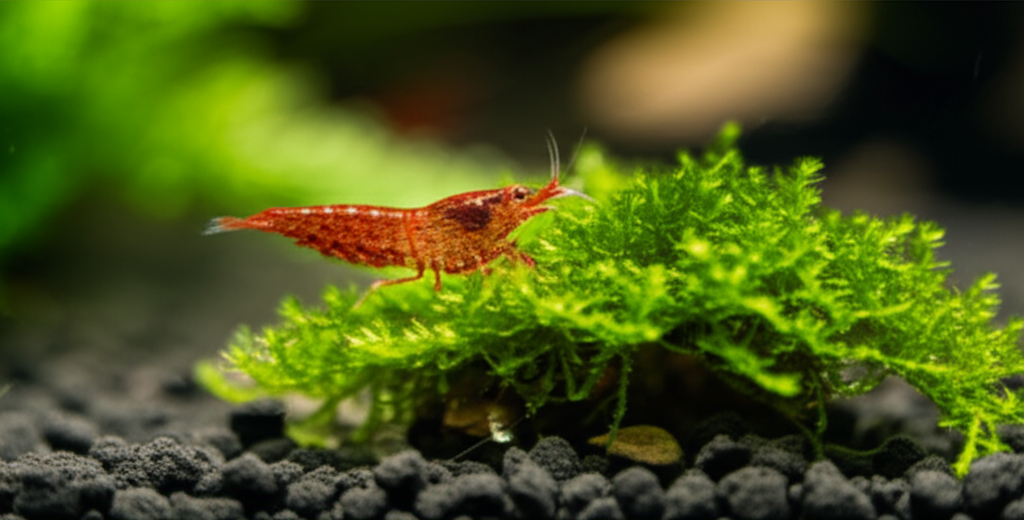
Wait a minute! Did you read “shrimp” and think of your aquarium pets? That’s awesome! While this article focuses on the shrimp we eat, the principles of good care are similar, and it’s a great reminder of what makes shrimp happy. If you’re a shrimp keeper, you know how rewarding it is to see your little swimmers thrive!
Here are a few quick tips for your aquarium buddies:
- Water Parameters: Keep your water parameters stable. This includes temperature, pH, and hardness (GH/KH). Use a reliable test kit to monitor these regularly.
- Diet: Feed a varied diet of high-quality shrimp foods. This can include specialized pellets, blanched vegetables (like spinach or zucchini), and algae wafers. Don’t overfeed!
- Filtration: Ensure you have good mechanical and biological filtration. Sponge filters are a popular and effective choice for shrimp tanks.
- Tank Mates: Choose tank mates carefully. Avoid aggressive fish that might see your shrimp as food. Peaceful community fish or other invertebrates are usually best.
- Hideouts: Provide plenty of hiding places using plants, driftwood, and decorations. This helps shrimp feel secure and provides them with surfaces to graze on biofilm.
Caring for pet shrimp is a wonderful hobby, and understanding their needs, even in a broad sense, can make you a more confident keeper. It’s all about providing a stable, healthy environment!
Conclusion: Enjoying Shrimp with Confidence
So, to circle back to our main question: Are farm-raised shrimp bad? The answer is a resounding “not necessarily!” Like many things we consume, the quality and impact of farm-raised shrimp depend heavily on the practices used in their production. While concerns about antibiotics, environmental impact, and feed sourcing are valid, they are being actively addressed by responsible farmers and certification programs.
By being an informed consumer, you have the power to make choices that support sustainable aquaculture and bring healthy, delicious shrimp to your table. Look for those trusted certifications like ASC and MSC, read your labels, and don’t hesitate to choose shrimp that align with your values. Whether you’re cooking up a shrimp scampi or enjoying them in a salad, you can feel good knowing you’ve made a conscious choice.
Remember, the world of seafood can seem complex, but with a little knowledge, you can navigate it with confidence. Enjoy your shrimp, and happy cooking!