Chicken breast nutrition is a powerhouse! It’s packed with lean protein, essential vitamins, and minerals, making it a smart choice for fueling your body and supporting your health goals. Understanding its benefits is simple and can truly elevate your meals.
Ever feel a little lost when trying to figure out what makes food “good” for you? You’re not alone! Many people wonder about the nutritional power of everyday foods. Chicken breast is often talked about, but what does it really offer? Is it as amazing as everyone says? This guide breaks down chicken breast nutrition in a way that’s super easy to grasp. We’ll explore why it’s a go-to for health-conscious folks and how you can make it a star in your own kitchen. Get ready to feel confident about this versatile ingredient!
The Nutritional Superstar: What’s Inside Chicken Breast?
Chicken breast truly shines when it comes to its nutritional makeup. It’s a lean protein source, which means it provides a lot of protein for relatively few calories and fat. This makes it a fantastic option for almost anyone looking to eat healthier, build muscle, or manage their weight.
Here’s a closer look at what makes chicken breast so special:
- Lean Protein: This is the main event! Protein is crucial for building and repairing tissues, making enzymes and hormones, and supporting your immune system. Chicken breast offers a complete protein, meaning it contains all nine essential amino acids your body needs but can’t produce on its own.
- Vitamins: Chicken breast is a good source of B vitamins, particularly niacin (B3) and pyridoxine (B6). These vitamins play vital roles in energy metabolism, brain function, and red blood cell formation.
- Minerals: You’ll also find important minerals like selenium, phosphorus, and potassium in chicken breast. Selenium is an antioxidant that helps protect cells from damage. Phosphorus is essential for bone health and energy production. Potassium helps regulate blood pressure and fluid balance.
- Low in Fat: Compared to other cuts of chicken or meats, chicken breast is remarkably low in fat, especially saturated fat, when the skin is removed. This makes it a heart-healthy choice.
Why is Protein So Important?
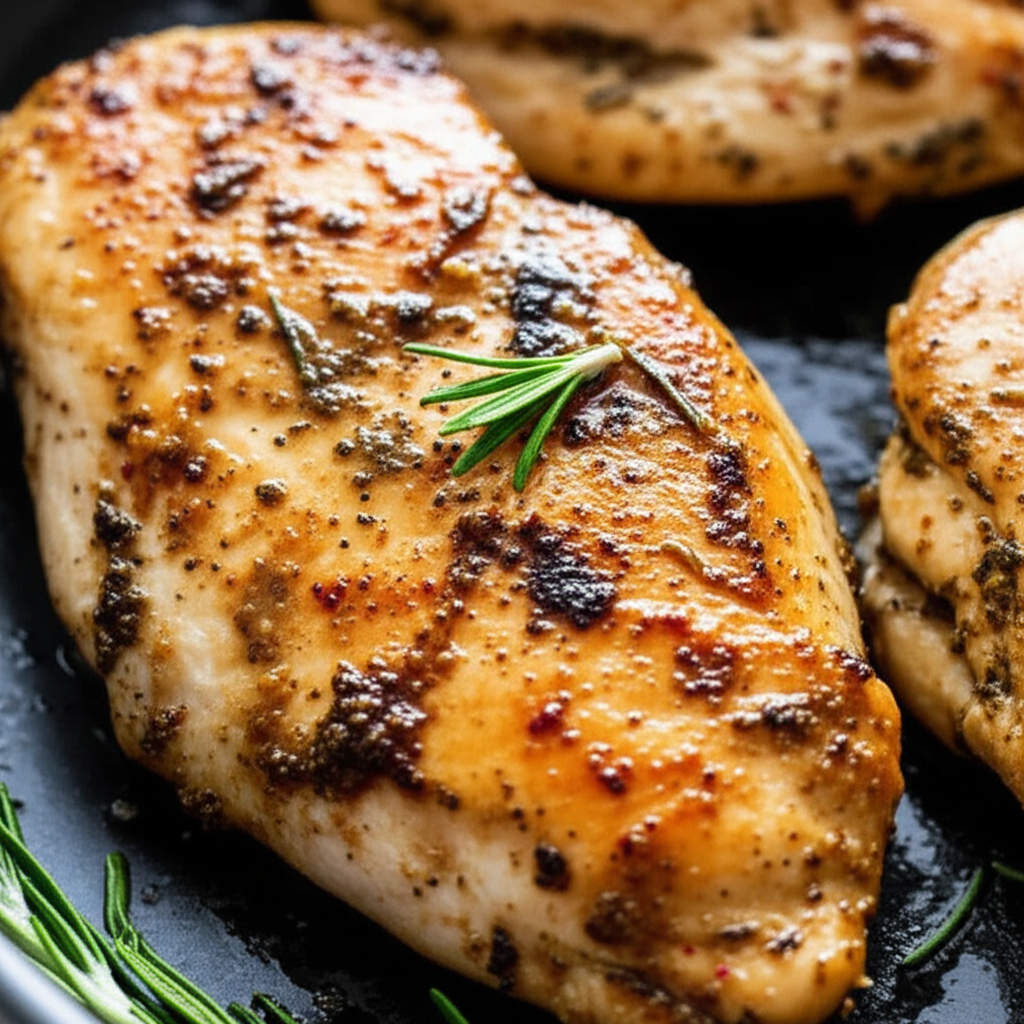
Think of protein as the building blocks for your body. It’s essential for everything from muscle growth and repair to keeping your skin, hair, and nails healthy. When you eat chicken breast, you’re giving your body the high-quality protein it needs to function at its best. This is especially important if you’re active or trying to build muscle mass.
Chicken Breast vs. Other Proteins: A Quick Comparison
To really appreciate chicken breast, let’s see how it stacks up against other popular protein sources. It’s not about saying one is “bad,” but understanding where chicken breast excels.
Here’s a simple comparison for a 3.5-ounce (100-gram) serving of cooked, skinless chicken breast:
| Nutrient | Chicken Breast (approx.) | Lean Ground Beef (approx.) | Salmon (approx.) | Lentils (cooked, 1 cup) |
|---|---|---|---|---|
| Calories | 165 kcal | 250 kcal | 208 kcal | 230 kcal |
| Protein | 31 g | 26 g | 20 g | 18 g |
| Fat (Total) | 3.6 g | 15 g | 13 g | 0.8 g |
| Saturated Fat | 1 g | 5.5 g | 3 g | 0.1 g |
| Iron | 0.7 mg | 2.5 mg | 0.3 mg | 6.6 mg |
| Selenium | 22 mcg | 12 mcg | 47 mcg | 3 mcg |
As you can see, chicken breast offers a fantastic protein-to-calorie ratio and is very low in fat, especially saturated fat. While beef offers more iron and salmon provides omega-3 fatty acids, chicken breast remains a top choice for lean protein. Lentils are a great plant-based option, offering fiber and iron, but typically have less protein per serving than chicken breast.
The “Genius” Factor: Why Chicken Breast is a Smart Choice
The “genius” in chicken breast nutrition comes from its incredible versatility and its ability to support a wide range of health and fitness goals. It’s not just about the numbers; it’s about how those numbers translate into real-world benefits.
1. Weight Management Made Easier
Chicken breast is a dieter’s best friend. Its high protein content helps you feel fuller for longer, which can reduce overall calorie intake and prevent overeating. Protein also has a higher thermic effect than carbs or fats, meaning your body burns more calories digesting it.
2. Muscle Building and Repair Champion
For anyone who exercises, especially strength training, chicken breast is essential. The amino acids in its protein are vital for repairing muscle fibers that break down during workouts and for building new muscle tissue. This helps you recover faster and get stronger.
3. Heart Health Supporter
By choosing skinless chicken breast, you’re opting for a protein source that is low in saturated fat and cholesterol. This can contribute to better cardiovascular health, helping to keep your heart happy and healthy. The U.S. Department of Agriculture (USDA) provides extensive data on the nutritional content of foods, including chicken breast, which you can explore on their FoodData Central.
4. Energy and Metabolism Booster
The B vitamins found in chicken breast, like niacin and B6, are crucial for converting food into energy. They play key roles in your body’s metabolic processes, ensuring your cells have the fuel they need to function efficiently.
5. Versatility for Everyday Meals
Beyond its nutritional profile, chicken breast is incredibly adaptable. It can be grilled, baked, stir-fried, boiled, or even slow-cooked, and it pairs well with almost any flavor. This makes it easy to incorporate into your diet consistently without getting bored.
How to Prepare Chicken Breast for Maximum Nutrition
The way you cook chicken breast can significantly impact its nutritional value. To get the most out of it, opt for healthier cooking methods.
Here are some beginner-friendly ways to prepare chicken breast:
- Baking/Roasting: This is a simple, hands-off method. Season your chicken breast with herbs, spices, a little olive oil, and bake until cooked through. It’s great for meal prep.
- Grilling: Grilling adds a nice char and flavor without much added fat. Marinate your chicken in a light vinaigrette or herbs for extra taste.
- Poaching: This gentle cooking method keeps the chicken incredibly moist and tender. Poach in water, broth, or even milk with aromatics like herbs and garlic.
- Stir-frying: Cut chicken breast into strips or cubes and quickly stir-fry with plenty of colorful vegetables and a light sauce.
- Pan-Searing: Use a non-stick pan with minimal oil for a quick, flavorful sear.
What to Avoid for Healthier Chicken Breast
Deep-frying: This adds a lot of unhealthy fats and calories.
Heavy sauces and coatings: Creamy sauces, breading, and sugary glazes can quickly turn a healthy meal into a less nutritious one.
Overcooking: This can make the chicken dry and less appealing, leading you to add more sauces to compensate.
Tips for Buying and Storing Chicken Breast
Making smart choices starts at the grocery store!
Buying Chicken Breast:
- Look for “Skinless, Boneless”: This is the leanest option.
- Check the Date: Ensure it’s fresh and within its sell-by date.
- Color: Fresh chicken breast should be pinkish and moist, not gray or slimy.
- Packaging: Make sure the package is sealed and free from leaks.
Storing Chicken Breast:
- Refrigerate: Store raw chicken breast in the coldest part of your refrigerator, usually the bottom shelf, to prevent any drips from contaminating other foods. Use it within 1-2 days.
- Freeze: For longer storage, freeze chicken breast. You can freeze it whole or portion it out into meal-sized bags. It can last for 9-12 months in the freezer.
Incorporating Chicken Breast into Your Diet: Simple Meal Ideas
Here are some easy ideas to get you started:
Breakfast/Brunch
Chicken and Veggie Scramble: Dice cooked chicken breast and add it to your morning eggs with spinach, mushrooms, and bell peppers.
Lunch
Chicken Salad Sandwich/Wrap: Mix shredded cooked chicken breast with Greek yogurt or light mayo, celery, and herbs. Serve in a whole-wheat wrap or sandwich.
Grilled Chicken Salad: Top a bed of mixed greens with grilled chicken breast slices, your favorite vegetables, and a light vinaigrette.
Dinner
Lemon Herb Baked Chicken Breast: Bake chicken breast with lemon slices, rosemary, thyme, garlic, and a drizzle of olive oil. Serve with roasted vegetables or quinoa.
Chicken Stir-fry: Stir-fry diced chicken breast with broccoli, carrots, snap peas, and a soy-ginger sauce. Serve over brown rice.
* Chicken and Vegetable Skewers: Thread chicken breast cubes, bell peppers, onions, and cherry tomatoes onto skewers. Grill or bake until cooked.
Can Chicken Breast Be Part of a Plant-Based Diet?
While chicken breast itself is an animal product, understanding its nutritional profile is still valuable for many people, including those who are transitioning to or incorporating more plant-based meals. For those following a strictly plant-based diet, the “genius” lies in identifying plant-based protein sources that offer similar benefits.
For example, lentils, beans, tofu, tempeh, and edamame are excellent plant-based proteins. They also provide fiber, which is often lacking in animal products. Understanding the role of protein, as highlighted by chicken breast, helps in making informed choices about plant-based protein sources. Organizations like the Academy of Nutrition and Dietetics offer guidance on well-planned vegetarian and vegan diets.
Frequently Asked Questions (FAQ)
Q1: Is chicken breast healthy for everyday consumption?
Yes, skinless chicken breast is considered very healthy for everyday consumption due to its high lean protein content, low fat, and essential vitamins and minerals. It’s a versatile and nutrient-dense food.
Q2: How much chicken breast should I eat per day?
The amount varies based on your individual needs, activity level, and overall diet. A general guideline for adults is to aim for about 0.8 to 1.2 grams of protein per kilogram of body weight. For many, this might translate to a 3-5 ounce serving of chicken breast once a day or several times a week.
Q3: Does cooking method affect chicken breast nutrition?
Absolutely. Healthier cooking methods like baking, grilling, poaching, and stir-frying preserve nutrients and keep added fats low. Deep-frying or cooking with heavy sauces can add unhealthy fats and calories.
Q4: Is chicken breast good for weight loss?
Yes, chicken breast is excellent for weight loss. Its high protein content promotes satiety, helping you feel full longer and potentially reducing overall calorie intake. It’s also low in calories and fat, making it a smart choice for a calorie-controlled diet.
Q5: What are the benefits of the protein in chicken breast?
The protein in chicken breast is a complete protein, meaning it contains all essential amino acids. These amino acids are vital for building and repairing muscle tissue, supporting immune function, and creating enzymes and hormones.
Q6: Can I eat the chicken skin?
Chicken skin contains more fat and calories than the breast meat itself. While it can add flavor and moisture, if your goal is to maximize lean protein and minimize fat, it’s best to remove the skin before eating.
Conclusion: Embrace the Power of Chicken Breast!
So, there you have it! Chicken breast truly is a nutritional champion, offering a fantastic blend of lean protein, essential vitamins, and minerals that support a healthy lifestyle. From aiding in weight management and muscle building to contributing to heart health and providing sustained energy, its benefits are clear and substantial.
By understanding its nutritional profile and choosing simple, healthy preparation methods, you can easily make chicken breast a delicious and beneficial part of your regular diet. Don’t be intimidated; start with the simple meal ideas and cooking tips shared here. With a little practice, you’ll be confidently incorporating this versatile ingredient into your meals, enjoying its taste and reaping its many health rewards. Keep experimenting, keep enjoying, and keep nourishing your body with goodness!