


Yes, chicken breast is an excellent source of protein, making it a genius fuel for building and repairing muscles. It’s lean, versatile, and a cornerstone for anyone looking to support their fitness goals.
Feeling a bit lost when it comes to what to eat for your workouts? You’re not alone! Many of us hear about protein being super important for muscles, but figuring out where to get it can feel like a puzzle. Especially when you’re just starting out, you want simple, clear answers. You want to know if that chicken breast you keep hearing about is really as good as they say for your muscles. Let’s break it down together, step by step. We’ll discover why chicken breast is a star player for muscle fuel and how you can easily add it to your meals.
Why Chicken Breast is a Muscle-Building Champion
When we talk about building muscle, protein is the superstar ingredient. Think of protein as the tiny building blocks that your body uses to repair and grow muscle tissue, especially after you’ve been active. Chicken breast is fantastic because it’s packed with high-quality protein, meaning your body can use it very efficiently.
But it’s not just about the protein amount. Chicken breast is also a “complete protein.” This means it contains all nine essential amino acids that our bodies can’t make on their own. These amino acids are crucial for muscle protein synthesis, which is the process of creating new muscle. So, when you eat chicken breast, you’re giving your body exactly what it needs to get stronger and recover better.
Here’s a quick look at why it stands out:
| Nutrient | Amount (per 3.5 oz / 100g cooked) | Why it Matters for Muscles |
|---|---|---|
| Protein | ~31g | Essential for muscle repair and growth. |
| Fat | ~3.6g | Very low, making it a lean protein choice. |
| Carbohydrates | 0g | Focuses purely on protein for muscle support. |
| Calories | ~165 | Energy dense without excessive calories. |
This makes chicken breast a smart choice if you’re trying to increase your protein intake without adding a lot of extra fat or calories. It’s a straightforward way to fuel your body for its hard work.
Understanding Protein and Muscle Growth
Let’s dive a little deeper into how protein actually helps your muscles. When you exercise, especially with strength training, you create tiny tears in your muscle fibers. This might sound bad, but it’s actually a normal part of the process! Your body then uses protein to repair these tears and make the muscle fibers stronger and bigger than they were before.
This repair and growth process is called muscle protein synthesis. The amino acids from the protein you eat are the raw materials for this. The more complete and available these amino acids are, the more effectively your body can build muscle. Chicken breast, being a complete protein, is a goldmine for these essential amino acids, particularly leucine, which is known to be a key trigger for muscle protein synthesis.
Think of it like building a brick wall. Protein provides the bricks, and your body is the builder. If you give the builder high-quality, uniformly shaped bricks (like those from chicken breast), the wall will be built more efficiently and become stronger. If the bricks are of poor quality or irregular, the process slows down and the wall might not be as sturdy.
According to the National Institutes of Health (NIH), adequate protein intake is vital for muscle maintenance and growth, especially for individuals engaged in regular physical activity.
How Much Protein Do You Really Need?
This is a common question, and the answer isn’t one-size-fits-all. Your protein needs depend on several factors, including your age, activity level, and overall health goals. However, for active individuals looking to build or maintain muscle, a general guideline is often suggested.
A widely accepted recommendation for adults who are physically active is to consume between 1.2 to 2.0 grams of protein per kilogram of body weight per day. For someone weighing 70 kg (about 154 lbs), this would mean consuming between 84g and 140g of protein daily.
Let’s see how chicken breast fits into this:
- A 3.5 oz (100g) serving of cooked chicken breast provides about 31g of protein.
- If your goal is 120g of protein per day, you’d need roughly four 3.5 oz servings of chicken breast.
It’s important to spread your protein intake throughout the day. Eating protein at each meal helps ensure a steady supply of amino acids for muscle repair and growth. So, don’t just load up on protein at one meal; aim for consistency.
For more detailed information on general protein recommendations, you can refer to the Dietary Guidelines for Americans.
Simple Ways to Prepare Chicken Breast for Muscle Fuel
Now that we know why chicken breast is great, let’s talk about how to make it taste delicious and fit into your routine. The key is simplicity and variety!
1. Baking/Roasting: The Easy Oven Method
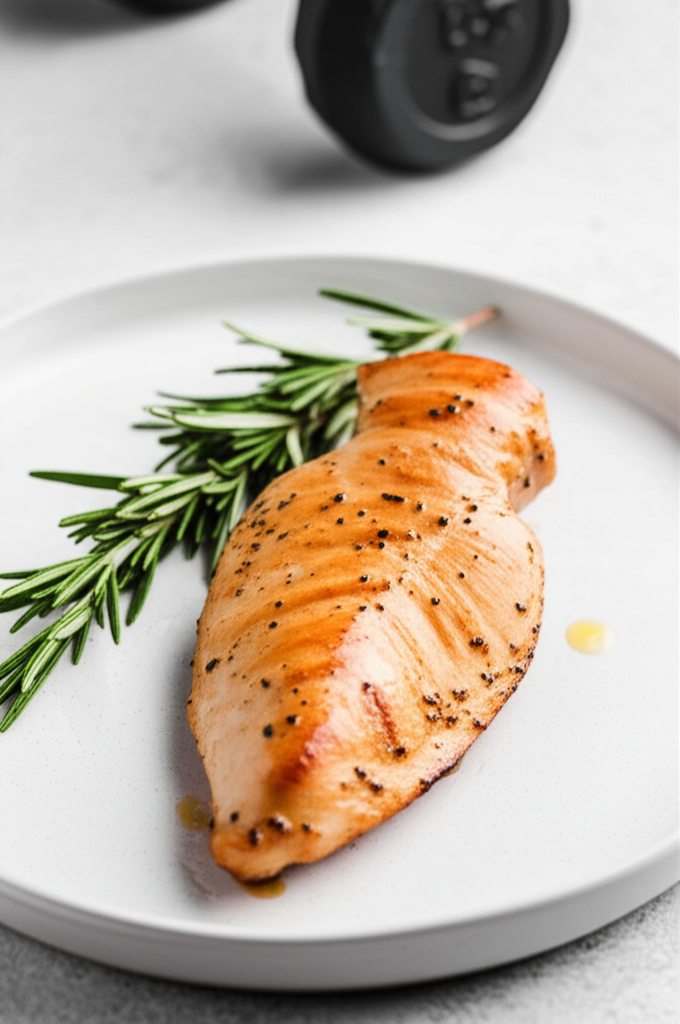
- What you need: Chicken breasts, olive oil, salt, pepper, your favorite herbs (like rosemary, thyme, garlic powder).
- How to do it: Preheat your oven to 400°F (200°C). Lightly coat the chicken breasts with olive oil. Season generously with salt, pepper, and herbs. Place on a baking sheet. Bake for 20-25 minutes, or until the internal temperature reaches 165°F (74°C) and the juices run clear.
- Why it’s great: Minimal cleanup, hands-off cooking, and you can easily bake several at once for meal prepping.
2. Grilling: For That Smoky Flavor
- What you need: Chicken breasts, olive oil or marinades, salt, pepper.
- How to do it: Preheat your grill to medium-high heat. Lightly coat chicken with oil and season. Grill for about 6-8 minutes per side, depending on thickness, until cooked through (internal temperature 165°F / 74°C).
- Why it’s great: Adds a fantastic smoky flavor and a nice char. It’s also a relatively healthy cooking method.
3. Pan-Searing: Quick and Versatile
- What you need: Chicken breasts, a little oil (like olive or avocado oil), salt, pepper.
- How to do it: Heat a tablespoon of oil in a skillet over medium-high heat. Season the chicken. Sear for about 5-7 minutes per side, until golden brown and cooked through (internal temperature 165°F / 74°C). You can even add garlic or herbs to the pan during the last few minutes.
- Why it’s great: Very fast for weeknight meals. The pan drippings can also be used to make a quick sauce.
4. Poaching: Gentle and Moist
- What you need: Chicken breasts, water or broth, salt, pepper, aromatics (like bay leaf, peppercorns, onion slices).
- How to do it: Place chicken in a pot and cover with water or broth. Add salt, pepper, and aromatics. Bring to a gentle simmer (not a rolling boil). Cover and cook for 10-15 minutes, or until cooked through.
- Why it’s great: Results in incredibly moist chicken, perfect for shredding into salads or sandwiches.
Pro-Tip for Meal Prep: Cook a large batch of chicken breasts using your favorite method at the beginning of the week. Once cooled, store them in airtight containers in the refrigerator for up to 3-4 days. This makes adding protein to any meal incredibly easy!
Beyond the Basics: Flavor Boosters and Combinations
Plain chicken breast can get boring, right? Let’s spice things up! The beauty of chicken breast is its neutral flavor, which makes it a perfect canvas for all sorts of delicious seasonings and marinades.
Flavorful Marinades:
- Lemon Herb: Olive oil, lemon juice, minced garlic, dried oregano, rosemary, salt, pepper.
- Soy Ginger: Soy sauce (or tamari for gluten-free), grated fresh ginger, minced garlic, a touch of honey or maple syrup.
- Spicy Lime: Lime juice, chili powder, cumin, garlic powder, a pinch of cayenne pepper.
Marinate chicken breasts for at least 30 minutes (or up to a few hours in the fridge) before cooking for maximum flavor infusion.
Spice Rubs:
Mix and match spices like paprika, garlic powder, onion powder, cumin, chili powder, and dried herbs. Rub generously onto the chicken before cooking.
Pairing for Complete Meals:
To make chicken breast a true muscle fuel meal, pair it with healthy carbohydrates and fats:
- Carbohydrates: Brown rice, quinoa, sweet potatoes, whole-wheat pasta, or a large mixed green salad.
- Healthy Fats: Avocado, nuts, seeds, or a drizzle of olive oil-based dressing.
Here’s an example of a balanced muscle-fueling meal:
| Component | Example | Why it’s good for muscle fuel |
|---|---|---|
| Lean Protein | Grilled Lemon Herb Chicken Breast (4 oz) | Provides essential amino acids for muscle repair. |
| Complex Carbohydrates | Quinoa (1 cup cooked) | Offers sustained energy and aids in glycogen replenishment. |
| Healthy Fats & Fiber | Steamed Broccoli with a drizzle of Olive Oil (1 cup) | Supports hormone production and provides vitamins and fiber. |
Chicken Breast vs. Other Protein Sources
While chicken breast is a star, it’s good to know how it compares to other popular protein options. This helps you make informed choices based on your needs and preferences.
Chicken Breast:
- Pros: Very lean, high protein, complete protein, versatile, affordable.
- Cons: Can be dry if overcooked, less appealing to some due to texture.
Beef (Lean Cuts like Sirloin):
- Pros: High protein, rich in iron and zinc, which are important for muscle function and energy.
- Cons: Can be higher in saturated fat than chicken breast, often more expensive.
Fish (Salmon, Tuna):
- Pros: High protein, excellent source of Omega-3 fatty acids (great for inflammation and recovery), good source of Vitamin D.
- Cons: Can be more expensive, some people dislike the taste or smell.
Eggs:
- Pros: High-quality complete protein, contains choline (good for brain health), versatile and quick to cook.
- Cons: Contain cholesterol (though dietary cholesterol’s impact is debated), lower protein per serving compared to chicken breast.
Legumes (Beans, Lentils):
- Pros: Plant-based protein, high in fiber, good source of complex carbs and micronutrients.
- Cons: Incomplete protein on their own (need to be combined with grains for all essential amino acids), can cause digestive issues for some.
For a comprehensive overview of protein sources, the MyPlate program from the USDA offers excellent guidance on including a variety of protein foods in your diet.
Chicken breast often wins for its lean profile and high protein density, making it a go-to for those focused purely on muscle building and lean mass gain. However, incorporating a variety of these sources ensures you get a wider spectrum of nutrients.
Frequently Asked Questions (FAQ)
Are chicken breasts the best protein for muscle gain?
Chicken breasts are an excellent and highly effective protein source for muscle gain due to their high protein content, complete amino acid profile, and low fat. While other proteins are also beneficial, chicken breast is a top choice for many due to its lean nature.
How often should I eat chicken breast for muscle growth?
You should aim to include protein sources like chicken breast in your diet regularly, ideally spread across your meals throughout the day. Consistency is more important than frequency, ensuring your body has a steady supply of amino acids for muscle repair and growth.
Can eating too much chicken breast be bad?
While chicken breast is healthy, consuming excessive amounts of any single food can lead to an unbalanced diet. It’s best to diversify your protein sources and ensure your overall diet is balanced with fruits, vegetables, and healthy carbohydrates.
Is chicken breast better than chicken thighs for muscle?
Chicken breast is leaner and has more protein per serving than chicken thighs, making it often preferred for strict muscle-building or fat-loss goals. Chicken thighs have more fat and flavor, which can be good for overall calorie intake and satisfaction, but chicken breast is more protein-dense.
When is the best time to eat chicken breast for muscle recovery?
Consuming protein, like chicken breast, within a few hours after your workout can be beneficial for muscle recovery and synthesis. However, eating protein throughout the day, including before bed, also supports muscle repair.
Does cooking method affect the protein in chicken breast?
Cooking methods generally don’t significantly reduce the protein content of chicken breast. However, frying with excessive oil can add unwanted calories and fat. Baking, grilling, and poaching are excellent lean methods that preserve the protein quality.
Making Chicken Breast a Sustainable Part of Your Diet
Incorporating chicken breast into your diet doesn’t have to be a chore. It’s about making it work for you in a way that feels good and is sustainable long-term.
- Start Small: If you’re new to eating chicken breast regularly, begin by swapping out one meal a day or a few meals a week.
- Focus on Flavor: Experiment with marinades, spices, and cooking methods to find what you enjoy most. Delicious food is easier to stick with!
- Meal Prep: As mentioned, cooking a batch at the start of the week makes healthy eating much more convenient. Having pre-cooked chicken ready to go can prevent last-minute unhealthy choices.
- Listen to Your Body: Pay attention to how you feel. Are you energized? Are your muscles recovering well? Adjust your intake and preparation methods as needed.
- Variety is Key: While chicken breast is great, remember to include other protein sources and a wide range of other healthy foods to ensure you’re getting all the nutrients your body needs.
Building muscle and fueling your body effectively is a journey. Chicken breast is a powerful tool in your arsenal, offering straightforward, high-quality protein to support your efforts. By understanding why it works and how to prepare it deliciously, you can confidently make it a regular part of your healthy eating plan.
Conclusion: Your Muscle Fuel Foundation
So, to wrap it all up, are chicken breasts protein? Absolutely! They are a powerhouse of lean, high-quality protein, making them a truly genius fuel for anyone looking to build, repair, and strengthen their muscles. Their complete amino acid profile, low fat content, and versatility make them a cornerstone for fitness enthusiasts and anyone aiming for a healthier lifestyle.
From simple baking and grilling to flavorful marinades and meal prep strategies, incorporating chicken breast into your diet is accessible and can be incredibly rewarding. Remember to pair it with complex carbohydrates and healthy fats to create balanced, energy-sustaining meals.
By making chicken breast a consistent part of your nutrition, you’re providing your body with the essential building blocks it needs to perform at its best