


Chicken breast calories are a fundamental and essential part of understanding nutrition for many people. Knowing these numbers helps you make smarter food choices, manage your weight, and fuel your body effectively. It’s simpler than you think to grasp the basics and build healthier eating habits!
Have you ever stared at a chicken breast and wondered, “Just how many calories are in here?” You’re not alone! Understanding the calories in chicken breast is super important for anyone trying to eat healthier, manage their weight, or simply know what they’re putting into their body. It can feel a bit confusing with all the different ways to prepare it, but don’t worry! We’re going to break it down into easy, bite-sized pieces. Think of this as your friendly guide to making chicken breast work for your health goals. We’ll cover everything from raw to cooked, grilled to fried, so you can feel confident about your choices.
Why Understanding Chicken Breast Calories Matters
Chicken breast is a nutritional powerhouse, packed with lean protein. Protein is vital for building and repairing muscles, keeping you feeling full, and supporting overall body function. Knowing the calorie count helps you:
Manage Your Weight: By understanding how many calories are in your meals, you can better control your intake to reach or maintain a healthy weight.
Build Muscle: For fitness enthusiasts, adequate protein from sources like chicken breast is key for muscle growth and recovery.
Balance Your Diet: Knowing the calories in a staple food like chicken breast helps you fit it into your daily calorie goals, leaving room for other nutritious foods.
Make Informed Choices: When you’re at the grocery store or cooking at home, this knowledge empowers you to choose the best preparation methods for your dietary needs.
It’s like having a secret weapon for your health journey!
The Basics: Raw vs. Cooked Chicken Breast Calories
The calorie count for chicken breast changes significantly depending on whether it’s raw or cooked. This is mainly due to moisture loss during cooking. When chicken cooks, it loses water, which concentrates its nutrients and calories per pound.
Here’s a simple breakdown:
| State | Serving Size (approx.) | Calories (approx.) | Protein (approx.) |
| :———– | :——————— | :—————– | :—————- |
| Raw, skinless | 3.5 ounces (100g) | 110-120 | 22-23g |
| Cooked, skinless | 3.5 ounces (100g) | 165-170 | 30-31g |
As you can see, cooked chicken breast has more calories per ounce because the water has been removed. This is a crucial point for accurate tracking!
Calories in Popular Chicken Breast Preparations
How you cook your chicken breast makes a big difference to its calorie content. Here’s a look at some common methods:
1. Grilled or Baked Chicken Breast (Skinless)
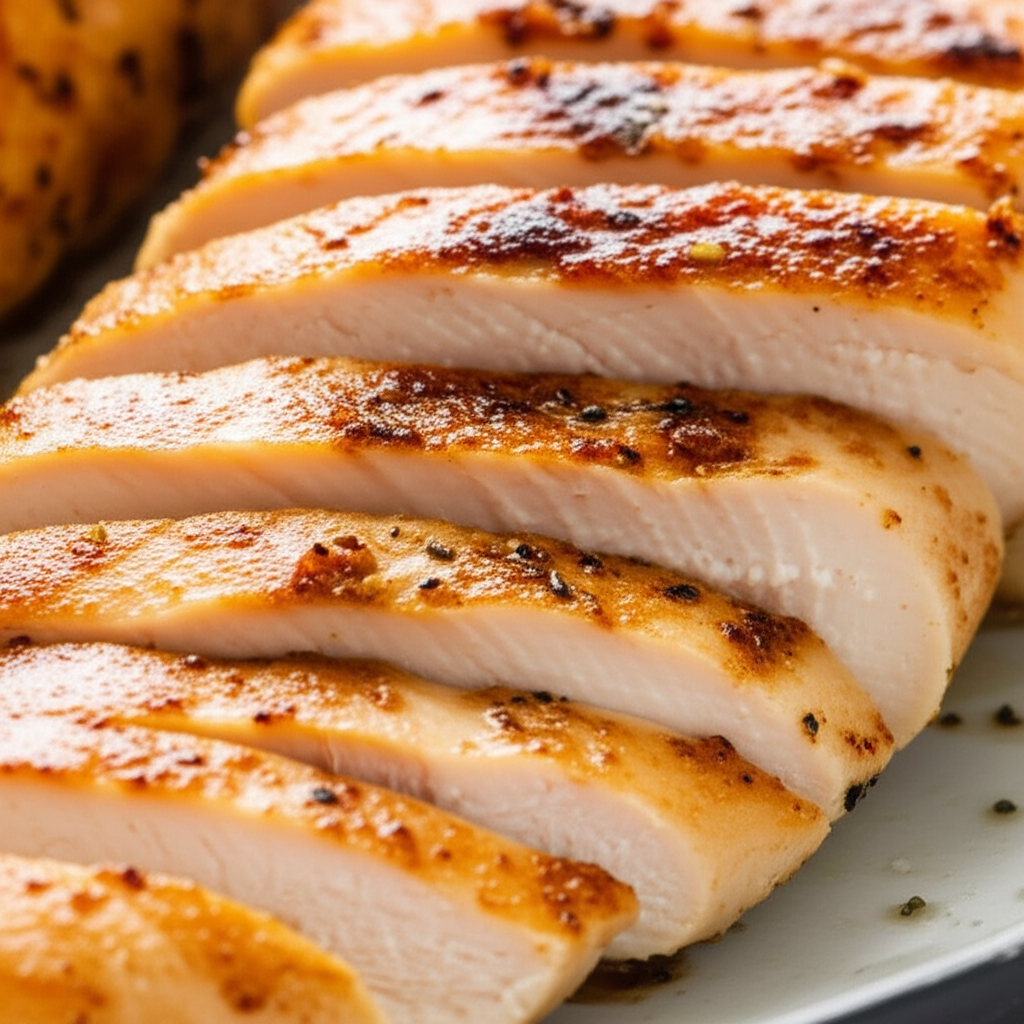
This is often considered the healthiest way to prepare chicken breast. Grilling and baking use minimal added fat.
How it’s done: Seasoned chicken breast cooked with dry heat, either on a grill or in an oven.
Calorie estimate: A 3.5-ounce (100g) serving of cooked, skinless, grilled, or baked chicken breast is around 165-170 calories. This is a great benchmark for lean protein.
2. Pan-Fried Chicken Breast (Skinless)
Pan-frying can add calories, especially if a lot of oil is used.
How it’s done: Chicken breast cooked in a skillet with a small amount of oil or butter.
Calorie estimate: A 3.5-ounce (100g) serving can range from 180-200 calories, depending on the amount of oil used. Using non-stick pans and minimal healthy oils like olive oil can keep this number lower.
3. Breaded and Fried Chicken Breast
This method significantly increases the calorie and fat content.
How it’s done: Chicken breast coated in breadcrumbs (or flour/egg wash) and then deep-fried.
Calorie estimate: A 3.5-ounce (100g) serving can easily reach 250-300+ calories, sometimes even more, due to the breading and absorbed oil.
4. Boiled Chicken Breast
Boiling is another low-fat cooking method, similar to baking or grilling.
How it’s done: Chicken breast cooked in simmering water.
Calorie estimate: A 3.5-ounce (100g) serving of cooked, skinless, boiled chicken breast is very similar to baked or grilled, around 165-170 calories.
5. Roasted Chicken Breast (with skin)
Keeping the skin on adds fat and calories.
How it’s done: Chicken breast roasted in the oven, usually with the skin on.
Calorie estimate: A 3.5-ounce (100g) serving of cooked chicken breast with skin can be around 190-200 calories, with the skin itself contributing a good portion of the fat and calories.
It’s always a good idea to check the specific nutritional information for any pre-packaged chicken or recipes you use, as these are general estimates.
Factors Influencing Chicken Breast Calories
Beyond the cooking method, other factors can tweak the calorie count:
Added Marinades or Sauces: Sweet or creamy marinades and sauces can significantly boost calories and sugar content. A simple lemon-herb marinade is very different from a honey-garlic or creamy dill sauce.
Portion Size: This is the most straightforward factor! A larger piece of chicken means more calories. Weighing your chicken can help you be more accurate.
Trimming Fat: While chicken breast is lean, some residual fat can be trimmed off before cooking for an even lower-calorie option.
Let’s look at how different marinades might affect the calorie count.
| Marinade Type | Added Calories per 3.5oz Chicken Breast (approx.) | Notes |
| :—————– | :———————————————— | :———————————————————————- |
| Lemon-Herb | 5-15 | Uses herbs, lemon juice, garlic, minimal oil. |
| Soy-Ginger | 20-30 | May contain sugar, soy sauce (sodium), ginger, garlic, a little oil. |
| Honey-Mustard | 40-60 | Honey and mustard add natural sugars and calories. |
| Creamy Garlic | 70-100+ | Uses ingredients like cream, butter, or mayonnaise, adding significant fat and calories. |
This table shows how easily calories can add up depending on what you add to your chicken!
Tools and Tips for Tracking Chicken Breast Calories
Being precise can be helpful, especially when you’re starting out. Here are some tools and tips:
Kitchen Scale: This is your best friend for accurate portion control. Weighing your chicken before cooking gives you a baseline for raw calories, and weighing it after helps you understand cooked portion calories.
Nutrition Tracking Apps: Apps like MyFitnessPal, Lose It!, or Cronometer allow you to log your food intake. You can search for “chicken breast” and select the appropriate preparation method, or even scan barcodes if you buy pre-packaged chicken. These apps often provide detailed breakdowns of calories, protein, carbs, and fats. For example, the USDA FoodData Central is a reliable source for nutritional information on various foods, including chicken breast prepared in different ways.
Read Food Labels: If you buy packaged chicken or chicken products, always check the nutrition label for serving size and calorie information.
Standard Serving Sizes: Familiarize yourself with what a standard serving looks like. A 3-ounce serving of cooked meat is roughly the size of a deck of cards.
Remember, consistency is more important than perfection. Start with what feels manageable!
Frequently Asked Questions About Chicken Breast Calories
Here are some common questions beginners have about chicken breast calories:
Q1: How many calories are in one large chicken breast?
A large chicken breast (about 6-8 ounces or 170-227g cooked) will have roughly 270-385 calories if it’s skinless and cooked without added fat (like baking or grilling). Always weigh it for the most accurate number!
Q2: Does removing the skin significantly reduce calories?
Yes! The skin on chicken breast contains a good amount of fat, which is calorie-dense. Removing the skin can save you approximately 50-70 calories per 3.5-ounce (100g) serving.
Q3: Are chicken breast calories “good” or “bad” calories?
Calories themselves aren’t inherently “good” or “bad.” It’s the nutritional quality of the food that matters. Chicken breast calories are considered “good” because they come from a nutrient-dense source rich in lean protein and essential amino acids, which are beneficial for your health.
Q4: What’s the best way to cook chicken breast to keep calories low?
Baking, grilling, poaching, and steaming are the best methods for keeping chicken breast calories low. These methods require little to no added fat.
Q5: If I eat a whole raw chicken breast, how many calories is that?
A typical raw, skinless chicken breast might weigh around 5-7 ounces (140-200g). This would translate to roughly 150-230 calories while raw. Remember, it will be more calories per ounce once cooked.
Q6: How do calories in chicken breast compare to other lean proteins?
Chicken breast is one of the leanest protein sources available. For example, a similar serving of lean turkey breast or white fish like cod will have comparable calorie counts. Red meats, especially fattier cuts, tend to have more calories and fat.
Q7: Is it okay to eat chicken breast every day for weight loss?
Yes, chicken breast can be a great staple for weight loss due to its high protein content, which promotes satiety. However, variety is important for a balanced diet. Ensure you’re also consuming plenty of vegetables, fruits, and healthy fats from other sources.
Making Chicken Breast Work for Your Goals: A Step-by-Step Approach
Ready to put this knowledge into action? Here’s a simple plan:
Step 1: Choose Your Chicken
Opt for skinless, boneless chicken breasts. These are the leanest and easiest to portion.
Step 2: Decide on Your Cooking Method
Prioritize baking, grilling, poaching, or steaming for the lowest calorie count.
If pan-frying, use a good non-stick pan and only a teaspoon of healthy oil (like olive or avocado oil).
Step 3: Season Smartly
Use herbs, spices, garlic, onion powder, lemon juice, and vinegar for flavor without adding many calories.
Be mindful of pre-made spice blends that might contain sugar or salt.
Limit sugary marinades, creamy sauces, or heavy batters if calorie control is your main goal.
Step 4: Cook and Portion
Cook the chicken thoroughly. Ensure it reaches an internal temperature of 165°F (74°C).
Weigh your cooked chicken breast if you want to be precise. A standard 3.5-ounce (100g) cooked portion is a good reference point.
Step 5: Track (If You Want To!)
Use a nutrition app or a simple notebook to log your chicken breast portion and its estimated calories. This helps build awareness.
Step 6: Combine with Other Nutrients
Pair your chicken breast with plenty of non-starchy vegetables (like broccoli, spinach, bell peppers) and a source of healthy carbs (like quinoa or sweet potato) for a balanced meal.
This step-by-step process makes incorporating chicken breast into your diet straightforward and effective.
Beyond the Numbers: The “Genius” of Chicken Breast
The real “genius” of chicken breast isn’t just its calorie count; it’s its incredible versatility and nutritional density. It’s a blank canvas that can be transformed into countless delicious meals, making healthy eating enjoyable and sustainable.
Muscle Building & Repair: The high-quality protein aids in muscle synthesis, crucial for athletes and anyone looking to maintain muscle mass as they age. According to the National Institutes of Health (NIH), protein is essential for muscle maintenance and growth.
Satiety: Protein is known to be more satiating than carbohydrates or fats, meaning it helps you feel fuller for longer. This can be a game-changer for managing appetite and reducing overall calorie intake.
Nutrient Rich: Beyond protein, chicken breast provides essential B vitamins (like niacin and B6) which are vital for energy metabolism, as well as minerals like selenium and phosphorus.
By understanding and utilizing chicken breast effectively, you’re not just counting calories; you’re fueling your body with a top-tier nutrient source that supports your health and fitness goals.
Conclusion
Understanding chicken breast calories is a foundational step toward making informed and healthy food choices. Whether you’re aiming for weight management, muscle gain, or simply a more nutritious diet, knowing the calorie content of your chicken breast is essential. By focusing on lean, skinless options and choosing preparation methods like baking, grilling, or poaching, you can enjoy this versatile protein source while keeping your calorie intake in check. Remember to season wisely, portion accurately, and pair your chicken with plenty of vegetables for a truly balanced and satisfying meal. With these simple strategies and a little practice, you’ll feel confident navigating the world of chicken breast nutrition and using it to your advantage on your health journey! Keep it simple, stay consistent, and enjoy the benefits!