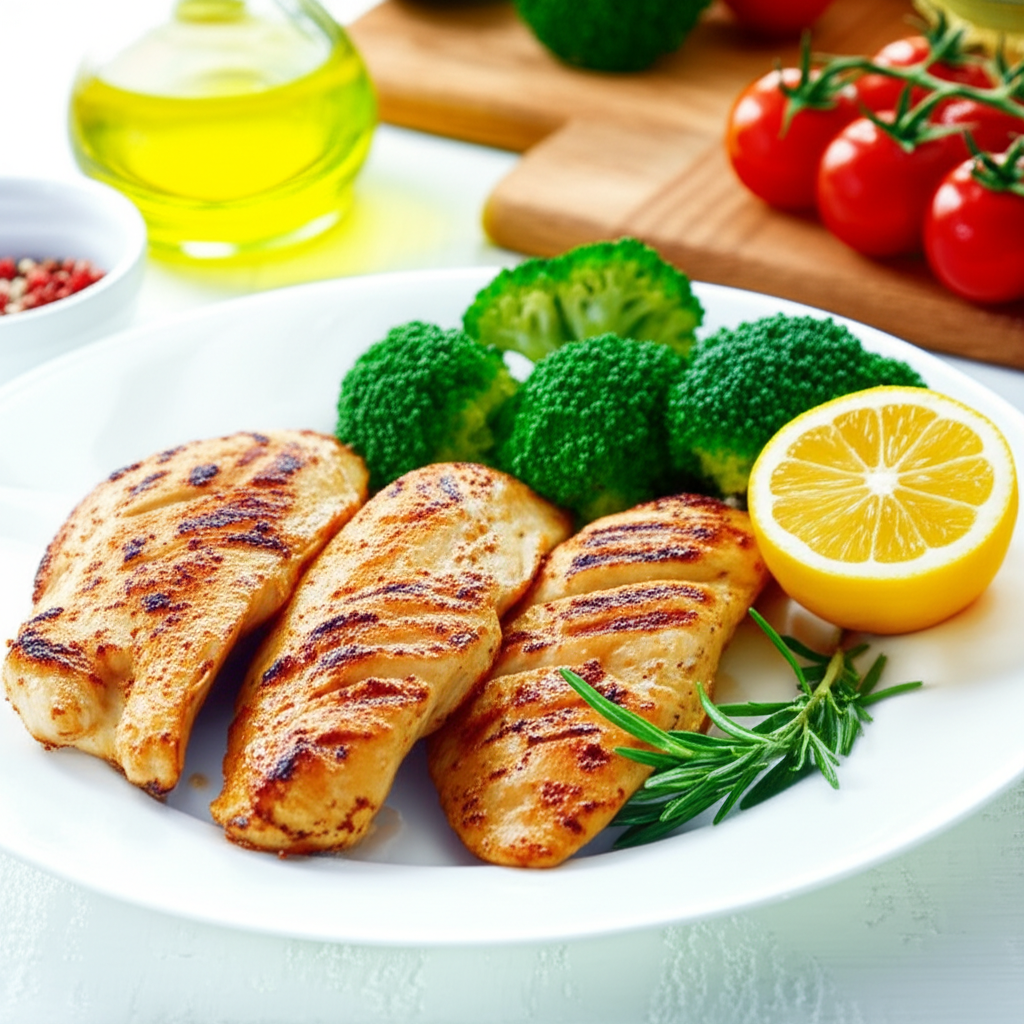

The short answer is: No, chicken is generally not bad for you! When prepared and consumed correctly, chicken is a healthy source of lean protein. Concerns usually arise from preparation methods, potential contaminants, or the quality of the chicken itself, not the meat inherently.
Are you wondering if that delicious chicken dinner might be doing more harm than good? It’s a common question, especially with so much conflicting information out there. You might have heard whispers about chicken being unhealthy, and it can feel confusing to know what to believe. Don’t worry, we’re here to clear the air! We’ll break down what you really need to know about chicken and your health in a way that’s easy to understand. Get ready to feel confident about your food choices!
Understanding the Truth About Chicken and Your Health
Chicken is a staple food for many around the world, and for good reason! It’s packed with essential nutrients that our bodies need to thrive. Think of it as a fantastic source of lean protein, which is crucial for building and repairing muscles, keeping you feeling full, and supporting overall body function. But like many things in life, it’s not just about the “what” but also the “how.” How chicken is raised, handled, and cooked can significantly impact its health profile.
The good news is that by understanding a few key points, you can enjoy chicken as part of a balanced diet without worry. We’ll explore the potential downsides and, more importantly, how to avoid them. Let’s dive into the details so you can make informed and healthy choices!
The Nutritional Powerhouse: Why Chicken is Good For You
Before we talk about any potential concerns, it’s important to celebrate what makes chicken a nutritional winner. It’s more than just a tasty meal; it’s a powerhouse of beneficial nutrients.
- Lean Protein: Chicken breast, in particular, is incredibly lean. This means you get a lot of protein without a lot of saturated fat. Protein is vital for muscle growth, tissue repair, and keeping your immune system strong.
- Vitamins and Minerals: Chicken is a good source of B vitamins, like B3 (niacin) and B6, which are essential for energy production and brain function. It also provides important minerals such as selenium, which acts as an antioxidant, and phosphorus, crucial for bone health.
- Lower in Fat: Compared to other meats like beef or pork, chicken generally has less saturated fat, especially when the skin is removed. This makes it a heart-friendly option.
According to the USDA FoodData Central, a 3.5-ounce (100-gram) serving of cooked, skinless chicken breast contains about 31 grams of protein and very little fat. This makes it an excellent choice for those looking to manage their weight or improve their cardiovascular health.
Potential Downsides: What to Watch Out For
While chicken is healthy, there are a few areas where concerns can arise. Understanding these potential dangers is the first step to avoiding them and enjoying chicken safely.
1. Foodborne Illnesses: Bacteria Concerns
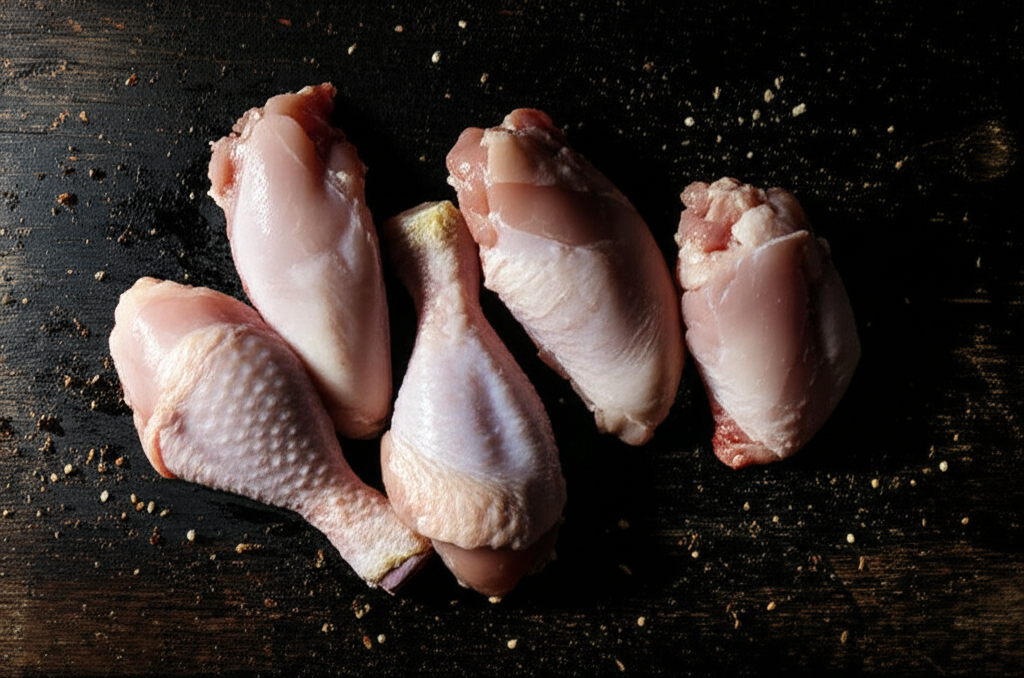
This is perhaps the most significant and commonly discussed danger associated with chicken. Raw chicken can carry harmful bacteria like Salmonella and Campylobacter. If chicken is not handled or cooked properly, these bacteria can cause severe food poisoning.
- What are the symptoms? Food poisoning can lead to symptoms like diarrhea, fever, stomach cramps, nausea, and vomiting. These symptoms usually appear within hours or days after eating contaminated food.
- How to prevent it?
- Thorough Cooking: The most crucial step is to cook chicken to an internal temperature of 165°F (74°C). Use a food thermometer to check the thickest part of the meat, ensuring it reaches this safe temperature.
- Prevent Cross-Contamination: Keep raw chicken separate from other foods. Use different cutting boards and utensils for raw chicken and ready-to-eat foods. Wash your hands thoroughly with soap and warm water after handling raw chicken.
- Proper Storage: Refrigerate raw chicken promptly and use it within a day or two, or freeze it for longer storage. Thaw frozen chicken safely in the refrigerator, a microwave, or under cold running water, never at room temperature.
The Centers for Disease Control and Prevention (CDC) provides extensive guidelines on preventing foodborne illnesses, emphasizing safe food handling practices for poultry. You can find more detailed information on their website.
2. Preparation Methods: Frying and Excess Fat
How you cook your chicken can turn a healthy protein source into something less beneficial. Deep-frying, for instance, adds a significant amount of fat and calories to chicken, often negating its lean protein benefits.
- Deep-Frying: This method involves submerging chicken in hot oil, which causes it to absorb a lot of fat. This can contribute to weight gain and increase the risk of heart disease if consumed frequently.
- Heavy Sauces and Coatings: Creamy sauces, breading, and sugary glazes can also add unhealthy fats, sugars, and calories.
Healthier Cooking Methods:
- Baking
- Grilling
- Roasting
- Poaching
- Stir-frying (with minimal oil)
Opting for these methods allows you to enjoy chicken’s flavor and nutrients without the added unhealthy fats and calories. For example, baked chicken breast is a far healthier choice than fried chicken.
3. Antibiotic Resistance and Hormones
Concerns are sometimes raised about the use of antibiotics and hormones in chicken farming. It’s important to understand what these mean for your health.
- Antibiotics: In conventional farming, antibiotics may be used to prevent disease in crowded conditions or to promote growth. The main concern here is the potential contribution to antibiotic resistance, where bacteria become resistant to antibiotics, making infections harder to treat in humans. However, regulatory bodies set rules for antibiotic use, including withdrawal periods before slaughter to ensure no residues remain in the meat.
- Hormones: In the United States, it is illegal to use hormones in the raising of poultry. So, any chicken labeled as “U.S. grown” or similar will not have been given hormones.
What does this mean for you?
- Choose Wisely: If you are concerned about antibiotic use, you can opt for chicken labeled as “antibiotic-free,” “raised without antibiotics,” or “organic.” These labels often indicate that the chickens were raised without the use of antibiotics or were given them only when necessary and under veterinary supervision.
- Organic Standards: Organic chicken must be raised on organic feed, without antibiotics, and have access to the outdoors. This can offer an additional layer of assurance for those prioritizing these aspects.
According to the USDA’s Food Safety and Inspection Service (FSIS), hormones are not permitted in the production of any poultry in the United States. This is a key piece of information that often causes confusion.
4. Contaminants in the Environment
While less common and usually addressed through regulations, environmental contaminants could potentially be present in animal feed or water, which might then be absorbed by the chickens. Modern agricultural practices and food safety regulations are designed to minimize these risks.
What to look for:
- Reputable sources: Buying chicken from well-regulated sources and trusted suppliers can help ensure it meets safety standards.
- Proper cooking: Again, cooking chicken thoroughly kills most harmful contaminants that might be present.
Comparing Chicken to Other Proteins
To better understand if chicken is “bad,” let’s briefly compare it to other common protein sources.
| Protein Source | Pros | Cons |
|---|---|---|
| Chicken Breast (Skinless) | High in lean protein, low in saturated fat, good source of B vitamins and selenium. Versatile and affordable. | Risk of foodborne illness if undercooked or mishandled. Can be dry if overcooked. |
| Beef (Lean Cuts) | Rich in iron, zinc, and B vitamins. Good protein source. | Can be higher in saturated fat than chicken. Potential concerns about red meat consumption and heart health or certain cancers. |
| Fish (e.g., Salmon) | Excellent source of omega-3 fatty acids, high-quality protein, vitamin D. | Can be more expensive. Concerns about mercury levels in some types of fish. Potential for sustainability issues depending on the source. |
| Pork (Lean Cuts) | Good source of thiamine and selenium. Leaner than many people assume. | Can be higher in saturated fat than chicken. |
| Legumes (Beans, Lentils) | Excellent source of plant-based protein, fiber, iron, and other minerals. Low in fat. Cholesterol-free. | Incomplete protein source (lacks some essential amino acids, but can be combined with grains for complete protein). Can cause digestive discomfort for some. |
As you can see, chicken, particularly skinless chicken breast, often stands out as a very healthy option due to its lean protein content and lower saturated fat compared to some red meats. Plant-based proteins like legumes offer different but equally valuable nutritional benefits.
Practical Steps to Enjoy Chicken Safely and Healthily
Now that we’ve covered the potential issues, let’s focus on how you can confidently incorporate chicken into your diet. It’s all about smart choices and simple techniques.
- Choose Your Chicken Wisely:
- Opt for Lean Cuts: Skinless chicken breast is typically the leanest choice. Thighs and drumsticks have a bit more fat, but are still good protein sources, especially if the skin is removed.
- Consider the Source: If you’re concerned about antibiotics or hormones, look for labels like “antibiotic-free,” “raised without antibiotics,” or “organic.”
- Master Safe Handling:
- Wash Hands: Always wash your hands thoroughly with soap and water before and after handling raw chicken.
- Separate: Keep raw chicken and its juices away from other foods, especially those that won’t be cooked. Use separate cutting boards and utensils.
- Clean Surfaces: Sanitize countertops, cutting boards, and utensils that have come into contact with raw chicken.
- Cook to Perfection:
- Use a Thermometer: This is non-negotiable. Insert a food thermometer into the thickest part of the chicken, avoiding bone. It must reach 165°F (74°C).
- Visual Cues: While a thermometer is best, properly cooked chicken should have clear juices and no pink in the center.
- Choose Healthier Cooking Methods:
- Bake, Grill, Roast, Poach: These methods use dry heat or moist heat without adding excessive fat.
- Stir-fry: Use a small amount of healthy oil like olive or canola oil.
- Avoid Deep-Frying: If you love crispy chicken, try baking it with a light breading or air-frying.
- Be Mindful of Add-ons:
- Sauces and Marinades: Opt for lighter marinades based on herbs, spices, lemon juice, or vinegar. Be cautious with sugary glazes or heavy, creamy sauces.
- Breading: Whole-wheat breadcrumbs or almond flour can be healthier alternatives to refined white flour.
By following these steps, you can significantly reduce any potential risks and make chicken a healthy and enjoyable part of your diet. Remember, consistency in these practices is key!
Frequently Asked Questions About Chicken
Here are some common questions people have about whether chicken is bad for you:
Q1: Is chicken bad for your heart?
A: Chicken, especially skinless chicken breast, is generally considered good for heart health. It’s a lean protein source that is lower in saturated fat than many red meats. However, preparation methods like deep-frying or adding high-fat sauces can make it less heart-healthy.
Q2: Can eating chicken cause cancer?
A: The relationship between chicken consumption and cancer is complex. Some studies suggest that processed meats and heavily charred or grilled meats (of any kind) may be associated with an increased risk of certain cancers. However, plain, properly cooked chicken is not typically linked to cancer. Focusing on a balanced diet rich in fruits, vegetables, and whole grains is most important.
Q3: Is organic chicken healthier than regular chicken?
A: Organic chicken is raised without antibiotics and on organic feed, and often has access to the outdoors. This means it avoids potential exposure to antibiotics and pesticides. While the nutritional content is similar, choosing organic can be a way to reduce your intake of these substances if that is a concern for you.
Q4: What are the biggest dangers of eating chicken?
A: The primary dangers are foodborne illnesses from bacteria like Salmonella and Campylobacter, which can occur if the chicken is not handled and cooked properly. Additionally, unhealthy preparation methods (like deep-frying) and high-fat additives can contribute to negative health outcomes.
Q5: Why do people say chicken is bad for you?
A: This often stems from concerns about foodborne pathogens, the use of antibiotics in conventional farming, or the fact that chicken can become unhealthy when prepared with excessive fat, salt, or sugar. It’s usually about the risks associated with improper handling or unhealthy cooking, rather than the chicken itself.
Q6: Should I avoid chicken skin?
A: Chicken skin contains more fat, including saturated fat, than the meat itself. If you are trying to reduce your fat intake or are concerned about heart health, it’s a good idea to remove the skin before eating. If you enjoy it in moderation as part of a balanced diet, it’s unlikely to cause significant harm.
Conclusion: Enjoying Chicken as Part of a Healthy Lifestyle
So, are chicken bad for you? Absolutely not! When you approach chicken with knowledge and care, it’s a fantastic, nutrient-dense food that can be a cornerstone of a healthy diet. The key lies in understanding how to handle it safely, cook it properly, and choose healthier preparation methods.
By prioritizing food safety – cooking chicken to that crucial 165°F (74°C) and preventing cross-contamination – you eliminate the risk of foodborne illnesses. Choosing to bake, grill, or roast your chicken instead of frying it keeps it lean and packed with beneficial protein and nutrients. If you’re concerned about farming practices, opting for “antibiotic-free” or “organic” labels can offer peace of mind.
Embracing these simple yet effective practices empowers you to enjoy chicken without worry. It’s about making informed choices that support your well-being. Remember, a balanced diet is diverse, and chicken, prepared well, plays a valuable role in providing essential protein and nutrients. Keep these tips in mind, and you can confidently savor your next chicken meal!