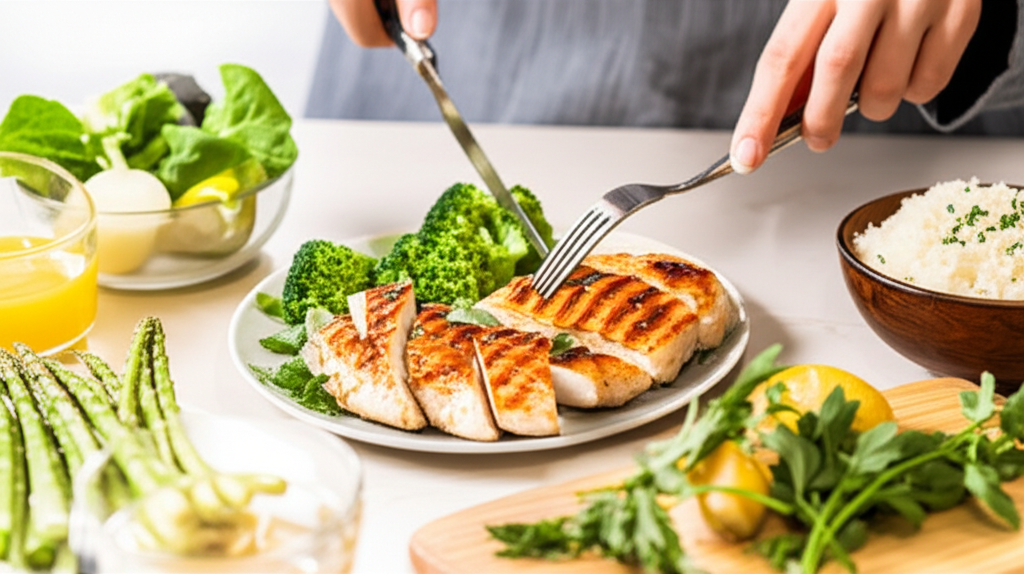

Chicken is NOT bad for weight loss! In fact, lean chicken is a fantastic, protein-packed food that can support your slimming journey. Properly prepared chicken helps you feel full, boosts metabolism, and provides essential nutrients without excess calories. Let’s discover how to make chicken your weight-loss ally.
Ever wonder if that chicken breast on your plate is helping or hurting your weight loss goals? It’s a common question, and honestly, it can be confusing with so many different ways to cook and eat chicken. Some people swear by it, while others worry it’s too plain or not enough. But what if I told you that chicken, when chosen and prepared wisely, is actually one of the best foods you can eat for slimming down? It’s true! We’ll break down exactly why chicken is a champion for weight loss and how you can easily incorporate it into your meals to feel satisfied and see results. Get ready to transform your perception of chicken and make it a delicious part of your successful weight loss plan.
Why Chicken is a Weight Loss Superfood
Chicken, especially lean cuts like breast and thigh, is a nutritional powerhouse that can significantly aid your weight loss efforts. It’s not just about being low in calories; it’s about how the nutrients in chicken work with your body to promote slimming.
1. High Protein Content for Satiety and Metabolism
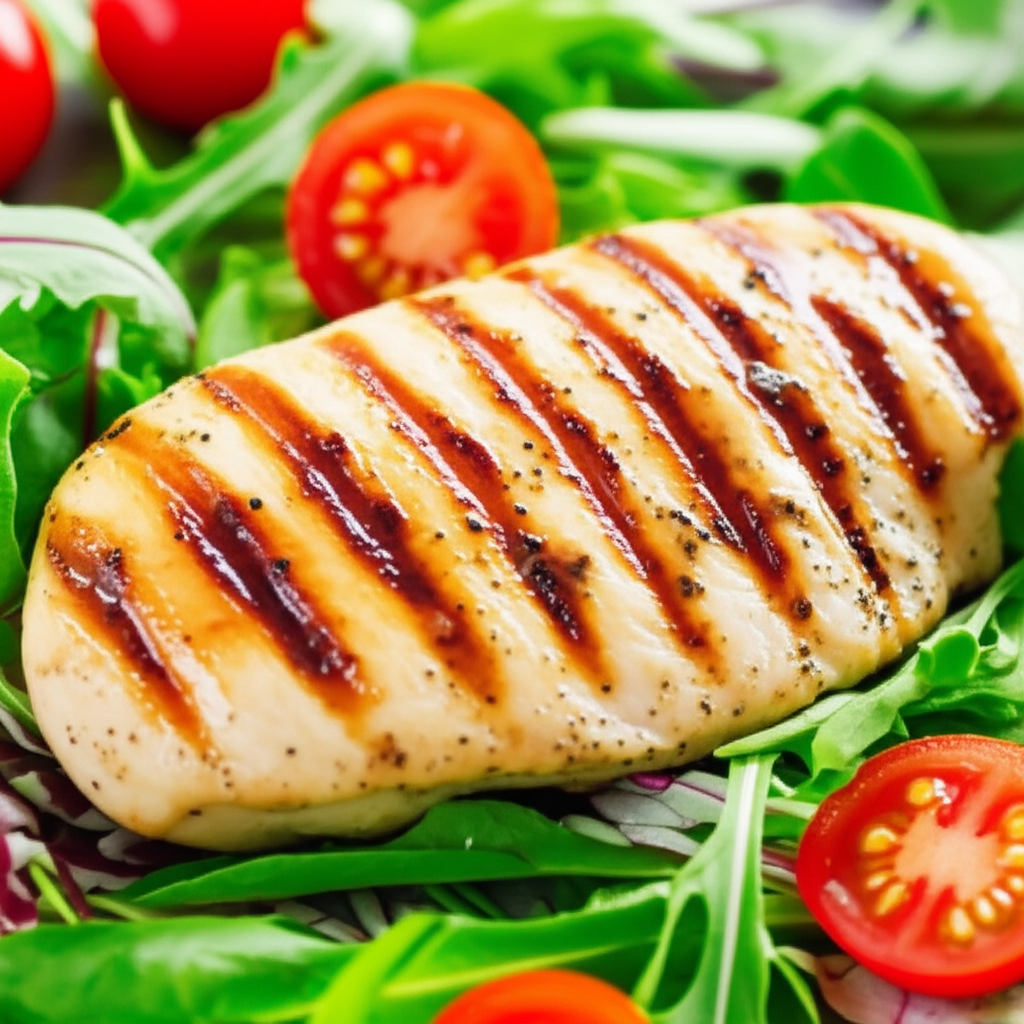
Protein is the star player when it comes to weight loss, and chicken is packed with it.
Keeps You Feeling Full: Protein takes longer to digest than carbohydrates or fats. This means that a meal with chicken will keep you feeling satisfied for a longer period, reducing the urge to snack between meals. This is crucial for managing calorie intake.
Boosts Metabolism: Your body actually burns more calories digesting protein than it does digesting fats or carbs. This is known as the thermic effect of food (TEF). A higher TEF means your body works a little harder, burning more calories at rest. According to the National Institutes of Health (NIH), protein has the highest TEF among macronutrients.
Preserves Muscle Mass: When you lose weight, you want to lose fat, not muscle. Protein is essential for building and maintaining muscle mass. Having more muscle helps your body burn more calories even when you’re not exercising.
2. Low in Calories, High in Nutrients
Lean chicken is naturally low in calories, especially when compared to other protein sources like red meat or processed meats.
Calorie Deficit Support: Weight loss fundamentally comes down to consuming fewer calories than your body burns. Chicken provides a substantial amount of filling protein for relatively few calories, making it easier to maintain a calorie deficit without feeling deprived.
Rich in Vitamins and Minerals: Chicken is a good source of B vitamins (like niacin and B6), which are important for energy metabolism. It also provides minerals like selenium, phosphorus, and zinc, all of which play vital roles in overall health and bodily functions.
3. Versatility for Long-Term Success
One of the biggest challenges in weight loss is sticking to a plan. If the food becomes boring, it’s easy to give up. Chicken’s incredible versatility is a huge advantage.
Endless Meal Options: From salads and stir-fries to soups and sandwiches, chicken can be prepared in countless ways. This variety keeps your meals interesting and helps prevent diet fatigue.
Adapts to Different Cuisines: Whether you’re craving Italian, Mexican, Asian, or American food, chicken can be a healthy base for almost any dish.
The “Are Chicken Bad for Weight Loss?” Myth: What to Watch Out For
So, if chicken is so great, why the confusion? The “bad” reputation often comes from how chicken is prepared and what it’s eaten with.
1. Frying vs. Grilling/Baking
Fried Chicken: Deep-frying chicken adds a significant amount of unhealthy fats and calories from the oil and breading. This can quickly turn a lean protein into a calorie-dense, less healthy meal.
Grilled, Baked, Roasted, Poached: These methods use little to no added fat and preserve the natural lean qualities of the chicken. They are ideal for weight loss.
2. Skin and Dark Meat
Chicken Skin: While tasty, chicken skin is high in fat and calories. Removing the skin before cooking or eating significantly reduces the fat content.
Dark Meat (Thighs and Drumsticks): Dark meat generally contains more fat and calories than white meat (breast). While it’s still a healthy protein source and can be part of a weight loss diet, opting for chicken breast is usually the most effective choice for maximizing protein and minimizing fat and calories.
3. Sauces, Marinades, and Sides
Heavy Sauces: Creamy, buttery, or sugary sauces and marinades can add a lot of hidden calories and sugar to your chicken. Opt for lighter, herb-based, or low-sugar options.
Unhealthy Sides: Pairing chicken with greasy fries, creamy mashed potatoes, or large portions of refined carbohydrates can negate the benefits of the lean protein. Choose vegetable-heavy sides or whole grains instead.
Let’s look at a comparison of common chicken preparations:
| Preparation Method | Calories | Protein (g) | Fat (g) | Notes |
|---|---|---|---|---|
| Chicken Breast (skinless, baked) | 120-130 | 25-28 | 2-3 | Leanest option, high protein. |
| Chicken Thigh (skinless, baked) | 160-180 | 20-22 | 7-9 | More flavor, slightly higher fat. |
| Chicken Breast (skin-on, baked) | 160-180 | 24-26 | 6-8 | Fat is mostly in the skin. |
| Chicken Wings (fried, breaded) | 250-300+ | 20-25 | 15-20+ | High in fat, calories, and sodium due to frying and breading. |
| Chicken Breast (fried, breaded) | 200-250+ | 20-25 | 10-15+ | Breading and frying significantly increase calories and fat. |
Note: Nutritional values can vary based on specific ingredients, cooking times, and portion sizes.
As you can see, the preparation method makes a huge difference!
Your Beginner-Friendly Guide to Using Chicken for Weight Loss
Ready to make chicken your weight-loss buddy? Here’s a simple, step-by-step approach.
Step 1: Choose Your Chicken Wisely
Prioritize White Meat: Opt for skinless chicken breast whenever possible. It’s the leanest part of the chicken and offers the most protein per calorie.
Consider Skinless Thighs: If you prefer the flavor of dark meat, choose skinless chicken thighs. They are still a good source of protein but will have slightly more fat and calories than breast meat.
Look for Natural: Buy fresh, unprocessed chicken. Avoid pre-marinated or pre-seasoned chicken, as these often contain added sugars, sodium, and unhealthy fats.
Step 2: Master Healthy Cooking Methods
The way you cook your chicken is key. Focus on methods that require minimal added fat.
Baking/Roasting: This is a fantastic, hands-off method. Place chicken breasts or thighs on a baking sheet, season with herbs and spices, and bake until cooked through. You can add vegetables to the same pan for a complete meal.
Grilling: Grilling imparts a lovely smoky flavor. Marinate chicken in a light, healthy marinade (like lemon juice, herbs, garlic, and olive oil) before grilling.
Poaching: This involves simmering chicken in liquid (water, broth, or wine) until tender. It results in incredibly moist chicken, perfect for salads or shredding.
Stir-Frying: Use a minimal amount of healthy oil (like olive or avocado oil) in a wok or large skillet. Cut chicken into small pieces for quick cooking and pair with plenty of colorful vegetables.
Sautéing: Similar to stir-frying but usually with a bit more oil and often in a pan rather than a wok. Use just enough oil to prevent sticking.
Step 3: Flavor Smartly, Not Heavily
You don’t need tons of butter, cream, or sugar to make chicken delicious.
Herbs and Spices: This is your best friend! Garlic powder, onion powder, paprika, cumin, turmeric, chili powder, dried herbs (rosemary, thyme, oregano), salt, and pepper can transform plain chicken.
Citrus: Lemon juice, lime juice, and orange juice add brightness and flavor without calories.
Vinegars: Balsamic, apple cider, and red wine vinegars add tang and depth.
Low-Sodium Broth: Use chicken or vegetable broth for poaching or creating light sauces.
Mustard and Yogurt: Dijon mustard or plain Greek yogurt can be used as bases for healthy marinades and sauces.
Garlic and Onion: Freshly minced garlic and onion are flavor powerhouses.
Step 4: Pair with Nutrient-Dense Sides
What you eat with your chicken matters just as much as the chicken itself.
Loads of Veggies: Fill at least half your plate with non-starchy vegetables. Think broccoli, spinach, kale, bell peppers, zucchini, asparagus, and leafy greens. They are low in calories and high in fiber, vitamins, and minerals.
Whole Grains: For complex carbohydrates, choose small portions of brown rice, quinoa, sweet potatoes, or whole-wheat pasta. These provide sustained energy and fiber.
Healthy Fats: Add a small amount of healthy fat, like avocado, nuts, or seeds, to your meal for satiety and nutrient absorption.
Step 5: Portion Control is Key
Even healthy foods need to be eaten in appropriate amounts. A standard serving of chicken for weight loss is typically around 3-4 ounces (about the size of a deck of cards).
Measure Initially: If you’re unsure, use measuring cups or a food scale for the first few weeks to get a good sense of what a 3-4 ounce portion looks like.
Listen to Your Body: Pay attention to your hunger and fullness cues. Protein-rich meals like those with chicken should help you feel satisfied.
Sample Chicken Meals for Weight Loss
Here are a few ideas to get you started:
Lemon Herb Baked Chicken Breast: Bake a skinless chicken breast seasoned with lemon juice, garlic powder, dried rosemary, thyme, salt, and pepper. Serve with steamed broccoli and a small portion of quinoa.
Chicken and Veggie Stir-Fry: Stir-fry diced chicken breast with broccoli florets, sliced bell peppers, snap peas, and carrots in a light soy sauce or tamari-based sauce. Serve over a small amount of brown rice.
Chicken Salad Lettuce Wraps: Dice cooked, poached chicken breast. Mix with plain Greek yogurt (instead of mayo), chopped celery, a little Dijon mustard, and a pinch of salt and pepper. Serve in crisp lettuce cups.
Grilled Chicken Salad: Top a bed of mixed greens with grilled chicken breast strips, cherry tomatoes, cucumber, bell peppers, and a light vinaigrette dressing. Add a sprinkle of sunflower seeds for crunch.
Can Chicken Be Part of a Balanced Weight Loss Diet?
Absolutely! Chicken is a cornerstone of many successful weight loss diets because it’s a lean, high-protein food that is versatile and nutrient-dense.
A balanced weight loss diet focuses on:
Adequate Protein: Chicken provides this efficiently.
Plenty of Fiber: From vegetables, fruits, and whole grains.
Healthy Fats: From sources like avocados, nuts, seeds, and olive oil.
Hydration: Drinking enough water is essential for metabolism and satiety.
Mindful Eating: Paying attention to what and how you eat.
Chicken fits perfectly into this framework, helping you feel full and satisfied while supporting your body’s needs.
Frequently Asked Questions About Chicken and Weight Loss
Q1: Is chicken breast the only good part of chicken for weight loss?
A1: While chicken breast is the leanest and lowest in calories, skinless chicken thighs are also a good option. They have a bit more fat but are still high in protein and can be part of a healthy weight loss diet. Just remember to remove the skin!
Q2: How much chicken should I eat per day for weight loss?
A2: A general guideline for protein intake for weight loss is around 0.7 to 1 gram of protein per pound of your target body weight. For most people, this translates to about 3-6 ounces of cooked chicken per meal, depending on your overall calorie needs and activity level. It’s best to consult with a doctor or registered dietitian for personalized advice.
Q3: Are chicken wings and fried chicken bad for weight loss?
A3: Yes, typically chicken wings and most forms of fried chicken are not ideal for weight loss. The breading and deep-frying process adds a significant amount of calories, unhealthy fats, and sodium, which can hinder your progress.
Q4: What are the best spices to use on chicken for weight loss?
A4: You can use almost any herbs and spices! Popular choices include garlic powder, onion powder, paprika, cumin, chili powder, turmeric, Italian seasoning, dill, and black pepper. They add flavor without adding calories or unhealthy ingredients.
Q5: Can I eat chicken every day if I’m trying to lose weight?
A5: Yes, chicken can be a healthy part of your daily diet for weight loss. However, variety is also important for getting a wide range of nutrients. Consider rotating chicken with other lean protein sources like fish, turkey, beans, lentils, and tofu.
Q6: Is chicken soup good for weight loss?
A6: A clear chicken broth-based soup with lots of vegetables and lean chicken pieces can be excellent for weight loss. The broth helps you feel full, and the vegetables and protein provide nutrients and satiety. Avoid creamy or noodle-heavy soups, which can be higher in calories.
Conclusion: Chicken is Your Slimming Ally!
So, let’s put the myth to rest: chicken is absolutely not* bad for weight loss. In fact, when you choose lean cuts like skinless chicken breast and prepare it using healthy methods like baking, grilling, or poaching, it becomes a powerful tool in your slimming journey. Its high protein content keeps you feeling full and satisfied, supports your metabolism, and helps preserve precious muscle mass.
The key is to be mindful of preparation and pairings. Steer clear of deep-frying and heavy, creamy sauces. Instead, embrace a world of flavor with herbs, spices, and fresh ingredients. Pair your chicken with plenty of colorful vegetables and moderate portions of whole grains for a truly balanced and effective weight loss meal.
By making smart choices and using the simple steps outlined above, you can confidently incorporate chicken into your diet and enjoy delicious, satisfying meals that actively support your weight loss goals. Remember, consistency and mindful eating are your best friends, and chicken is ready to be your delicious, protein-packed partner every step of the way!