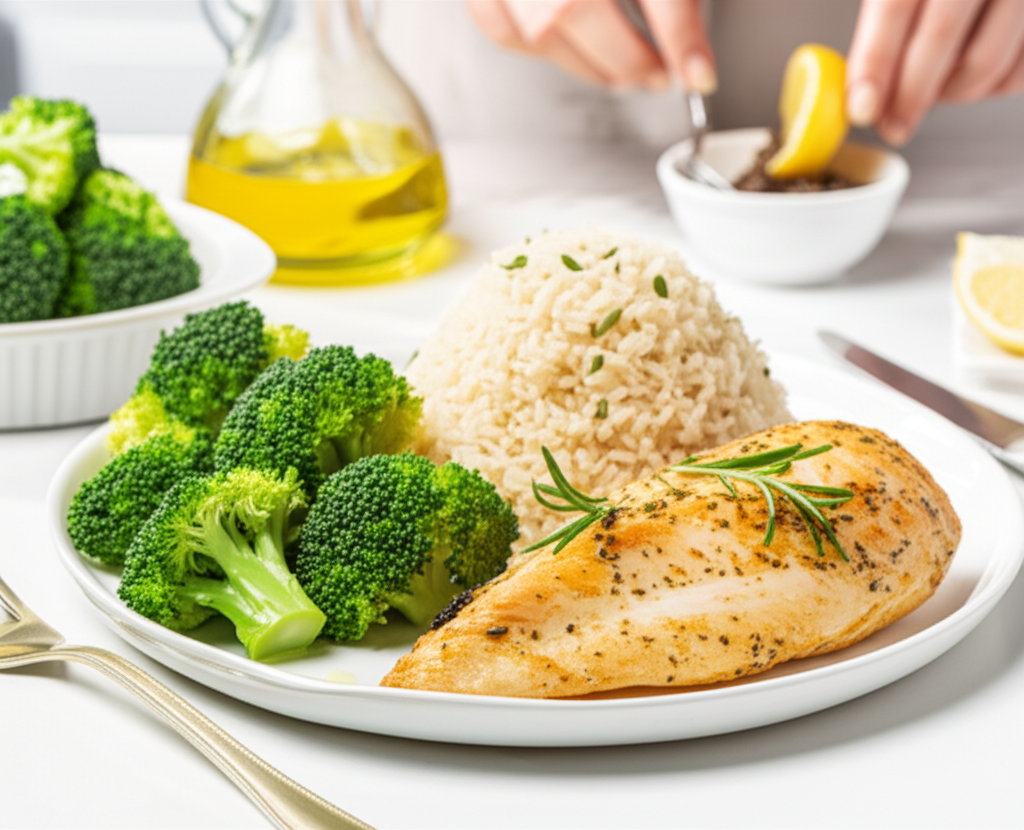

Quick Summary: While chicken can be part of a gout-friendly diet, it’s crucial to choose lean cuts and consume them in moderation. High-purine foods can trigger gout flares, and while chicken isn’t the highest, certain preparations and types can increase its purine content, potentially impacting gout symptoms.
Living with gout can feel like a constant puzzle, especially when it comes to food. You want to eat well, enjoy your meals, and keep those painful flares at bay. One question that often pops up is about chicken: is it a friend or foe to your gout management plan? It’s a common concern, and understanding the role of chicken in your diet can make a big difference. Don’t worry, we’re here to break it down simply. We’ll guide you through what you need to know about chicken and gout, offering clear, actionable advice. Get ready to feel more confident about making smart food choices!
Understanding Gout and Purines
Gout is a type of arthritis that can cause sudden, severe attacks of pain, swelling, redness, and tenderness in one or more joints. These attacks, often called gout flares, are usually caused by the buildup of urate crystals in your joints. Urate crystals form when your body has too much uric acid. Uric acid is a waste product naturally produced by your body. It’s also found in many foods.
The key to managing gout through diet lies in understanding purines. Purines are natural compounds found in many foods. When your body breaks down purines, it produces uric acid. For most people, uric acid dissolves in the blood, passes through the kidneys, and is eliminated in urine. However, if your body produces too much uric acid or your kidneys don’t remove enough of it, you can develop gout.
This is why certain foods are often flagged as potential triggers for gout flares. The goal is to reduce your intake of high-purine foods to help lower your uric acid levels and prevent those uncomfortable flare-ups. But it’s not about eliminating all flavor or enjoyment from your diet; it’s about making informed choices.
Chicken and Gout: What’s the Connection?
So, where does chicken fit into this purine picture? Chicken itself is generally considered a moderate source of purines, not a high one. This is good news for chicken lovers! However, the amount of purines can vary depending on the type of chicken and how it’s prepared. This is where things can get a little nuanced.
For example, organ meats like liver or kidney are very high in purines and are typically avoided by people with gout. Certain types of seafood, like anchovies and sardines, are also high in purines. Red meats like beef and pork are considered moderate to high. Chicken, when chosen wisely, can often be a good lean protein option.
The way you cook chicken also plays a role. Frying chicken can add unhealthy fats, which are not ideal for overall health and can sometimes be linked to inflammation. Broiling, baking, or grilling are generally healthier preparation methods. Understanding these details helps you make better choices when you’re planning your meals.
Purine Content: A Closer Look at Chicken
To truly understand if chicken is “bad” for gout, we need to look at the numbers. Purine content is often measured in milligrams (mg) of purines per 100 grams (about 3.5 ounces) of food. Dietary guidelines for gout management often suggest limiting foods with purine levels above 100-200 mg per 100g, especially during flare-ups.
Here’s a general breakdown of purine content in different types of chicken:
| Food Item | Purine Content (mg/100g) |
|---|---|
| Chicken Breast (cooked, roasted) | 130-150 mg |
| Chicken Thighs (cooked, roasted) | 140-160 mg |
| Chicken Skin (cooked) | ~180 mg |
| Chicken Liver (cooked) | 300-400 mg (Very High) |
| Chicken Gravy (made from drippings) | Can vary, but drippings can concentrate purines. |
As you can see, chicken breast and thighs fall into the moderate purine category. This means they can be included in a gout-friendly diet, but portion control is key. Chicken skin, while tasty, is higher in purines and fat, so it’s often best to skip it. Chicken liver is definitely in the “high purine” zone and should be avoided by individuals with gout.
It’s also worth noting that the purine content can be affected by cooking methods. For instance, boiling meat can cause some purines to leach into the cooking water. However, the water is often discarded, and this method is sometimes recommended for reducing purine intake from meats. You can learn more about gout-friendly diets from reputable sources like the National Institute of Arthritis and Musculoskeletal and Skin Diseases (NIAMS).
Making Chicken Gout-Friendly: Practical Tips
So, if you enjoy chicken, don’t despair! You can still savor it as part of your gout management plan. The key is to be smart about your choices and preparation. Here are some practical tips:
- Choose Lean Cuts: Opt for chicken breast over darker meat like thighs or wings, as breast meat generally has slightly lower purine levels. Always remove the skin, as it contains more purines and fat.
- Watch Portion Sizes: Moderation is vital. A typical serving size for protein is about 3-4 ounces (roughly the size of a deck of cards). Stick to these recommended portions to keep your purine intake in check.
- Healthy Cooking Methods: Instead of frying, which adds unhealthy fats, choose baking, grilling, broiling, or poaching. These methods are healthier and won’t increase the purine content.
- Avoid High-Purine Preparations: Steer clear of chicken gravies made from meat drippings, as these can concentrate purines. Also, avoid processed chicken products like chicken nuggets or processed deli meats, which can contain higher levels of purines and sodium.
- Hydrate Well: Drinking plenty of water is crucial for everyone, but especially for those with gout. Water helps your kidneys flush out uric acid. Aim for at least 8 glasses of water a day.
- Balance Your Plate: When you eat chicken, pair it with plenty of gout-friendly vegetables, fruits, and whole grains. This creates a balanced meal that is lower in overall purines and rich in nutrients.
By following these simple guidelines, you can enjoy chicken without significantly increasing your risk of a gout flare.
Other Foods to Consider for Gout Management
While we’re focusing on chicken, it’s helpful to have a broader understanding of foods that can impact gout. A well-rounded gout diet includes plenty of low-purine options and limits high-purine foods.
Foods to Enjoy (Low Purine)
- Fruits: Most fruits are excellent choices, especially cherries, which have been shown to help lower uric acid levels and reduce gout flares.
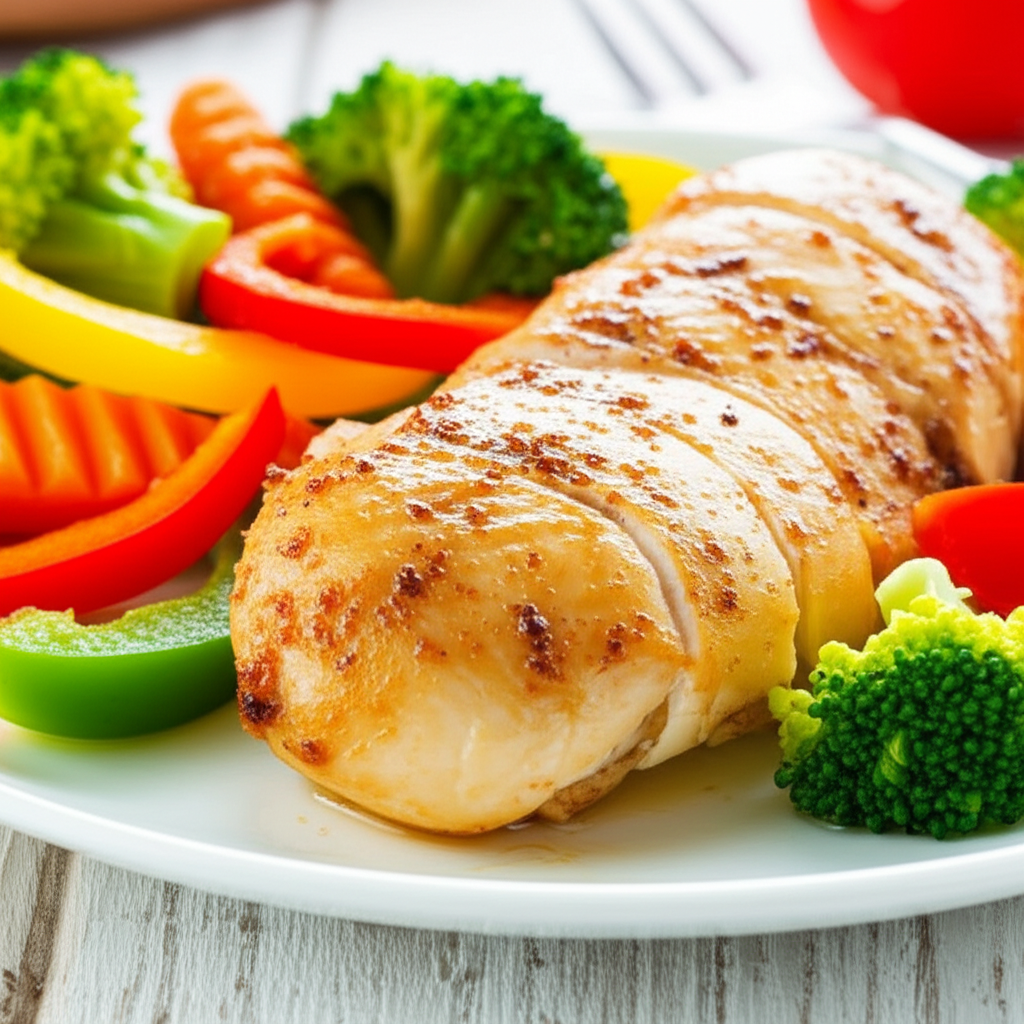
- Vegetables: Most vegetables are good, including leafy greens, carrots, cucumbers, and bell peppers. While some vegetables like asparagus, spinach, and mushrooms were once thought to be high in purines, research now suggests they don’t significantly increase gout risk.
- Whole Grains: Oats, brown rice, whole-wheat bread, and quinoa are great sources of complex carbohydrates.
- Dairy Products: Low-fat dairy products, like milk, yogurt, and cheese, have been linked to a reduced risk of gout.
- Eggs: Eggs are a good source of protein and are low in purines.
- Legumes: Lentils, beans, and peas are good sources of protein and fiber, and their purine content is generally considered moderate and not strongly linked to gout flares for most people.
- Nuts and Seeds: Most nuts and seeds are healthy and low in purines.
Foods to Limit or Avoid (High Purine)
- Organ Meats: Liver, kidneys, sweetbreads, and brain are very high in purines.
- Certain Seafood: Anchovies, sardines, herring, mussels, scallops, mackerel, and trout are high in purines.
- Red Meats: Beef, lamb, and pork should be consumed in moderation.
- Sugary Drinks and Foods: High-fructose corn syrup found in sodas and many processed foods can increase uric acid levels.
- Alcohol: Beer and spirits are particularly high in purines and can trigger flares. Wine in moderation may have less impact.
Remember, individual responses to foods can vary. Keeping a food diary can help you identify your personal triggers. For more detailed information on food and gout, you can consult resources from organizations like the Gout Australia.
The Role of Hydration and Lifestyle
Diet is a cornerstone of gout management, but it’s not the only piece of the puzzle. Lifestyle factors play a significant role too. Staying hydrated is incredibly important. Water helps your kidneys efficiently filter out uric acid from your body.
Hydration Goals:
- Aim for at least 8-10 glasses (about 2-2.5 liters) of water per day.
- Spread your water intake throughout the day.
- Herbal teas and water infused with fruits (like lemon or cucumber) can also contribute to your fluid intake.
- Limit sugary drinks, as they can increase uric acid levels.
Maintaining a healthy weight is another critical factor. Being overweight can increase uric acid production and decrease its excretion. Even a modest weight loss can significantly help manage gout symptoms. However, it’s important to lose weight gradually, as rapid weight loss or crash diets can sometimes trigger gout flares due to the breakdown of body tissues releasing uric acid.
Regular physical activity is also beneficial. Exercise helps with weight management and overall health. However, it’s important to choose activities that don’t put excessive stress on your joints, especially if you are experiencing a flare-up. Consult with your doctor or a physical therapist for advice on appropriate exercises.
Managing stress is also important, as stress can sometimes exacerbate gout symptoms. Finding healthy ways to cope with stress, such as mindfulness, meditation, or gentle yoga, can be very helpful.
When to Consult a Healthcare Professional
While dietary changes and lifestyle adjustments are powerful tools for managing gout, they are not a substitute for professional medical advice. It’s essential to work closely with your doctor or a registered dietitian who specializes in gout management.
Your healthcare provider can:
- Provide an accurate diagnosis of gout.
- Discuss medication options if diet and lifestyle alone are not sufficient to control your uric acid levels or flares.
- Help you create a personalized gout management plan that considers your specific health needs, other medical conditions, and medications.
- Offer guidance on interpreting food labels and understanding purine content in various foods.
Don’t hesitate to ask questions and express your concerns. A collaborative approach with your healthcare team ensures you are receiving the best possible care for your gout.
Frequently Asked Questions (FAQs)
- Is all chicken bad for gout?
- No, not all chicken is bad for gout. Lean cuts like chicken breast, when consumed in moderation and prepared healthily, can be part of a gout-friendly diet. Avoid chicken skin and organ meats like liver, which are higher in purines.
- What is the best way to cook chicken for gout?
- The best ways to cook chicken for gout are baking, grilling, broiling, or poaching. These methods avoid adding unhealthy fats and do not increase purine content. Frying should be avoided.
- How much chicken can I eat if I have gout?
- Portion control is key. A typical serving size of chicken for someone with gout is around 3-4 ounces (about the size of a deck of cards) per meal. It’s advisable to limit chicken intake to a few times a week rather than daily.
- Are chicken thighs worse than chicken breasts for gout?
- Chicken thighs generally contain slightly more purines and fat than chicken breasts. While both can be eaten in moderation, chicken breast is often considered a slightly better choice for those managing gout.
- What are the top 3 foods to avoid for gout?
- The top three categories of foods generally advised to avoid or limit strictly for gout are organ meats (like liver), certain high-purine seafood (like anchovies and sardines), and sugary drinks, especially those with high-fructose corn syrup.
- Can I drink chicken broth if I have gout?
- Chicken broth made from meat drippings or bones can be high in purines. It’s generally recommended to opt for lighter vegetable broths or ensure any chicken broth is made with minimal meat solids and consumed in moderation. Reading labels or making your own from scratch with careful selection of ingredients is best.
- Do vegetables like spinach and mushrooms cause gout flares?
- While spinach and mushrooms were once thought to be high-purine foods that triggered gout, current research suggests that plant-based purines in vegetables do not increase the risk of gout flares in the same way as animal-based purines. They are generally considered safe and beneficial for a gout diet.
Conclusion: Enjoying Chicken Wisely
Living with gout doesn’t mean you have to give up all the foods you love. Chicken, when approached with awareness and moderation, can certainly be a part of a healthy, gout-friendly diet. By choosing lean cuts like chicken breast, removing the skin, opting for healthier cooking methods, and being mindful of portion sizes, you can enjoy chicken without unnecessarily increasing your risk of flares.
Remember that managing gout is a holistic process. It involves not just what you eat, but also how much you drink, how active you are, and how you manage your overall health. Staying hydrated, maintaining a healthy weight, and seeking guidance from healthcare professionals are just as important as dietary choices. By making informed decisions and embracing a balanced lifestyle, you can effectively manage your gout and continue to enjoy delicious, nourishing meals.