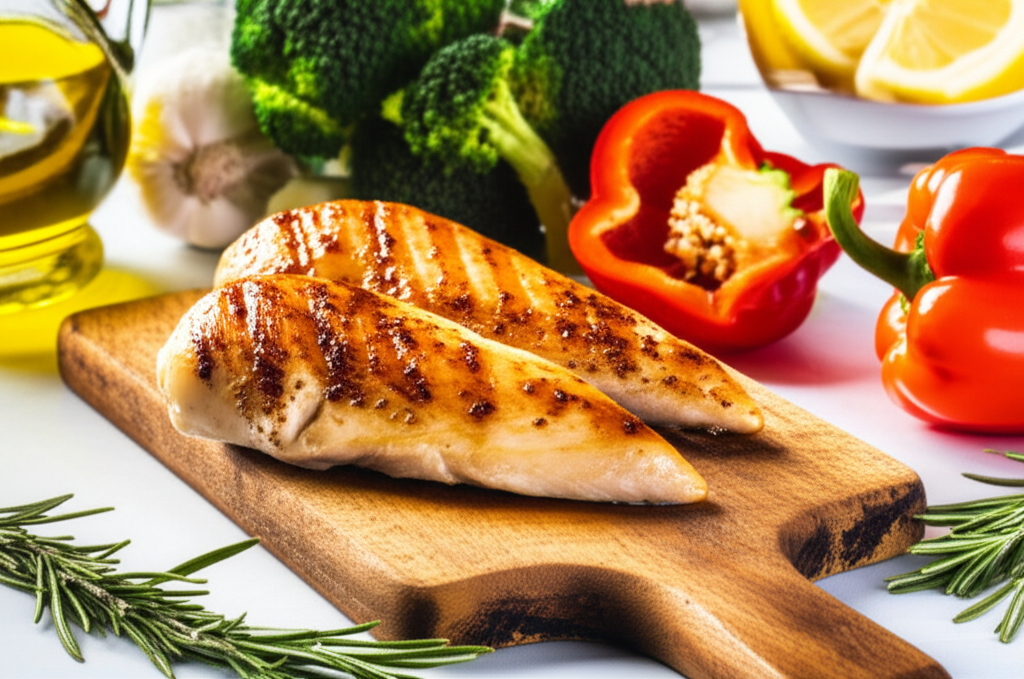

Are chicken bad for you? Not necessarily! Chicken can be a healthy part of a balanced diet. The key is how it’s raised, prepared, and consumed. Focus on lean cuts, healthy cooking methods, and moderation to enjoy chicken’s benefits without the downsides.
Ever find yourself staring at a menu or a grocery store aisle, wondering about the chicken? It’s everywhere, right? But then a little voice pops up, asking, “Is chicken actually good for me?” This can feel confusing, especially with so many different opinions out there. We want to eat well, but figuring out what’s truly healthy can be a puzzle. Don’t worry! We’re going to break down the essential truths about chicken in a simple, step-by-step way. You’ll learn exactly what to look for and how to prepare it to get the most goodness from it. Let’s uncover the real story behind chicken, together.
Understanding Chicken: What’s Inside?
Chicken is a popular protein source worldwide. It’s loved for its versatility and affordability. But what makes it so appealing from a nutritional standpoint? Let’s look at the good stuff chicken brings to your plate.
The Nutritional Powerhouse
Chicken is packed with nutrients that our bodies need to function well. Here’s a peek at what you’re getting:
- Protein: This is chicken’s star player. Protein is crucial for building and repairing tissues, making enzymes and hormones, and is a vital building block for bones, muscles, skin, and blood.
- Vitamins: Chicken is a good source of B vitamins, particularly niacin (B3), pyridoxine (B6), and cobalamin (B12). These vitamins are essential for energy production, brain function, and the formation of red blood cells.
- Minerals: It provides important minerals like selenium, which acts as an antioxidant, and phosphorus, which is vital for bone and teeth health. It also contains zinc, important for immune function.
Lean vs. Dark Meat: What’s the Difference?
When we talk about chicken, not all parts are created equal. The “lean” and “dark” meat distinctions are important for understanding its nutritional profile. Think of it like this:
- Lean Meat (e.g., Chicken Breast): This is typically white meat. It has less fat and fewer calories compared to dark meat. It’s often the go-to for those watching their fat intake.
- Dark Meat (e.g., Chicken Thighs, Drumsticks): This meat is redder and has a slightly richer flavor. It contains more fat and calories than white meat, but it also often has higher levels of iron and zinc.
Here’s a simple comparison:
| Part of Chicken | Approximate Protein (per 3.5 oz cooked) | Approximate Fat (per 3.5 oz cooked) | Key Nutrients |
|---|---|---|---|
| Chicken Breast (skinless) | 31g | 3.6g | Niacin, Selenium, Phosphorus |
| Chicken Thigh (skinless) | 24g | 8.5g | Iron, Zinc, B Vitamins |
| Chicken Drumstick (skinless) | 24g | 7.7g | Iron, Zinc, B Vitamins |
Source: USDA FoodData Central
As you can see, both offer protein, but the fat content varies. The skin on chicken also adds a significant amount of fat, so removing it can lower the overall fat content considerably.
Potential Downsides of Chicken: What to Watch Out For
While chicken offers many benefits, there are a few areas where concerns can arise. Understanding these potential issues helps us make smarter choices.
1. Fat and Cholesterol Content
Chicken, especially dark meat and skin-on varieties, contains saturated fat and cholesterol. While dietary cholesterol’s impact on blood cholesterol is debated, high intake of saturated fat is linked to an increased risk of heart disease for many people. The U.S. Department of Agriculture (USDA) recommends limiting saturated fat intake. Choosing leaner cuts and removing the skin are simple ways to manage this.
2. Antibiotics and Hormones in Production
This is a common concern for many consumers. In conventional farming, antibiotics are sometimes used to prevent disease and promote growth in chickens. The use of antibiotics can contribute to the rise of antibiotic-resistant bacteria, which is a public health concern. The U.S. Food and Drug Administration (FDA) has regulations in place regarding antibiotic use in animal agriculture. Similarly, the use of hormones in poultry production is actually prohibited by U.S. federal law.
Key takeaway: Look for labels like “antibiotic-free” or “organic” if you want to avoid conventionally raised chicken. Organic certification, for example, typically means the birds were raised without antibiotics or added hormones and were fed organic feed.
3. Food Safety and Contamination
Raw chicken can harbor bacteria like Salmonella and Campylobacter, which can cause food poisoning. Proper handling and cooking are absolutely essential to prevent illness. According to the Centers for Disease Control and Prevention (CDC), foodborne illnesses are a significant public health issue, and poultry is a common source.
Essential practice: Always wash your hands thoroughly after handling raw chicken, use separate cutting boards for raw meat and produce, and cook chicken to an internal temperature of 165°F (74°C) to kill harmful bacteria.
4. Processing and Additives
Many pre-packaged chicken products, like chicken nuggets, sausages, or deli meats, can be high in sodium, unhealthy fats, and additives. These can include preservatives, artificial flavors, and fillers that aren’t ideal for regular consumption. Reading nutrition labels is your best friend here!
Making Chicken Work FOR You: Healthy Preparation and Choices
Now that we understand the nuances, let’s focus on the positive: how to enjoy chicken in a way that truly benefits your health. It’s all about smart choices and simple techniques.
Choosing Your Chicken Wisely
Your journey to healthy chicken starts at the store. Here’s what to look for:
- Lean Cuts: Opt for chicken breast or tenderloins. They are naturally lower in fat.
- Skinless: Always choose skinless chicken. The skin contains a lot of fat.
- Organic or Pasture-Raised: If your budget allows, these options often mean better farming practices, potentially fewer antibiotics, and a more natural diet for the chickens.
- Avoid Processed Products: Steer clear of heavily processed chicken items unless you’re checking labels carefully for high sodium or unhealthy fat content.
Healthy Cooking Methods
How you cook your chicken is just as important as the cut you choose. These methods keep it healthy and delicious:
- Baking/Roasting: A simple and effective way to cook chicken. Place it on a rack in a baking dish to allow fat to drip away.
- Grilling: Grilling can give chicken a lovely char and flavor without added fats. Just be mindful of marinades, opting for lighter, herb-based ones.
- Poaching: Gently simmering chicken in water or broth keeps it incredibly moist and is a very low-fat method.
- Stir-frying: Use a small amount of healthy oil like olive or avocado oil. Load up on vegetables for a complete meal.
- Air Frying: This is a fantastic modern method that uses hot air to crisp up chicken with minimal oil, mimicking deep-frying.
Methods to use sparingly: Deep-frying and pan-frying with a lot of oil can add significant unhealthy fats and calories. If you do pan-fry, use a non-stick pan and just a teaspoon of oil.
Portion Control and Balance
Even healthy foods should be eaten in moderation. A standard serving of chicken is about 3-4 ounces, which is roughly the size of a deck of cards. Pairing your chicken with plenty of vegetables and whole grains creates a balanced and satisfying meal. Think of chicken as the protein component of a larger, healthy plate.
Example of a balanced meal: Grilled chicken breast with a large side of steamed broccoli and a serving of quinoa.
Debunking Myths: Chicken and Your Health
There are many myths surrounding chicken consumption. Let’s clear up some common misconceptions:
- Myth: All chicken is unhealthy.
- Truth: As we’ve discussed, lean, skinless chicken prepared with healthy methods is a nutritious food.
- Myth: Chicken makes you gain weight.
- Truth: Weight gain is generally due to consuming more calories than you burn, regardless of the source. Lean chicken, in appropriate portions, can be part of a weight management plan.
- Myth: You can’t eat chicken if you have high cholesterol.
- Truth: While it’s wise to be mindful of saturated fat, lean chicken can be part of a heart-healthy diet. Consulting a doctor or dietitian for personalized advice is always recommended.
FAQs About Chicken
Q1: Is chicken breast healthier than chicken thighs?
A1: Generally, chicken breast is considered healthier because it’s leaner, meaning it has less fat and fewer calories than chicken thighs. However, chicken thighs are still a good source of protein and offer more iron and zinc.
Q2: Should I worry about hormones in chicken?
A2: No, you don’t need to worry about hormones in chicken because the use of hormones in poultry production is illegal in the United States. Claims about “hormone-free” chicken are therefore misleading.
Q3: How can I make sure my chicken is safe to eat?
A3: Always cook chicken to an internal temperature of 165°F (74°C), which you can check with a food thermometer. Additionally, practice good food safety by washing hands, utensils, and surfaces that come into contact with raw chicken.
Q4: Is it okay to eat chicken skin?
A4: Chicken skin contains a significant amount of fat, particularly saturated fat. While it’s not inherently “bad” in moderation for everyone, consuming it regularly can increase your intake of fat and calories. Removing the skin before cooking or eating is a simple way to reduce this.
Q5: What does “antibiotic-free” chicken mean?
A5: “Antibiotic-free” chicken means that the chickens in that package were not given antibiotics during their lifetime. This can be a choice for consumers concerned about antibiotic resistance. Look for certifications or labels that verify this claim.
Q6: Is processed chicken (like nuggets or deli meat) bad for me?
A6: Processed chicken products can be less healthy due to added sodium, preservatives, and unhealthy fats. It’s best to consume them in moderation and check nutrition labels. Whole, unprocessed chicken is generally a healthier choice.
Conclusion: Enjoying Chicken with Confidence
So, are chicken bad for you? The answer, as we’ve explored, is a resounding “not necessarily!” Chicken is a nutritional powerhouse, offering essential protein, vitamins, and minerals that are vital for our health. The key to enjoying chicken without worry lies in making informed choices and adopting healthy preparation habits. By opting for lean, skinless cuts, choosing healthier cooking methods like baking, grilling, or poaching, and being mindful of portion sizes, you can easily incorporate chicken into a balanced and nourishing diet.
Remember to be aware of potential concerns like fat content and the importance of food safety. Choosing organic or antibiotic-free options can offer peace of mind for some, while always practicing proper handling and cooking techniques is crucial for everyone. Don’t let confusion hold you back from enjoying a versatile and beneficial food. With these simple truths and practical tips, you can confidently serve and savor chicken, knowing you’re making a positive choice for your well-being. Happy, healthy eating!