

Yes, boiled shrimp are generally very good for you! They are a lean protein source, packed with essential nutrients like selenium, vitamin B12, and omega-3 fatty acids, while being low in calories and fat. Enjoying boiled shrimp as part of a balanced diet can support overall health.
Welcome, fellow shrimp enthusiasts! Are you curious about the health benefits of those delicious little crustaceans we so often see on our plates? Many people wonder if boiled shrimp are a healthy choice, and it’s a great question to ask, especially when you’re learning about all sorts of fascinating aquatic life. It can be a bit confusing to navigate the world of nutrition and seafood. But don’t worry! We’re here to break down exactly why boiled shrimp are a fantastic addition to your diet, offering a wealth of goodness without the fuss. Let’s dive in and explore the essential health aspects of enjoying boiled shrimp, making it easy for you to understand and feel confident about your food choices.
The Nutritional Powerhouse: What Makes Boiled Shrimp So Healthy?
Shrimp, in general, are often hailed as a healthy seafood option, and when prepared by boiling, they retain many of their beneficial nutrients. Boiling is a simple cooking method that doesn’t require added fats or oils, making it an excellent way to enjoy shrimp while maximizing their health perks. Let’s look at what makes them so good for you.
Lean Protein Champion
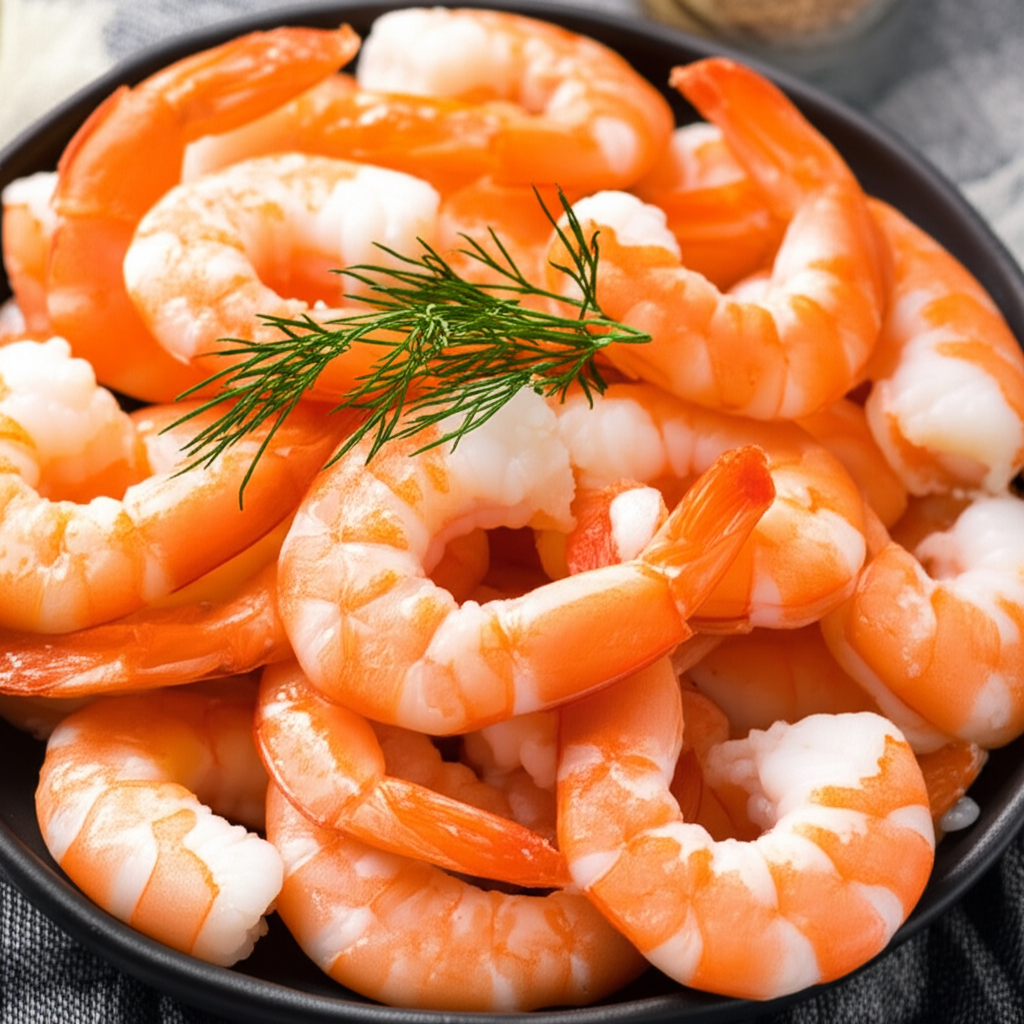
One of the most significant benefits of boiled shrimp is their high protein content. Protein is crucial for building and repairing tissues, making enzymes and hormones, and supporting overall body function. Shrimp provide a complete protein, meaning they contain all the essential amino acids your body needs but can’t produce on its own.
- Muscle Building & Repair: Essential for athletes and anyone looking to maintain muscle mass.
- Satiety: Protein helps you feel fuller for longer, which can be beneficial for weight management.
- Enzyme & Hormone Production: Vital for countless bodily processes.
Rich in Essential Vitamins
Boiled shrimp are a fantastic source of several key vitamins that play vital roles in your health.
- Vitamin B12: This vitamin is critical for nerve function, DNA synthesis, and the formation of red blood cells. A deficiency can lead to fatigue and neurological issues. Shrimp are one of the best dietary sources of B12.
- Niacin (Vitamin B3): Important for converting food into energy and for the proper functioning of the nervous system, digestive system, and skin.
- Pantothenic Acid (Vitamin B5): Involved in energy production and the synthesis of hormones and cholesterol.
- Vitamin E: A powerful antioxidant that helps protect your cells from damage.
Mineral Marvels
Beyond vitamins, boiled shrimp also deliver a solid dose of important minerals.
- Selenium: This is a standout mineral found in shrimp. Selenium is a potent antioxidant that protects against cell damage, supports thyroid function, and plays a role in immune health.
- Phosphorus: Essential for bone and teeth health, as well as energy metabolism.
- Choline: Important for brain health, liver function, and metabolism.
- Iodine: Crucial for thyroid hormone production, which regulates metabolism.
Omega-3 Fatty Acids: The Heart-Healthy Fats
Shrimp contain omega-3 fatty acids, specifically EPA (eicosapentaenoic acid) and DHA (docosahexaenoic acid). These are considered “good fats” and are well-known for their heart-protective benefits. Omega-3s can help:
- Reduce inflammation throughout the body.
- Lower blood pressure.
- Decrease the risk of heart disease and stroke.
- Support brain health and development.
While the omega-3 content in shrimp is not as high as in fatty fish like salmon, it still contributes positively to your daily intake.
Low in Calories and Fat
For those mindful of their calorie and fat intake, boiled shrimp are an excellent choice. A standard serving (about 3 ounces or 85 grams) of boiled shrimp contains relatively few calories and a minimal amount of fat, especially when prepared without added oils or butter. This makes them a guilt-free way to enjoy a delicious and nutritious meal.
Understanding the Health Benefits in Detail
Now that we’ve touched upon the key nutrients, let’s delve deeper into how these components contribute to your overall well-being.
Heart Health
The combination of omega-3 fatty acids, lean protein, and antioxidants like selenium makes boiled shrimp a heart-friendly food. Omega-3s help manage cholesterol levels and reduce inflammation, both of which are critical for cardiovascular health. Selenium acts as an antioxidant, protecting the heart muscle from oxidative stress.
According to the American Heart Association, including seafood in your diet at least twice a week can significantly benefit heart health. Boiled shrimp fit perfectly into this recommendation.
Brain Function and Development
The omega-3 fatty acids, particularly DHA, are vital building blocks for the brain. DHA is a major structural component of the brain and retina. Consuming adequate amounts of DHA can support cognitive function, memory, and overall brain health throughout life. Choline, also present in shrimp, is essential for neurotransmitter synthesis, further supporting brain activity.
Immune System Support
Selenium is a powerhouse for the immune system. It helps protect immune cells from damage and is crucial for the production of immune responses. Vitamin B12 also plays a role in immune function by supporting the production of white blood cells. Together, these nutrients in boiled shrimp can help your body fight off infections.
Energy Levels and Metabolism
The B vitamins found in shrimp, such as B12, niacin, and pantothenic acid, are essential for energy metabolism. They help your body convert the food you eat into usable energy, which can help combat fatigue and maintain consistent energy levels throughout the day.
Bone Health
While not as high in calcium as dairy products, shrimp provide phosphorus, which works with calcium to build strong bones and teeth. Vitamin D, often found in fortified foods or obtained through sunlight, also works with phosphorus for bone health.
Boiling vs. Other Cooking Methods: Health Implications
The way shrimp are cooked can significantly impact their health profile. Boiling is often considered one of the healthiest methods.
Boiling: The Minimalist Approach
Boiling involves immersing shrimp in simmering water. This method uses no added fats or oils, preserving the natural nutrient content of the shrimp. It’s a clean and simple way to cook them, resulting in a light, healthy dish.
Other Methods and Their Health Considerations:
Let’s compare boiling to other common methods:
| Cooking Method | Health Pros | Health Cons |
|---|---|---|
| Boiling | No added fat/oil, preserves nutrients well, low calorie. | Can sometimes result in a blander flavor if not seasoned. |
| Steaming | Similar to boiling – no added fat, preserves nutrients, low calorie. | May require specific equipment (steamer basket). |
| Grilling/Baking | Can be healthy if minimal oil is used, good for flavor development. | Risk of overcooking, potential for charring (which can create unhealthy compounds), may require added marinades/oils. |
| Pan-Frying/Sautéing | Can add flavor and texture. | Requires added oil or butter, increasing calorie and fat content. High heat can degrade some nutrients. |
| Deep-Frying | Crispy texture, appealing to some. | Adds significant amounts of unhealthy fats and calories. High heat can create harmful compounds. |
As you can see, boiling (along with steaming) stands out as the healthiest method for preparing shrimp due to its lack of added fats and minimal impact on nutrient integrity. For those seeking the most health-conscious option, boiled shrimp are the clear winner.
Are There Any Downsides to Eating Boiled Shrimp?
While boiled shrimp are generally very healthy, there are a few considerations to keep in mind:
Cholesterol Content
Shrimp do contain dietary cholesterol. A 3-ounce serving of shrimp has about 170-180 mg of cholesterol. For many years, dietary cholesterol was a major concern, but current research suggests that for most healthy individuals, dietary cholesterol has a less significant impact on blood cholesterol levels than saturated and trans fats. The American Heart Association states that while limiting dietary cholesterol is still advised, focusing on reducing saturated and trans fats is more critical for heart health.
However, individuals with specific health conditions, like diabetes or high cholesterol, or those who are particularly sensitive to dietary cholesterol, might want to monitor their intake or consult with a healthcare professional.
Sodium Content
If you add salt to your boiling water, the sodium content can increase. Opting for low-sodium seasonings or using herbs and spices instead of salt can help manage sodium intake. If you’re buying pre-cooked shrimp, check the label for added sodium.
Allergies
Shellfish allergies are common and can be severe. If you have a known allergy to shrimp or other crustaceans, you must avoid them entirely.
Source and Sustainability
It’s always good practice to be aware of where your seafood comes from. Look for sustainably sourced shrimp to ensure you’re making an environmentally responsible choice. Organizations like the Monterey Bay Aquarium Seafood Watch provide guides to help you choose seafood that is caught or farmed responsibly.
Tips for Preparing and Enjoying Boiled Shrimp
Making delicious and healthy boiled shrimp is simple! Here’s how to do it right:
Simple Boiling Method
- Rinse the Shrimp: Thoroughly rinse fresh or thawed shrimp under cold water. Remove the shell and devein them if desired. For easier peeling after cooking, you can leave the shells on.
- Prepare the Boiling Water: Fill a pot with enough water to cover the shrimp. Add aromatics for flavor, such as lemon slices, garlic cloves, bay leaves, or peppercorns. You can add a pinch of salt if you like, but it’s not essential for health.
- Bring to a Boil: Bring the water to a rolling boil.
- Add the Shrimp: Carefully add the shrimp to the boiling water.
- Cook Briefly: Shrimp cook very quickly! Boil for just 1-3 minutes, depending on their size, until they turn pink and opaque. Don’t overcook them, as they can become tough and rubbery.
- Drain and Cool: Immediately drain the shrimp in a colander. You can then run them under cold water or plunge them into an ice bath to stop the cooking process.
- Serve: Enjoy your perfectly boiled shrimp!
Flavorful Additions (Without the Unhealthy Stuff!)
To enhance the flavor of your boiled shrimp without adding extra fat or calories:
- Citrus: Serve with lemon or lime wedges.
- Herbs: Toss with fresh dill, parsley, or chives.
- Spices: Sprinkle with paprika, Old Bay seasoning (check sodium content), or a pinch of cayenne pepper for a kick.
- Sauces: Pair with a light cocktail sauce, a lemon-dill yogurt dip, or a horseradish sauce.
Serving Suggestions
Boiled shrimp are incredibly versatile:
- Salads: Add to green salads for a protein boost.
- Shrimp Cocktails: Serve chilled with a classic cocktail sauce.
- Appetizers: Enjoy them on their own or with a dipping sauce.
- Main Courses: Incorporate into pasta dishes, stir-fries (added at the end), or serve alongside vegetables.
Shrimp Nutrition: A Quick Comparison
To put the health benefits into perspective, let’s look at how shrimp compare to other common protein sources. This comparison is based on approximate values for a 3-ounce (85g) serving of cooked, plain product.
| Nutrient | Boiled Shrimp (3 oz) | Cooked Chicken Breast (3 oz) | Cooked Salmon (3 oz) | Lentils (1 cup cooked) |
|---|---|---|---|---|
| Calories | 80-100 | 140-160 | 150-170 | 230 |
| Protein (g) | 18-20 | 25-28 | 20-22 | 18 |
| Fat (g) | 0.5-1.5 | 2-4 | 6-8 | 0.8 |
| Saturated Fat (g) | 0 | 1 | 1.5 | 0.1 |
| Cholesterol (mg) | 170-180 | 70-80 | 60-70 | 0 |
| Selenium (mcg) | 40-50 (Excellent source) | 20-25 | 30-40 | 5 |
| Vitamin B12 (mcg) | 1.5-2.0 (Excellent source) | 0.5-1.0 | 2.5-3.0 (Excellent source) | 0 |
This table highlights that boiled shrimp are a very low-calorie, low-fat, and low-saturated fat option that still provides a significant amount of high-quality protein and essential micronutrients like selenium and B12. While chicken breast is higher in protein and lower in cholesterol, shrimp offer a broader spectrum of certain vitamins and minerals in a lighter package. Salmon excels in omega-3s but is higher in calories and fat. Lentils are a great plant-based protein and fiber source but differ significantly in their micronutrient profile.
Frequently Asked Questions About Boiled Shrimp Health
Here are answers to some common questions beginner shrimp keepers and curious eaters might have:
Q1: How much boiled shrimp can I eat per week?
For most healthy adults, consuming shrimp 2-3 times a week as part of a balanced diet is generally considered safe and beneficial. Pay attention to your body and consult a healthcare provider if you have specific dietary concerns or health conditions.
Q2: Is it better to eat shrimp with or without the shell?
Eating shrimp with the shell is not common in Western cuisine, but the shell itself contains chitin, which has some potential health benefits like acting as a prebiotic. However, the most significant nutrients are in the flesh. For most people, it’s easier and more enjoyable to eat boiled shrimp with the shell removed, focusing on the nutritious meat.
Q3: Are farmed shrimp as healthy as wild-caught shrimp?
Nutritionally, farmed and wild-caught shrimp are very similar. The health differences often come down to farming practices and feed. Look for reputable sources that prioritize sustainable and responsible farming methods.
Q4: Can eating shrimp cause high cholesterol?
While shrimp contain dietary cholesterol, for most people, saturated and trans fats have a greater impact on blood cholesterol levels. The overall diet matters most. If you have concerns, talk to your doctor about how shrimp fit into your personal health plan.
Q5: What are the best seasonings for boiled shrimp to keep them healthy?
To keep boiled shrimp healthy, opt for fresh herbs (like dill, parsley, chives), lemon or lime juice, garlic, onion powder, paprika, and a pinch of black pepper. Avoid heavy, creamy, or butter-based sauces and excessive salt.
Q6: Are there any risks associated with mercury in shrimp?
Shrimp are considered a low-mercury seafood choice. They are much lower in mercury than larger predatory fish like shark, swordfish, or king mackerel. This makes them a safer seafood option for regular consumption, including for pregnant women and children, according to guidelines from organizations like the FDA and EPA.
Conclusion: Embrace the Health Benefits of Boiled Shrimp
So, to wrap things up, are boiled shrimp good for you? Absolutely! They are a fantastic source of lean protein, essential vitamins like B12, and minerals like selenium, all while being low in calories and fat. Boiling is a wonderfully healthy cooking method that allows these nutrients to shine without the addition of unhealthy fats. While it’s wise to be mindful of dietary cholesterol and sodium, for the vast majority of people, boiled shrimp are a nutritious and delicious addition to a balanced diet. They support heart health, brain function, and energy levels, making them a smart choice for anyone looking to eat well. Remember to choose sustainably sourced options and enjoy the simple, healthy goodness that boiled shrimp bring to your table!