
Are bigger shrimp better? Yes, generally, bigger shrimp are better for consumption due to more meat and a more satisfying eating experience. However, “better” depends on your purpose – for aquariums, size isn’t the primary indicator of quality, but rather health and species suitability.
Welcome, fellow shrimp enthusiasts! Have you ever stood at the seafood counter, staring at rows of shrimp, wondering if bigger really means better? It’s a question many of us ponder, especially when planning a delicious shrimp scampi or a vibrant shrimp salad. The sheer size can be tempting, promising more bang for your buck and a more substantial bite. But is it always true? And what about our fascinating aquarium shrimp? Does size matter there too? Navigating the world of shrimp can sometimes feel a little confusing, with so many options and opinions out there. Don’t worry, I’m here to help you sort it all out! We’ll dive into what makes shrimp “good,” whether size is the key, and how to pick the best shrimp for whatever you need. Get ready to become a shrimp-savvy pro!
The Size Debate: More Than Just a Number
When we talk about whether bigger shrimp are better, we’re usually thinking about one of two things: what’s on our dinner plate, or what’s swimming happily in our aquariums. These are two very different worlds, and the answer to our question changes depending on which one we’re in!
Shrimp on Your Plate: The Culinary Perspective
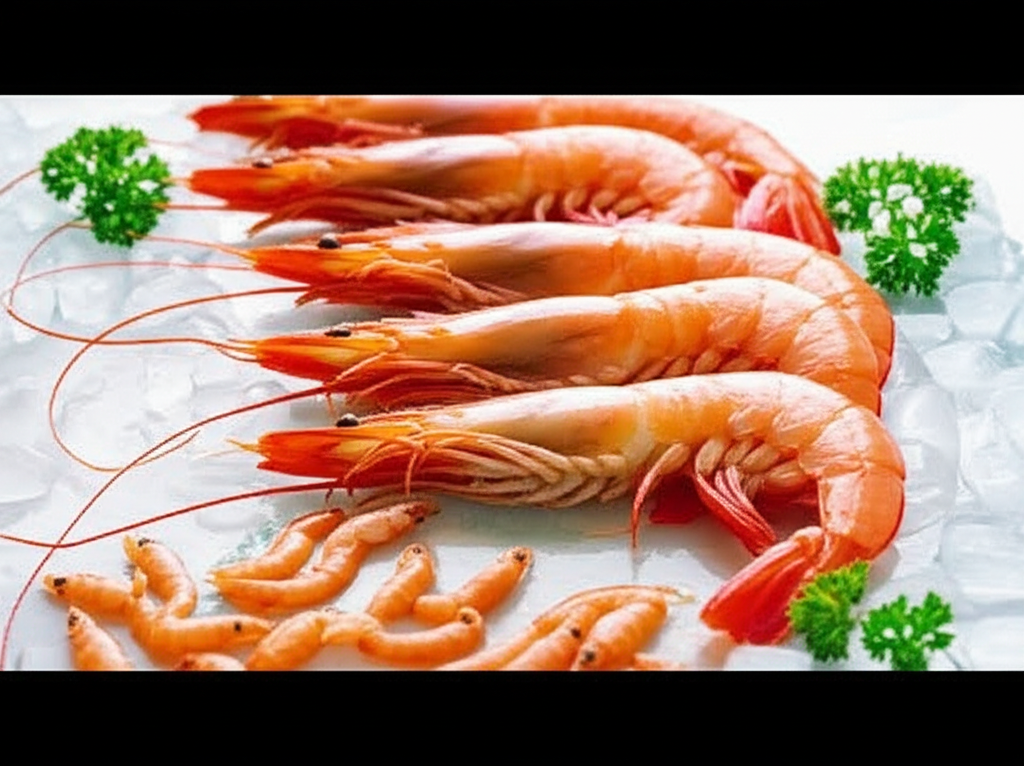
From a culinary standpoint, the answer is often a resounding yes – bigger shrimp generally are better. Why? It all comes down to the simple fact that larger shrimp have more meat. Think about it: a plump, jumbo shrimp offers a more satisfying bite and a more substantial portion of delicious seafood. This translates to a better eating experience, especially for dishes where the shrimp is the star, like grilled shrimp skewers or shrimp cocktail.
Here’s a quick breakdown of why size matters in the kitchen:
- More Meat: This is the most obvious advantage. Larger shrimp simply contain more edible flesh.
- Better Texture: Bigger shrimp often have a firmer, more pleasant texture when cooked properly. Smaller shrimp can sometimes become rubbery if overcooked.
- Impressive Presentation: For special occasions or elegant meals, larger shrimp make a more striking visual impact.
- Versatility: While small shrimp are great for adding to soups or pasta sauces, larger shrimp are perfect for grilling, stuffing, or serving as a main course.
The common sizing system for shrimp often uses “count per pound.” For example:
| Shrimp Size Name | Count Per Pound (Approximate) | Typical Use |
|---|---|---|
| Jumbo | 16-20 | Grilling, stuffing, shrimp cocktail |
| Extra Large | 21-25 | Broiling, baking, main courses |
| Large | 26-30 | Sautéing, pasta dishes, salads |
| Medium | 31-35 | Soups, stews, stir-fries |
| Small | 36-40 | Adding to sauces, casseroles |
| Tiny/Bay | 50+ | Garnishes, tiny additions |
As you can see, the lower the count per pound, the larger the shrimp. So, if you’re looking for that impressive, meaty bite, aim for shrimp with a count of 25 or fewer per pound.
Shrimp in Your Aquarium: A Different Ballgame
Now, let’s switch gears to the fascinating world of aquarium shrimp! When it comes to our beloved aquatic invertebrates, the idea of “bigger is better” doesn’t always hold true. In fact, focusing solely on size can sometimes lead you astray. For aquarium shrimp, health, vitality, and suitability for your tank environment are far more important than sheer size.
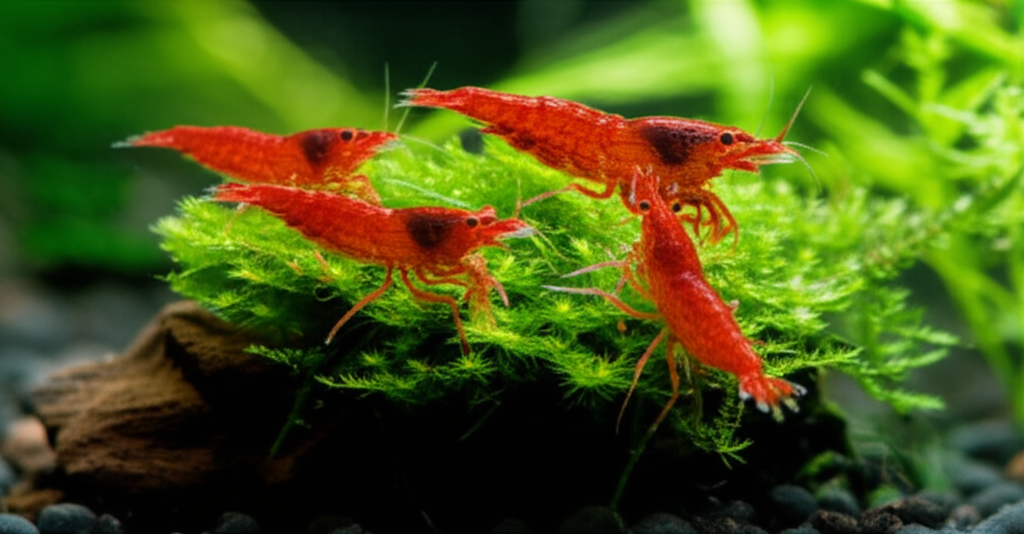
Think about popular aquarium shrimp like Cherry Shrimp (Neocaridina davidi) or Crystal Red Shrimp (Caridina cantonensis). These are naturally small creatures. A large Cherry Shrimp isn’t necessarily “better” than a healthy, vibrantly colored smaller one. In many cases, a shrimp that has grown unusually large might even be a sign of stress or an underlying issue, rather than optimal health.
Here’s why size isn’t the primary factor for aquarium shrimp:
- Species-Specific Size: Different shrimp species have different natural adult sizes. A fully grown Amano shrimp (Caridina multidentata) will be much larger than a fully grown Cherry Shrimp, but both can be excellent additions to a planted aquarium.
- Health Indicators: A healthy aquarium shrimp will be active, have clear coloration (depending on the species), and exhibit normal behaviors like foraging and molting. Size alone doesn’t guarantee these things.
- Breeding and Reproduction: In many dwarf shrimp species, smaller, younger females might actually be more prolific breeders than larger, older ones.
- Tank Compatibility: The size of a shrimp can be relevant for tank mates. Very small shrimp might be vulnerable to being eaten by larger fish, whereas larger shrimp might be more robust.
So, while a big, juicy shrimp on your plate is a culinary win, a big shrimp in your tank isn’t automatically a trophy. Focus on vibrant colors, active behavior, and ensuring they are the right species for your specific aquarium setup.
Understanding Shrimp Quality Beyond Size
Whether you’re shopping for dinner or stocking your aquarium, quality is key. Size is just one piece of the puzzle, and often not the most important one. Let’s explore other factors that truly define a “better” shrimp.
For the Kitchen: What Else Matters?
When buying shrimp for cooking, beyond size, consider these crucial quality markers:
- Freshness: This is paramount. Fresh shrimp should smell clean and briny, like the ocean, not fishy or ammonia-like. If buying them whole, the shells should be firm and intact, without black spots (melanosis), which can indicate spoilage.
- Color: The shell color can vary depending on the species and how they are processed. However, a healthy shrimp will have a translucent, firm appearance. Avoid shrimp that look dull, mushy, or have significant discoloration.
- Origin: Knowing where your shrimp come from can be important. Farmed shrimp from reputable sources often have better traceability and consistent quality. Wild-caught shrimp can also be excellent, but sustainability and fishing practices are worth considering. The Monterey Bay Aquarium Seafood Watch program offers excellent guidance on sustainable seafood choices. You can find their recommendations here: Seafood Watch.
- Processing: Shrimp are often sold “head-on,” “head-off,” “peeled,” “deveined,” or “frozen.”
- Head-On: Often preferred by chefs as the head contains flavor and the shell protects the meat.
- Head-Off: More convenient for most home cooks.
- Peeled & Deveined: The most convenient, saving you prep time. Ensure the vein (digestive tract) has been removed.
- Frozen: Properly flash-frozen shrimp at sea can be just as high quality, if not higher, than fresh, unfrozen shrimp, as it locks in freshness immediately after catching. Look for shrimp frozen individually (IQF) rather than in a solid block of ice if possible.
For the Aquarium: The Real Indicators of Quality
In the aquarium hobby, “better” shrimp are those that are healthy, vibrant, and well-suited to their environment. Here’s what to look for:
- Active Behavior: Healthy shrimp are constantly moving, foraging for food, and interacting with their surroundings. Lethargic or stationary shrimp are often a sign of stress or illness.
- Vibrant Coloration: While color intensity varies by species and even individual genetics, a healthy shrimp will typically display its intended colors clearly. Faded or patchy coloration can indicate poor water quality or stress.
- Clear Shells (for some species): For species like Crystal Red Shrimp or Amano Shrimp, a clear carapace can be a sign of good health, especially before they develop their adult coloration.
- No Visible Parasites or Injuries: Inspect shrimp carefully before purchasing. Look for any signs of external parasites, fungal infections, or physical damage to their bodies or limbs.
- Proper Molting: Molting is how shrimp grow. If a shrimp is struggling to molt or its shell looks abnormal, it can be a sign of dietary deficiencies or poor water parameters. You won’t see this before buying, but it’s a good sign of health once they are in your tank.
- Species Suitability: This is perhaps the most critical factor. Are you choosing a shrimp that is compatible with your water parameters (pH, GH, KH, temperature) and tank mates? A “better” shrimp is one that will thrive in your specific setup. For example, Neocaridina shrimp (like Cherry Shrimp) are generally hardier and tolerate a wider range of water parameters than Caridina shrimp (like Crystal Reds), which require softer, more acidic water.
It’s also worth noting that shrimp are sensitive to changes. When introducing new shrimp to your aquarium, proper acclimation is crucial. Drip acclimation is a highly recommended method to slowly adjust new shrimp to your tank’s water parameters. You can learn more about this process on resources like the ShrimpPond website: Shrimp Pond Acclimation Guide.
The Proven Advantage of Bigger Shrimp (and When it Isn’t!)
Let’s circle back to that core question: are bigger shrimp better? We’ve seen that it really depends on your goal.
The Culinary Advantage:
For cooking, the advantage of bigger shrimp is clear and proven:
- Yield: More meat per shrimp means you need fewer shrimp for a satisfying meal.
- Cost-Effectiveness (Potentially): While larger shrimp often cost more per pound, the increased yield can sometimes make them more economical per serving.
- Ease of Handling: Larger shrimp are easier to peel, devein, and cook without overcooking.
- Customer Satisfaction: In restaurants and home cooking, large, plump shrimp are often perceived as higher quality and more luxurious.
The table below summarizes the culinary benefits:
| Benefit | Explanation | When it Matters Most |
|---|---|---|
| Higher Meat Yield | More flesh per shrimp means a more substantial portion. | Main courses, grilling, special occasions. |
| Improved Texture | Less prone to becoming rubbery when cooked. | Dishes where shrimp is the star (e.g., scampi, grilled). |
| Enhanced Presentation | Visually impressive for plating. | Appetizers, elegant dinners. |
| Easier Preparation | Simpler to handle and cook evenly. | Home cooks, quick meals. |
The Aquarium “Disadvantage” (or Rather, Irrelevance):
For aquarium enthusiasts, focusing on size can be a misdirection. The “proven advantage” of bigger shrimp in a tank is largely a myth, or at least heavily outweighed by other factors:
- Health Over Size: A healthy, active shrimp of average size is always better than a large, unhealthy one.
- Stress Indicator: Unusually large size in dwarf shrimp can sometimes be linked to stress, poor water quality, or improper diet, rather than peak health.
- Breeding Potential: Younger, smaller shrimp are often more active breeders.
- Species Variation: Size is relative to the species. Comparing a large Cherry Shrimp to a large Amano Shrimp is meaningless; they belong to different categories.
- Cost: Often, larger or “display” quality shrimp in the aquarium hobby come with a much higher price tag, without a guarantee of better health or longevity.
So, while you might pay a premium for “jumbo” shrimp at the market, you’re often better off seeking vibrant, active, and appropriately sized shrimp for your aquarium, regardless of their exact dimensions.
Caring for Your Shrimp: Ensuring “Better” at Any Size
Whether you’re enjoying shrimp as food or observing them in your tank, ensuring they are “better” involves proper care and understanding. Let’s look at how to achieve this.
Culinary Care: From Purchase to Plate
Once you’ve bought your shrimp, proper handling is key to enjoying them at their best:
- Storage: Keep fresh, uncooked shrimp refrigerated on ice or in the coldest part of your fridge. Use them within 1-2 days. Frozen shrimp should be kept frozen until ready to use.
- Thawing Frozen Shrimp: For the best quality, thaw frozen shrimp slowly in the refrigerator overnight. If you need to thaw them quickly, place them in a sealed plastic bag and submerge the bag in cold water. Never thaw shrimp at room temperature, as this can promote bacterial growth.
- Preparation: Whether peeled, deveined, or head-on, prepare your shrimp just before cooking for optimal freshness.
- Cooking: Shrimp cook very quickly! Overcooked shrimp become tough and rubbery. Most shrimp will turn pink and opaque in just 2-3 minutes. Cook them until they just turn pink and curl into a C-shape. A tight O-shape indicates overcooking.
Aquarium Care: Happy Shrimp, Healthy Shrimp
For aquarium shrimp, “better” means healthy and thriving. This requires consistent, appropriate care:
- Water Parameters: This is the MOST crucial aspect. Research the specific needs of your shrimp species.
- Neocaridina (e.g., Cherry, Blue Dream): Generally prefer stable parameters. Ideal range: Temperature 68-75°F (20-24°C), pH 6.5-7.5, GH 7-9, KH 2-5.
- Caridina (e.g., Crystal Red, Taiwan Bee): Require softer, more acidic water. Ideal range: Temperature 68-74°F (20-23°C), pH 5.5-6.8, GH 5-7, KH 0-2.
Always use a reliable aquarium test kit to monitor your water. You can find good quality freshwater test kits from brands like API or Salifert.
- Tank Setup:
- Substrate: For Caridina shrimp, consider using a specialized active substrate like Fluval Stratum or ADA Aqua Soil Amazonia that helps maintain lower pH and KH. For Neocaridina, inert substrates like sand or gravel are usually fine.
- Filtration: Gentle filtration is key. Sponge filters are excellent as they provide biological filtration and aeration without strong currents, and they also provide a safe place for baby shrimp to hide.
- Plants and Hiding Places: Live plants like Java Moss, Anubias, and Hornwort provide food, shelter, and a natural environment for shrimp. Driftwood and rocks also offer surfaces for biofilm growth, which is a primary food source for shrimp.
- Diet: Shrimp are omnivores and scavengers. A varied diet is best.
- Biofilm: This is the natural algae and bacteria film that grows on surfaces in a mature aquarium. It’s a vital, constant food source.
- Algae Wafers/Shrimp Food: Use specialized, high-quality shrimp foods that contain minerals and nutrients. Feed sparingly, only what they can consume in a few hours, 2-3 times a week. Overfeeding can pollute the water.
- Blanched Vegetables: Occasionally offer blanched vegetables like spinach, zucchini, or kale. Ensure they are thoroughly washed and blanched until soft.
- Tank Mates: Choose tank mates very carefully. Small, peaceful fish like Endler’s livebearers or small rasboras might be compatible with larger, hardier shrimp like Amano shrimp. However, for most dwarf shrimp (Neocaridina, Caridina), a species-only tank is recommended to ensure their safety and encourage breeding. Avoid any fish that are known shrimp nippers or predators.
- Water Changes: Perform regular small water changes (10-20% weekly) using dechlorinated water that has been remineralized if necessary (especially for Caridina). Always match the temperature of the new water to the tank water to avoid shocking your shrimp.
By focusing on these care aspects, you ensure that your aquarium shrimp are not just surviving, but truly thriving, which is the ultimate definition of “better” in the aquatic world.
Frequently Asked Questions (FAQ)
Are bigger shrimp better for eating?
Yes, generally bigger shrimp are preferred for eating because they offer more meat, a more satisfying texture, and a better presentation. They are often easier to handle and cook without overcooking.
Does shrimp size indicate quality?
For eating, size is a significant indicator of quality and eating experience. For aquarium shrimp, size is less important than health, activity, coloration, and suitability to the tank environment. A large aquarium shrimp isn’t necessarily “better” than a healthy, smaller one.
What is the best way to cook bigger shrimp?
Bigger shrimp are excellent for grilling, broiling, baking, or pan-searing. Because they have more meat, they are less likely to overcook than smaller shrimp. Aim for a quick cooking time until they turn pink and opaque.
Are large aquarium shrimp more expensive?
Yes, shrimp that are significantly larger than the average for their species, or those with exceptional coloration or patterns, often command a higher price in the aquarium hobby. However, this premium price doesn’t always guarantee better health or longevity.
What are the signs of a healthy aquarium shrimp?
Healthy aquarium shrimp are active, constantly moving and foraging. They exhibit vibrant, consistent coloration for their species, have clear shells (for some species), and show no signs of injury or disease. They also molt successfully as they grow.
Can I keep large shrimp with small fish?
It depends on the species. Hardy shrimp like Amano shrimp can sometimes coexist with small, peaceful fish. However, most dwarf shrimp species (like Neocaridina and Caridina) are best kept in a species-only tank to avoid predation and ensure their safety and well-being. Always research compatibility thoroughly.
What makes shrimp “fresh” when buying for food?
Fresh shrimp should have a clean, briny smell, not fishy. Their shells should be firm and intact, with no dark spots or signs of sliminess. If buying frozen, look for shrimp that are individually quick frozen (IQF) and haven’t been thawed and refrozen.
Conclusion: Size Matters, But So Does Everything Else!
So, there you have it! The question of whether bigger shrimp are better isn’t a simple yes or no. For your dinner plate, a larger shrimp often translates to a more substantial, satisfying meal with a better texture. The culinary world generally celebrates the plump, jumbo shrimp for its yield and presentation.
However, when we shift our focus to the captivating world of aquarium shrimp, the definition of “better” changes dramatically. In this miniature ecosystem, health, activity, vibrant coloration, and species-specific needs take center stage. A large aquarium shrimp isn’t inherently superior; it’s the vibrant, active shrimp that thrives in its environment that is truly the prize. Prioritizing these health indicators over mere size will lead to a more rewarding and successful shrimp-keeping experience.
Whether you’re a home chef or a dedicated aquarist, understanding these nuances will help you make the best choices. By focusing on quality, freshness, and proper care – regardless of size – you can ensure you’re getting the best shrimp experience, whether it’s on your fork or swimming happily in your tank. Keep exploring, keep learning, and enjoy the wonderful world of shrimp!