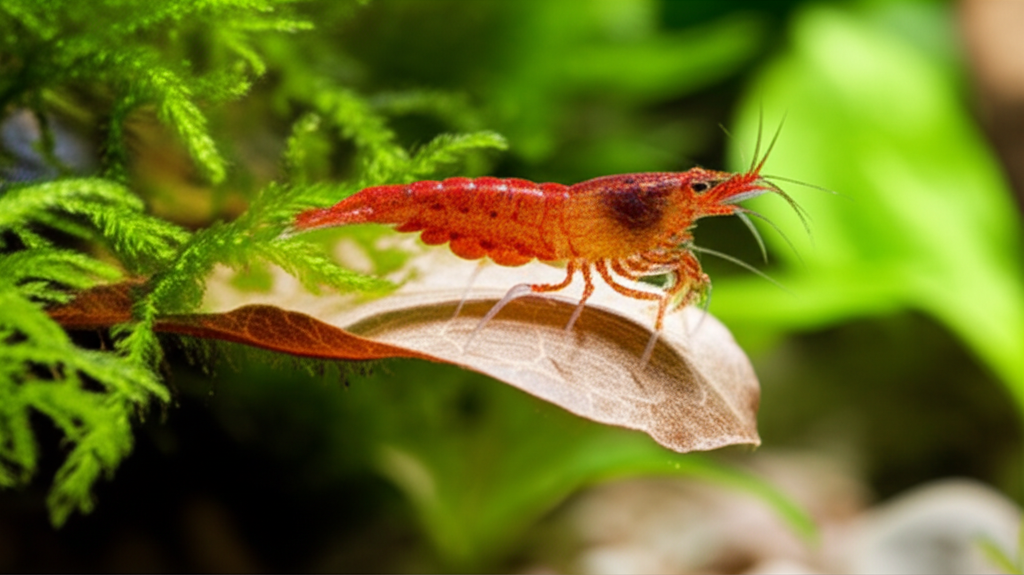

Yes, catappa leaves are excellent for shrimp! They provide natural tannins, antibacterial properties, and a healthy food source, promoting shrimp well-being and a vibrant aquarium environment.
Are you a new shrimp keeper wondering if those dried leaves you’ve seen are actually good for your tiny aquatic friends? It’s totally normal to question what goes into your shrimp tank! Sometimes, the simplest natural additions can make the biggest difference. If you’re feeling a bit overwhelmed by all the shrimp care advice out there, you’re in the right place. We’ll break down exactly why catappa leaves, also known as Indian Almond Leaves, are a fantastic, beginner-friendly choice for your shrimp. Get ready to discover the genius benefits that will have your shrimp thriving!
What Exactly Are Catappa Leaves?
Catappa leaves, scientifically known as Terminalia catappa, are the fallen leaves from the tropical Indian Almond Tree. These leaves have been used for centuries in various cultures for their medicinal properties. In the aquarium hobby, they’ve gained immense popularity, especially among shrimp keepers, due to the remarkable benefits they offer to aquatic life.
These large, leathery leaves are harvested, dried, and then introduced into aquariums. They are completely natural and biodegradable, making them a sustainable and eco-friendly addition to any tank setup. Unlike artificial decorations, catappa leaves actively contribute to the health and well-being of your aquarium inhabitants.
The Genius Benefits of Catappa Leaves for Shrimp
Catappa leaves are like a superfood and a natural remedy all rolled into one for your shrimp. They offer a multifaceted approach to keeping your shrimp happy, healthy, and colorful. Let’s dive into the specific advantages:
1. Natural Tannin Release: The Water Conditioner
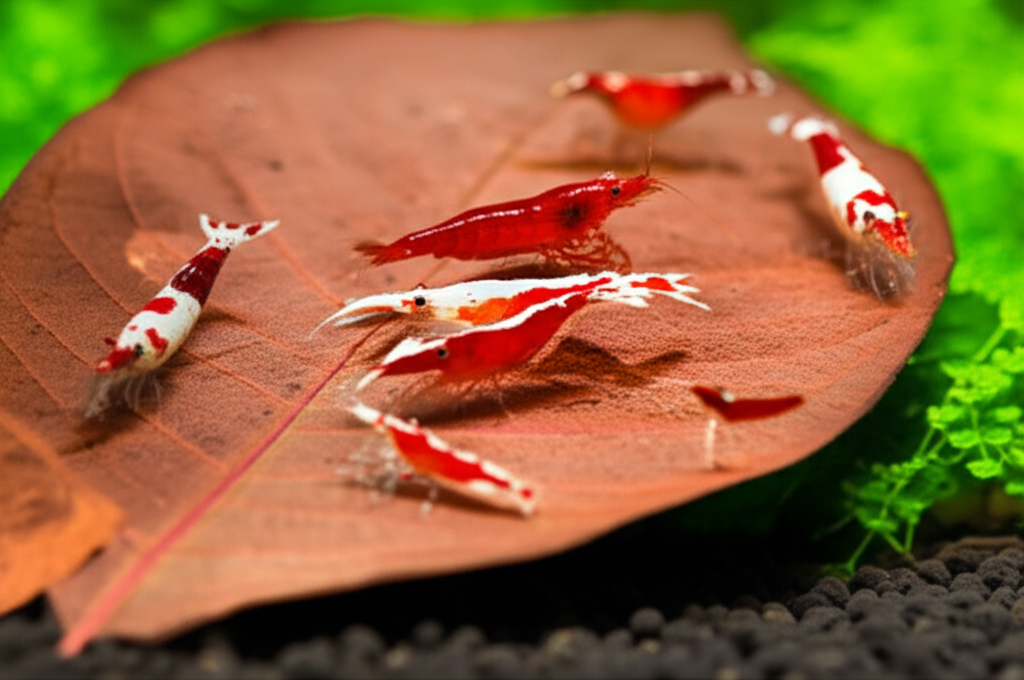
When catappa leaves are submerged in water, they slowly release tannins. These tannins are natural compounds that have several positive effects on the aquarium environment. They are what give blackwater aquariums their characteristic tea-like color.
- Mimics Natural Habitat: Many popular aquarium shrimp species, like Cherry Shrimp and Crystal Red Shrimp, originate from soft, acidic, blackwater environments in Southeast Asia. Catappa leaves help replicate these conditions in your aquarium, reducing stress and promoting natural behaviors.
- Mildly Acidifies Water: Tannins can slightly lower the pH of your aquarium water. This is beneficial for shrimp that prefer slightly acidic conditions, as it can help prevent molting issues and improve overall health. It’s important to note that the pH change is usually very gradual and mild, making it safe for most shrimp.
- Reduces Stress: The presence of tannins can create a more comfortable and secure environment for shrimp, reducing their stress levels. This can lead to increased activity, better breeding success, and brighter coloration.
For a deeper understanding of water parameters crucial for shrimp, you can explore resources like the University of Florida’s IFAS Extension, which provides extensive information on aquaculture and water quality management. While not specifically about catappa leaves, their insights into water chemistry are invaluable for any aquarist.
2. Antibacterial and Antifungal Properties
Catappa leaves contain natural compounds that possess antibacterial and antifungal properties. This is one of their most prized benefits for aquarium keepers.
- Disease Prevention: The release of these beneficial compounds can help prevent common aquarium diseases, such as bacterial infections and fungal outbreaks, from affecting your shrimp.
- Wound Healing: If your shrimp sustain minor injuries, the properties of catappa leaves can aid in their healing process, making them more resilient.
- Improved Water Quality: By inhibiting the growth of harmful bacteria, catappa leaves contribute to cleaner, healthier water overall.
This natural defense mechanism is a fantastic way to support your shrimp’s immune system without resorting to artificial medications, which can sometimes be harsh on sensitive shrimp.
3. A Natural Food Source
Shrimp are scavengers and will constantly graze on surfaces in their environment. Catappa leaves provide a fantastic, natural food source that supplements their diet.
- Biofilm and Algae Growth: Over time, catappa leaves become covered in biofilm and microalgae. Biofilm is a slimy layer of microorganisms, including bacteria and fungi, that is highly nutritious for shrimp.
- Constant Grazing Opportunity: Your shrimp will spend hours nibbling on the leaves and the biofilm that grows on them. This keeps them occupied, encourages natural foraging behaviors, and ensures they are constantly receiving beneficial nutrients.
- Dietary Supplement: While not a complete diet on its own, the biofilm and algae on catappa leaves provide essential vitamins, minerals, and proteins that complement their regular shrimp food.
This constant availability of food is particularly beneficial for baby shrimp (shrimplets), who are very vulnerable and need a continuous supply of tiny food particles.
4. Provides Hiding Places and Cover
For many shrimp species, feeling secure is paramount. Catappa leaves offer essential hiding spots and shelter.
- Protection from Predators: Even in a shrimp-only tank, molted shells or minor skirmishes can make shrimp feel vulnerable. The leaves provide safe havens.
- Molting Support: The molting process is a critical and vulnerable time for shrimp. Having places to hide during and after molting helps them feel safe and prevents them from being picked on by other shrimp.
- Reduced Stress: Knowing they have places to retreat to significantly reduces stress in shrimp, contributing to their overall health and longevity.
The natural look of the leaves also adds to the aesthetic appeal of your aquarium, creating a more naturalistic and visually pleasing environment.
5. Aids in Molting
Molting is how shrimp grow. It’s a process where they shed their old exoskeleton to reveal a new, larger one. This can be a stressful time, and sometimes shrimp can have trouble with it.
- Nutrient Support: The minerals and compounds released by catappa leaves can support the shrimp’s internal processes needed for successful molting.
- Reduced Stress: As mentioned, the calming effect of tannins and the availability of hiding places reduce overall stress, which is crucial during molting.
- Biofilm Assistance: The biofilm that grows on the leaves is rich in nutrients that can aid shrimp in developing their new exoskeleton.
While catappa leaves aren’t a magic bullet for molting problems, they create an environment that significantly increases the chances of a smooth and successful molt.
How to Use Catappa Leaves in Your Shrimp Tank
Using catappa leaves is incredibly simple, making them a perfect addition for beginners. Here’s a step-by-step guide:
Step 1: Selection and Preparation
Choose high-quality, whole catappa leaves. Look for leaves that are free from pesticides or chemicals. They should be dried and brittle.
- Source: Purchase from reputable aquarium supply stores or online vendors specializing in natural aquarium products.
- Inspection: Ensure the leaves are whole and not overly brittle or dusty.
Step 2: Rinsing
It’s a good idea to rinse the leaves briefly before adding them to your tank. This removes any surface dust or debris.
- Method: Gently rinse the leaves under cool, running tap water. Avoid using soap or detergents, as these can be toxic to shrimp.
- Optional: Some keepers like to lightly boil the leaves for a few minutes to sterilize them and help them sink faster, but this is generally not necessary and can release some beneficial compounds prematurely. A simple rinse is usually sufficient.
Step 3: Adding to the Tank
Simply place one or two leaves into your aquarium. They will float initially.
- Placement: You can let them float or gently push them down into the substrate or under a piece of driftwood. They will eventually become waterlogged and sink on their own.
- Quantity: For a typical 10-20 gallon shrimp tank, one to two leaves are usually sufficient. Adjust based on tank size and the number of shrimp.
Step 4: Observation and Replacement
Observe your shrimp interacting with the leaves. You’ll notice them grazing on the leaves and the biofilm that develops.
- Lifespan: Catappa leaves will gradually break down over a few weeks to a couple of months, depending on the water conditions and how actively your shrimp graze on them.
- Replacement: Once a leaf has mostly disintegrated or no longer appears to be releasing tannins (water color may lighten), you can remove the remnants and add a new leaf.
The entire process is low-maintenance and highly rewarding to watch!
Catappa Leaves vs. Other Natural Additions
While catappa leaves are fantastic, it’s helpful to understand how they compare to other natural aquarium additions. Here’s a quick comparison:
| Feature | Catappa Leaves (Indian Almond Leaves) | Boiled Oak/Maple Leaves | Driftwood | Cholla Wood |
|---|---|---|---|---|
| Tannin Release | High, beneficial compounds | Moderate, can stain water | Low to moderate, can stain water | Moderate, good for biofilm |
| Antibacterial/Antifungal | Yes, significant | Some, but less potent | Limited | Good for biofilm support |
| Food Source (Biofilm) | Excellent, rich biofilm | Good | Good | Excellent, porous structure |
| Water Softening | Slight, beneficial for some | Slight | Slight | Minimal |
| pH Impact | Slightly acidic | Slightly acidic | Slight | Minimal |
| Ease of Use | Very easy, readily available | Easy, requires boiling | Easy, requires soaking | Easy, readily available |
| Aesthetic | Natural, darkens water | Natural, can stain | Natural, can stain | Natural, porous |
As you can see, catappa leaves offer a unique combination of benefits, particularly their potent antibacterial properties and significant tannin release that mimics natural shrimp habitats effectively. While other natural items are great, catappa leaves often stand out for their all-around positive impact on shrimp health and water quality.
Potential Concerns and How to Address Them
While catappa leaves are overwhelmingly beneficial, there are a couple of minor points to be aware of:
- Water Staining: The tannins released will naturally color your aquarium water a light to medium brown or tea color. This is normal and desirable for many shrimp species. If you prefer crystal-clear water, catappa leaves might not be for you, or you may need to use fewer leaves or replace them more frequently. Activated carbon in your filter can help remove tannins if you desire clearer water, but this also removes beneficial compounds.
- Over-saturation: In very small tanks with a high ratio of leaves to water, it’s theoretically possible to over-saturate the water with tannins. However, this is rare in typical home aquariums. The main effect is water coloration and a mild pH shift. Always start with one or two leaves and monitor your shrimp and water parameters.
- Leaf Break Down: The leaves will eventually break down completely. This is a natural process and part of their benefit as they release nutrients. You simply replace them as needed.
For most beginner shrimp keepers, these are minor points that are easily managed by simply observing your tank and adjusting the number of leaves used. The benefits far outweigh these considerations.
Frequently Asked Questions About Catappa Leaves
Here are some common questions beginner shrimp keepers have about catappa leaves:
Do catappa leaves need to be boiled?
No, boiling is not strictly necessary. Rinsing them under cool water is usually enough. Boiling can help them sink faster and potentially sterilize them, but it can also release some beneficial compounds more quickly than desired and might reduce their longevity in the tank.
How many catappa leaves should I use?
For a 10-20 gallon tank, start with 1-2 leaves. For larger tanks, you can use 2-3 leaves. Adjust based on how much your shrimp graze and how much you like the water coloration. It’s better to start with fewer and add more if needed.
How long do catappa leaves last in the tank?
Catappa leaves typically last anywhere from a few weeks to a couple of months. Their lifespan depends on the water temperature, the activity of your shrimp, and the size and thickness of the leaf. They will gradually disintegrate as your shrimp consume them and biofilm grows on them.
Will catappa leaves affect my pH too much?
Catappa leaves release tannins that can mildly lower pH, but this effect is usually very gradual and slight in a well-buffered aquarium. It’s generally beneficial for shrimp that prefer softer, more acidic water. Always monitor your water parameters if you are concerned, but dramatic pH swings are unlikely from a few leaves.
Can baby shrimp eat catappa leaves?
Yes! Baby shrimp (shrimplets) absolutely benefit from catappa leaves. They will graze on the rich biofilm that grows on the leaves, which is packed with tiny, nutritious particles perfect for their small mouths. The leaves also provide essential cover for them.
Can I use catappa leaves with fish?
Yes, catappa leaves are also beneficial for many fish species, especially those originating from blackwater environments like Bettas, Tetras, and Gouramis. They can help reduce stress and mimic natural conditions for these fish as well. Just ensure the fish won’t eat the leaves themselves!
Conclusion: A Natural Boost for Happy Shrimp!
Adding catappa leaves to your shrimp tank is one of the simplest yet most effective ways to enhance your shrimp’s environment and promote their health. From mimicking their natural blackwater habitats with beneficial tannins to providing a constant food source of biofilm and offering vital hiding places, these natural wonders truly are a genius addition.
You don’t need to be an expert to use them; just a simple rinse and drop is all it takes. Watching your shrimp eagerly graze on the leaves and thrive in the slightly tinted water is incredibly rewarding. So, if you’re looking for an easy, natural way to boost your shrimp’s well-being, color, and breeding success, look no further than the humble catappa leaf. Happy shrimp keeping!