



Grilled chicken tastes better because of the Maillard reaction, smoky char, and caramelized crust that other cooking methods can’t match. The high heat, natural fats, and grill marks create complex flavors and textures that elevate every bite.
Have you ever taken a bite of grilled chicken and thought, “Wow, this tastes amazing”? It’s not just you. Whether it’s a backyard BBQ, a summer cookout, or a quick weeknight dinner, grilled chicken has a special place in our hearts—and on our plates. But why does it taste so much better than chicken cooked in the oven, boiled, or even pan-fried?
It’s not magic. It’s science, flavor chemistry, and a little bit of culinary art. Grilling transforms plain chicken into something bold, aromatic, and deeply satisfying. The sizzle as the meat hits the hot grates, the aroma of smoke rising into the air, the perfect charred exterior—these are more than just sensory delights. They’re signs that something delicious is happening.
Unlike other cooking methods that can leave chicken dry, bland, or greasy, grilling strikes a balance. It cooks the meat quickly at high heat, locking in juices while developing a flavorful crust. And when you add marinades, spices, or a wood chip infusion, the flavor profile explodes. Whether you’re using boneless thighs, skin-on breasts, or drumsticks, grilling brings out the best in chicken.
Key Takeaways
- Maillard Reaction: Grilling triggers a chemical reaction that creates rich, savory flavors and a golden-brown crust.
- Smoky Flavor: Charcoal or wood-fired grills add a distinct smokiness that enhances the chicken’s taste.
- Juicy Interior: High heat seals in moisture, keeping the meat tender and succulent.
- Caramelization: Natural sugars in marinades and the chicken itself caramelize, adding sweetness and depth.
- Crispy Skin: Grilling crisps skin without drowning it in oil, unlike frying.
- Versatile Seasoning: Marinades, rubs, and herbs infuse flavor deeply when exposed to grill heat.
- Visual Appeal: Grill marks and char make grilled chicken look as good as it tastes.
Quick Answers to Common Questions
Why does grilled chicken have a better crust than baked chicken?
Grilled chicken develops a better crust because of the high, direct heat that triggers the Maillard reaction and caramelization, creating a golden-brown, flavorful exterior that baking can’t replicate.
Can I get smoky flavor on a gas grill?
Yes! Use a smoker box or foil packet with soaked wood chips placed near the burners to add smoky flavor to your grilled chicken on a gas grill.
How long should I marinate chicken before grilling?
Marinate chicken for at least 30 minutes, but for deeper flavor, marinate for 4–24 hours in the refrigerator. Avoid over-marinating with strong acids, which can make the meat mushy.
What’s the best wood for grilling chicken?
Applewood and pecan are great for mild, sweet smoke, while hickory adds a bold, bacon-like flavor. Choose based on your desired taste profile.
How do I prevent grilled chicken from drying out?
Use a meat thermometer, don’t overcook, brine or marinate the chicken, and choose fattier cuts like thighs or drumsticks for extra juiciness.
📑 Table of Contents
- The Science Behind the Sizzle: Why Grilling Works
- The Smoky Secret: How Fire Adds Flavor
- Texture Matters: Crispy Skin, Juicy Meat
- Marinades, Rubs, and the Power of Flavor Infusion
- Grill Marks and Visual Appeal
- Why Other Methods Fall Short
- Tips for Perfect Grilled Chicken Every Time
- Conclusion: The Ultimate Flavor Experience
The Science Behind the Sizzle: Why Grilling Works
At the heart of grilled chicken’s superior taste is a chemical process called the Maillard reaction. This isn’t just a fancy term—it’s the reason your grilled chicken has that golden-brown crust and rich, savory flavor. The Maillard reaction occurs when amino acids (proteins) and reducing sugars in the meat react under high heat. This creates hundreds of new flavor compounds that taste nutty, roasted, and deeply satisfying.
Unlike boiling, which keeps the chicken moist but flavorless, or baking, which can dry it out, grilling uses direct, intense heat. This heat quickly sears the surface, forming a crust that traps moisture inside. The result? A juicy interior and a crispy, flavorful exterior.
Another key factor is caramelization. While the Maillard reaction involves proteins and sugars, caramelization is the breakdown of sugars alone. When marinades with honey, brown sugar, or soy sauce hit the grill, they caramelize, adding a sweet, sticky glaze that clings to the chicken. This combination of savory and sweet is hard to replicate with other cooking methods.
High Heat = Flavor Development
Grilling typically happens at temperatures between 375°F and 500°F (190°C to 260°C). This high heat is crucial. It doesn’t just cook the chicken faster—it accelerates chemical reactions that build flavor. In contrast, boiling chicken in water caps out at 212°F (100°C), which is too low to trigger the Maillard reaction or caramelization.
Even oven roasting, which can reach high temperatures, often uses indirect heat and longer cooking times. This can dry out the meat, especially lean cuts like chicken breast. Grilling, on the other hand, uses radiant heat from below, cooking the chicken quickly and evenly.
The Role of Moisture and Fat
Chicken, especially white meat, can dry out easily. But grilling helps preserve moisture in two ways. First, the high heat sears the surface almost instantly, creating a barrier that locks in juices. Second, the fat in darker cuts like thighs or drumsticks renders slowly on the grill, basting the meat from within.
This is why grilled chicken thighs often taste better than grilled breasts—they have more fat and connective tissue, which break down during cooking to add richness. Even lean cuts benefit from a good marinade, which not only adds flavor but also helps retain moisture.
The Smoky Secret: How Fire Adds Flavor
Visual guide about Why Does Grilled Chicken Taste Better Than Other Methods
Image source: shungrill.com
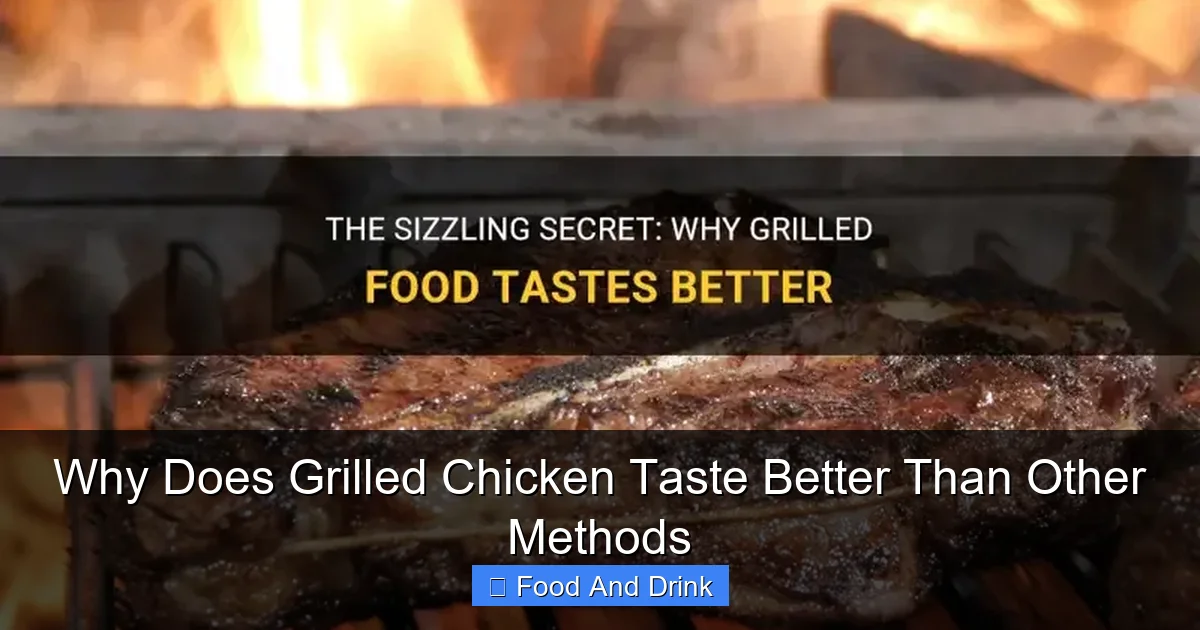
One of the most distinctive qualities of grilled chicken is its smoky aroma. This comes from the type of fuel used—charcoal, wood, or even gas grills with smoker boxes. When fat drips onto hot coals or wood chips, it vaporizes and rises back up as smoke. This smoke contains aromatic compounds like guaiacol and syringol, which infuse the chicken with a deep, earthy flavor.
Charcoal vs. Gas: A Flavor Showdown
Charcoal grills are often praised for their superior flavor. The briquettes or lump charcoal burn hotter and produce more smoke than gas grills. This smoke is what gives grilled chicken that classic “BBQ” taste. Wood chips—like hickory, mesquite, or applewood—can be added to charcoal grills to enhance the smokiness.
Gas grills, while convenient and easy to control, don’t produce as much natural smoke. However, you can still get smoky flavor by using a smoker box filled with wood chips or by placing a foil packet of soaked chips near the burners. Some gas grills even have built-in smoker attachments.
Wood Types and Flavor Profiles
Different woods impart different flavors:
– Hickory: Strong, bacon-like flavor—great for bold chicken rubs.
– Mesquite: Intense and earthy—use sparingly to avoid bitterness.
– Applewood: Sweet and mild—perfect for delicate marinades.
– Pecan: Nutty and smooth—similar to hickory but less intense.
Choosing the right wood can elevate your grilled chicken from good to unforgettable. For example, applewood pairs beautifully with honey-soy marinades, while hickory complements spicy rubs.
Texture Matters: Crispy Skin, Juicy Meat
Visual guide about Why Does Grilled Chicken Taste Better Than Other Methods
Image source: tastingtable.com
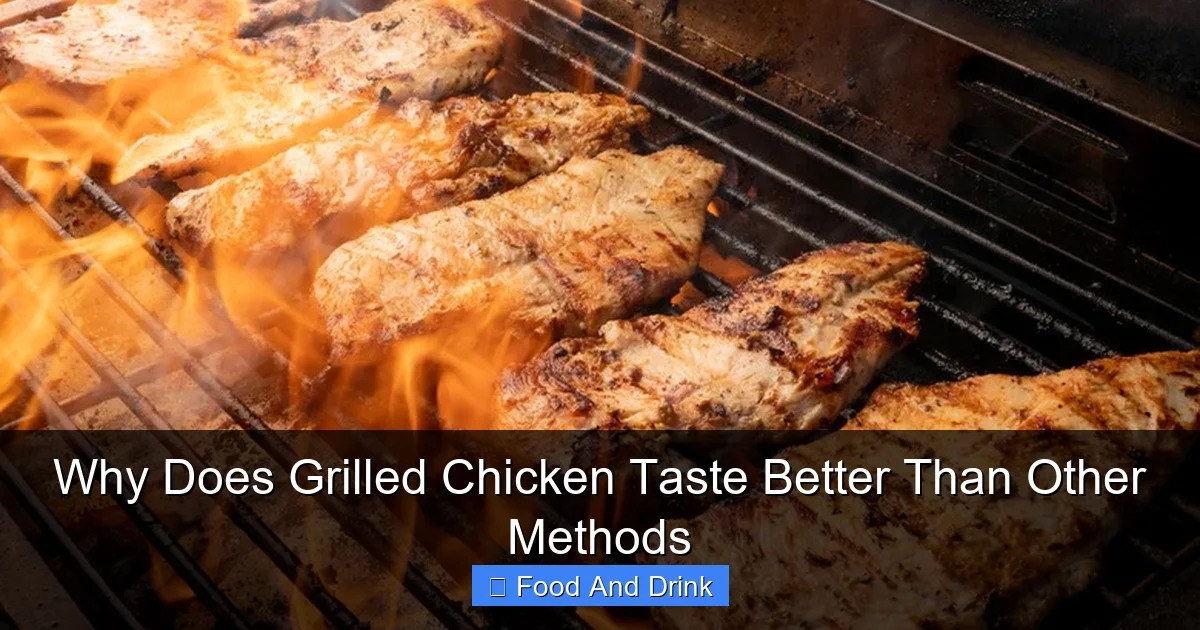
Texture plays a huge role in how we perceive taste. Grilled chicken delivers a perfect contrast: crispy, slightly charred skin on the outside and tender, juicy meat on the inside. This textural duality is hard to achieve with other methods.
How Grilling Achieves the Perfect Crust
When chicken skin hits the hot grill, the proteins denature and the fat renders out. This creates a crispy, crackling texture. The Maillard reaction also contributes, browning the skin and adding depth. Unlike frying, which submerges the chicken in oil, grilling allows the fat to drip away, resulting in a lighter, less greasy crust.
For best results, pat the chicken dry before grilling. Moisture on the surface prevents browning. Also, avoid moving the chicken too soon—let it develop a good sear before flipping.
Keeping the Inside Juicy
The key to juicy grilled chicken is not overcooking it. Use a meat thermometer to check internal temperature—165°F (74°C) for safety, but pull it off the grill at 160°F (71°C) since it will continue to cook as it rests.
Marinating helps too. Acidic ingredients like lemon juice, vinegar, or yogurt break down proteins, making the meat more tender. Oil in the marinade coats the surface, helping retain moisture during cooking.
Marinades, Rubs, and the Power of Flavor Infusion
Visual guide about Why Does Grilled Chicken Taste Better Than Other Methods
Image source: tastingtable.com
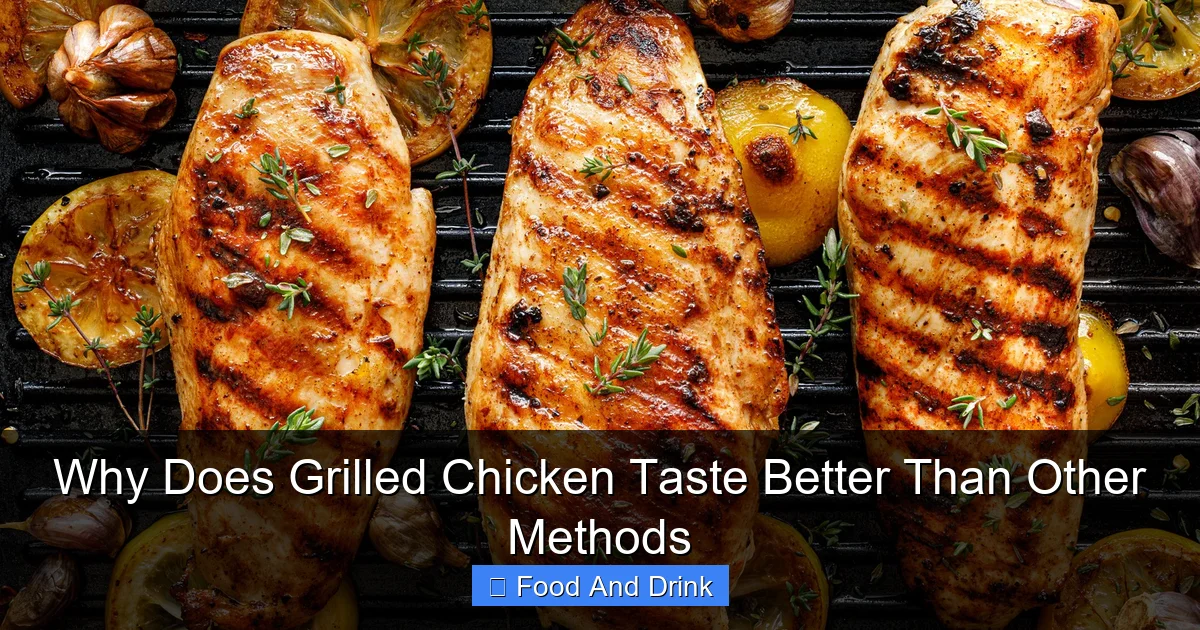
Grilling isn’t just about heat—it’s also about flavor. Marinades and rubs are essential tools for making grilled chicken taste better. They do more than just season the meat; they transform it.
How Marinades Work
A good marinade has three components: acid, oil, and flavorings. The acid (like citrus juice or vinegar) tenderizes the meat. The oil (like olive or avocado oil) helps distribute fat-soluble flavors and keeps the chicken moist. Herbs, spices, garlic, and soy sauce add depth and complexity.
For example, a simple marinade of olive oil, lemon juice, garlic, oregano, and salt can turn plain chicken into a Mediterranean masterpiece. Let the chicken marinate for at least 30 minutes—or up to 24 hours for deeper flavor.
Dry Rubs: Flavor on the Surface
Dry rubs are another way to boost flavor. Made from ground spices, salt, sugar, and herbs, they form a flavorful crust when grilled. Brown sugar in the rub caramelizes, adding sweetness and color. Paprika adds smokiness, while cayenne brings heat.
Apply rubs generously and let the chicken sit for 15–30 minutes before grilling. This allows the salt to penetrate and the flavors to meld.
Brining: The Secret to Extra Juiciness
For even juicier chicken, try brining. Soak the chicken in a saltwater solution (with optional sugar and herbs) for 1–2 hours before grilling. The salt helps the meat retain water, resulting in a plumper, more succulent bite.
Grill Marks and Visual Appeal
Let’s be honest—grilled chicken just looks better. Those dark, crisscrossed grill marks aren’t just for show. They’re a sign of proper searing and add a slightly charred, smoky flavor to the edges of the meat.
How to Get Perfect Grill Marks
To achieve those Instagram-worthy marks, preheat your grill to medium-high heat. Oil the grates to prevent sticking. Place the chicken on the grill at a 45-degree angle to the grates. After 2–3 minutes, rotate the chicken 90 degrees to create crosshatch marks. Flip and repeat on the other side.
Don’t press down on the chicken—this squeezes out juices and prevents proper browning.
The Psychology of Appearance
We eat with our eyes first. A beautifully grilled piece of chicken with golden-brown skin and dark grill marks signals freshness, skill, and flavor. This visual cue enhances the eating experience, making the chicken taste even better.
Why Other Methods Fall Short
So why don’t other cooking methods measure up? Let’s compare:
Baking
Baking chicken in the oven is convenient, but it often leads to dry, bland results. The indirect heat and longer cooking times can overcook the meat, especially lean cuts. While you can get browning with high heat, it’s hard to replicate the smoky flavor of grilling.
Boiling
Boiling is the worst offender for flavor. It cooks the chicken gently but strips away taste. The water dilutes natural juices, and without high heat, there’s no Maillard reaction or caramelization. Boiled chicken is often used in soups or salads, but it lacks the depth of grilled chicken.
Pan-Frying
Pan-frying can produce a nice crust, but it’s usually done in oil, which can make the chicken greasy. It also lacks the smoky flavor of grilling. Plus, it’s harder to cook larger pieces evenly without burning the outside.
Air Frying
Air fryers use hot air to crisp the skin, but they don’t reach the same temperatures as a grill. The result is closer to baked chicken with a crunchy exterior—good, but not as flavorful as grilled.
Tips for Perfect Grilled Chicken Every Time
Want to make sure your grilled chicken always tastes amazing? Follow these pro tips:
- Preheat the grill: A hot grill ensures a good sear and prevents sticking.
- Use a meat thermometer: Avoid overcooking by checking internal temperature.
- Don’t overcrowd the grill: Leave space between pieces for even cooking.
- Let it rest: Allow chicken to rest 5–10 minutes after grilling to redistribute juices.
- Experiment with wood chips: Try different woods to match your flavor profile.
- Clean the grates: A clean grill prevents flare-ups and ensures even cooking.
Conclusion: The Ultimate Flavor Experience
Grilled chicken tastes better because it combines science, technique, and sensory delight. The Maillard reaction, smoky flavor, crispy texture, and juicy interior create a perfect harmony that other cooking methods simply can’t match. Whether you’re using a charcoal grill, gas grill, or even a portable camping stove, the principles remain the same: high heat, good seasoning, and a little patience.
Next time you fire up the grill, remember—it’s not just about cooking chicken. It’s about creating something delicious, aromatic, and deeply satisfying. So grab your tongs, light the coals, and get ready to taste the difference.
🎥 Related Video: Why Does Grilled Food Taste Good? #Shorts
📺 America’s Test Kitchen
Watch the full video: https://youtu.be/5uf3OmSyG6A Best Grilled Chicken Thighs with Gochujang: https://cooks.io/44omRtd Buy …
Frequently Asked Questions
Why does grilled chicken taste smokier than other methods?
Grilled chicken tastes smokier because fat drips onto hot coals or wood, creating smoke that infuses the meat with aromatic compounds. This natural smokiness isn’t possible with baking or boiling.
Is grilled chicken healthier than fried chicken?
Yes, grilled chicken is generally healthier because it uses less oil and allows fat to drip away, reducing overall calorie and fat content compared to deep-fried versions.
Can I grill frozen chicken?
It’s not recommended. Frozen chicken cooks unevenly and can lead to food safety issues. Always thaw chicken completely before grilling for best results.
What temperature should I grill chicken at?
Grill chicken at medium-high heat, around 375°F to 450°F (190°C to 230°C). This ensures a good sear without burning the outside before the inside is cooked.
How do I know when grilled chicken is done?
Use a meat thermometer. Chicken is safe to eat at 165°F (74°C), but remove it from the grill at 160°F (71°C) and let it rest—it will continue cooking to the safe temperature.
Can I use a marinade as a sauce after grilling?
Only if you set aside a portion before adding raw chicken. Never reuse a marinade that’s touched raw meat unless you boil it first to kill bacteria.


