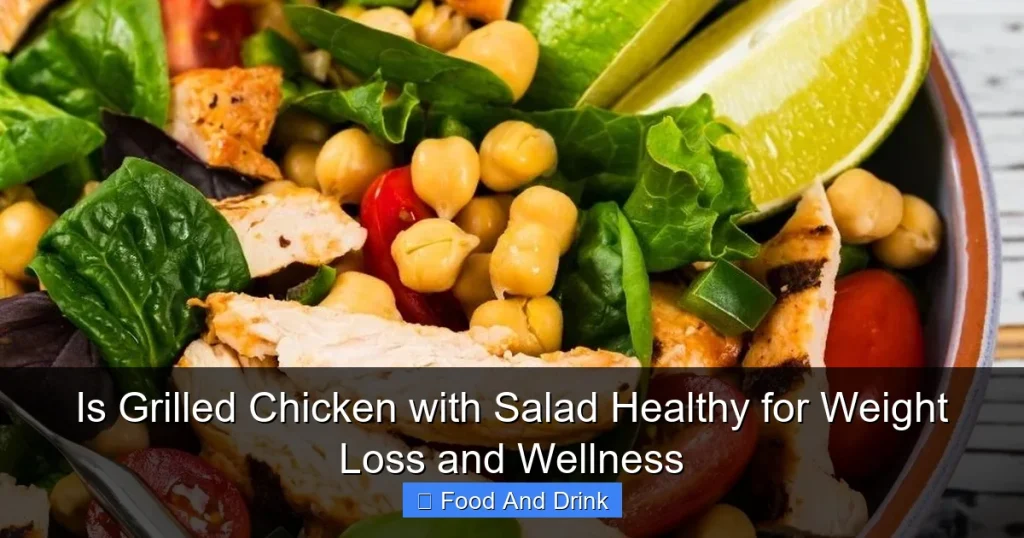

Grilled chicken with salad is one of the healthiest meals you can eat for weight loss and overall wellness. Packed with lean protein, fiber-rich vegetables, and essential nutrients, this combo supports metabolism, keeps you full longer, and promotes long-term health when prepared mindfully.
When it comes to eating healthy, few meals are as celebrated—and as misunderstood—as grilled chicken with salad. It’s the go-to choice at restaurants, a staple in meal prep containers, and often the first thing people think of when trying to lose weight or eat better. But is grilled chicken with salad actually healthy? And more specifically, is it a smart choice for weight loss and long-term wellness?
The short answer is yes—when done right. Grilled chicken with salad can be one of the most nutritious, satisfying, and sustainable meals you can eat. But like any food, its health benefits depend on how it’s prepared, what ingredients are added, and how it fits into your overall diet. Too often, what looks like a healthy plate is loaded with hidden calories, sugar, and unhealthy fats—thanks to creamy dressings, fried toppings, or oversized portions.
In this article, we’ll dive deep into why grilled chicken with salad is a powerhouse for health and weight management. We’ll explore the science behind its benefits, break down the nutritional profile, and share practical tips to make sure your meal is as healthy as it looks. Whether you’re trying to shed a few pounds, boost your energy, or simply eat more mindfully, this guide will help you get the most out of this classic combo.
Key Takeaways
- High in lean protein: Grilled chicken provides high-quality protein that supports muscle maintenance and boosts satiety, helping you eat fewer calories throughout the day.
A colorful salad adds vitamins, minerals, antioxidants, and fiber, which support digestion, immunity, and chronic disease prevention. When prepared without heavy dressings or frying, this meal is naturally low in saturated fat and free of trans fats. The combination of protein and fiber increases fullness, reduces cravings, and helps maintain a calorie deficit without feeling deprived. You can tailor your salad and seasoning to fit dietary needs, from low-carb to Mediterranean or plant-forward styles. Avoid creamy dressings, croutons, and processed toppings to keep the meal truly healthy. Regularly eating balanced meals like grilled chicken and salad can improve heart health, energy levels, and metabolic function.
Quick Answers to Common Questions
Is grilled chicken with salad good for weight loss?
Yes, it’s excellent for weight loss. The high protein and fiber content keep you full longer, reduce cravings, and help maintain a calorie deficit without feeling deprived.
Can I eat grilled chicken salad every day?
Yes, as long as you vary your vegetables and toppings to ensure a wide range of nutrients. Avoid monotony and keep your diet balanced.
What’s the healthiest dressing for grilled chicken salad?
A simple vinaigrette made with olive oil, lemon juice or vinegar, mustard, and herbs is the healthiest option. Avoid creamy, sugary dressings.
Is it okay to add cheese or nuts to my salad?
Yes, in moderation. A small amount of feta, goat cheese, or nuts adds flavor and healthy fats—just watch portion sizes to avoid excess calories.
Should I remove the skin from grilled chicken?
Yes, removing the skin reduces saturated fat and calories. Skinless chicken breast is the leanest and healthiest option.
📑 Table of Contents
Why Grilled Chicken with Salad Is a Nutritional Powerhouse
Grilled chicken with salad isn’t just a trendy lunch—it’s a nutritional powerhouse that brings together two of the most beneficial food groups: lean protein and vegetables. Let’s break down why this combination is so effective for both weight loss and overall wellness.
The Power of Lean Protein
Grilled chicken is one of the best sources of lean protein available. A 3-ounce serving (about the size of a deck of cards) of skinless grilled chicken breast contains roughly 26 grams of protein and only about 140 calories. That’s a high protein-to-calorie ratio, which is exactly what you want when trying to lose weight or maintain muscle mass.
Protein is essential for more than just building muscle. It plays a critical role in keeping you full and satisfied. Studies show that meals high in protein increase levels of satiety hormones like peptide YY and reduce levels of ghrelin, the “hunger hormone.” This means you’re less likely to snack between meals or overeat later in the day.
For example, imagine you eat a grilled chicken salad for lunch. Two hours later, you’re still feeling full and energized. But if you had a sandwich with processed deli meat and mayo, you might be reaching for a cookie by 3 p.m. That’s the power of protein.
The Benefits of a Vibrant Salad
Now let’s talk about the salad. A truly healthy salad isn’t just iceberg lettuce with a sprinkle of carrots. It’s a rainbow of vegetables—leafy greens, tomatoes, cucumbers, bell peppers, red onions, broccoli, and more. Each color represents different phytonutrients and antioxidants that support your body in unique ways.
Leafy greens like spinach and kale are rich in vitamins A, C, and K, as well as folate and iron. Bell peppers add a sweet crunch and a massive dose of vitamin C—more than an orange per serving. Tomatoes provide lycopene, an antioxidant linked to heart health and reduced cancer risk. And cruciferous vegetables like broccoli and Brussels sprouts contain compounds that may help detoxify the body and reduce inflammation.
Fiber is another major benefit. A cup of mixed vegetables can provide 3–5 grams of fiber, which supports healthy digestion, stabilizes blood sugar, and feeds the good bacteria in your gut. A healthy gut microbiome is increasingly linked to better mood, immunity, and even weight management.
Synergy Between Protein and Fiber
When you combine grilled chicken with a fiber-rich salad, you create a meal that’s greater than the sum of its parts. Protein and fiber work together to slow digestion, which helps prevent blood sugar spikes and keeps energy levels steady. This is especially important if you’re managing diabetes or trying to avoid energy crashes.
For instance, eating a meal with both protein and fiber can reduce the glycemic impact of the carbohydrates in your salad. That means your body releases insulin more gradually, reducing fat storage and supporting fat burning.
Moreover, this combo supports metabolic health. Protein has a high thermic effect—meaning your body burns more calories digesting it than it does fats or carbs. Fiber also requires energy to process. Together, they give your metabolism a gentle boost, helping you burn more calories even at rest.
How This Meal Supports Weight Loss

Visual guide about Is Grilled Chicken with Salad Healthy for Weight Loss and Wellness
Image source: i.pinimg.com
If you’re trying to lose weight, grilled chicken with salad is one of your best allies. But why? It’s not just about being low in calories—it’s about how it affects your appetite, metabolism, and long-term eating habits.
High Satiety, Low Calories
One of the biggest challenges in weight loss is feeling hungry. Crash diets and extreme calorie restriction often fail because they leave people feeling deprived and irritable. Grilled chicken with salad solves this problem by offering high satiety with relatively low calories.
A typical grilled chicken salad with mixed greens, vegetables, and a light vinaigrette might contain 300–400 calories—but it can keep you full for hours. Compare that to a fast-food burger and fries, which might have 800–1,000 calories but leave you hungry an hour later.
This is due to the protein and fiber content. Protein takes longer to digest, and fiber adds bulk to your meal, both of which signal to your brain that you’re full. A study published in the journal *Obesity* found that people who ate high-protein lunches consumed fewer calories at dinner and snacked less throughout the day.
Supports a Calorie Deficit Without Feeling Deprived
Weight loss ultimately comes down to consuming fewer calories than you burn. But that doesn’t mean you have to starve yourself. Grilled chicken with salad allows you to eat a satisfying portion while staying within your calorie goals.
For example, a large salad with 4 ounces of grilled chicken, a variety of vegetables, and 1 tablespoon of olive oil vinaigrette can be both filling and under 400 calories. That leaves plenty of room in your daily budget for other meals and even a small treat.
Plus, because the meal is nutrient-dense, you’re less likely to experience cravings for sugary or processed foods. When your body gets the nutrients it needs, it stops sending out “emergency” hunger signals that lead to overeating.
Encourages Mindful Eating Habits
Eating a grilled chicken salad also promotes mindful eating. Unlike fast food or packaged meals, a salad requires you to slow down, chew thoroughly, and pay attention to flavors and textures. This mindfulness can help you recognize true hunger and fullness cues, reducing the likelihood of overeating.
Additionally, preparing your own grilled chicken and salad at home gives you control over ingredients and portions. You’re more likely to choose fresh, whole foods and avoid hidden sugars, sodium, and unhealthy fats.
Nutritional Breakdown: What’s Really in Your Plate?
Visual guide about Is Grilled Chicken with Salad Healthy for Weight Loss and Wellness
Image source: i.pinimg.com
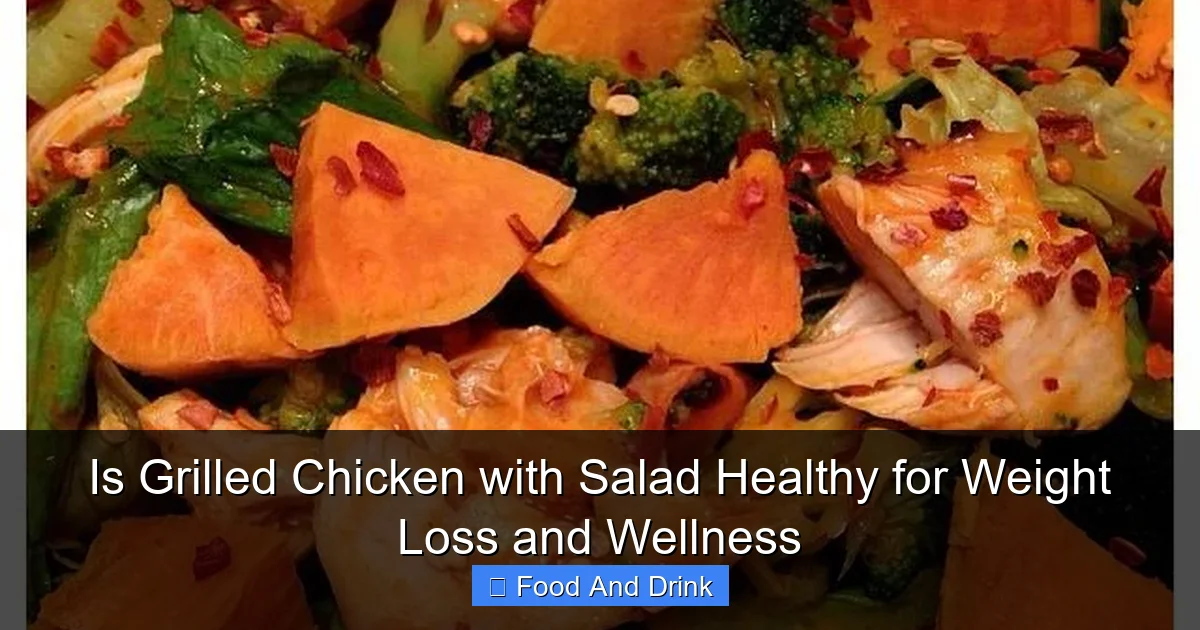
To truly understand whether grilled chicken with salad is healthy, let’s look at the numbers. Here’s a sample nutritional breakdown of a well-balanced grilled chicken salad:
– 4 ounces grilled chicken breast (skinless): ~185 calories, 35g protein, 4g fat, 0g carbs
– 2 cups mixed greens (spinach, romaine, arugula): ~20 calories, 2g fiber, rich in vitamins A, C, K
– 1/2 cup cherry tomatoes: ~15 calories, 1g fiber, high in vitamin C and lycopene
– 1/4 cucumber: ~8 calories, 1g fiber
– 1/4 bell pepper: ~10 calories, 1g fiber, high in vitamin C
– 1/4 avocado: ~80 calories, 7g healthy fat, 3g fiber
– 1 tablespoon olive oil and lemon vinaigrette: ~120 calories, 14g fat (mostly monounsaturated), 0g carbs
Total: ~440 calories, 35g protein, 20g fat, 7g fiber, and a wealth of vitamins and minerals.
This meal provides a balanced macronutrient profile: high protein, moderate healthy fats, and low carbohydrates. It’s rich in fiber, low in sodium (if you skip added salt), and free of added sugars—especially if you make your own dressing.
Compare that to a restaurant version that might include fried chicken, creamy ranch dressing, cheese, bacon, and croutons. That same salad could easily exceed 800 calories, with 50g of fat and 15g of saturated fat—definitely not ideal for weight loss or heart health.
Micronutrient Highlights
Beyond macros, this meal delivers essential micronutrients:
– **Vitamin A:** Supports vision and immune function (from leafy greens and orange vegetables).
– **Vitamin C:** Boosts immunity and collagen production (from peppers, tomatoes, greens).
– **Vitamin K:** Important for blood clotting and bone health (from kale and spinach).
– **Folate:** Crucial for cell function and especially important for pregnant women.
– **Iron:** Supports oxygen transport in the blood (from greens and chicken).
– **Potassium:** Helps regulate blood pressure (from vegetables and avocado).
– **Healthy Fats:** Omega-3s and monounsaturated fats support brain and heart health.
This nutrient density means your body gets what it needs to function optimally—without excess calories.
Common Mistakes That Make Your Salad Unhealthy
Visual guide about Is Grilled Chicken with Salad Healthy for Weight Loss and Wellness
Image source: blondelish.com
Even though grilled chicken with salad is inherently healthy, it’s easy to sabotage your meal with a few common mistakes. Here’s what to watch out for:
1. Heavy, Creamy Dressings
A single tablespoon of ranch or Caesar dressing can add 100–150 calories and 10–15 grams of fat—mostly from unhealthy oils and added sugars. A typical restaurant salad might come with 3–4 tablespoons, turning a healthy meal into a calorie bomb.
**Tip:** Opt for vinaigrettes made with olive oil, lemon juice, vinegar, and herbs. Or go dressing-free and squeeze fresh lemon or lime over your salad for flavor.
2. Fried or Breaded Chicken
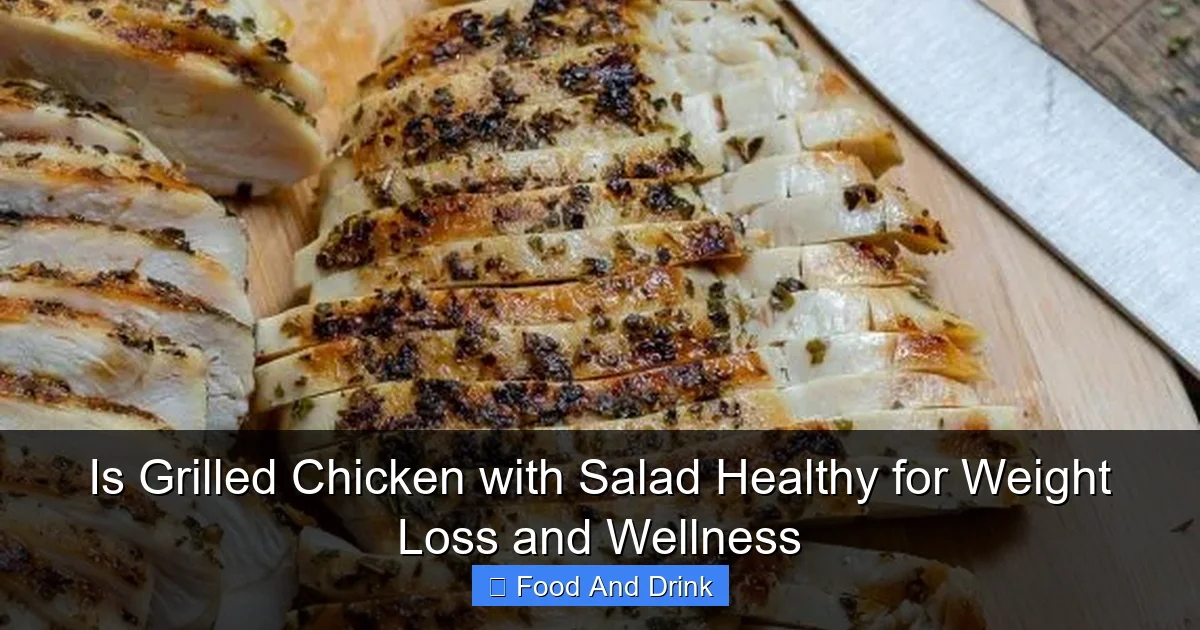
Grilled chicken is lean and healthy—but if it’s breaded, fried, or smothered in sauce, it loses its benefits. Fried chicken can double the calories and add trans fats and sodium.
**Tip:** Always ask for grilled, not fried. Request sauce on the side, or choose simple seasonings like garlic, herbs, or lemon pepper.
3. Processed Toppings
Bacon bits, cheese, croutons, and candied nuts may seem harmless, but they add calories, sodium, and unhealthy fats. A handful of croutons can add 100+ calories and little nutritional value.
**Tip:** Choose fresh toppings like sliced almonds, sunflower seeds, or fresh herbs. Skip the bacon and cheese, or use them sparingly.
4. Skimping on Vegetables
A salad with just iceberg lettuce and one tomato isn’t doing your body any favors. You need a variety of colorful vegetables to get the full range of nutrients.
**Tip:** Aim for at least 3–5 different vegetables. The more color, the better.
5. Overdoing the Avocado or Oils
While avocado and olive oil are healthy fats, they’re also calorie-dense. One whole avocado has about 240 calories. A tablespoon of oil is 120 calories. Use them wisely.
**Tip:** Stick to 1/4 avocado and 1 tablespoon of oil per meal.
Tips for Making the Healthiest Grilled Chicken Salad
Now that you know the pitfalls, here’s how to build the perfect grilled chicken salad at home or when dining out.
Choose the Right Chicken
– Go for skinless chicken breast or thigh (thigh has more fat but is still lean if grilled).
– Season with herbs, spices, garlic, lemon, or vinegar—avoid sugary marinades.
– Grill, bake, or air-fry instead of frying.
Load Up on Veggies
– Use a base of dark leafy greens (kale, spinach, arugula).
– Add color: red peppers, purple cabbage, orange carrots, yellow squash.
– Include crunch: cucumbers, radishes, celery.
– Add texture: shredded broccoli, sprouts, or jicama.
Pick Smart Toppings
– Healthy fats: 1/4 avocado, 1 tablespoon nuts or seeds.
– Fresh herbs: parsley, cilantro, basil.
– Low-calorie extras: lemon zest, chili flakes, nutritional yeast.
Make Your Own Dressing
Store-bought dressings are often loaded with sugar, preservatives, and unhealthy oils. Make your own in minutes:
**Simple Vinaigrette:**
– 2 tbsp extra virgin olive oil
– 1 tbsp apple cider vinegar or lemon juice
– 1 tsp Dijon mustard
– Salt, pepper, and herbs to taste
Shake in a jar and store for up to a week.
Portion Control Matters
Even healthy foods can lead to weight gain if you eat too much. A good rule of thumb:
– 3–4 ounces of chicken (palm-sized)
– 2–3 cups of vegetables
– 1 tablespoon of dressing
– 1/4 avocado or 1 tablespoon nuts
Long-Term Wellness Benefits
Beyond weight loss, regularly eating grilled chicken with salad supports long-term health in several ways.
Heart Health
The combination of lean protein, fiber, and healthy fats helps lower LDL (bad) cholesterol and reduce blood pressure. Olive oil, avocado, and vegetables all contribute to cardiovascular wellness.
Blood Sugar Control
The low glycemic load of this meal helps prevent insulin spikes, making it ideal for people with prediabetes or type 2 diabetes.
Digestive Health
Fiber feeds beneficial gut bacteria, promoting a healthy microbiome linked to immunity, mood, and reduced inflammation.
Muscle Maintenance
As we age, we lose muscle mass. Eating enough protein—like that in grilled chicken—helps preserve muscle and maintain strength.
Reduced Inflammation
Antioxidants in vegetables and healthy fats in olive oil and avocado help combat chronic inflammation, a root cause of many diseases.
Conclusion
So, is grilled chicken with salad healthy for weight loss and wellness? Absolutely—when prepared with care and attention to ingredients. This meal offers a perfect balance of lean protein, fiber, healthy fats, and essential nutrients. It keeps you full, supports metabolism, and promotes long-term health.
The key is to avoid common traps like creamy dressings, fried chicken, and processed toppings. Instead, focus on fresh, whole ingredients and mindful preparation. Whether you’re meal prepping for the week or ordering at a restaurant, grilled chicken with salad can be a delicious, satisfying, and truly healthy choice.
Make it a regular part of your diet, and you’ll not only see results on the scale—you’ll feel better, have more energy, and build habits that support a lifetime of wellness.
🎥 Related Video: BBQ Chicken Salad For Weight Loss 🤯
📺 ice.karimcooks
Frequently Asked Questions
Is grilled chicken with salad good for muscle building?
Yes, grilled chicken is rich in high-quality protein, which is essential for muscle repair and growth. Pairing it with vegetables ensures you get the nutrients needed for recovery.
Can I eat grilled chicken salad if I have diabetes?
Absolutely. This meal is low in refined carbs and high in fiber and protein, which helps stabilize blood sugar levels. Just avoid sugary dressings and croutons.
How many calories are in a typical grilled chicken salad?
A well-balanced grilled chicken salad with vegetables and light dressing usually contains 300–450 calories, depending on portion sizes and ingredients.
Is it better to grill or bake chicken for a salad?
Both are healthy options. Grilling adds a smoky flavor, while baking is easier for meal prep. Avoid frying to keep the meal low in unhealthy fats.
Can I use rotisserie chicken instead of grilling?
Yes, but check the label. Some rotisserie chickens are high in sodium and preservatives. Choose low-sodium versions and remove the skin.
What vegetables should I avoid in a healthy salad?
Avoid iceberg lettuce as a base—it’s low in nutrients. Also skip fried toppings like croutons or tempura vegetables, which add empty calories.