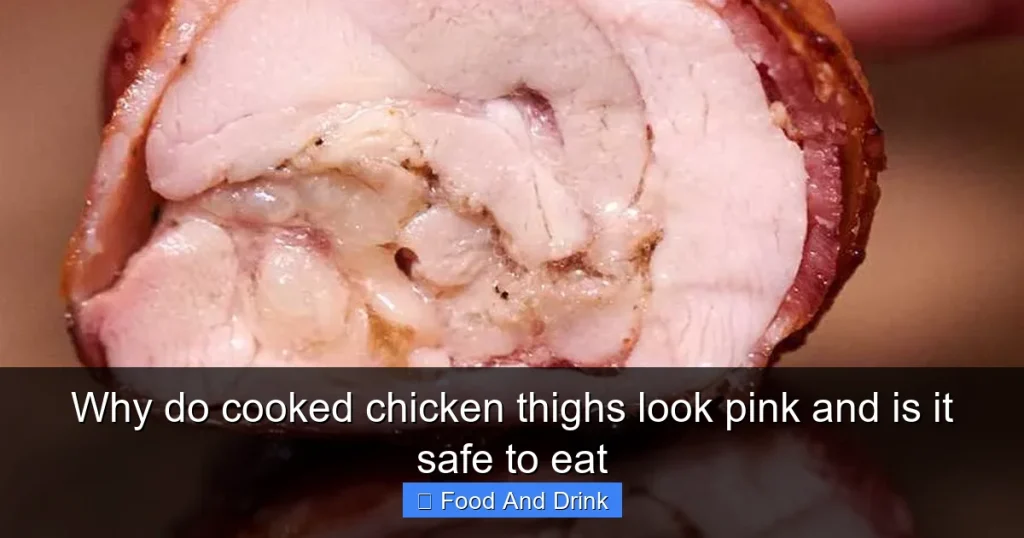

Even when fully cooked, chicken thighs can sometimes appear pink due to natural pigments and cooking methods. This doesn’t always mean they’re undercooked—understanding the science helps ensure food safety without overcooking your meat.
Have you ever pulled a perfectly roasted chicken thigh out of the oven, only to notice a faint pink tint near the bone or along the edges? Your first thought might be, “Is this safe to eat?” You’re not alone. Many home cooks and even seasoned chefs have paused mid-bite, wondering if that pink hue means the meat is undercooked. It’s a common concern, especially with dark meat like thighs, which are naturally richer in myoglobin—a protein responsible for oxygen storage in muscle fibers. But here’s the good news: a pink appearance in cooked chicken thighs doesn’t automatically mean it’s unsafe.
Understanding why this happens requires a bit of food science. Unlike breast meat, which is mostly white and lean, chicken thighs are considered “dark meat” because they contain more myoglobin. This protein gives the meat its deeper color and also reacts differently to heat. When exposed to high temperatures—especially during grilling, smoking, or roasting—myoglobin can undergo chemical changes that result in a pink or even reddish tint, even when the chicken has reached a safe internal temperature. Add in factors like smoke, marinades, or proximity to bones, and the pink color becomes even more noticeable.
So, before you toss that juicy thigh in the trash, let’s dig into the real reasons behind the pink color and how to confidently determine whether your chicken is safe to eat. This guide will walk you through the science, debunk common myths, and give you practical tips to cook chicken thighs perfectly every time—without sacrificing flavor or texture.
Key Takeaways
- Pink color can be natural: Myoglobin in dark meat reacts with heat and smoke, causing a pink hue even when safe to eat.
- Smoking and grilling contribute: These methods introduce nitric oxide, which binds to myoglobin and creates a pink ring or tint.
- Bone proximity matters: Meat near bones may retain a pinkish color due to slower heat transfer and blood pigments.
- Use a meat thermometer: The only reliable way to confirm doneness is checking internal temperature (165°F or 74°C).
- Overcooking isn’t the answer: Dry, tough chicken results from excessive heat—focus on temperature, not color.
- Freezing can affect appearance: Frozen and thawed chicken may look slightly pinker due to moisture and pigment changes.
- When to be cautious: If the chicken smells off, feels slimy, or has a grayish-green tint, discard it regardless of color.
Quick Answers to Common Questions
Can pink chicken thighs make you sick?
Not if they’re cooked to 165°F. Pink color alone doesn’t mean the chicken is undercooked or unsafe. Use a thermometer to confirm doneness.
Why do chicken thighs stay pink after cooking?
Dark meat contains more myoglobin, which can react with heat, smoke, or bones to retain a pink color even when fully cooked.
Is it safe to eat chicken with a pink smoke ring?
Yes. The smoke ring is caused by nitric oxide from smoke binding to myoglobin and is a sign of well-smoked meat, not undercooking.
Should I throw away pink chicken near the bone?
Not necessarily. Meat near bones may look pink due to slower cooking and blood pigments. Check the internal temperature to be sure.
How can I avoid overcooking chicken thighs?
Use a meat thermometer, cook to 165°F, and let the meat rest. Avoid high heat and consider brining for extra moisture.
📑 Table of Contents
The Science Behind Pink Cooked Chicken
To understand why cooked chicken thighs sometimes look pink, we need to start with the basics of muscle biology. Chickens, like all animals, have muscles that require oxygen to function. Myoglobin is the protein responsible for storing and transporting oxygen within muscle cells. The more myoglobin a muscle contains, the darker the meat appears. That’s why chicken thighs and drumsticks—used frequently for walking and standing—are darker than breast meat, which is used less and contains less myoglobin.
When chicken is cooked, the heat causes myoglobin to denature, or change its structure. In most cases, this process turns the protein from red to brown, which is why well-done chicken typically looks tan or grayish. However, under certain conditions, myoglobin can react with other compounds and retain a pink or even red appearance—even when the meat is fully cooked.
One key factor is the presence of nitric oxide (NO), a gas produced during smoking or grilling. When chicken is exposed to smoke, nitric oxide binds to the iron in myoglobin, forming a stable pink compound called nitrosomyoglobin. This is the same reaction that gives smoked meats like bacon or ham their characteristic pink color. So, if you’ve grilled or smoked your chicken thighs, that pink ring or tint might just be a sign of delicious flavor development, not undercooking.
Another chemical player is carbon monoxide, which can be present in gas grills or certain types of packaging. Like nitric oxide, carbon monoxide can bind to myoglobin and create a pink pigment known as carboxymyoglobin. This is why vacuum-sealed chicken sometimes looks pinker than fresh chicken—even before it’s cooked.
It’s also worth noting that cooking temperature and time play a role. Slow cooking at lower temperatures may not fully denature myoglobin, allowing some pink color to persist. Similarly, if the chicken is cooked quickly at high heat, the outer layers may brown while the inner portions retain a pink hue due to uneven heat distribution.
Understanding these chemical reactions helps demystify the pink color. It’s not necessarily a sign of danger—it’s often just a natural byproduct of how dark meat responds to heat and environmental factors.
Common Causes of Pink Color in Cooked Thighs
Visual guide about Why do cooked chicken thighs look pink and is it safe to eat
Image source: cychicken.com
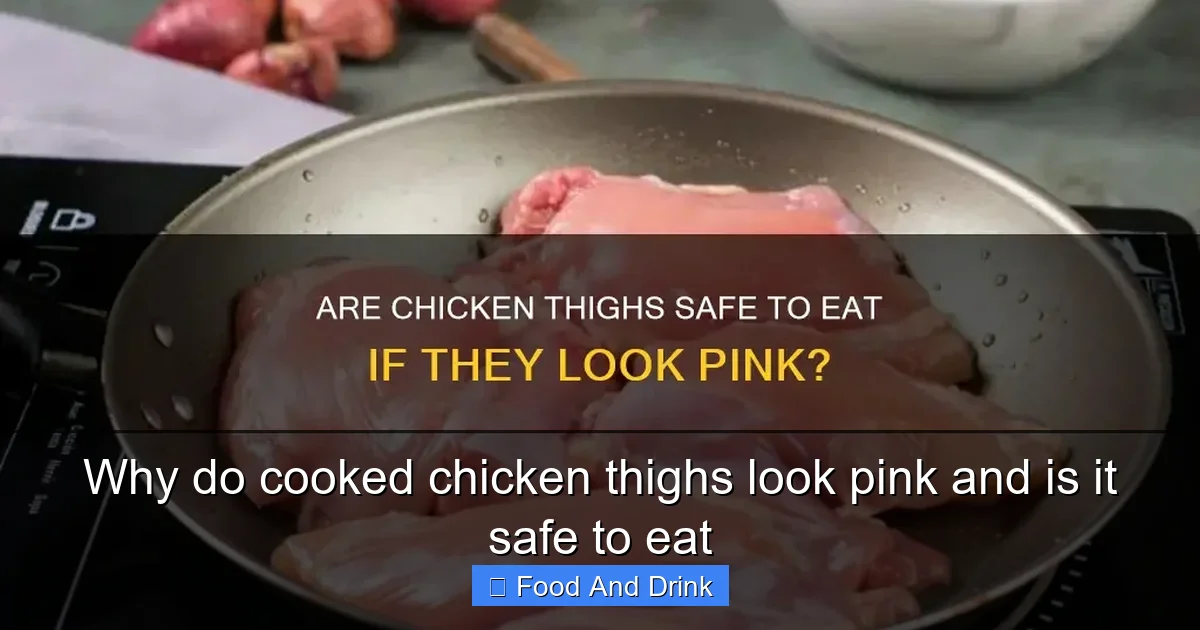
Now that we’ve covered the science, let’s look at the most common real-world reasons why your cooked chicken thighs might still look pink. These causes are often misunderstood, leading to unnecessary worry or overcooking.
1. Proximity to the Bone
One of the most frequent culprits is the bone itself. The meat closest to the bone tends to cook more slowly because bones conduct heat differently than muscle tissue. Additionally, bones contain blood vessels and residual blood pigments, including hemoglobin, which can seep into the surrounding meat during cooking. Hemoglobin, like myoglobin, can retain a pink or reddish color even after the chicken has reached a safe temperature.
This effect is especially noticeable in younger chickens, whose bones are more porous and contain more marrow. As a result, the meat near the bone may appear pink or even slightly bloody, even when the rest of the thigh is fully cooked. This is completely normal and not a sign of undercooking.
2. Smoking and Grilling
If you’ve ever smoked a chicken or grilled it over charcoal, you’ve likely seen that signature pink “smoke ring” around the edges. This is caused by nitric oxide from the smoke binding to myoglobin in the meat. The smoke ring is a hallmark of well-smoked meats and is actually a sign of proper technique—not undercooking.
Even on a gas grill, flare-ups or high-heat zones can produce enough nitric oxide to create a pink tint. This is more common with dark meat like thighs, which have higher myoglobin content. So, if your grilled chicken thighs have a pink hue, especially near the surface, it’s likely due to smoke exposure rather than insufficient cooking.
3. Marinades and Additives
Certain marinades can also contribute to a pink appearance. Ingredients like soy sauce, liquid smoke, or even some commercial brines contain compounds that react with myoglobin. For example, soy sauce contains nitrates, which can mimic the effects of smoking and lead to a pink color.
Additionally, some pre-packaged or store-bought chicken may be treated with solutions containing phosphates or sodium nitrite to retain moisture and extend shelf life. These additives can affect the meat’s color, making it appear pinker than fresh, untreated chicken—even after cooking.
4. Freezing and Thawing
Freezing can alter the structure of meat and affect its color. When chicken is frozen, ice crystals form and can rupture cell membranes, allowing pigments like myoglobin to migrate. When the chicken is thawed and cooked, these pigments may not fully denature, resulting in a pink tint.
This is especially true if the chicken was frozen and thawed multiple times or if it was improperly stored. While the pink color isn’t harmful, it can be unsettling if you’re not expecting it.
5. Cooking Method and Temperature
The way you cook your chicken thighs also plays a role. Slow roasting, braising, or using a sous vide method can result in more even cooking but may not fully eliminate pink pigments. Conversely, high-heat methods like broiling or searing can create a browned exterior while leaving the interior slightly pink.
Also, if you’re cooking chicken thighs with the skin on, the skin can act as an insulator, slowing heat penetration and contributing to uneven coloration.
Is Pink Chicken Safe to Eat?
Visual guide about Why do cooked chicken thighs look pink and is it safe to eat
Image source: chowhound.com
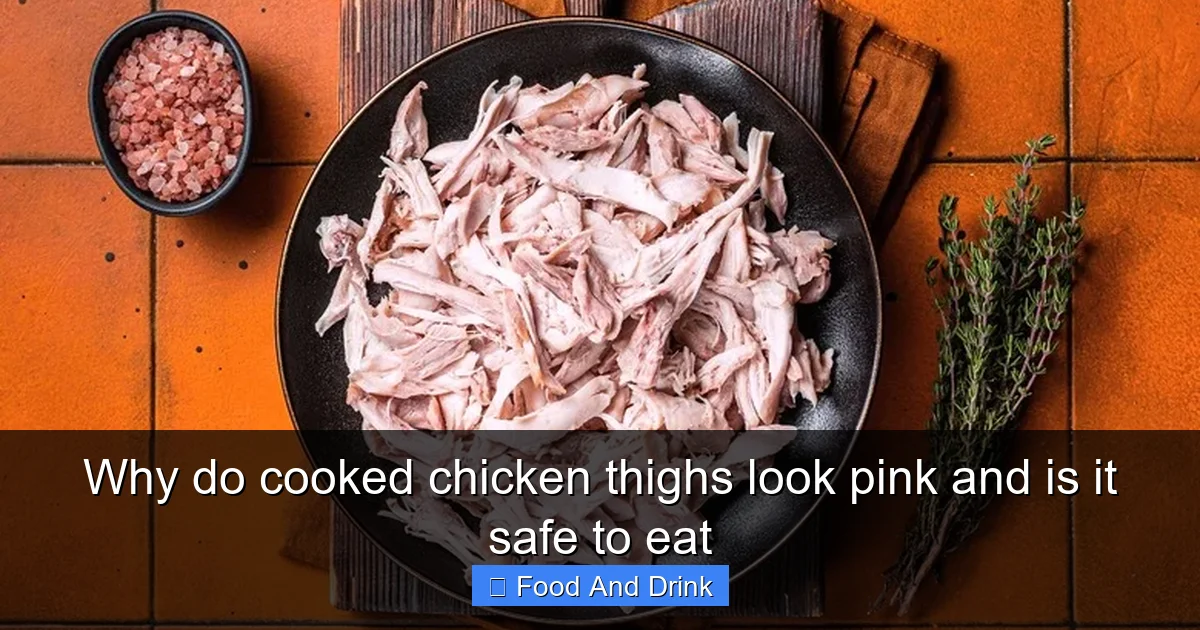
This is the million-dollar question: if your cooked chicken thighs look pink, are they safe to eat? The short answer is: it depends. Color alone is not a reliable indicator of doneness or safety. The only way to know for sure is to use a food thermometer.
According to the U.S. Department of Agriculture (USDA), all poultry, including chicken thighs, should be cooked to an internal temperature of 165°F (74°C) to destroy harmful bacteria like Salmonella and Campylobacter. This temperature ensures that the meat is safe to eat, regardless of its color.
So, if your chicken thigh reaches 165°F and still looks pink near the bone or has a smoke ring, it’s likely safe. However, if the meat is still translucent, sticky, or has a strong raw odor, it may not be fully cooked—even if the temperature reads correctly in one spot.
It’s important to insert the thermometer into the thickest part of the thigh, avoiding the bone, as bones can give false temperature readings. If you’re cooking a whole chicken, check multiple spots, including the thigh and the breast.
That said, there are some visual cues that can help you assess safety:
– Texture: Cooked chicken should be firm, not rubbery or slimy.
– Juices: When pierced, the juices should run clear, not pink or bloody.
– Smell: Safe chicken should have a mild, neutral odor. A sour or ammonia-like smell indicates spoilage.
– Color consistency: If the pink is only near the bone or surface and the rest of the meat is white or tan, it’s likely fine. But if large portions are pink and translucent, it may need more cooking.
When in doubt, it’s always better to cook the chicken a bit longer. But remember: overcooking leads to dry, tough meat. The goal is to hit 165°F without going too far beyond it.
How to Prevent Overcooking While Ensuring Safety
Visual guide about Why do cooked chicken thighs look pink and is it safe to eat
Image source: i.pinimg.com
One of the biggest challenges with cooking chicken thighs is balancing safety and tenderness. Overcooked thighs become dry and chewy, while undercooked ones pose a health risk. The key is precision—using the right tools and techniques.
Use a Reliable Meat Thermometer
Invest in a good digital instant-read thermometer. These devices give accurate readings in seconds and are essential for safe cooking. Insert the probe into the thickest part of the thigh, making sure it doesn’t touch the bone. Wait for the temperature to stabilize—165°F means it’s safe.
For even more control, consider a leave-in probe thermometer, which allows you to monitor the temperature continuously while the chicken cooks in the oven or on the grill.
Rest the Meat
After removing chicken from heat, let it rest for 5–10 minutes. During this time, the internal temperature will continue to rise slightly due to residual heat (a process called carryover cooking). This means you can actually remove the chicken from the heat at 160°F and let it reach 165°F during resting—preventing overcooking.
Choose the Right Cooking Method
Different methods affect how evenly chicken cooks:
– Roasting: Great for even cooking. Place thighs skin-side up on a rack in a roasting pan to allow air circulation.
– Braising: Ideal for tender, juicy results. Brown the thighs first, then simmer in liquid (like broth or wine) at low heat.
– Grilling: Use indirect heat for thicker thighs to prevent charring on the outside while the inside cooks through.
– Sous Vide: The most precise method. Vacuum-seal the thighs and cook in a water bath at 165°F for 1–2 hours, then sear for crisp skin.
Brining for Moisture
Brining—soaking the chicken in a saltwater solution—helps retain moisture during cooking. This is especially helpful for thighs, which can dry out if overcooked. A simple brine of 1/4 cup salt per quart of water, soaked for 1–2 hours, can make a big difference.
Avoid High Heat Unless Necessary
While high heat can create a nice crust, it can also lead to uneven cooking. For thighs, medium heat is often better. If you’re grilling, use a two-zone fire: sear over direct heat, then move to indirect heat to finish cooking.
Tips for Perfectly Cooked Chicken Thighs
Now that you know why pink happens and how to ensure safety, here are some practical tips to help you cook juicy, flavorful chicken thighs every time.
Start with Quality Meat
Choose fresh, high-quality chicken thighs. Look for meat that’s firm, with a consistent color and no off odors. Organic or pasture-raised options often have better flavor and texture.
Pat Dry Before Cooking
Moisture on the surface prevents browning. Pat the thighs dry with paper towels before seasoning or searing. This helps achieve a crispy skin and better Maillard reaction (the browning that adds flavor).
Season Generously
Chicken thighs can handle bold flavors. Use salt, pepper, garlic, herbs, or spice rubs. Let them marinate for at least 30 minutes—or overnight—for deeper flavor.
Don’t Crowd the Pan
When searing or roasting, leave space between the thighs. Overcrowding traps steam, which leads to steaming instead of browning. Cook in batches if necessary.
Use a Rack When Roasting
Placing thighs on a rack in a roasting pan allows hot air to circulate underneath, promoting even cooking and crispy skin.
Check Temperature Early
Start checking the temperature about 5–10 minutes before you think the chicken will be done. This prevents overcooking, especially with smaller or thinner thighs.
Let Them Rest
As mentioned earlier, resting allows juices to redistribute. Cutting into hot chicken releases those juices, leaving the meat dry.
Save the Leftovers
Cooked chicken thighs make great leftovers. Store in an airtight container in the fridge for up to 4 days or freeze for up to 3 months. Reheat gently to avoid drying out.
When to Be Concerned About Pink Chicken
While pink color is often harmless, there are times when it’s a red flag. Here’s when to be cautious:
– The meat is still translucent or jelly-like: This indicates it’s not fully cooked, regardless of temperature.
– It smells sour, ammonia-like, or off: Spoiled chicken will have a distinct unpleasant odor.
– The surface feels slimy or sticky: This is a sign of bacterial growth.
– There’s a grayish or greenish tint: This could indicate spoilage or chemical reactions from improper storage.
– You didn’t cook it yourself: If you’re eating out and the chicken looks undercooked, send it back.
In these cases, it’s best to err on the side of caution and discard the meat.
Conclusion
Seeing pink in your cooked chicken thighs can be surprising, but it’s usually not a cause for alarm. Thanks to the science of myoglobin, smoking, bone proximity, and cooking methods, a pink hue can appear even when the meat is fully safe to eat. The key is to rely on a food thermometer—not color—to determine doneness.
By understanding the reasons behind the pink color and using proper cooking techniques, you can enjoy juicy, flavorful chicken thighs without fear. Whether you’re grilling, roasting, or braising, focus on hitting that magic 165°F mark, and don’t let a little pink scare you away from a delicious meal.
So next time you pull a golden-brown thigh out of the oven and notice a hint of pink near the bone, take a deep breath, check the temperature, and dig in with confidence. Your taste buds—and your peace of mind—will thank you.
Frequently Asked Questions
Is it normal for grilled chicken thighs to look pink?
Yes, it’s common. Grilling exposes the meat to smoke and high heat, which can cause myoglobin to retain a pink color even when the chicken is fully cooked.
Can frozen chicken thighs look pink after cooking?
Yes. Freezing can affect pigment distribution, leading to a pink appearance. As long as the internal temperature reaches 165°F, it’s safe to eat.
Why does my chicken thigh have a red juice?
Red or pink juices can come from myoglobin or hemoglobin near the bone. If the meat is cooked to 165°F and the juice runs clear when pierced, it’s safe.
Should I cook chicken thighs longer if they’re pink?
Only if the internal temperature is below 165°F. Color isn’t a reliable indicator—use a thermometer to check doneness before cooking longer.
Can marinades make chicken look undercooked?
Yes. Ingredients like soy sauce or liquid smoke can react with myoglobin and create a pink color, even in fully cooked meat.
What’s the best way to check if chicken is done?
The most accurate method is using a food thermometer. Insert it into the thickest part of the thigh, avoiding the bone, and ensure it reads 165°F.